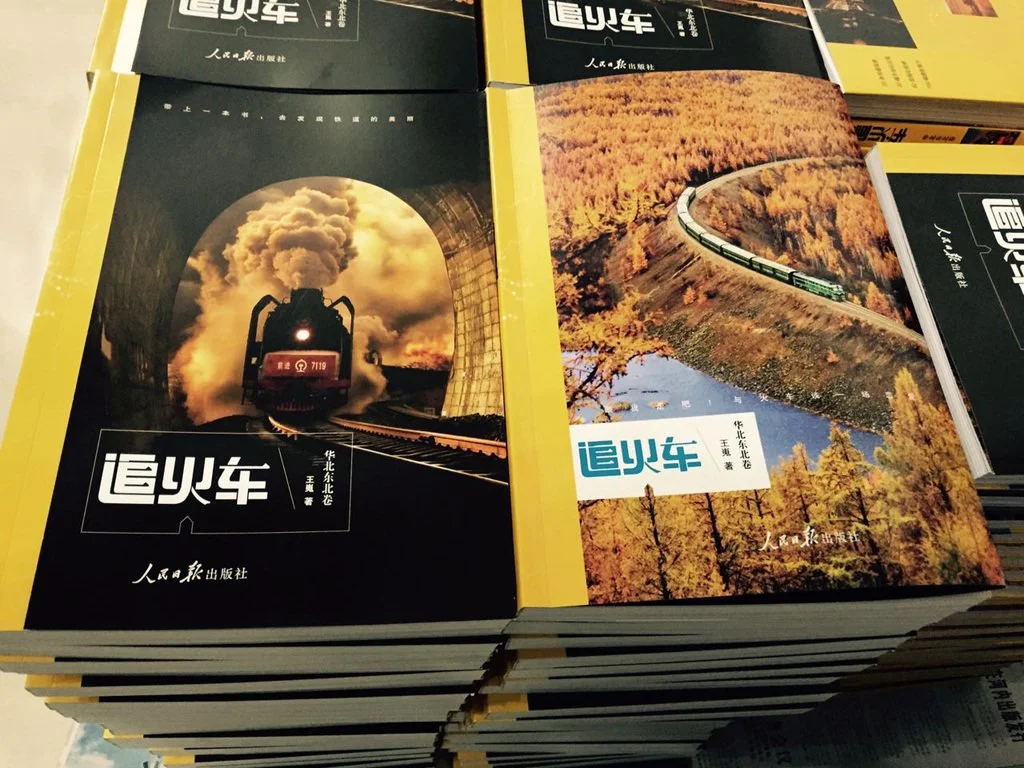
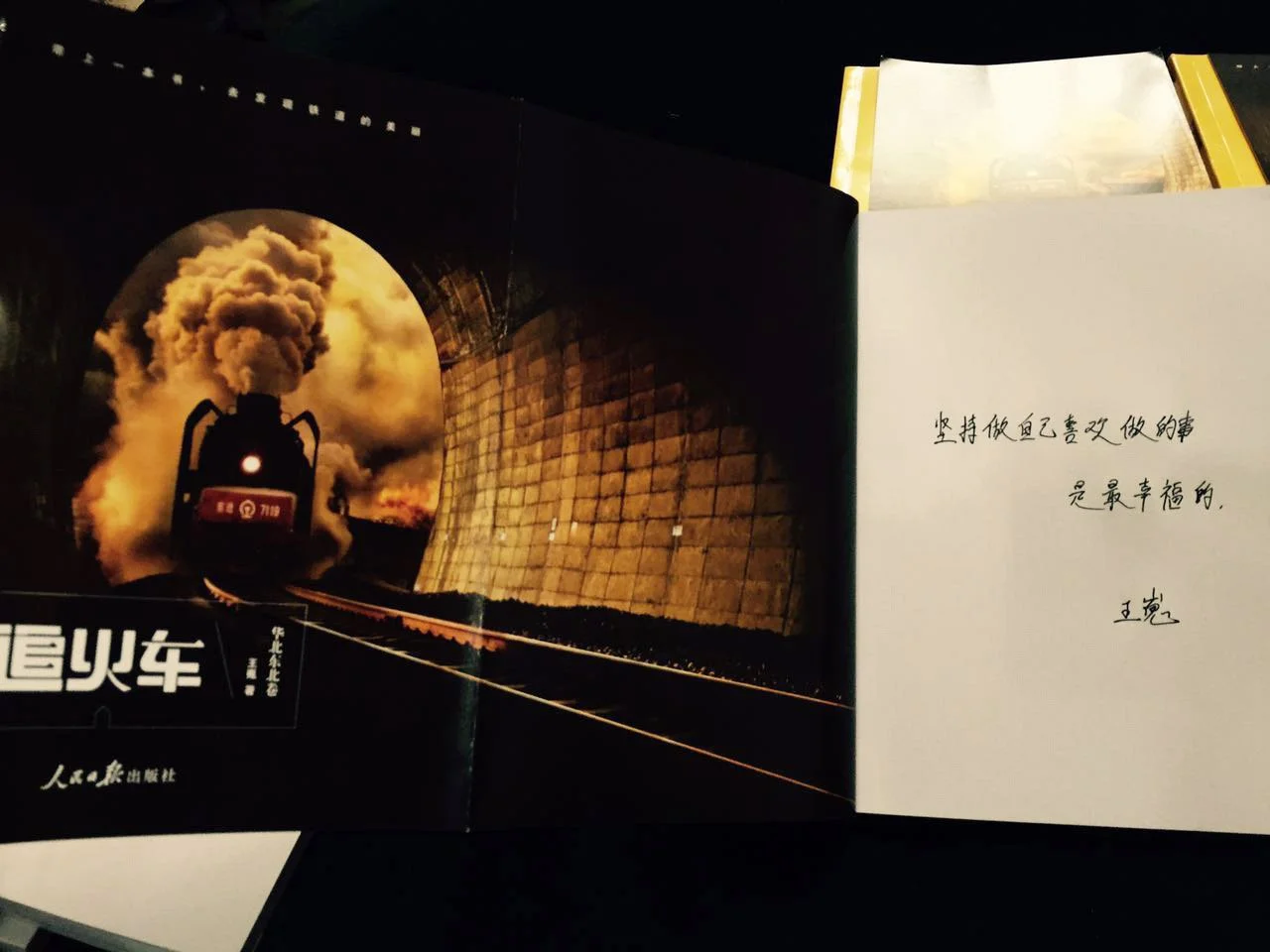
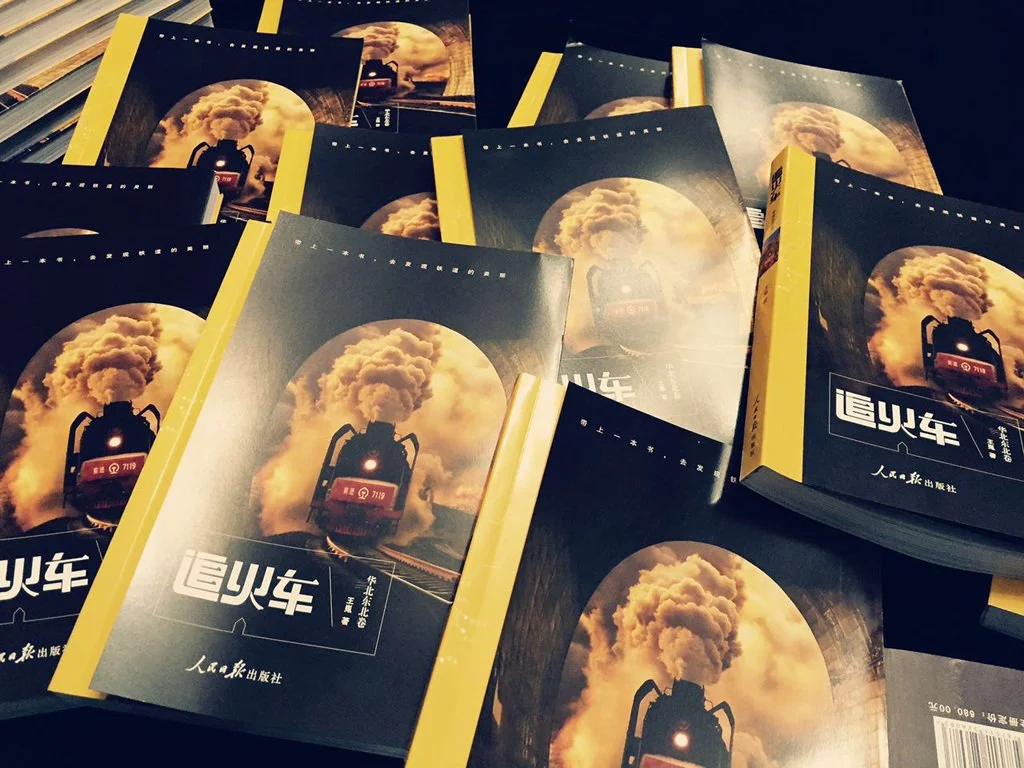
Chasing Trains: North and Northeast China Volume, published in November 2015.
Xie Hailong: Upon Getting the Book, I Discovered That Chasing Trains is Captivating for Far More Than Just Its Exquisite Pictures!
I often say: "Innovation is the vitality of photography, and persistence is the cornerstone of photographic success." An outstanding photographer must understand reverse thinking and artistic subject selection; otherwise, they easily fall into mediocrity. The young Wang Wei is a unique photographer who has elevated "chasing trains" to a realm of its own and turned it into a personal signature.
More Than Just a Photo Album, But a Cross-Domain Feast of Railway Culture
At first, I thought this was simply a pictorial book about "train scenery," but upon receiving the book, I was astonished to realize that its depth far exceeded imagination. This is not a memorandum intended merely for circulation within a niche circle, but a work that endows photographs with epochal significance, aesthetic value, and life philosophy.
Chen Danqing once lamented that contemporary photography magazines mostly feature only "pretty pictures" without "photographic culture," yet Wang Wei's work is a perfect combination of essays, popular science, photo albums, travel logs, memoirs, and textual research. This "fleshed-out" characteristic makes it hard to simply categorize, but it is the ultimate blessing for readers diving deep into the art of train photography.
Five Perspectives to Understand the Soul of Chasing Trains:
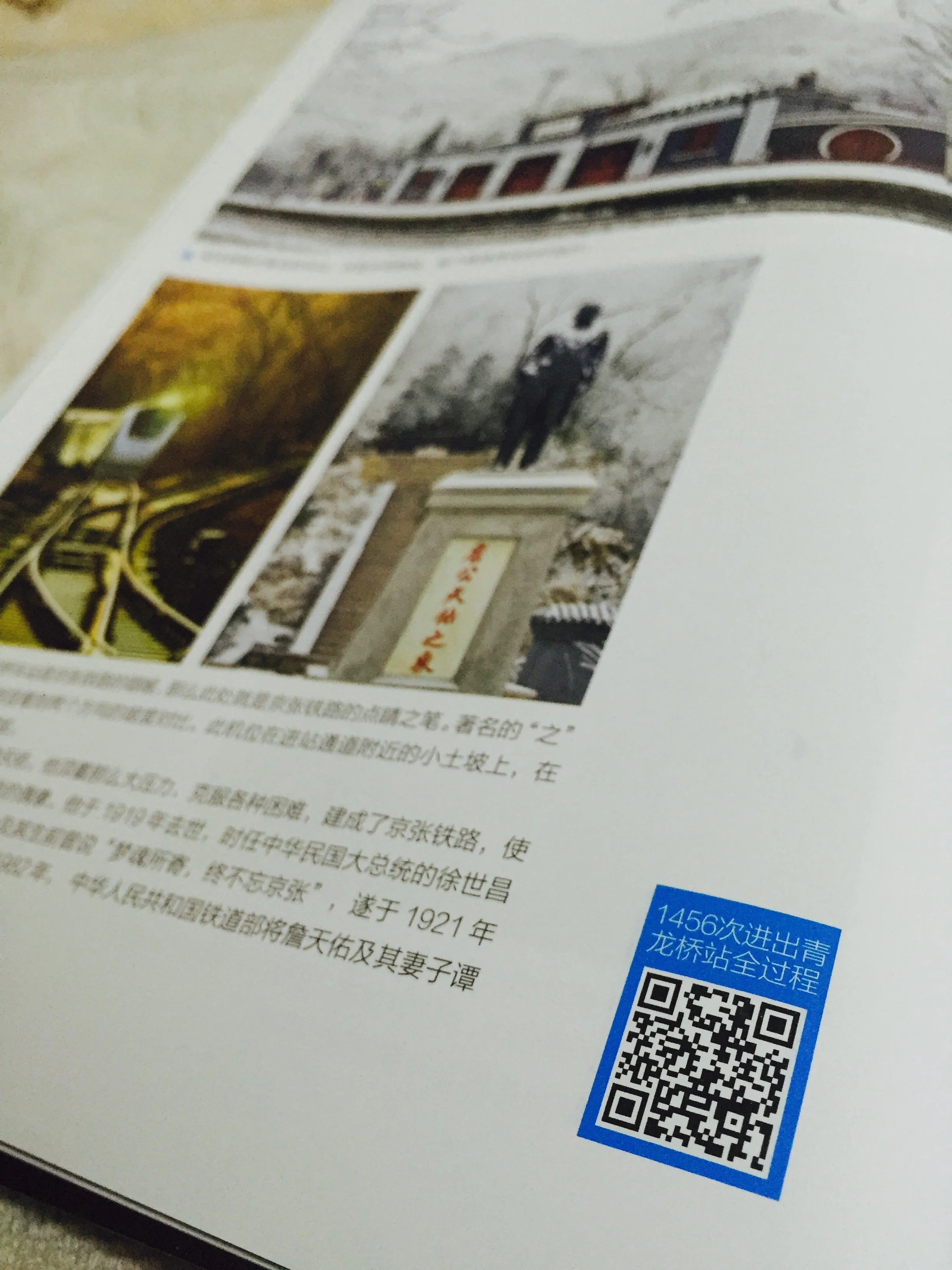
A Memoir of Childhood Dreams: From the train whistles outside his grandmother's window to Jeme Tien Yow's final resting place beside his junior high school, Beijing is the starting point of Wang Wei's dreams. He turned a lively childhood hobby into a true craft, extending his affectionate penmanship into the historical memories of the Beijing-Zhangjiakou Railway.
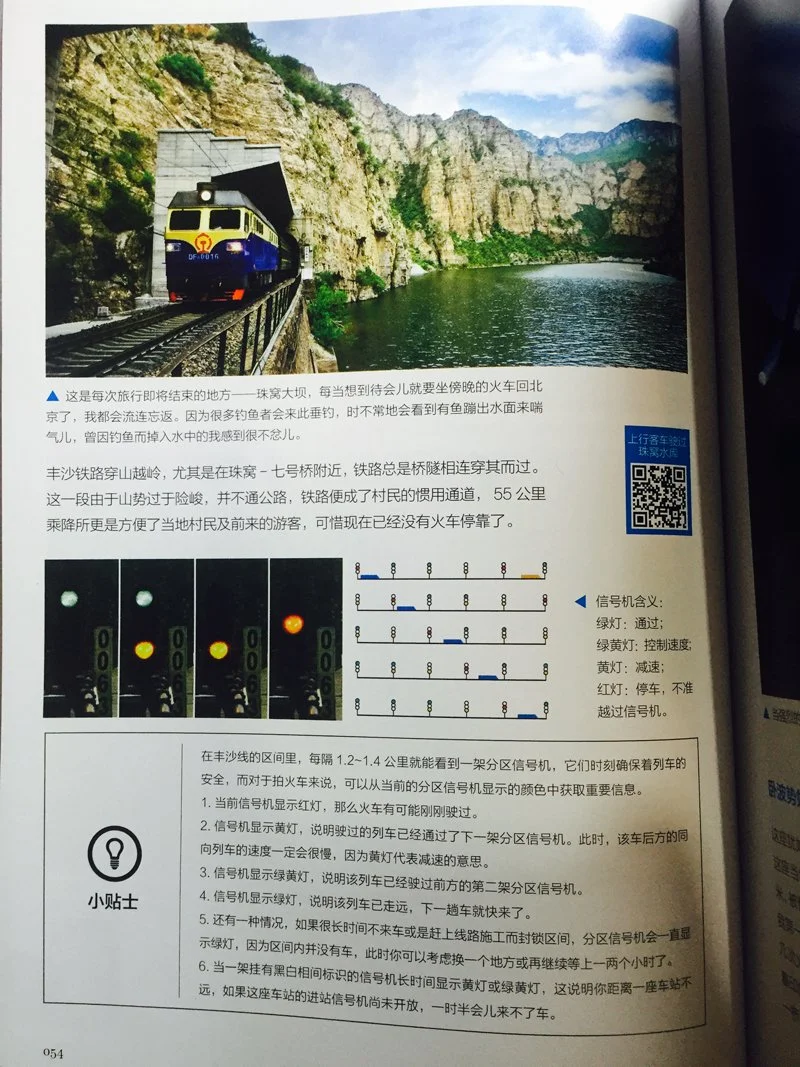
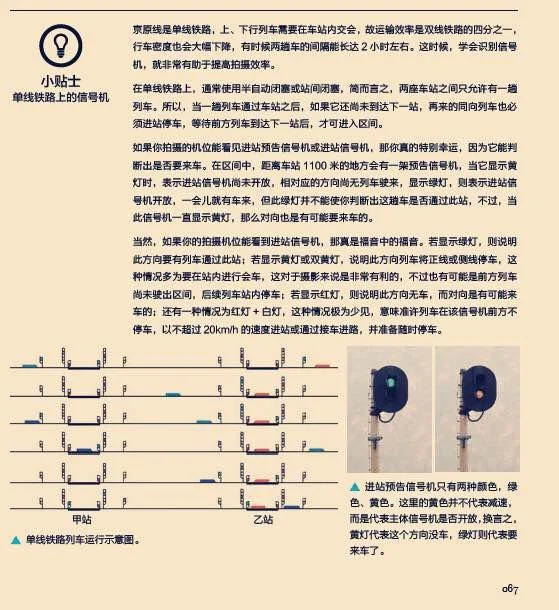
A Popular Science Book on Train Knowledge: In Wang Wei's eyes, trains are "partners" with souls. He meticulously explains the performance of everything from the "Jiefang-6" steam locomotive to the French-imported "8K" electric locomotive, and even recounts the professional meaning behind changing signal lights—never showing off knowledge, yet displaying absolute sincerity.
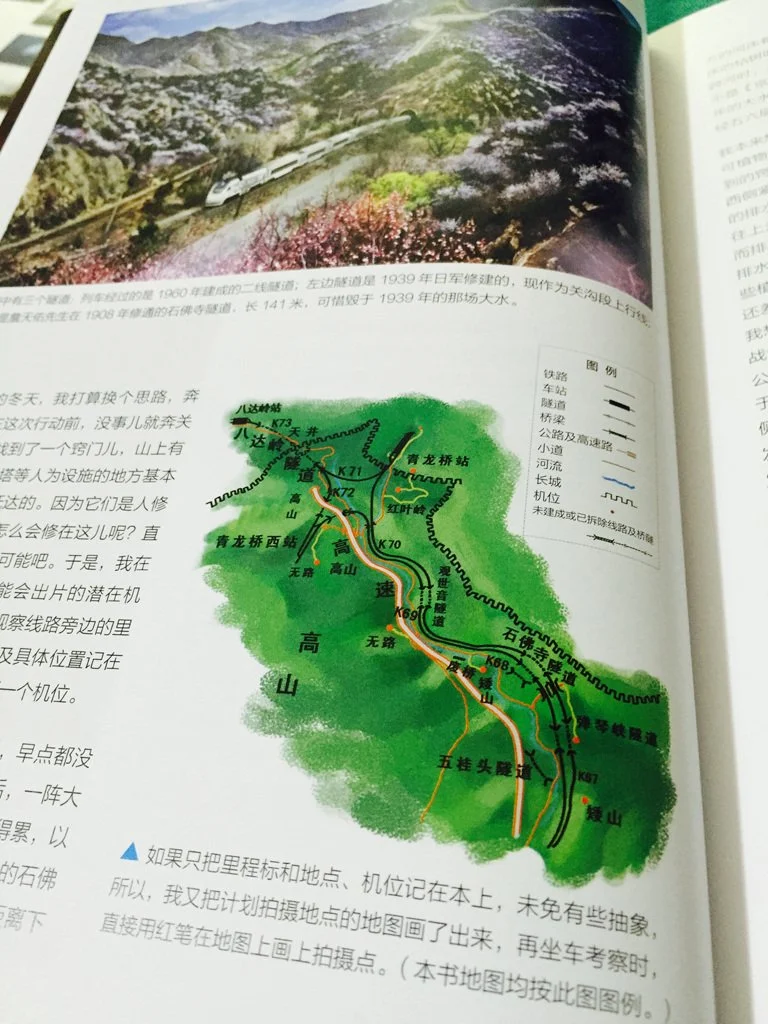
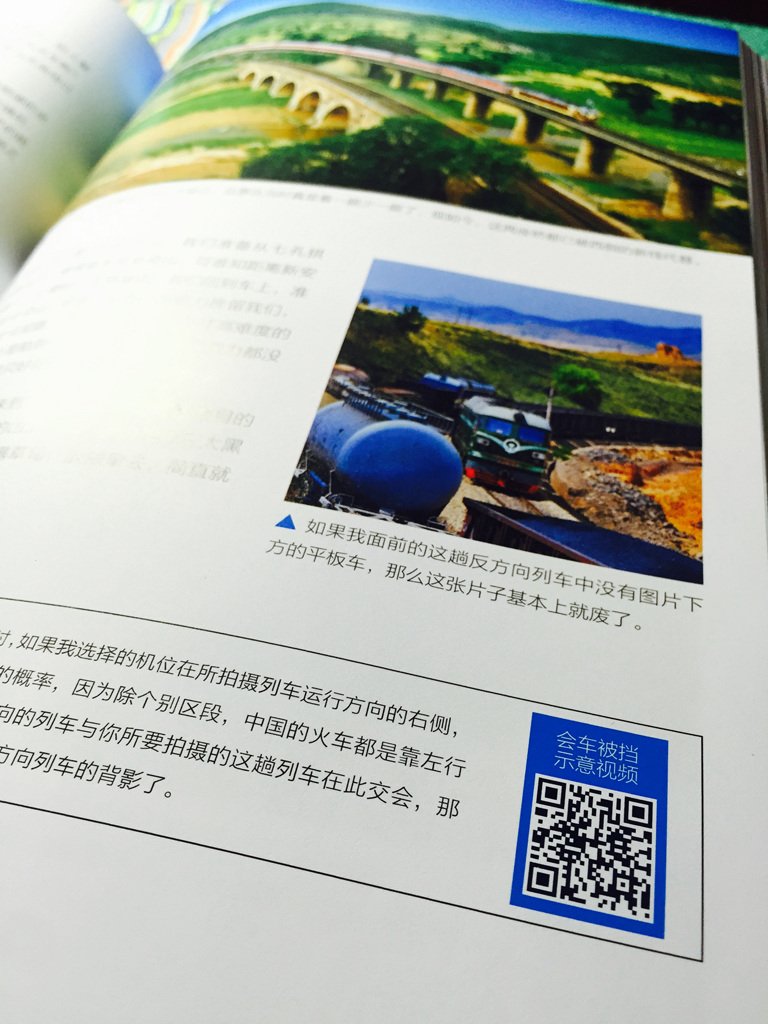
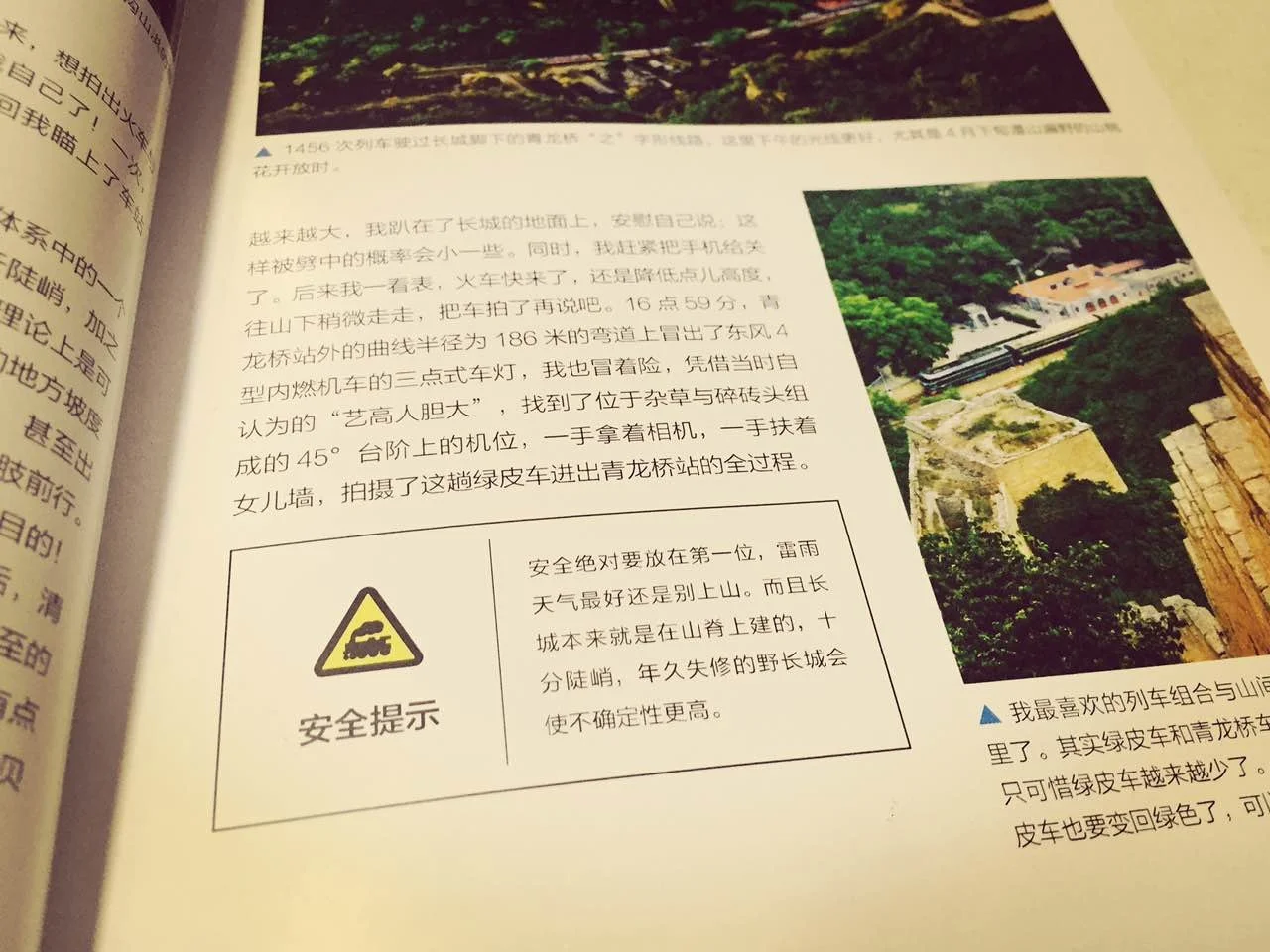
A Manual for Practical Photography: Wang Wei is exceptionally unpretentious. Instead of "pulling up the ladder" to enjoy success all by himself, he teaches readers step-by-step how to photograph trains. From safety rules and seasonal choices to the success-rate techniques of "panning photography," he shares his practical experience without reservation.
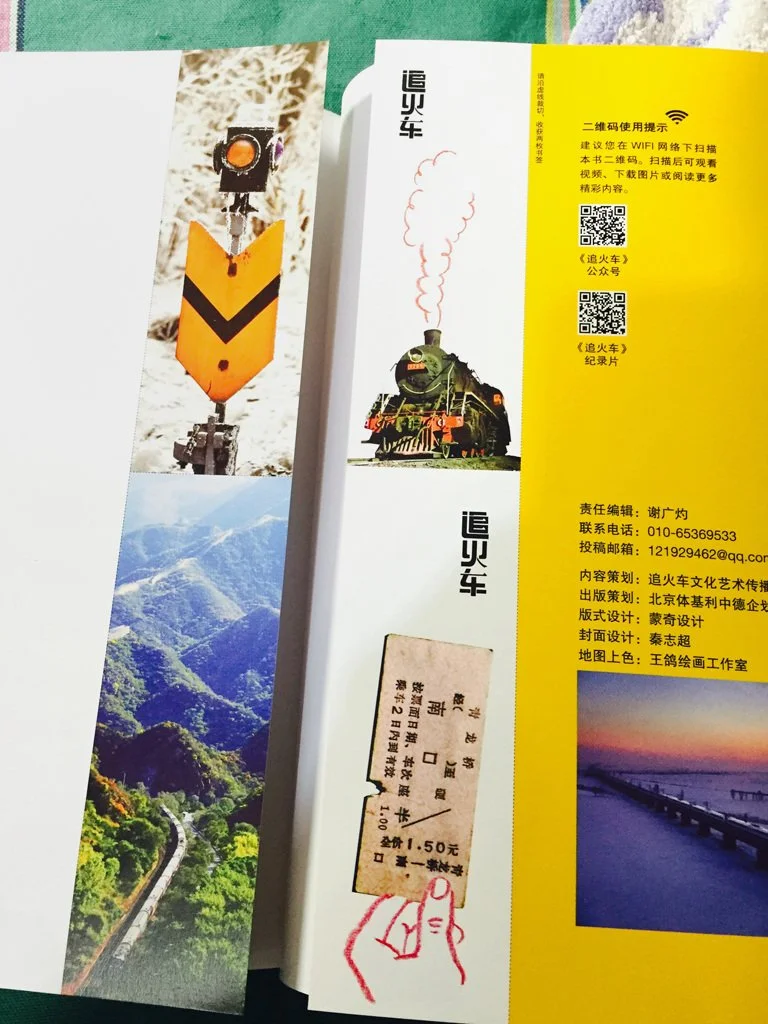
A History Book of Railway Salvaged Lore: Unlike official grand narratives, Wang Wei is obsessed with the textual research of details—the earliest gradient markers of the Beijing-Zhangjiakou Railway, station plaques from the Guangxu Emperor's reign, and vanished hard-card train tickets. These salvaged items, filled with personal warmth, make history touching and interesting.
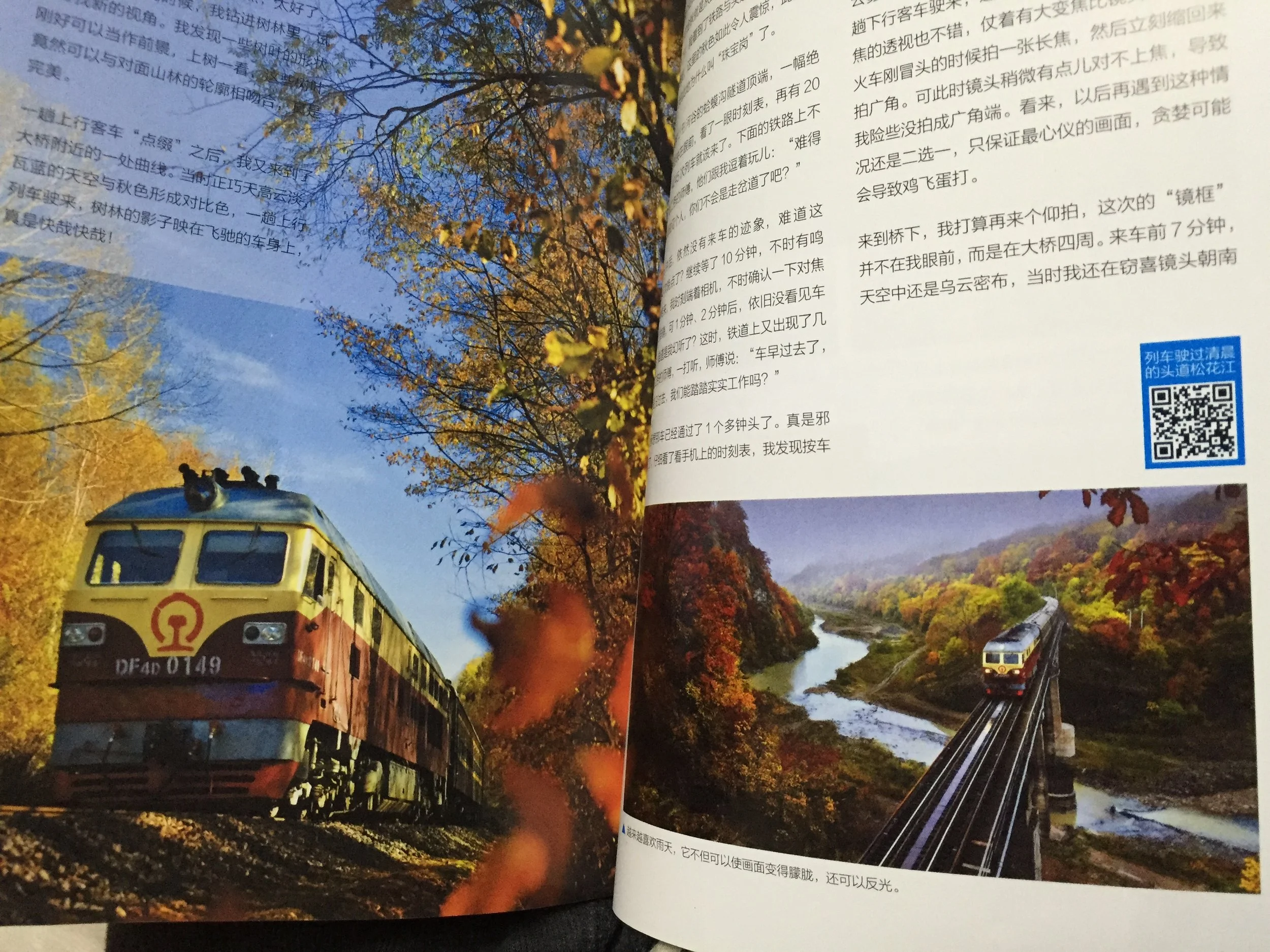
A Collection of Essays on Sentimental Narration: The text in the book possesses the calmness of prose and the sensitivity of an artist. He can precisely describe the autumn colors interwoven by the Dahinggan Ling larch and white birch, and simultaneously reveal his literary talent amidst photographic data. This cross-temporal dialogue and comparison endow photographic works with a true soul.
A Well-Digging Perseverance, Unearthing Profound Significance
Though young, Wang Wei exhibits ultimate persistence. His perseverance is like digging a well: though the wellhead is small, he digs extremely deep until he reaches water. Along this path of photography, he takes things one step at a time, avoiding impatience and impetuosity as he chases the dream in his heart.
(This article is excerpted from the preface written by renowned photographer Xie Hailong for Wang Wei's Chasing Trains.)