
Railway Heritage. Photography. History.
20+ YEARS DOCUMENTING THE WORLD’S RAILWAYS
200,000+ KM TRAVELED · 30+ COUNTRIES · 3,000+ STATIONS DOCUMENTED
30+ HERITAGE SITES PROTECTED · 5 BOOKS PUBLISHED
FEATURED IN: BBC | CNN | THE GUARDIAN | THE GUARDIAN | DAILY MAIL | TRAINS
Latest Updates on Railway Cultural Heritage Protection:
“Beijing Resident Seeks Heritage Protection for Changping's Only “Blockhouse-Style Water Tower”
Oct 16
Few people have noticed that a long-disused water tower near Nankou Railway Station is the only surviving example of a “blockhouse-style water tower” in Beijing's Changping District.
Recently, heritage conservation volunteer Huang Haoyuan submitted an Application for the Recognition of Immovable Cultural Heritage to the Changping District Bureau of Culture and Tourism, seeking official heritage designation for the historic structure.
According to Huang's research, Nankou, situated to the north of Beijing, has historically been a strategically important military location. He believes the water tower provides physical evidence of the Japanese military's occupation of Nankou and its control over railway lines during the Second Sino-Japanese War (1937–1945). The structure therefore holds distinctive historical value for research into the war, railway development, and urban water supply systems.
Website Updates: Railway History Research | 1895-1928 | U.S.-Locomotive
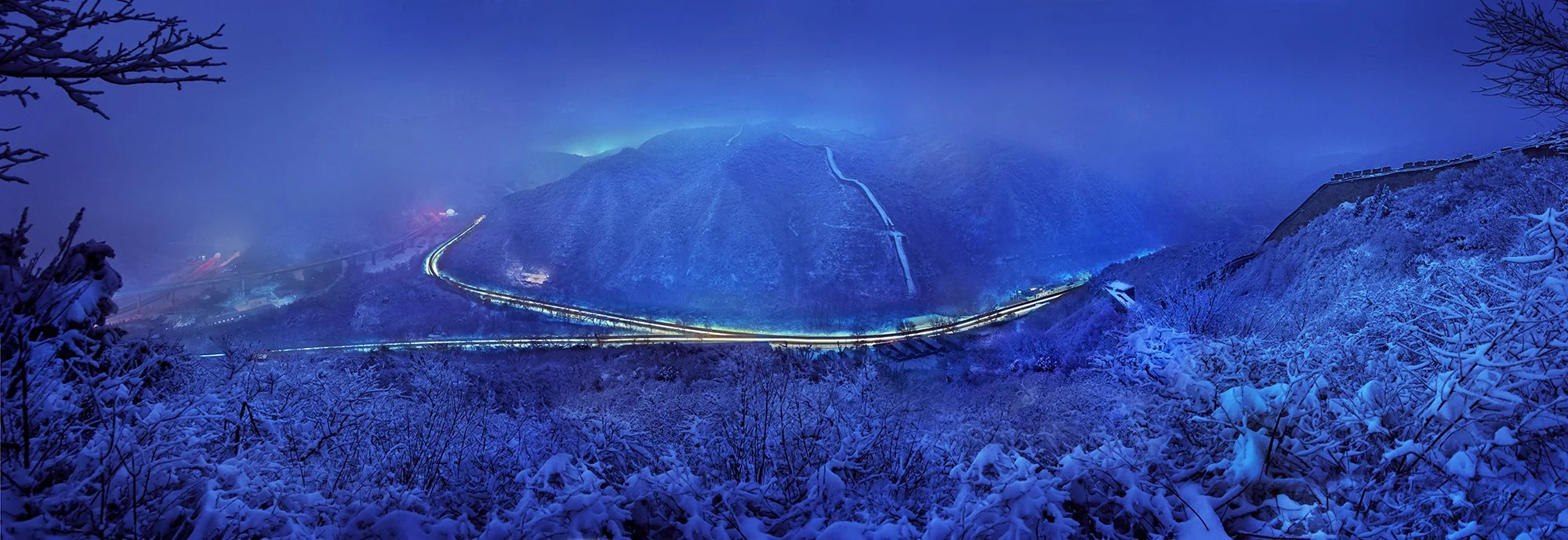
TrainsChaser is an independent photographic and documentary archive dedicated to rescuing, recording, and showcasing global railway heritage.
The founder, Wang Wei, born in 1990, is an independent railway researcher. Since his youth, he has walked this path alone for 24 years, focusing on railway photography and historical research. He has consistently adhered to activist documentary photography and independent field research, conducting comprehensive, carpet-style surveys of China's pre-1949 historical railways. To date, he has traveled over 200,000 kilometers, visited more than 30 countries, field-inspected over 3,000 historic stations, and successfully pushed for 30 railway heritage sites to be included in official cultural relics protection. His research and photographic achievements have been featured by top international media outlets, including the BBC, CNN, and National Geographic China.
Railways have never been cold historical coordinates; they are the vivid tracks left by civilization across the wilderness. When you measure them with your feet and gaze at them through a lens, those forgotten station buildings and steel rails cease to be mere history—they become a breathing epic of civilization.