
Beijing Resident Seeks Heritage Protection for Changping's Only “Blockhouse-Style Water Tower”
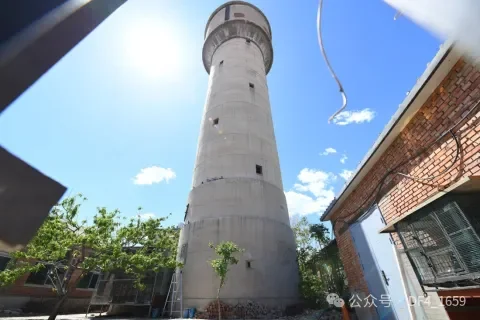
Photo: Water tower near Nankou Railway Station
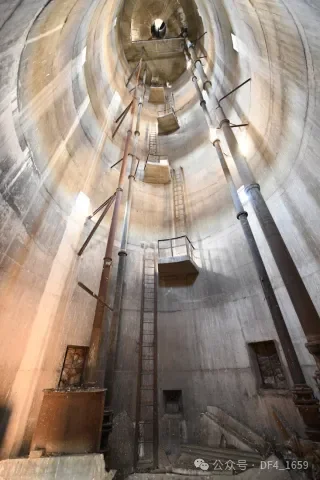
Photo: Interior of the water tower
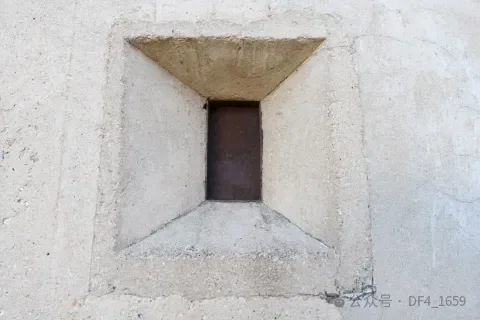
Photo: An observation opening in the base of the water tower
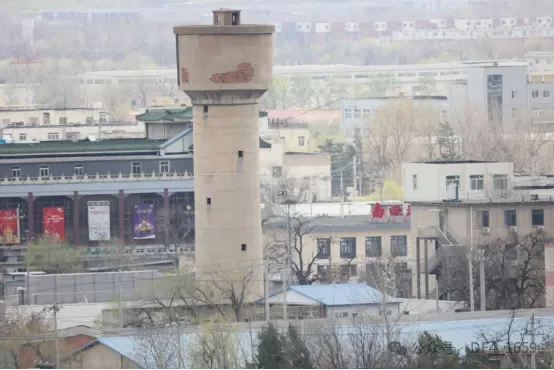
Photo: Water tower near Nankou Railway Station
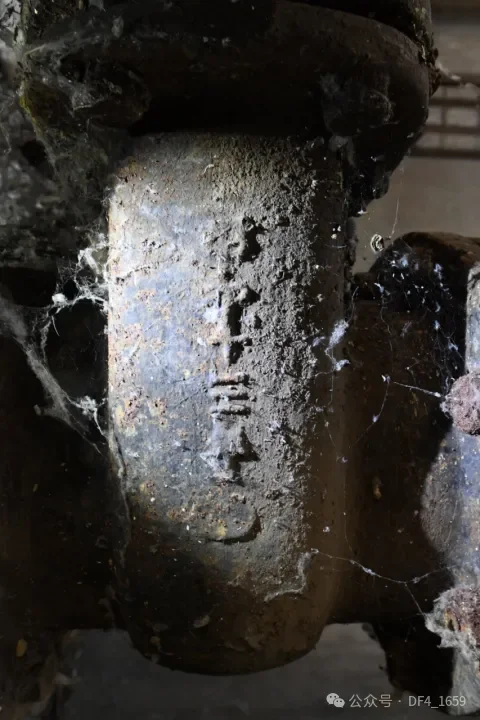
Photo: Raised inscription reading “Shōwa 13” (昭和十三年—1938)
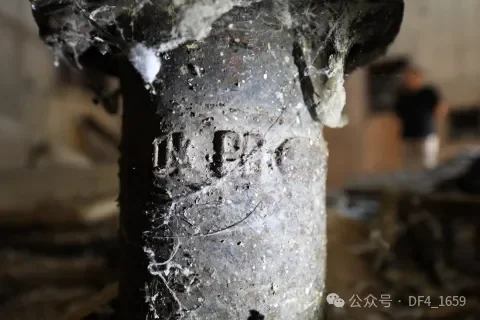
Photo: Another Shōwa-era inscription discovered inside the tower
Reported by Beijing Youth Daily, October 16, 2026.
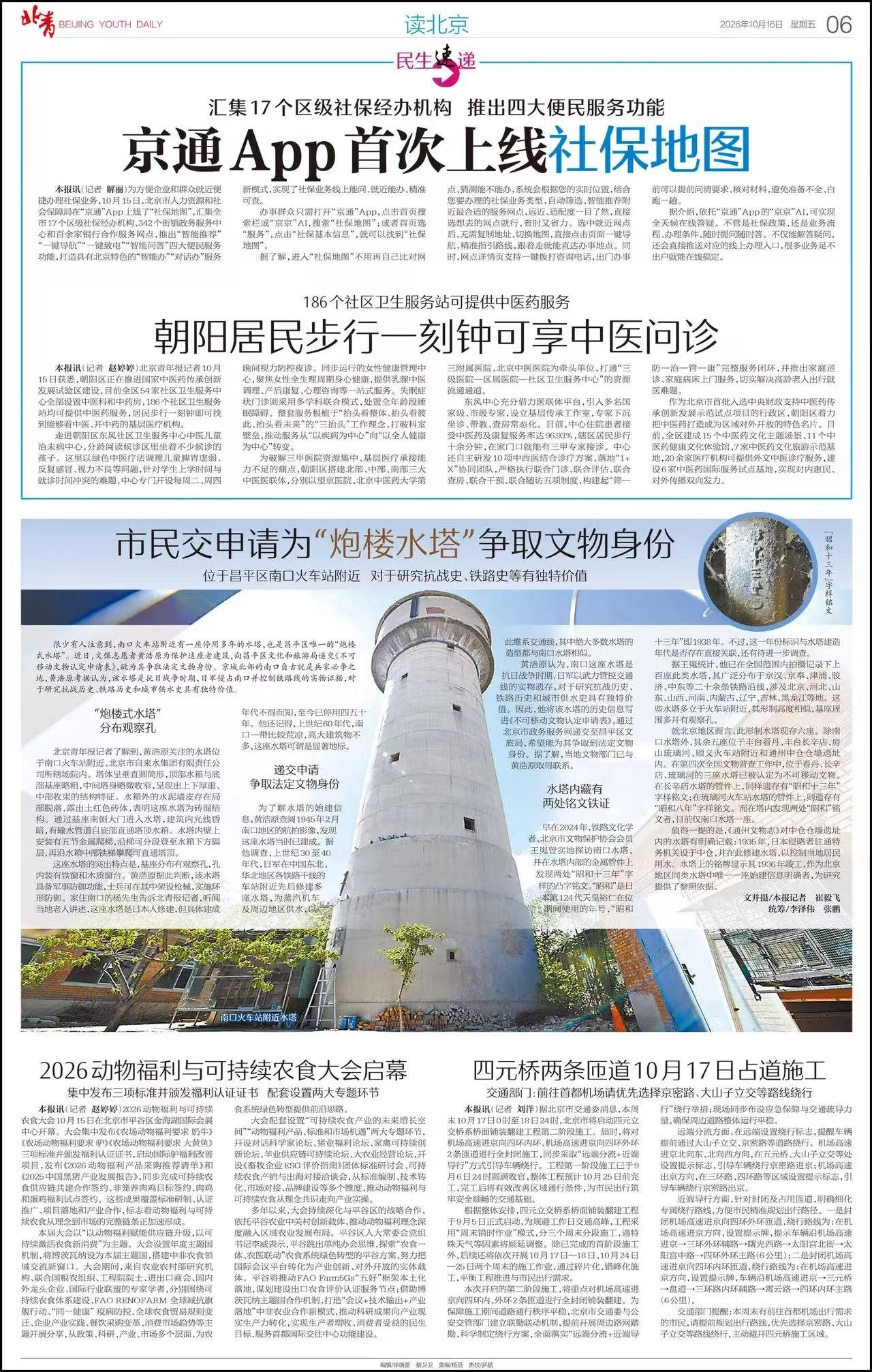
Few people have noticed that a long-disused water tower near Nankou Railway Station is the only surviving example of a “blockhouse-style water tower” in Beijing's Changping District.
Recently, heritage conservation volunteer Huang Haoyuan submitted an Application for the Recognition of Immovable Cultural Heritage to the Changping District Bureau of Culture and Tourism, seeking official heritage designation for the historic structure.
According to Huang's research, Nankou, situated to the north of Beijing, has historically been a strategically important military location. He believes the water tower provides physical evidence of the Japanese military's occupation of Nankou and its control over railway lines during the Second Sino-Japanese War (1937–1945). The structure therefore holds distinctive historical value for research into the war, railway development, and urban water supply systems.
A “Blockhouse-Style Water Tower” with Firing Ports
According to the Beijing Youth Daily, the water tower is located near Nankou Railway Station, within a compound administered by Beijing Waterworks Group Co., Ltd.
The tower has a cylindrical form, with a slightly wider water tank at the top and a broader base, while the central shaft is somewhat narrower. This gives the structure a distinctive profile, with substantial upper and lower sections and a recessed middle.
Sections of the cement plaster covering the water tank have deteriorated, exposing reddish-brown bricks beneath and revealing the tower's brick-and-concrete construction.
Entering through the main doorway on the southern side of the base, visitors encounter a dimly lit interior. A water pipe extends from the bottom of the structure directly to the elevated tank.
Five sections of metal ladders are installed along the interior wall, providing access to an intermediate platform beneath the water tank. From there, an additional iron ladder running through the center of the tank provides access to the top.
One of the tower's most distinctive features is the presence of observation openings around its base, fitted with iron window frames and wooden sills.
Huang believes these openings indicate that the structure was also designed for military defense, allowing soldiers to position firearms inside and establish a 360-degree defensive field of fire.
A local resident surnamed Yang, who lives in Nankou, told the Beijing Youth Daily that he had heard from older residents that the tower was constructed by the Japanese, although its exact construction date remains unknown.
According to Yang, the tower has been out of service for approximately 40 to 50 years.
He also recalled that during the 1960s, the Nankou area was relatively undeveloped, with few tall buildings. The water tower therefore stood out as a prominent local landmark.
Application Submitted to Secure Official Heritage Status
To investigate the tower's origins, Huang examined aerial photographs of the Nankou area taken in February 1945 and confirmed that the structure was already standing at that time.
His research indicates that during the 1930s and 1940s, Japanese forces constructed numerous water towers near railway stations along major railway lines across northeastern and northern China.
These towers supplied water to steam locomotives and surrounding communities, helping sustain the operation of strategically important transportation corridors. The majority shared architectural characteristics similar to those of the Nankou water tower.
Huang considers the Nankou water tower a surviving physical remnant of the Japanese military's wartime control over railway transportation routes.
He believes that the structure has distinctive significance for studying the history of the Second Sino-Japanese War, railway development, and urban water supply infrastructure.
Huang therefore compiled the tower's historical information in an Application for the Recognition of Immovable Cultural Heritage and submitted it to the Changping District Bureau of Culture and Tourism through Beijing's online government services portal.
His aim is to secure formal recognition of the structure as an immovable cultural heritage site under Chinese law.
Local cultural heritage authorities have reportedly contacted Huang regarding the application.
Two Historical Inscriptions Discovered Inside the Water Tower
As early as 2024, railway heritage researcher Wang Wei, a member of the Beijing Cultural Heritage Protection Association, conducted a field investigation of the Nankou water tower.
During his visit, Wang discovered two raised inscriptions reading “Shōwa 13” (昭和十三年) on metal pipe fittings inside the structure.
“Shōwa” was the Japanese era name used during the reign of Emperor Hirohito, Japan's 124th emperor. The 13th year of the Shōwa era corresponds to 1938.
However, further investigation is required to determine whether the dates on these fittings are directly related to the construction of the water tower itself.
According to Wang's research, he has photographed and documented more than 100 water towers of this type across China.
These structures are distributed along more than 20 railway lines, including the Beijing–Hankou Railway, Beijing–Fengtian Railway, Tianjin–Pukou Railway, Jiaoji Railway (Qingdao–Jinan), and Chinese Eastern Railway.
They are found across a wide geographical area encompassing Beijing, Hebei, Shandong, Shanxi, Henan, Inner Mongolia, Liaoning, Jilin, Heilongjiang, and other regions.
Most stand near railway stations and share remarkably similar architectural designs, particularly the presence of firing ports around their bases.
Within Beijing, six water towers of this type remain.
In addition to the Nankou tower, the other five are located at:
Kandan, Fengtai District
Changxindian, Fengtai District
Liulihe, Fangshan District
Near Shunyi Railway Station
Within the remains of the Zhongcang warehouse walls in Tongzhou District
During China's Fourth National Survey of Cultural Heritage, the three towers at Kandan, Changxindian, and Liulihe were officially recognized as immovable cultural heritage sites.
Pipe fittings inside the Changxindian water tower also bear the inscription “Shōwa 13” (1938), while fittings inside the Liulihe Railway Station water tower carry the inscription “Shōwa 8” (1933).
Among the known examples, however, the Nankou water tower is currently the only one in which two separate Shōwa-era inscriptions have been discovered.
Notably, the Tongzhou Cultural Heritage Gazetteer (Tongzhou Wenwu Zhi) provides explicit historical documentation concerning the water tower within the Zhongcang warehouse wall remains.
According to the gazetteer, in 1935, the Japanese occupying forces established a special intelligence agency at Zhongcang and constructed a water tower there to control the local population's water supply.
An inscription plaque on the tower indicates that construction was completed in 1936.
As the only surviving water tower of this type in Beijing with clearly documented construction information, the Zhongcang example provides an important reference for further research into similar structures.
Original reporting and photography: Cui Yifei, Beijing Youth Daily
Editor: Liu Zhongyu
Supervising Editor: Ni Jianing
