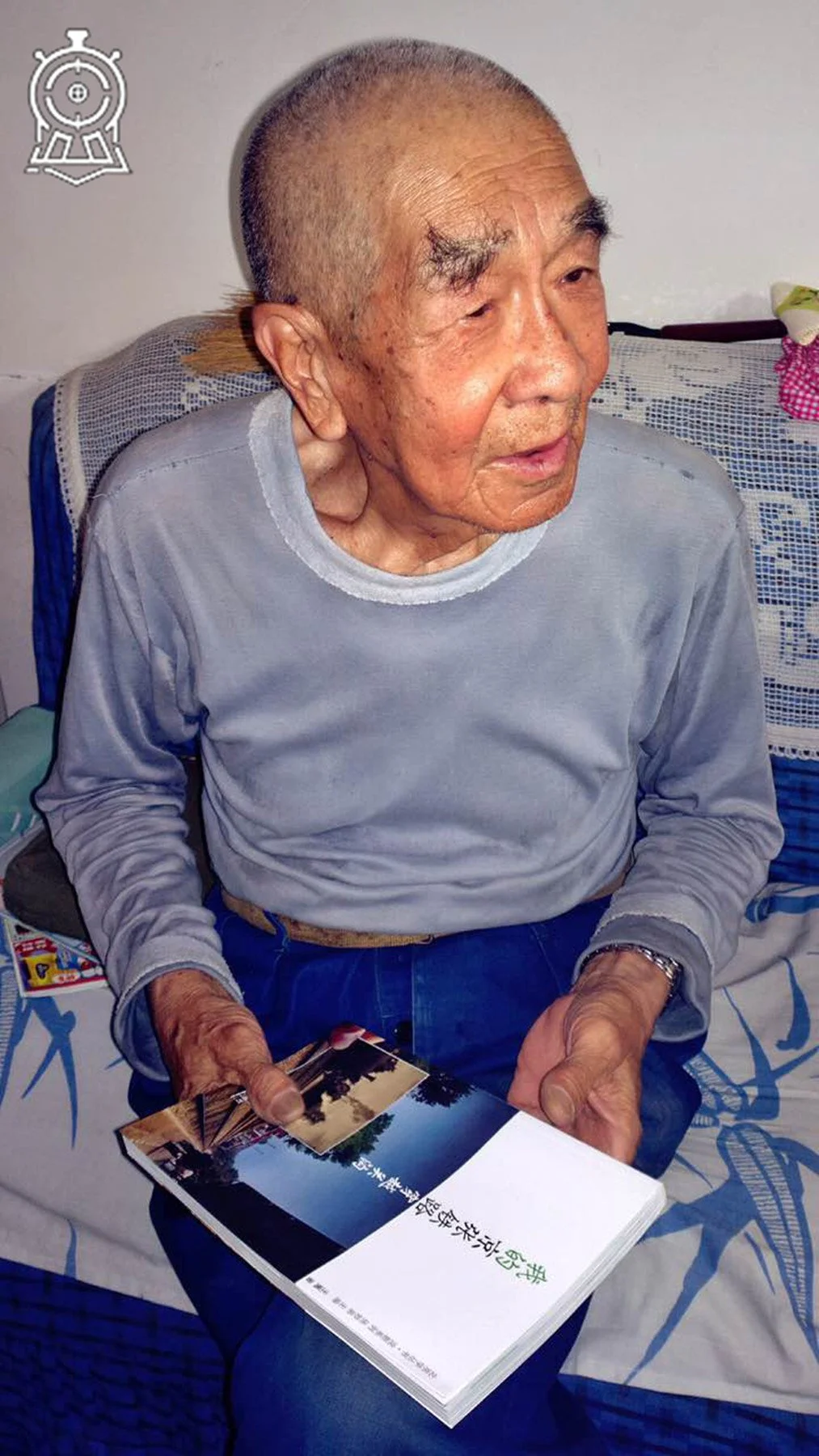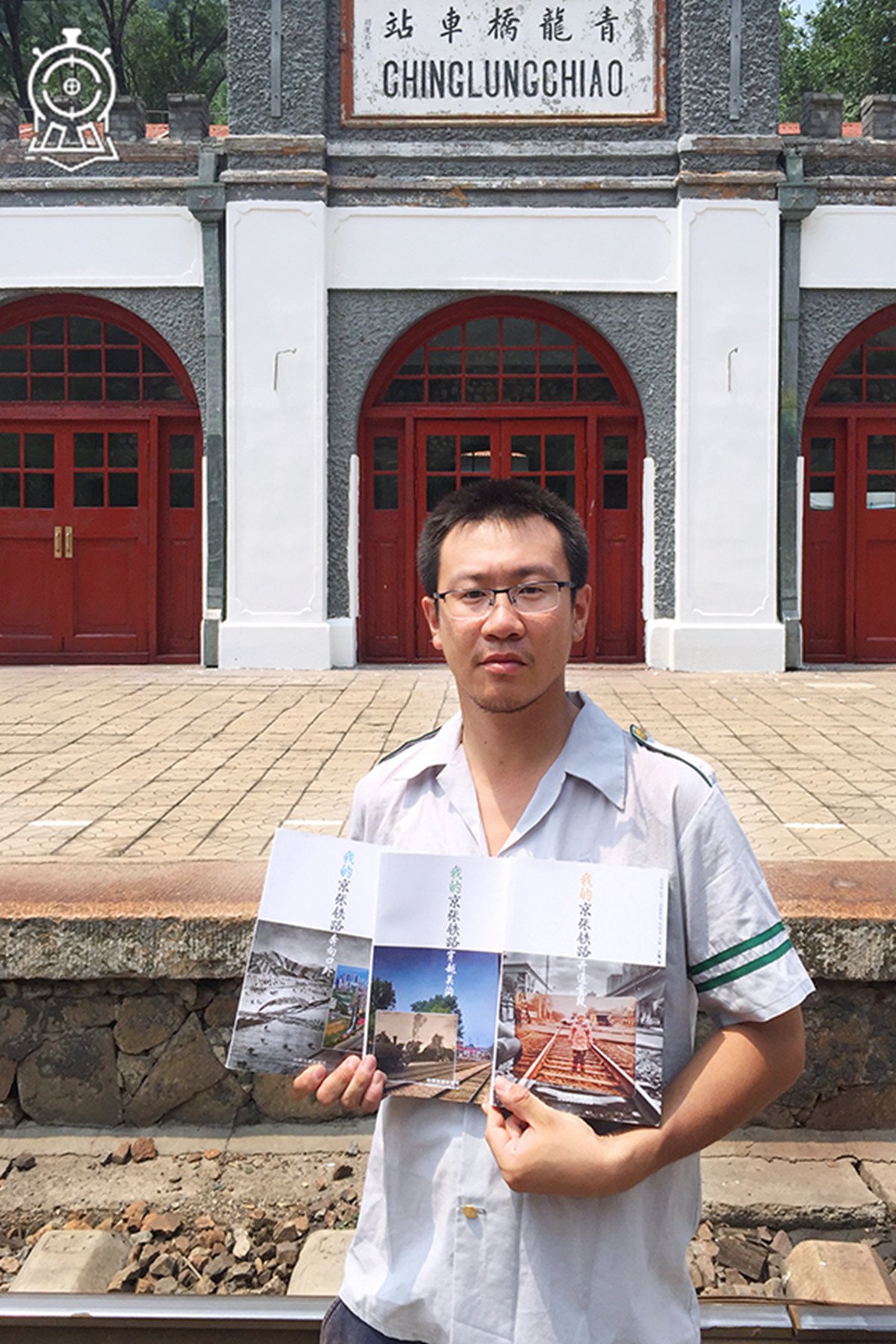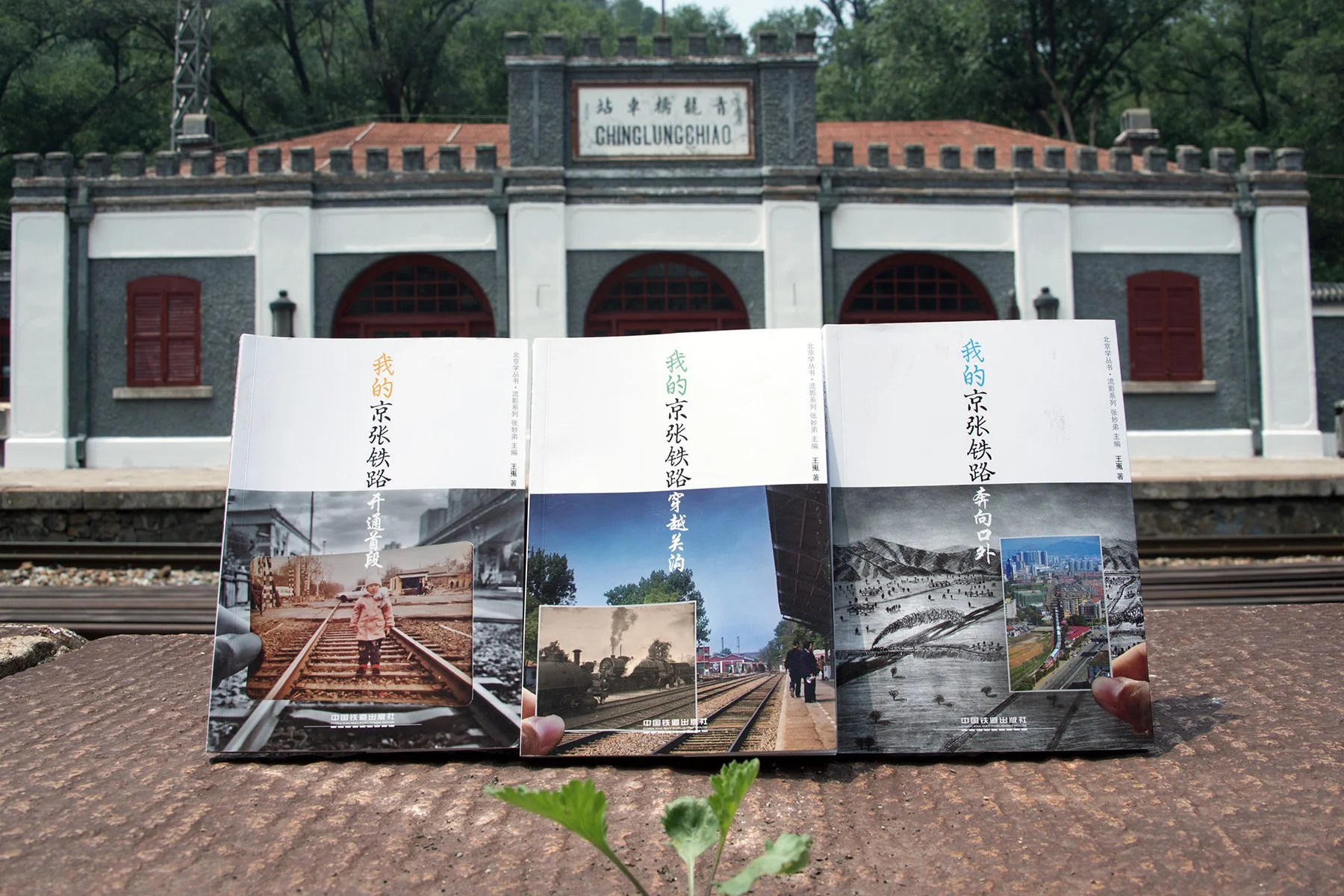
My Beijing-Zhangjiakou Railway (3-volume set) was published in June 2017.
A Century-Spanning Trajectory: My Beijing-Zhangjiakou Railway Fieldwork Notes
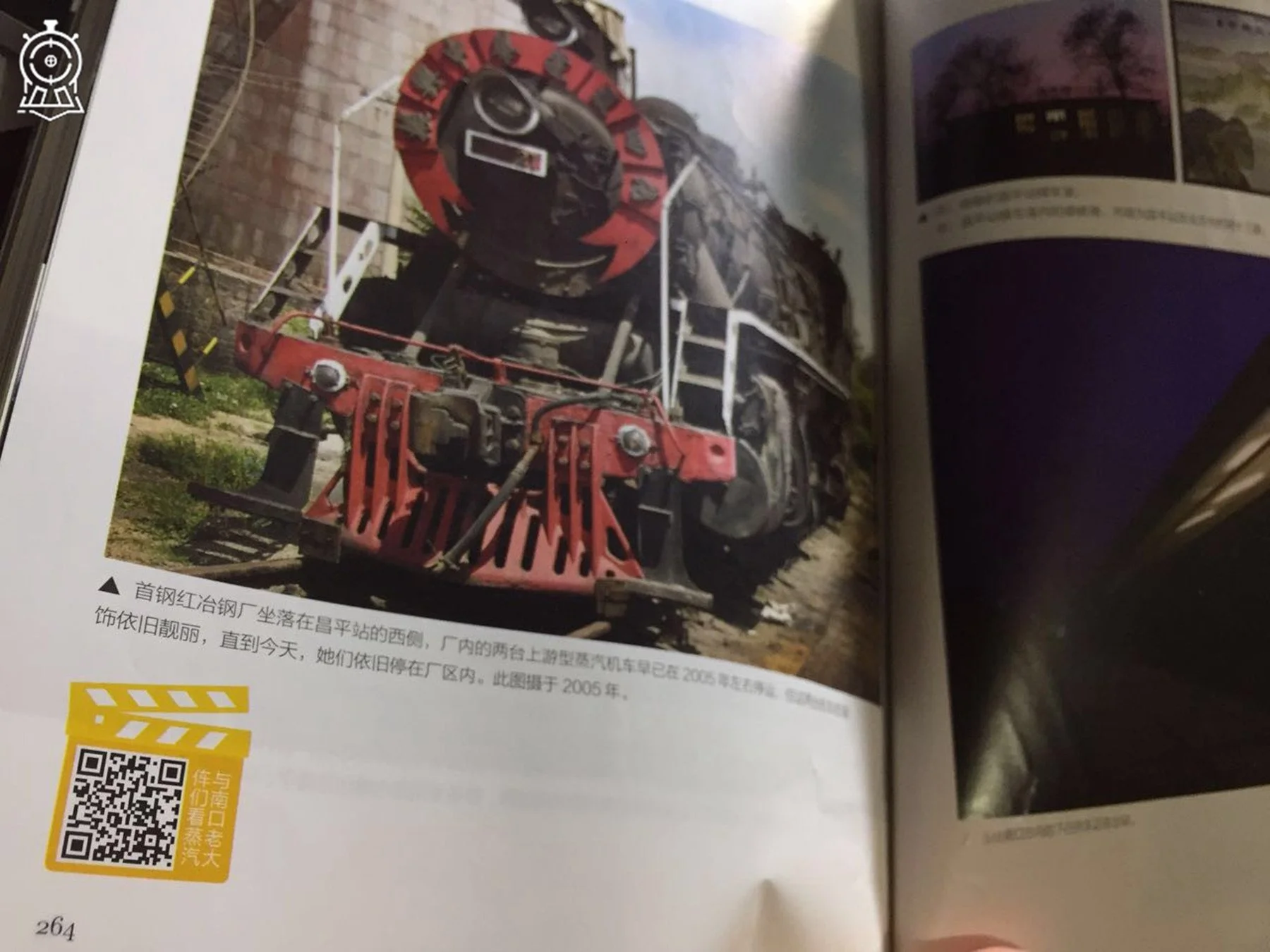
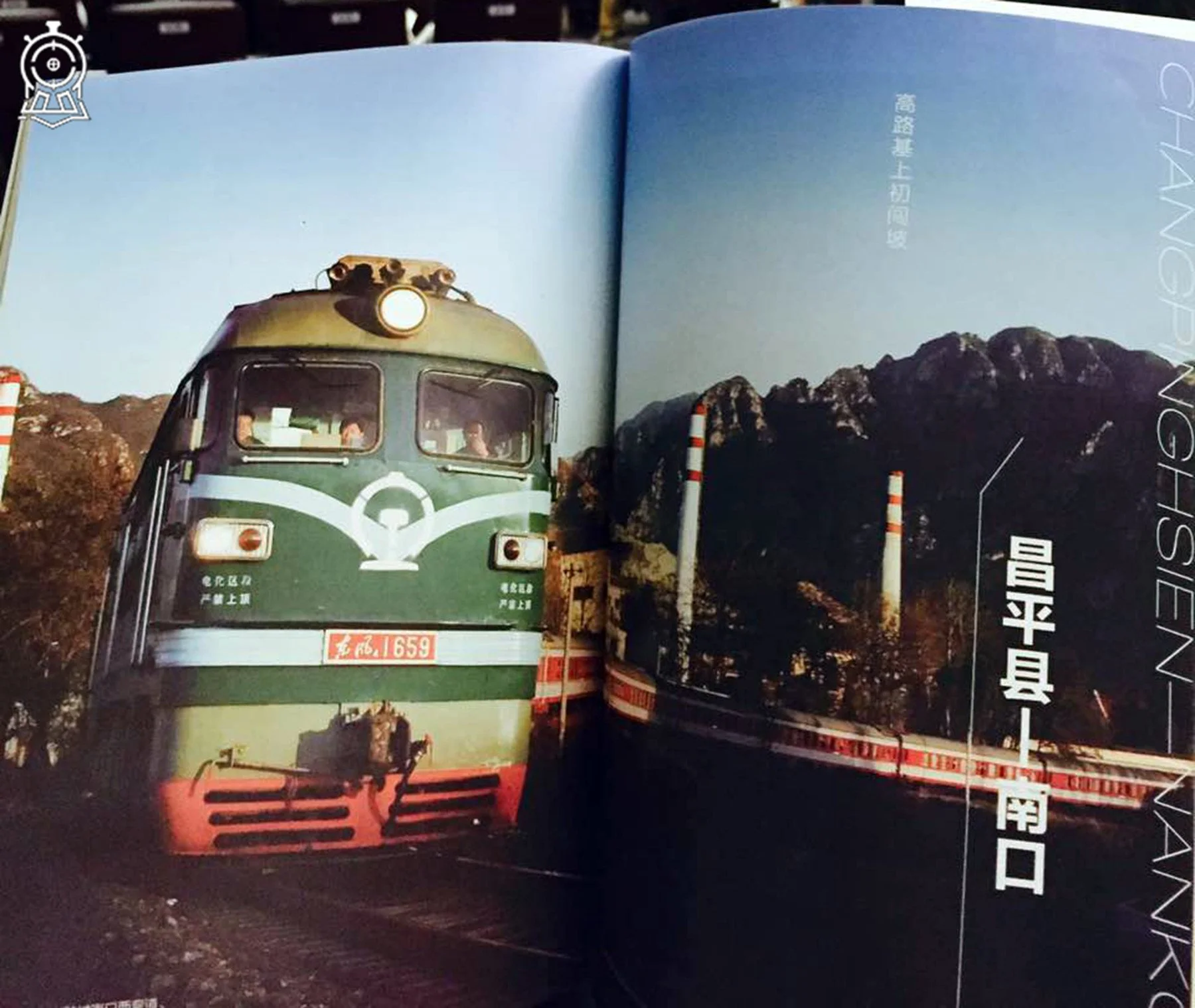
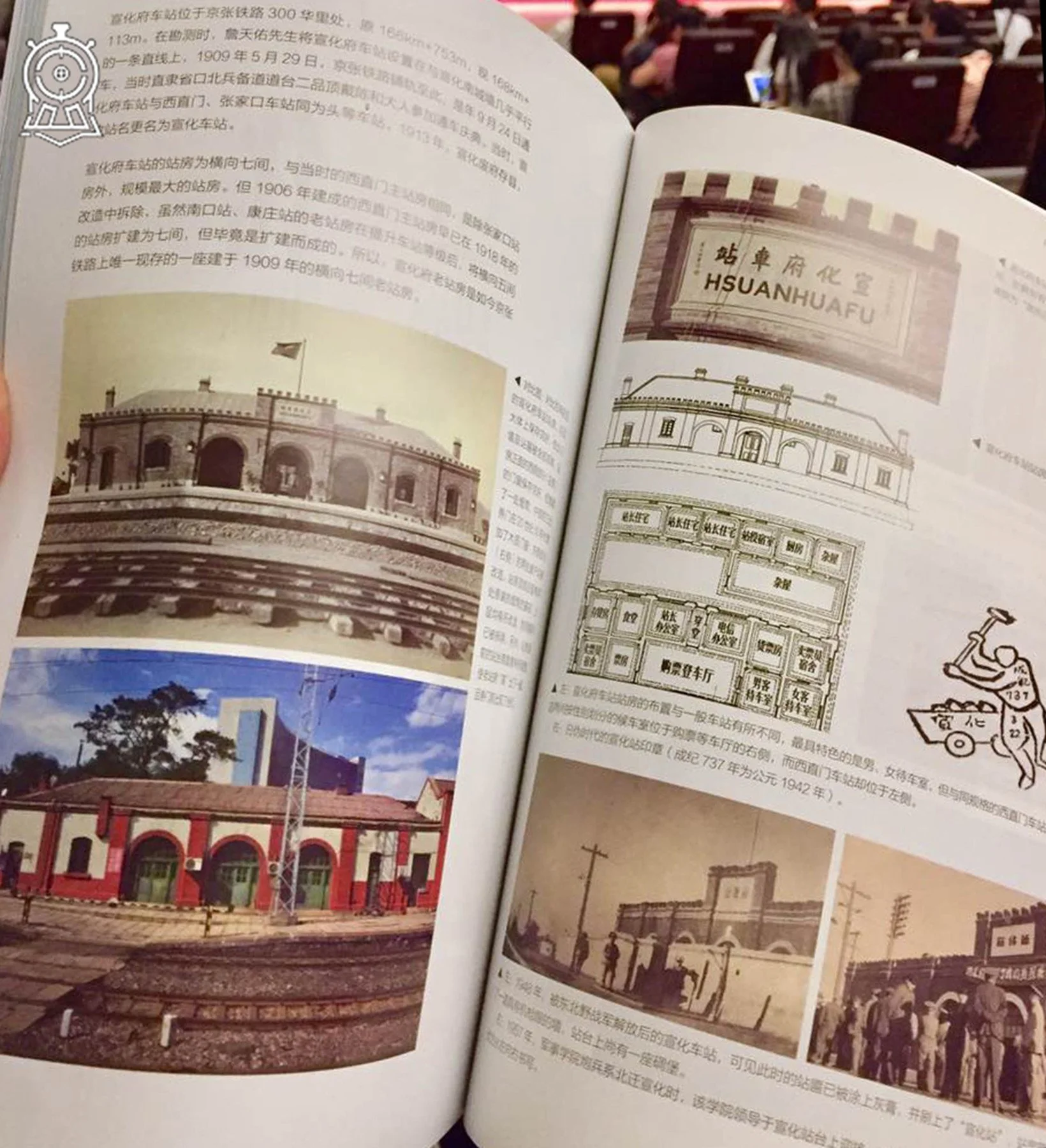
My Beijing-Zhangjiakou Railway is not merely a history of the railway; it is author Wang Wei's affectionate confession poured into over a decade of dedication to China's first trunk railway built independently by the Chinese. Divided into three volumes—Opening the First Section, Crossing the Guanguan Valley, and Heading Beyond the Great Wall—the book spans from the starting point at Liucun in Fengtai to the terminal at Zhangjiakou, constructing a moving "online museum" through 400,000 words, over 3,000 precious images, and a hundred oral history videos.
From Childhood Memories to Cultural Guardianship Wang Wei's affinity for the Beijing-Zhangjiakou Railway began with his childhood memories of living beside the tracks, from his initial photographs taken at Xizhimen Station to starting systematic photographic records in 2002. As urban development led to the successive disappearance of historic sites such as the century-old Zhangjiakou locomotive depot and Mentougou station building, this personal photographic hobby evolved into a race-against-time heritage census action. He realized that simply "taking pretty pictures" was not enough; he had to unearth the story behind every brick and stone through a rigorous academic attitude.
Rigorous Field Investigation and Empirical Evidence Wang Wei adopted an extremely pure and arduous "walking survey method," setting out from Liucun in Fengtai to explore every single station building, water tower, coaling stage, tunnel, and culvert along the route.
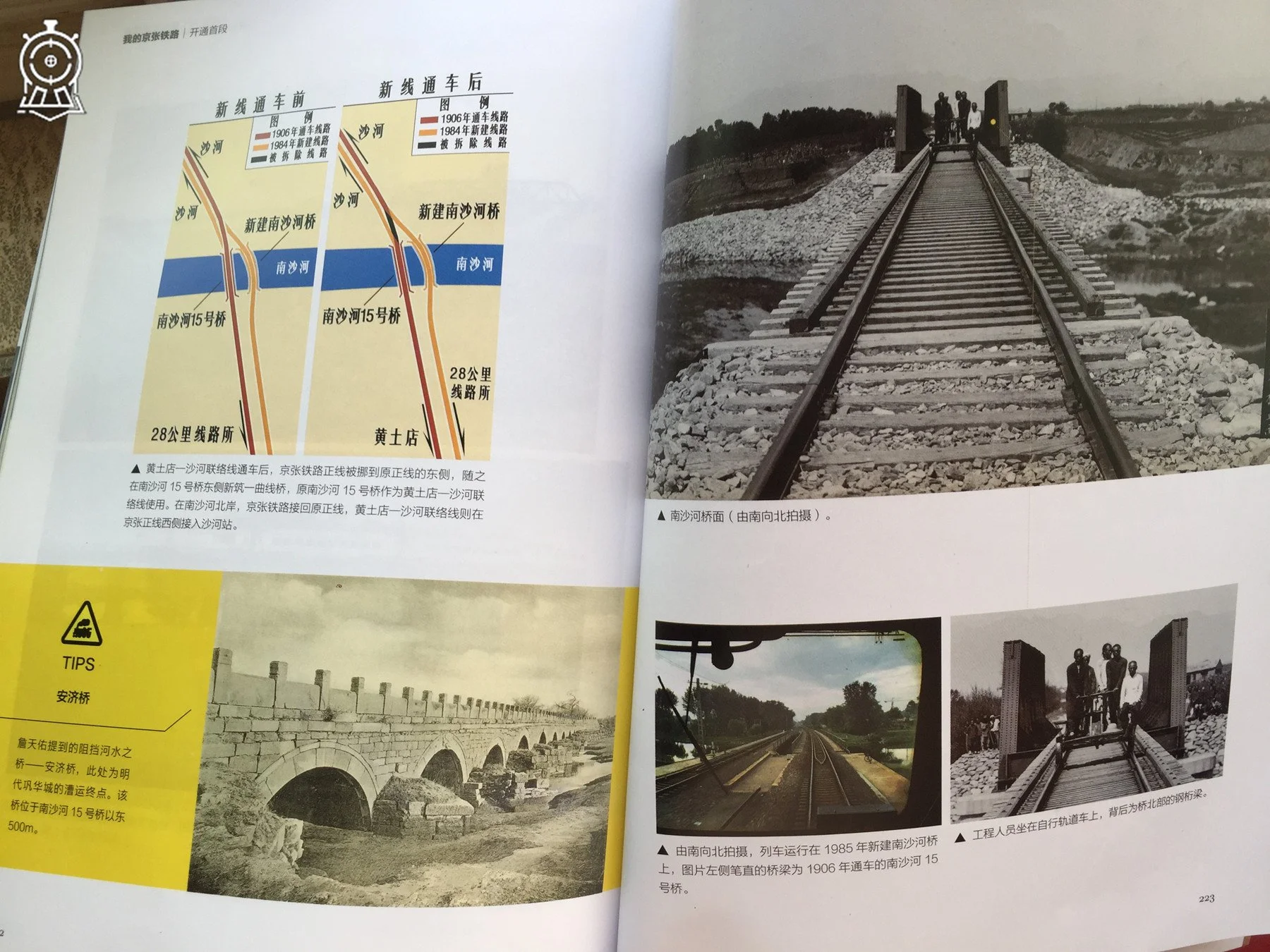
Documentary Correction: He discovered that even in works such as The Engineering Chronicle of the Beijing-Zhangjiakou Railway personally authored by Jeme Tien Yow (Zhan Tianyou) or books by Jin Shixuan, there were minor chronological errors. Through the surveying, mapping, and comparison of physical structures, he was able to correct historical documents.
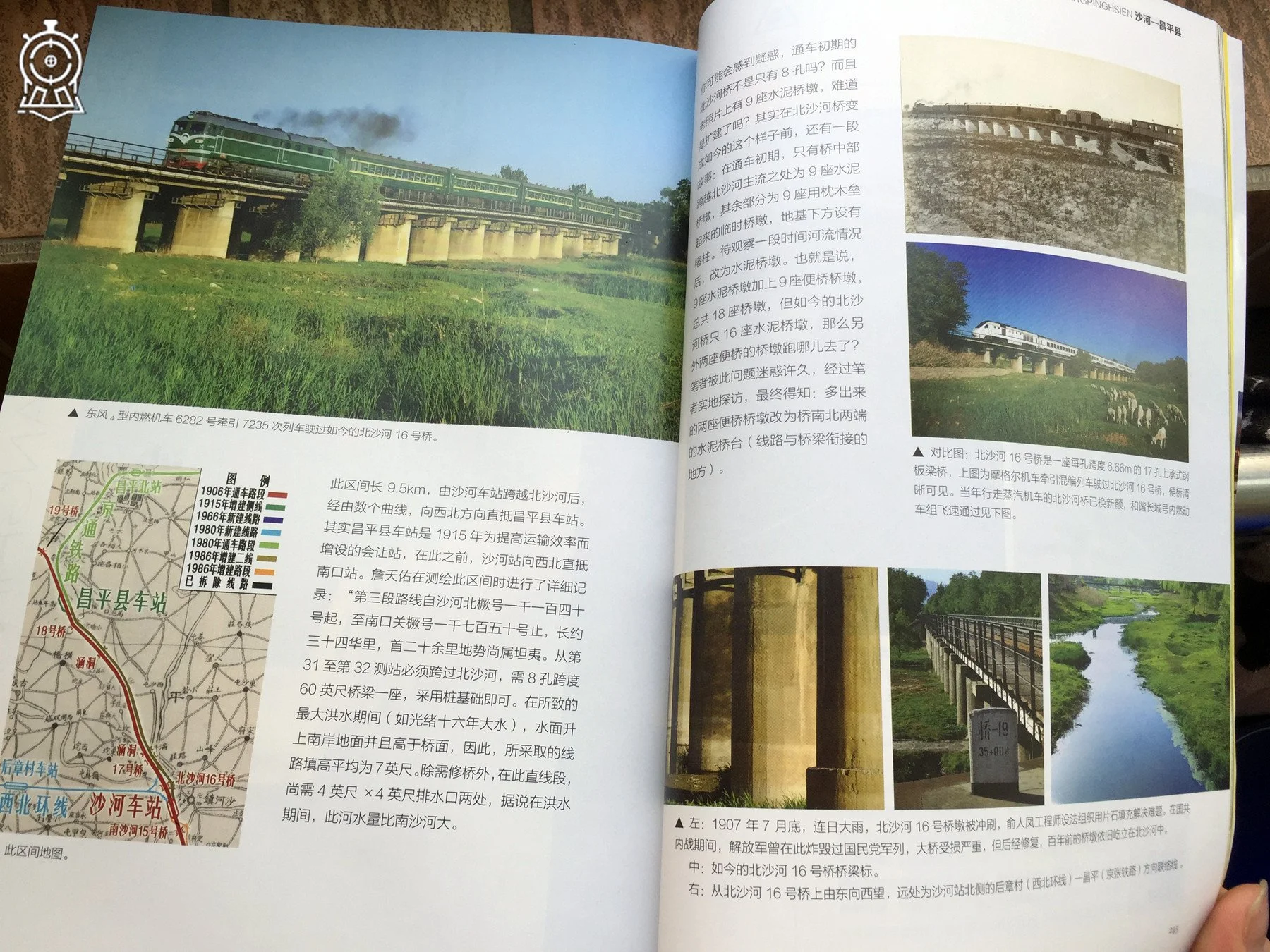
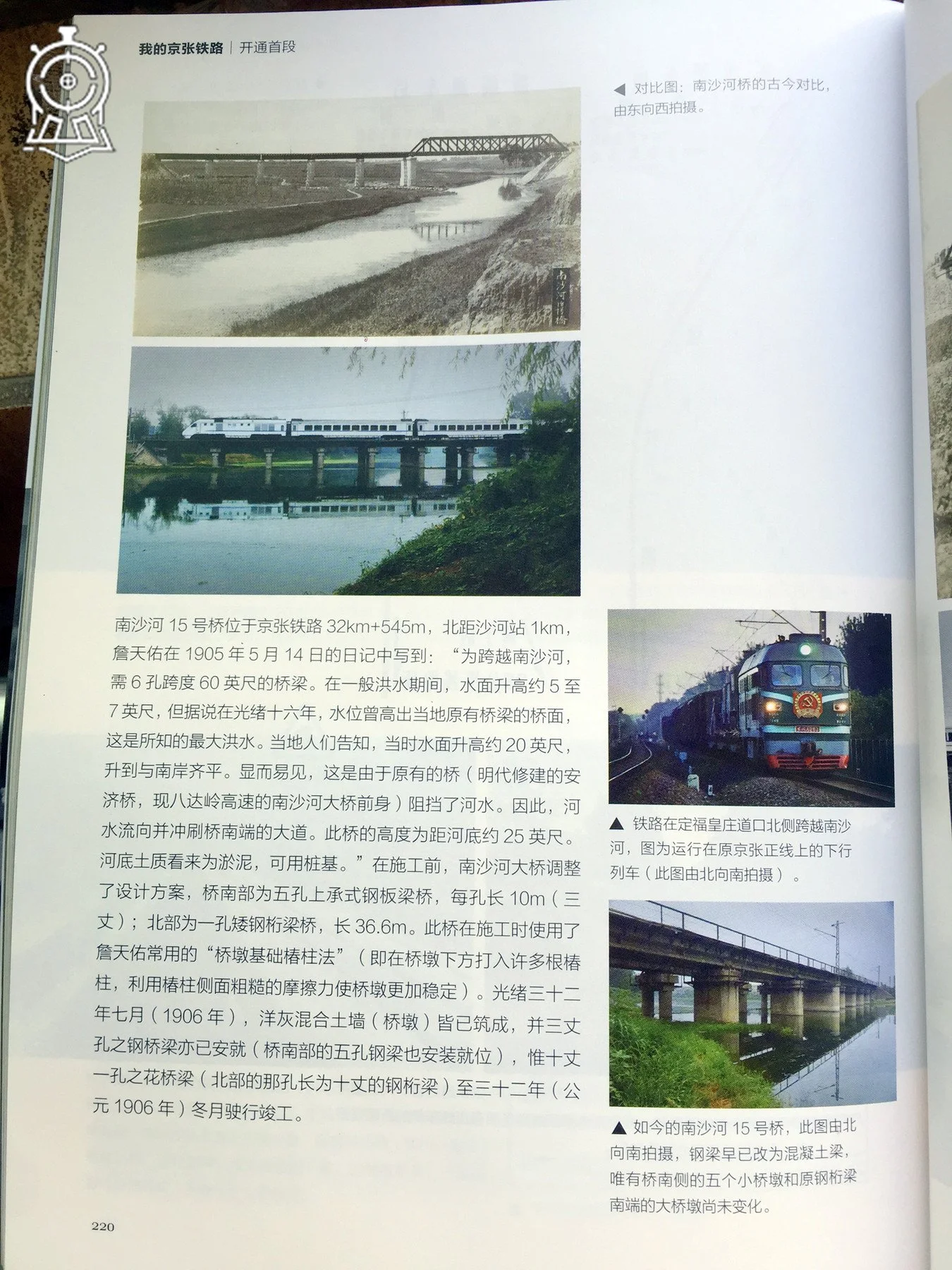
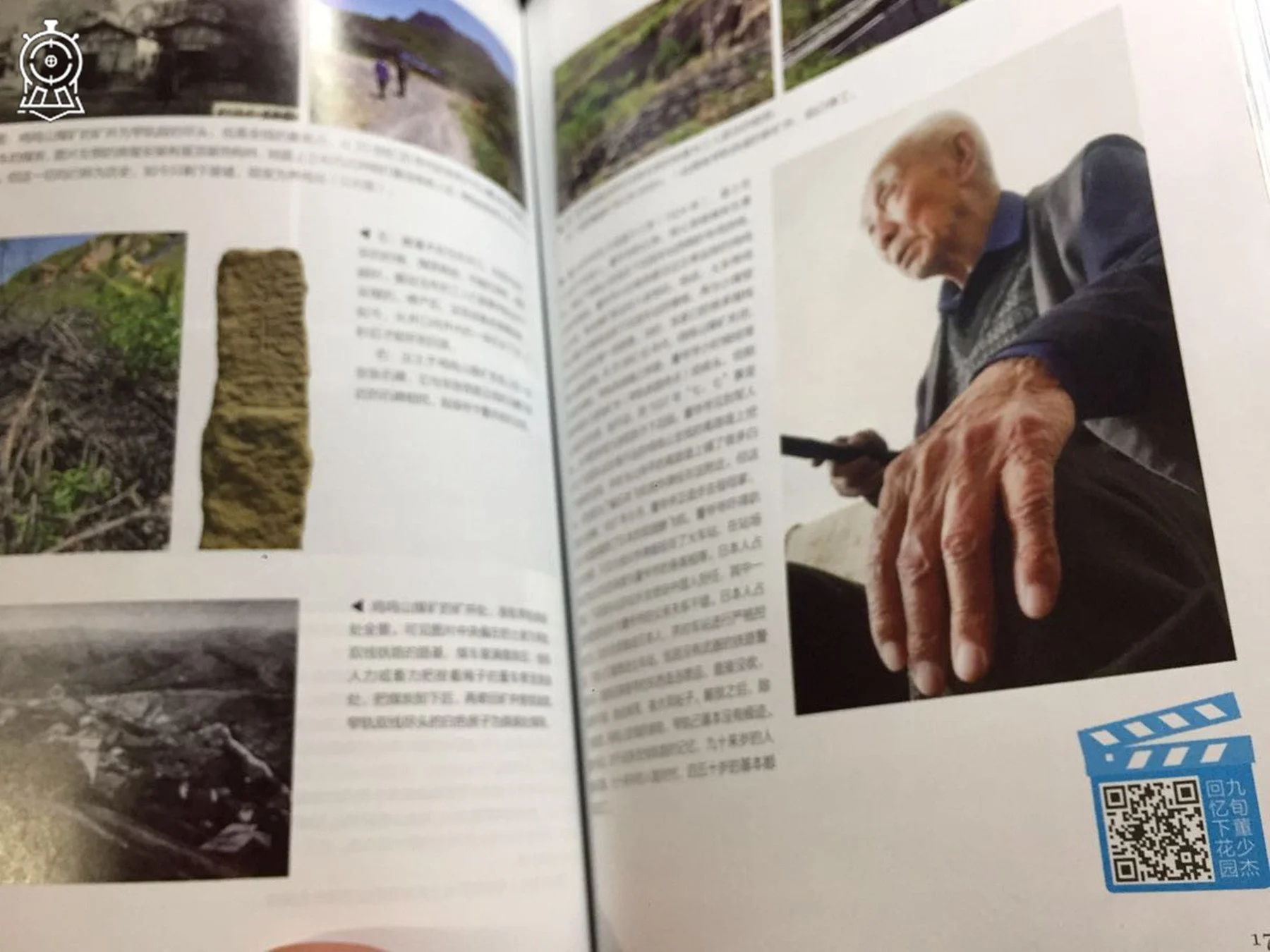
Detailed Discoveries: On the abutment of the demolished No. 70 bridge over the South Sha River, he discovered height-engraved characters reading "B.M.1601.30"; near Ningyuan Station, he found a 189-kilometer milestone covered in cement and marked with "Suzhou numerals." These tiny physical relics are the truest coordinates of history.
Dialogue Across Time and Space: Historical and Modern Imagery with Hand-Drawn Reconstructions
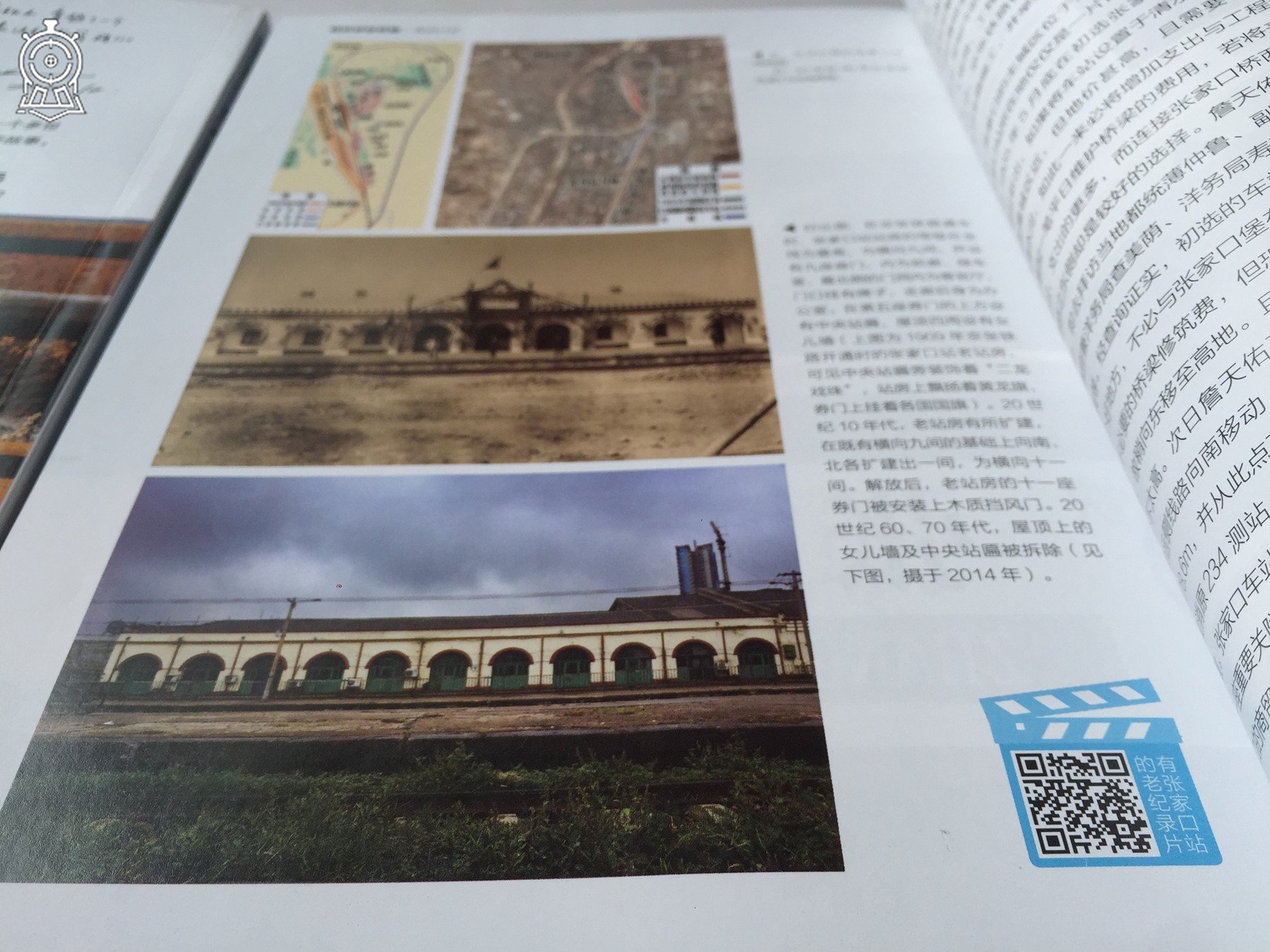
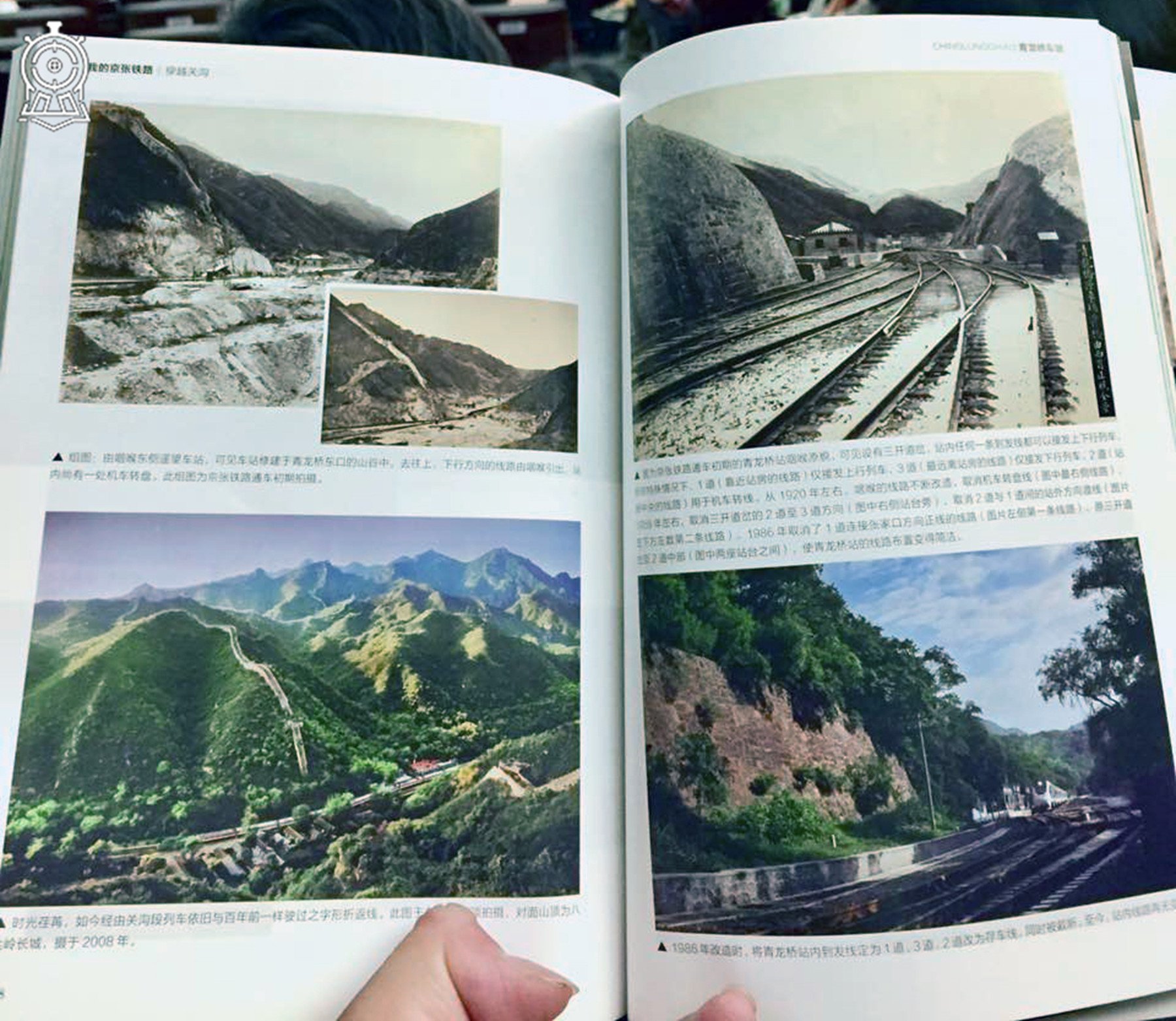
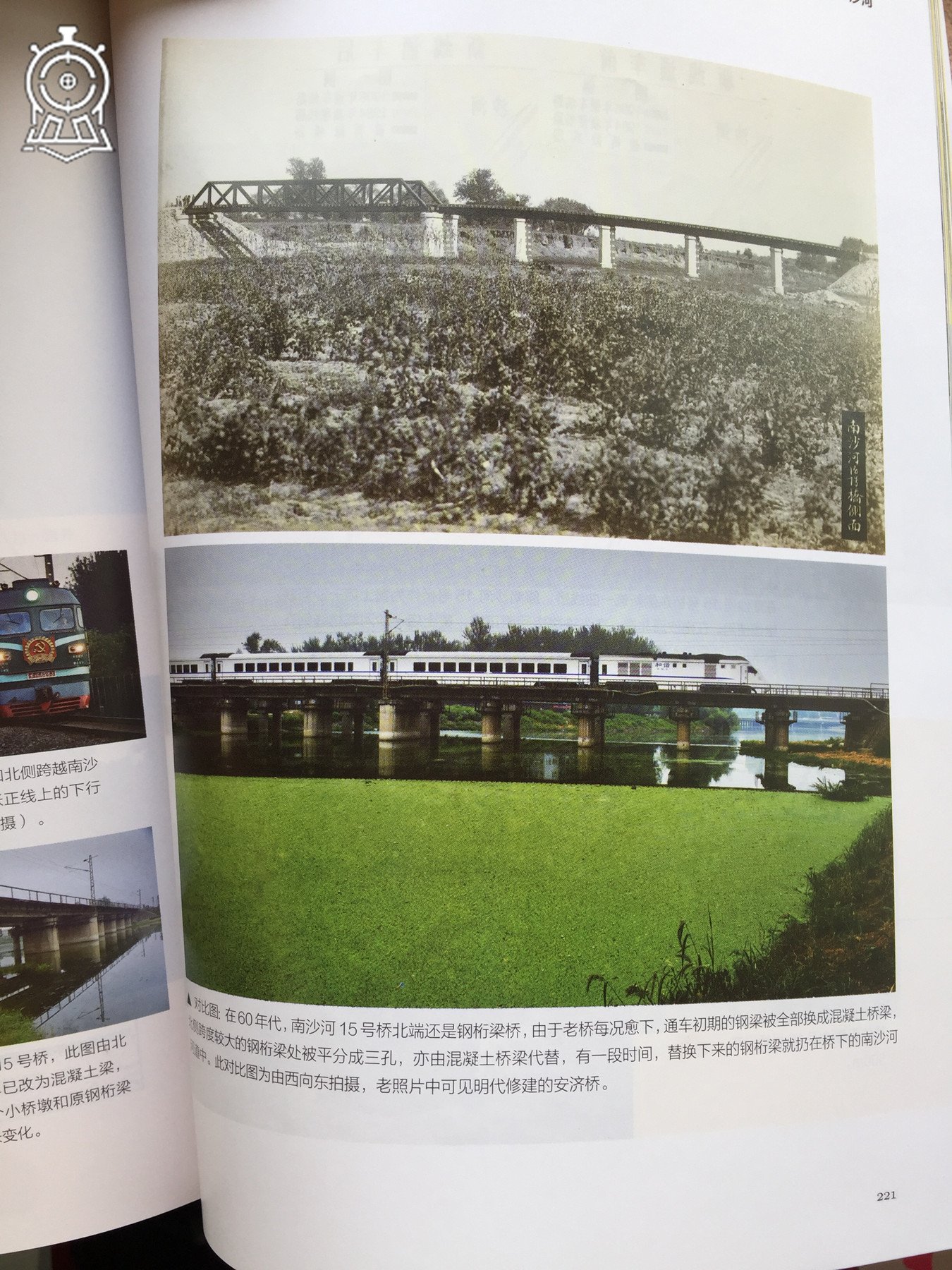
Same-Angle Comparison: Wang Wei accidentally discovered that the clarity of old photographs from the century-old Photographs of the Beijing-Zhangjiakou Railway Construction was no less than that of modern DSLRs. He deliberately sought out the exact spots where the photographers stood a century ago to conduct before-and-after comparisons from the same angle, allowing readers to experience a century of dramatic vicissitudes between turning pages.
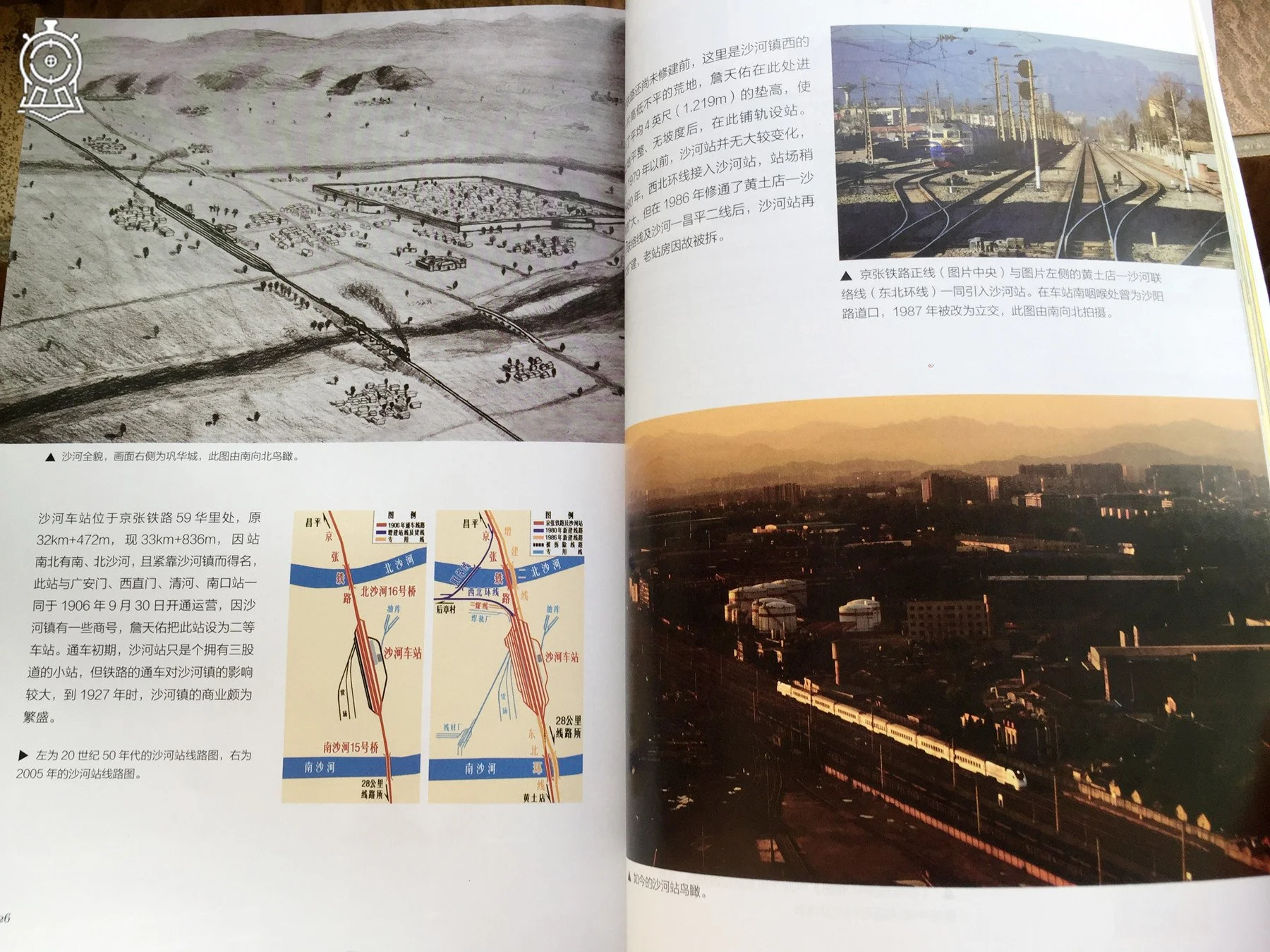
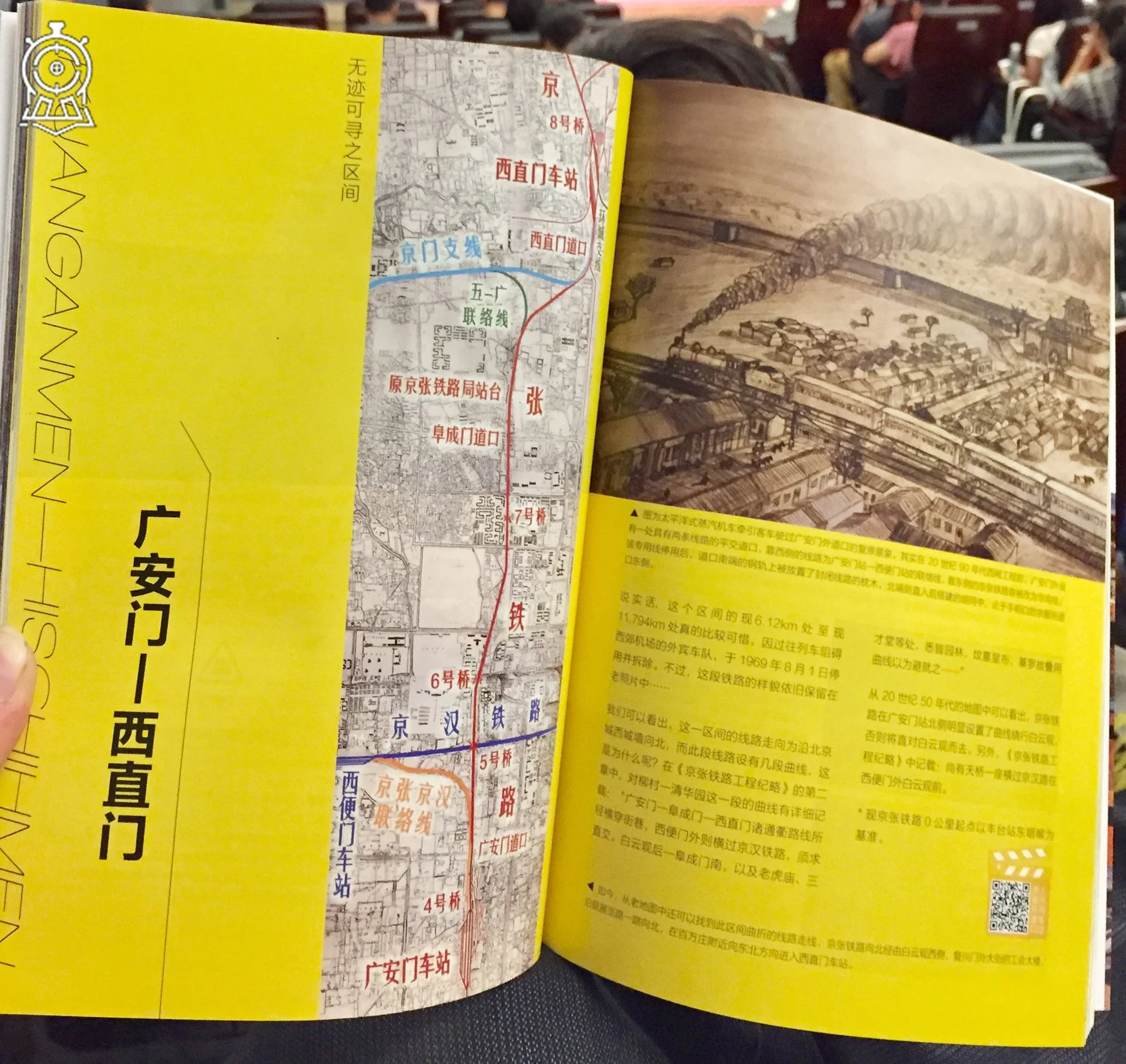
Visual Completion: For scenes lacking imagery due to historical reasons, Wang Wei used his fine arts background to hand-draw reconstructions based on topography, landforms, and old maps, such as the "Panorama of Xizhimen Station," the "Throat of the Qinglongqiao Switchback Line," and the vanished "Zhangjiakou Big Curve." Hand-drawn illustrations not only made up for the regrets of lacking aerial photography but also scientifically restored the industrial landscape of that era.
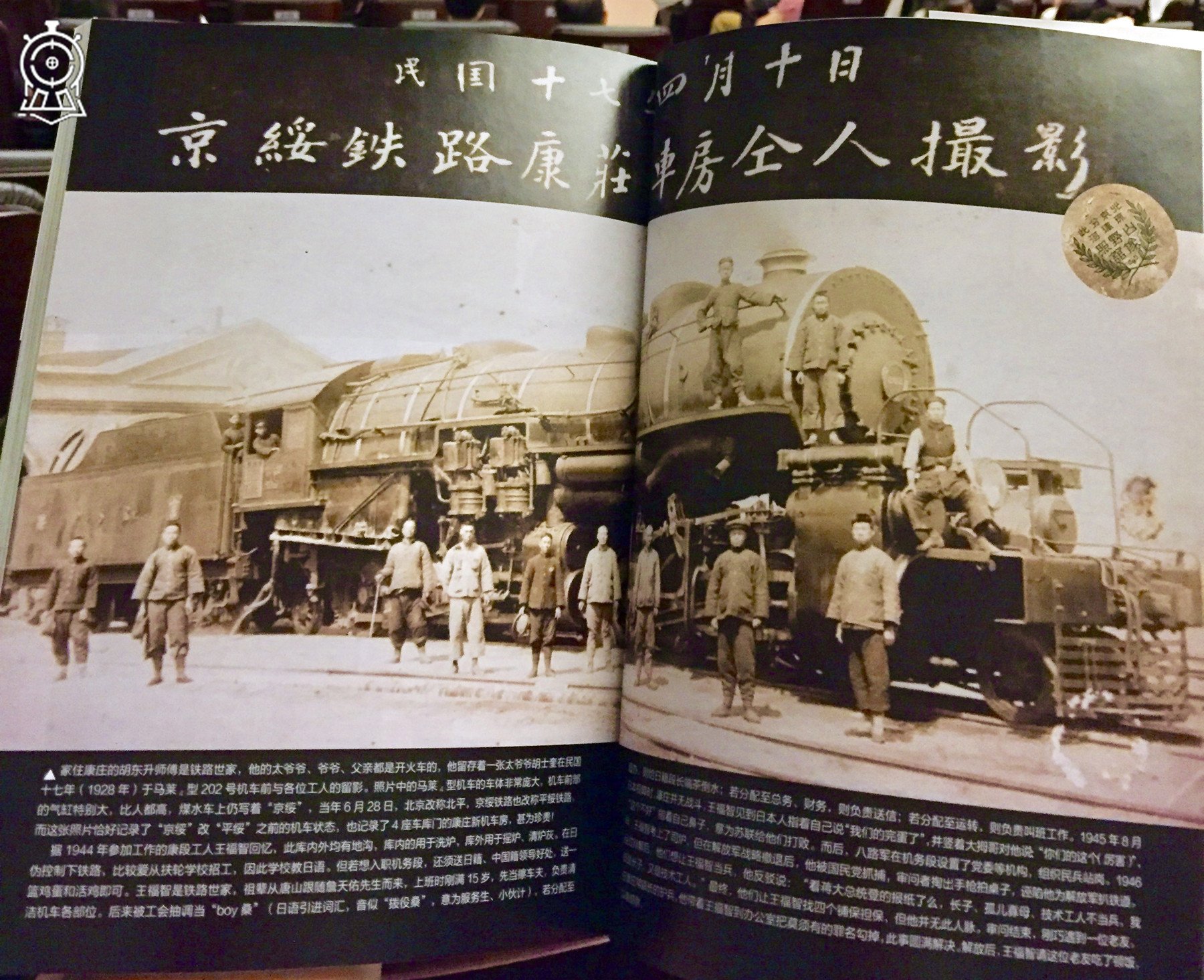
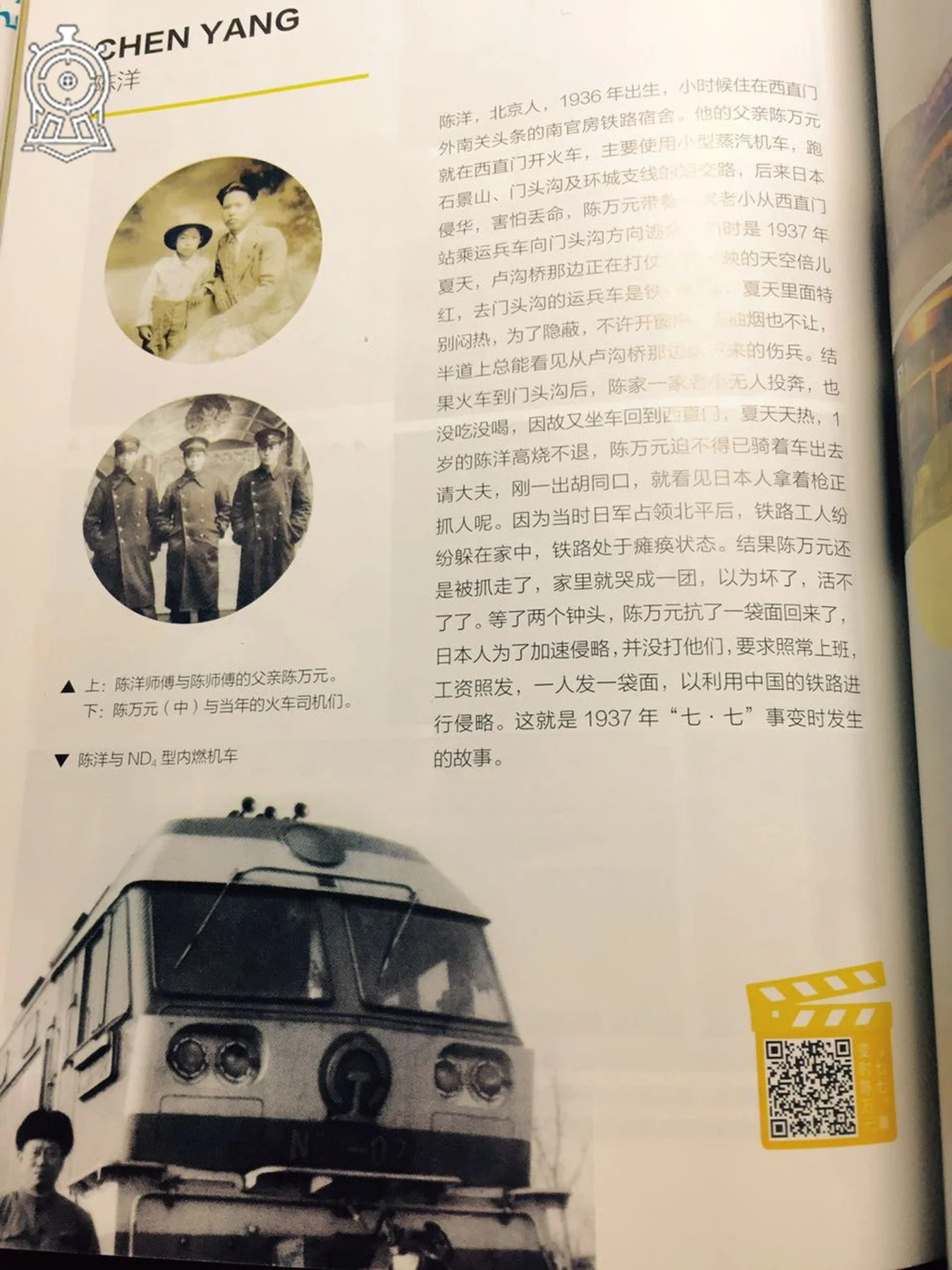
Oral History with Warmth The soul of a railway lies in its people. Wang Wei forged a friendship spanning over a decade with veteran drivers from the Nankou Locomotive Depot, recording many lesser-known past events.
The Ordeal of the Guanguan Section: Veteran drivers described the hardships of operating steam locomotives to challenge the steep slopes of Qinglongqiao—stokers had to shovel three to four tons of coal in an extremely short period, and the high temperature inside the cab was enough to scorch the skin.
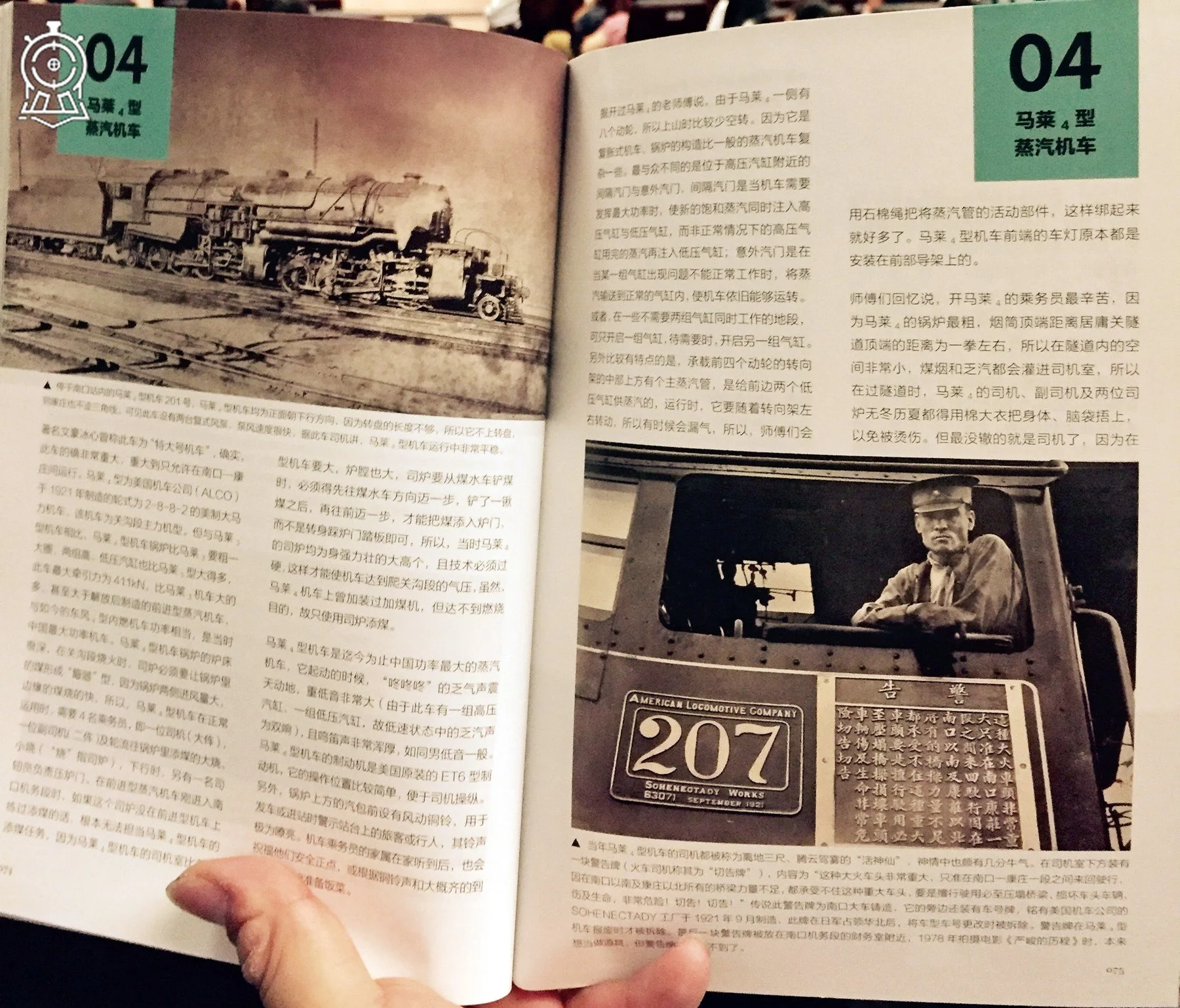
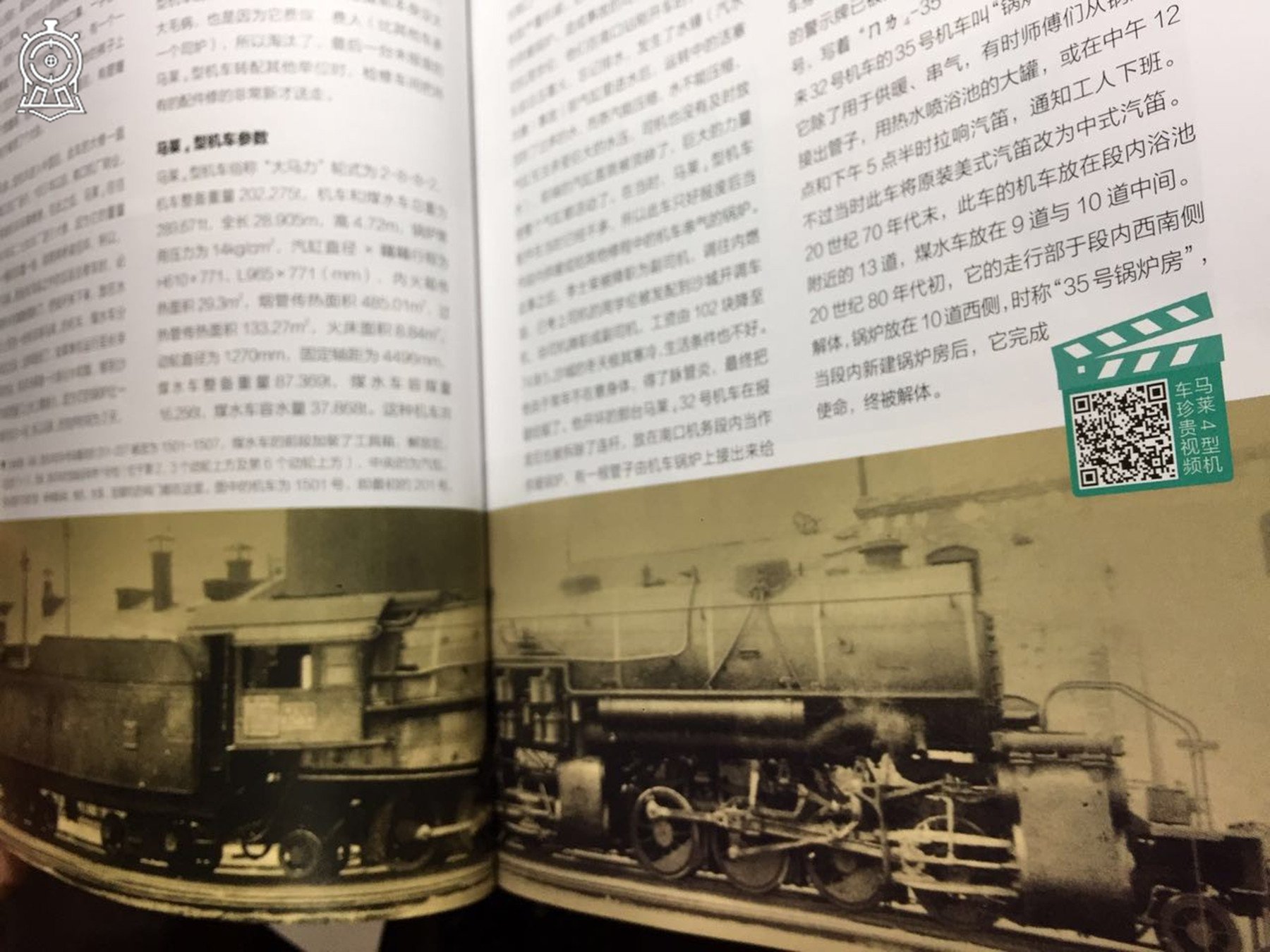
The Revival of Machinery: The long-dismantled "Mallet Class 4" steam locomotive was miraculously "resurrected" in the book through the precise oral accounts of 80- and 90-year-old master craftsmen, restoring that era interwoven with iron, steel, and sweat.
Inheritance and Outlook: The Future of Industrial Heritage Against the historical backdrop of the opening of the Beijing-Zhangjiakou High-Speed Railway, Wang Wei advocates for "cherishing the old without disdaining the new." He believes the Beijing-Zhangjiakou Railway should not just be cold ruins, but should be systematically protected as an integral "national-level industrial heritage." He looks forward to the day when tourist trains pulled by steam locomotives can once again run along the Guanguan section, allowing the spirit of Jeme Tien Yow from a century ago and the high-speed velocity of the new era to coexist harmoniously.
This work is Wang Wei's tribute to the Beijing-Zhangjiakou Railway, as well as a substantial historical manuscript left for the future.