
Century-Old Engine House Fire Hazards Addressed; Railway Department Completes Rectification
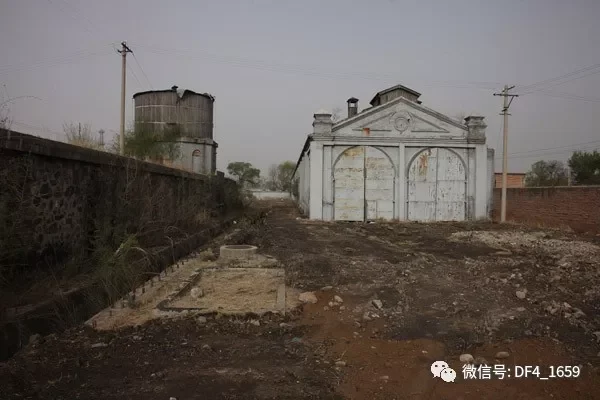
To the east of the renovated engine house, there is no longer any withered grass in front of the door.
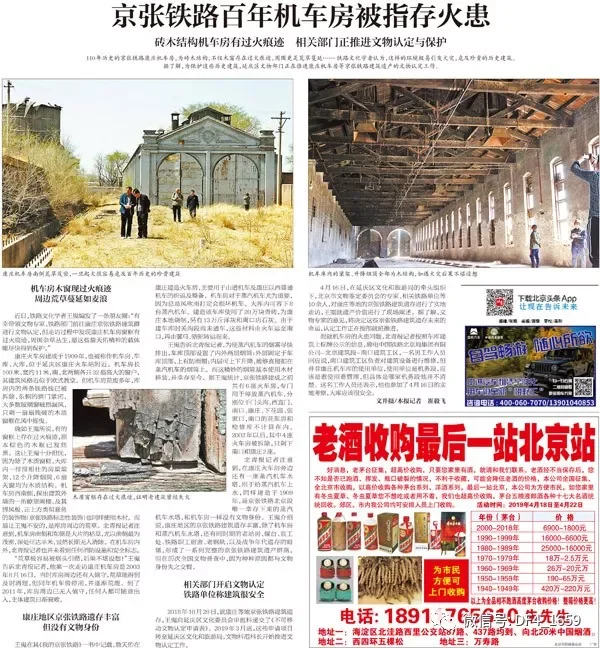
Previous Report: Century-Old Jingzhang Railway Engine House Reported to Pose Fire Hazards
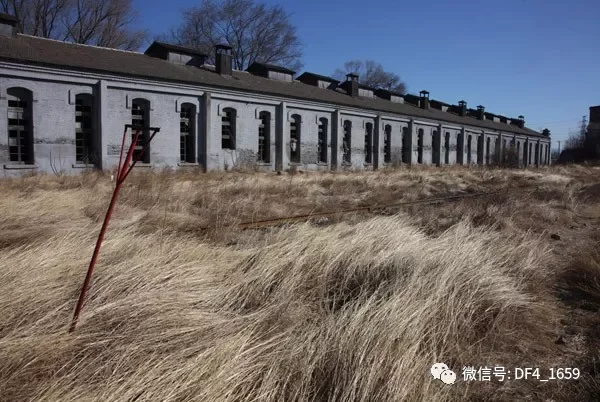
The wild grass resembling wheat waves before rectification
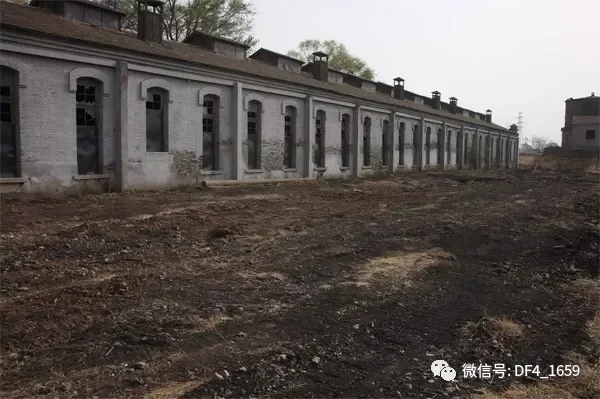
The wild grass cleared after rectification
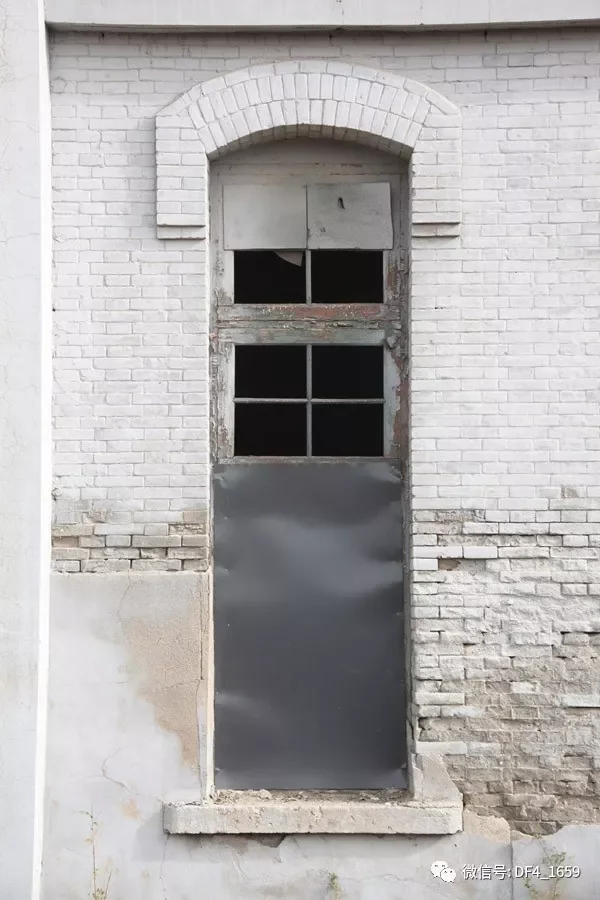
The garage windows installed with iron protective sheeting
April 27, 2019, Beijing Youth Daily
The 110-year-old brick-and-timber Kangzhuang Engine House of the Jingzhang Railway not only had scorch marks on its wooden windows but was also surrounded by spreading overgrown weeds... In response to the fire hazards facing this historical building, Beijing Youth Daily exposed the issue on April 18. Reporters revisiting the site recently found that the railway department has rectified the fire hazards surrounding the engine house.
The Kangzhuang Engine House is located near the Kangzhuang Railway Station in Yanqing District. Completed in 1909, it was used for parking steam locomotives. The engine house is 100 meters long and about 11 meters wide, with 32 tall windows on both the north and south sides, and two massive arched doors on the east side for locomotives to enter and exit. Having endured for 110 years, most of the six engine houses built at the initial completion of the Jingzhang Railway have been demolished, leaving the Kangzhuang Engine House as one of the two surviving structures. To protect the Kangzhuang Engine House, railway culture scholar Wang Wei submitted an Application for Immovable Cultural Property Recognition to the Yanqing District cultural heritage authorities on October 29, 2018.
By the end of March this year, the Cultural Relics Section of the Yanqing District Bureau of Culture and Tourism took charge and began advancing the cultural property recognition work. On April 16, cultural relic experts, railway department personnel, Wang Wei, and others conducted an on-site inspection of historical buildings such as the Kangzhuang Engine House. Wang Wei discovered that the withered, yellow wild grass on the east and south sides of the engine house had long been left uncleared, reaching up to half a meter deep in places, making it easy to endanger the old building if ignited. On the wooden windows of the engine house, he also found obvious scorch marks.
According to Wang Wei, the Kangzhuang Engine House is a brick-and-timber structure where the window frames, sets of roof trusses, tailored lifting smoke jacks for steam locomotives, skylights, and observation lofts are all made of wood. Furthermore, the engine house has been abandoned for many years and left unattended, meaning the consequences of a fire would be unimaginable.
Regarding the fire hazard of the engine house, a Beijing Youth Daily reporter called the Nankou Construction Work Area under the Beijing Construction Section of China Railway Beijing Group Co., Ltd. A male staff member responded that the large warehouse should be very safe.
Old Engine House Windows Fitted with Protective Iron Sheeting; Surrounding Weeds Cleared
Recently, a Beijing Youth Daily reporter revisited the Kangzhuang Engine House and saw that the vast patches of weeds on the east and south sides had been cleared, exposing the dark brown soil.
At the same time, the lower halves of all windows were covered and sealed with iron sheeting to prevent any use of fire from igniting the wooden window frames.
According to the reporter's understanding, on April 18, Beijing Youth Daily published a report titled "Century-Old Jingzhang Railway Engine House Reported to Pose Fire Hazards," which caught the attention of relevant railway units. The next day, relevant units subordinate to China Railway Beijing Group Co., Ltd. dispatched workers and excavators to clear weeds around the engine house and install iron protective covers on the windows, minimizing fire hazards while preventing unauthorized individuals from entering and exiting the engine house.
The reporter noted that the engine house and the adjacent steam locomotive water tower have been abandoned for many years, and the area they are located in is currently open, allowing anyone to freely enter, exit, and pass through. According to insiders, the railway department may install protective netting around these old Kangzhuang buildings to strengthen their closed-off management, thereby ensuring the safety of the historical structures.
Windows Installed with Iron Protective Sheeting to Prevent "Catching Fire from External Sources"
Near the engine house, the reporter met railway enthusiast Mr. Liang, who had made a special trip to appreciate the Jingzhang Railway old buildings in Kangzhuang after seeing the newspaper report. Mr. Liang believes that whether it is the railway department or the cultural heritage department, safety should be the bottom line. While the engine house lacks cultural property status and efforts can be made to secure its recognition, once an old building catches fire, the losses will be irreversible, because many cultural relics and historical buildings are unique and non-reproducible.
Text / Beijing Youth Daily Reporter Cui Yifei
Photography / Beijing Youth Daily Reporter Cui Yifei
Editor / Cui Yifei
