
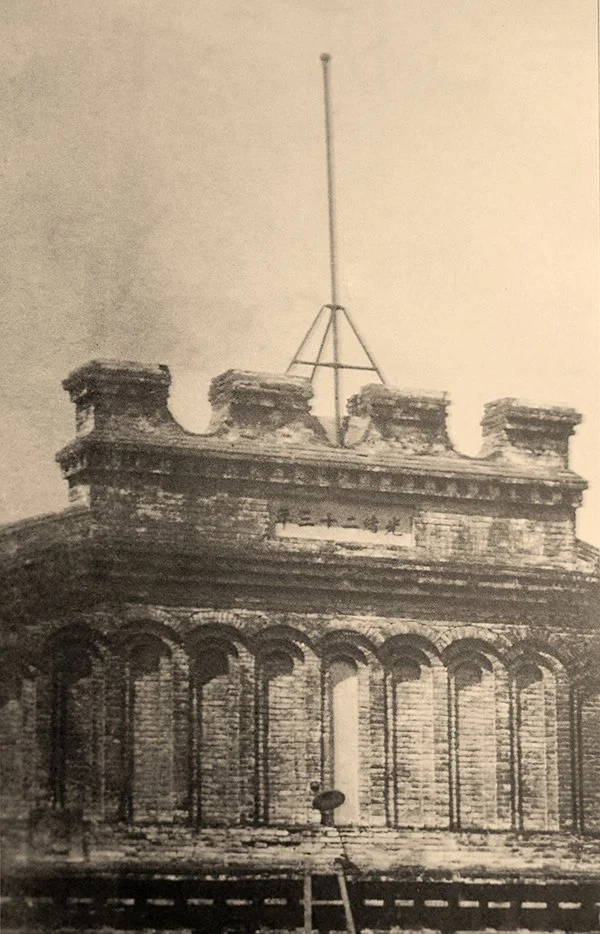
The washing and repair shed completed in 1897, with the plaque reading "the 23rd year of the Guangxu reign" embedded on its lintel (Provided by Wang Wei).
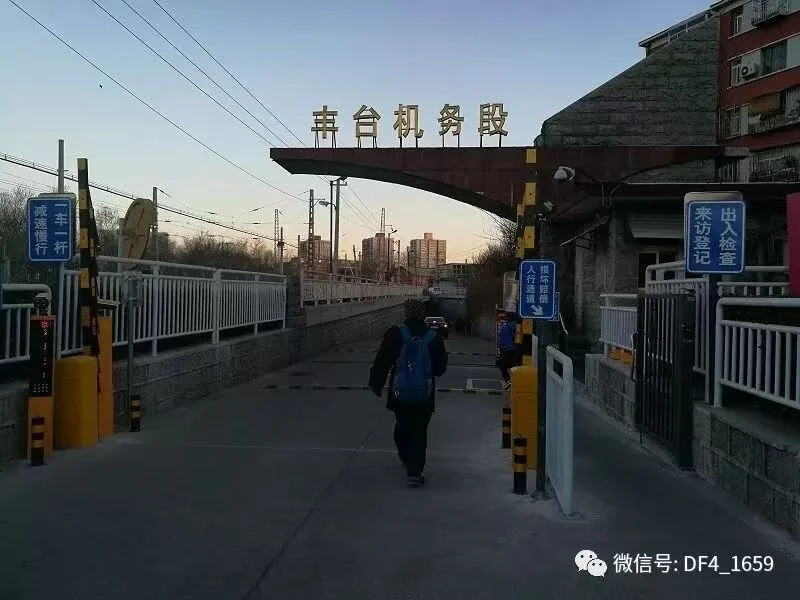
The present-day gate of the Fengtai Locomotive Depot (Photographed by Wang Wei).
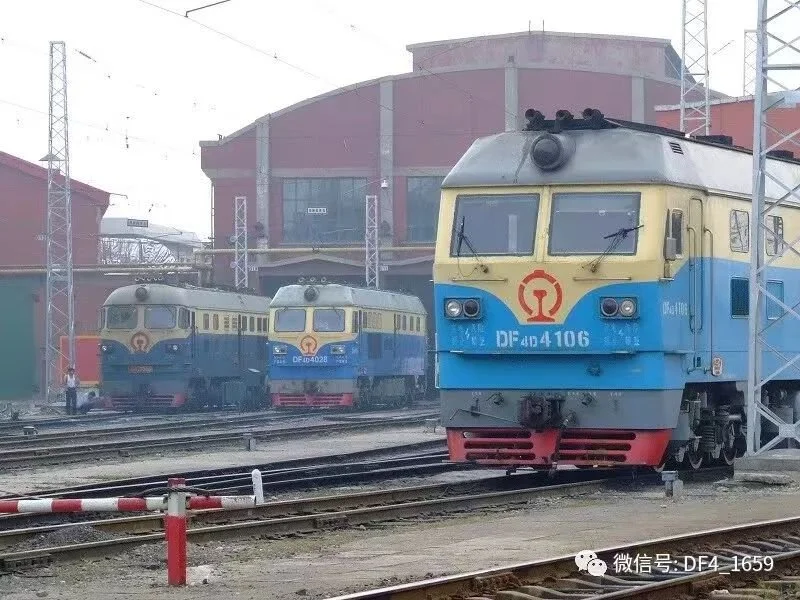
After the washing and repair shed was demolished, a new depot building was constructed (Photographed by Wang Wei).
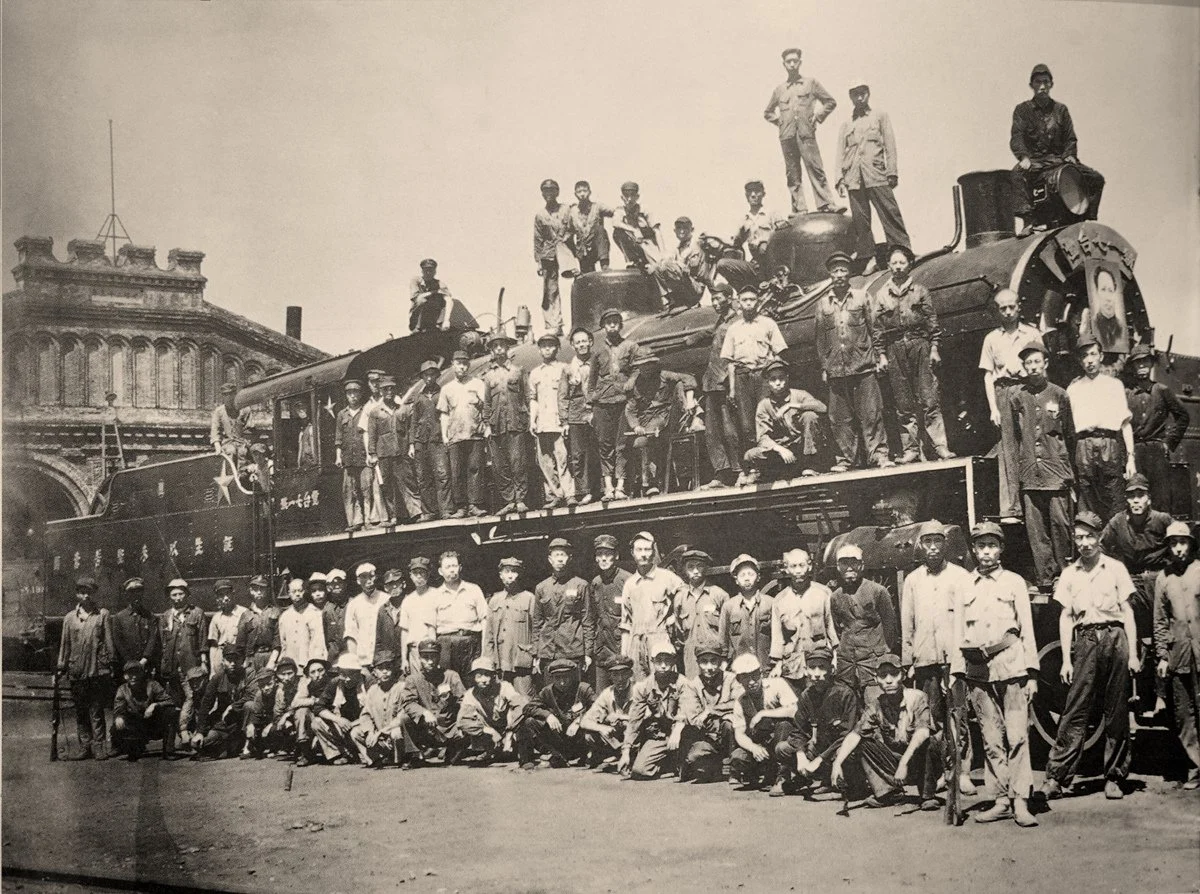
Railway workers posing for a group photo in front of a steam locomotive; in the background, the washing and repair shed and the plaque can be seen (Provided by Wang Wei).
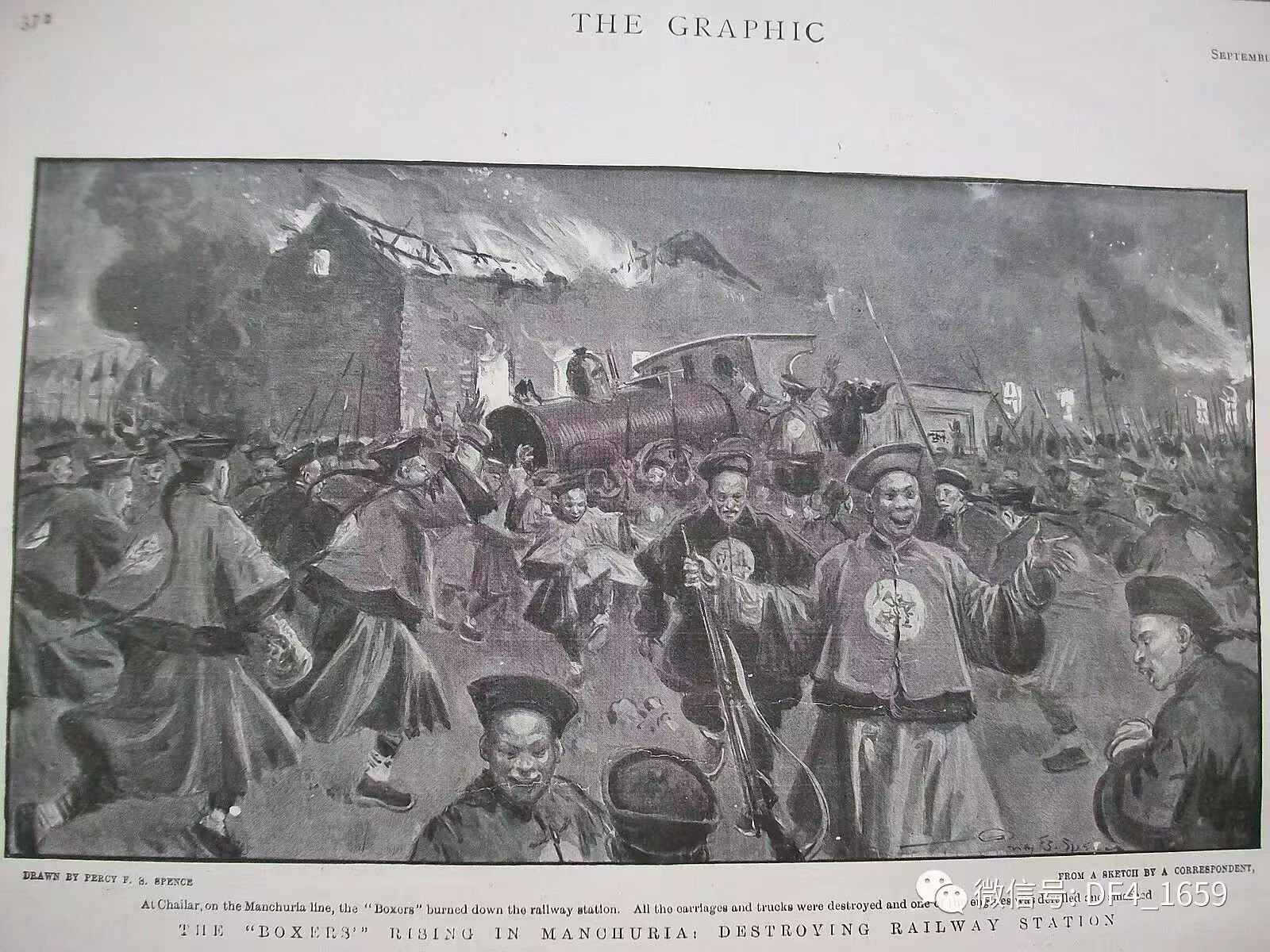
In a painting, the scene of the old washing and repair shed of the Fengtai Locomotive Section being destroyed can be seen
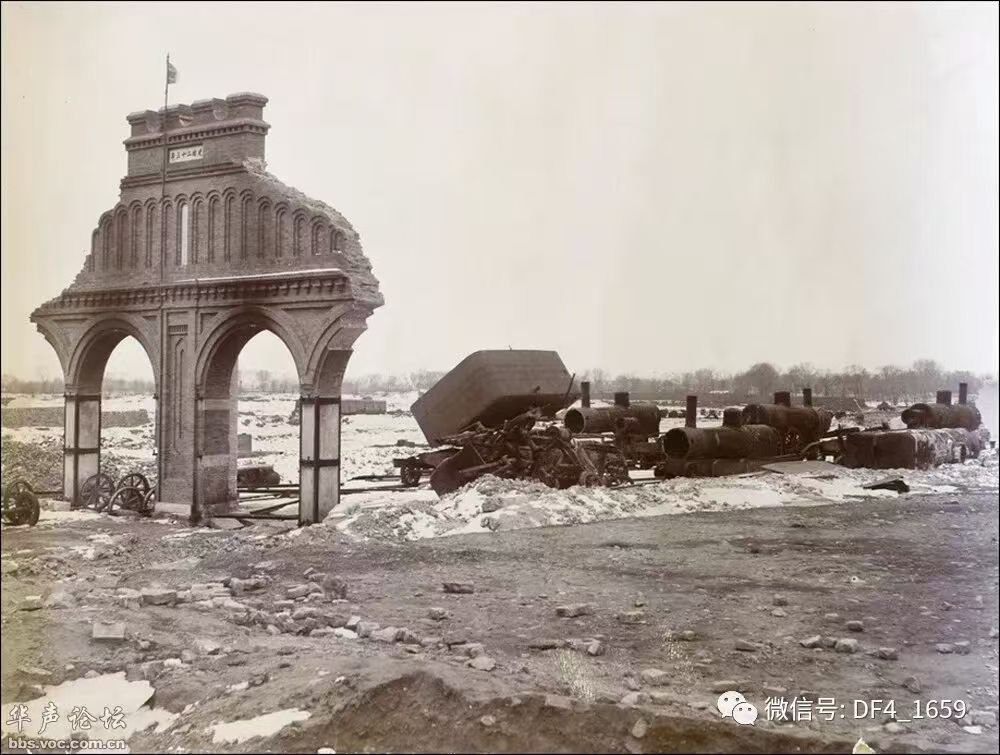
In 1900, the washing and repair shed was damaged by the Boxers, fortunately the eastern wall and plaque survived
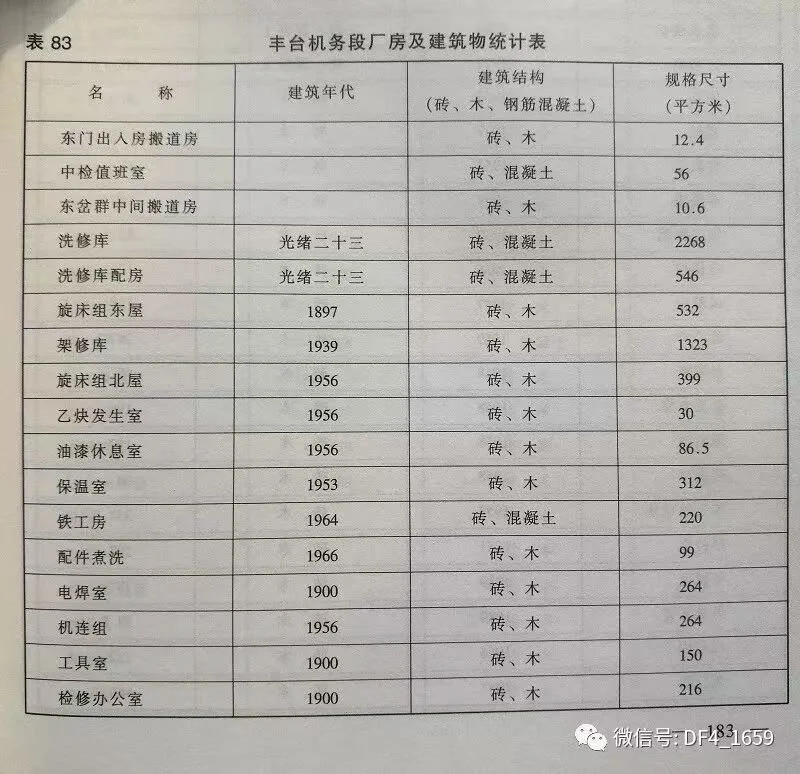
In a table within the Chronicles of the Fengtai Locomotive Depot, it is explicitly recorded that the old washing and repair shed was built in the 23rd year of Guangxu.
Image Provided by: Wang Wei
December 20, 2017, Legal Evening News
Legal Evening News / Law Vision News (Reporter Cui Yifei) — The Fengtai Locomotive Depot of the Beijing Railway Bureau has a history of 120 years, making it the second-oldest railway locomotive depot in the nation. Many veteran workers remember that the Fengtai Locomotive Depot once had a stone plaque engraved with "the 23rd year of the Guangxu reign" embedded above the washing and repair shed, serving as the initial historical witness to the locomotive depot.
Opening the Chronicles of the Fengtai Locomotive Depot (1897–1997), the opening page prominently features a full-page black-and-white old photograph: above the lintel of the washing and repair shed completed in 1897, a plaque reading "the 23rd year of the Guangxu reign" is embedded. Judging from the photograph, the six Chinese characters are written from right to left, suspected to be carved into marble and then traced with paint. Regrettably, this precious plaque currently survives only in old photographs.
In the 1970s, as the old washing and repair shed was demolished, the whereabouts of the plaque became unknown. As the initial historical witness to the Fengtai Locomotive Depot, was this old plaque completely destroyed? Or is it hidden in some corner? For both railway departments and historians, it remains an unsolved mystery.
Recently, reporters from Legal Evening News / Law Vision News came west of Kandian Bridge in Fengtai District to conduct an on-site visit to the Fengtai Locomotive Depot, attempting to track down the whereabouts of the plaque through eyewitnesses.
Eyewitnesses: Few People Paid Attention to the Whereabouts of the Plaque
Having started working at the depot in 1958 and retiring in 1997, 82-year-old Mr. Chen Yang worked at the Fengtai Locomotive Depot for 39 years. During his time at the depot, he frequently entered and exited the old washing and repair shed to wash and repair boilers for steam locomotives.
Elder Chen told Legal Evening News / Law Vision News reporters that the old shed was constructed of grey bricks, with a stone plaque reading "the 23rd year of the Guangxu reign" embedded above the entrance. However, with technological developments, the specifications of the old shed could no longer accommodate new locomotives, so it was demolished. And that ancient stone plaque's whereabouts became unknown.
Mr. Fan (a pseudonym) entered the Fengtai Locomotive Depot to work in the 1970s. According to his recollection, the old plaque from "the 23rd year of Guangxu" was stained and obscured by the black smoke of steam locomotives. Later, when French ND4 internal combustion locomotives were introduced, the old washing and repair shed was demolished, and a new inspection shed was built on the original site, but very few people paid attention to the whereabouts of that plaque.
When reporters visited veteran workers of the Fengtai Locomotive Depot, most had an impression of this stone plaque. Some said it was buried underground near the old shed, while others said that when building the new large shed, the old plaque was used as a building foundation. Yet no one could specify its exact location.
History and Records: The Old Shed Was Demolished in 1974, with No Mention of the Plaque's Whereabouts
The Chronicles of the Fengtai Locomotive Depot (1897–1997) records that the Fengtai Locomotive Depot was initially built in 1892 (the 18th year of the Guangxu reign of the Qing Dynasty) and completed in 1897 (the 23rd year of the Guangxu reign of the Qing Dynasty). It is the first locomotive depot established in Beijing and one of the earliest locomotive depots set up across the entire railway network.
In 1897, China's first trunk railway built through official supervision and merchant operation (the Tangshan-Xugezhuang Railway) extended via Tianjin to Beijing. Thereafter, the Luhan Railway (now the Jingguang Line) connected to Fengtai via Lugouqiao in 1899; the Beijing-Zhangjiakou Railway, opened to traffic in 1909, linked up at Majiapu east of Fengtai; the Fengsha Line opened after 1949; the Jingyuan Line opened in 1972; and the Jiulong Line opened in 1997. The Fengtai Locomotive Depot has consistently remained at the traffic hub of domestic railways.
In 1897, the Fengtai Locomotive Depot was called the Fengtai Locomotive Section (commonly known as the train house). Upon its initial completion, it had only one washing and repair shed and a few administrative offices. The architecture was of brick-concrete structure, with the washing and repair shed spanning 2,268 square meters, equipped with 12 imported steam locomotives and nearly 200 workers. In 1907, it was renamed the Fengtai Locomotive Depot, a designation that continues to be used to this day.
In 1973, 50 ND4 internal combustion locomotives were allocated to the Fengtai Locomotive Depot. In 1974, the Fengtai Locomotive Depot suspended heavy repairs for steam locomotives, and the original washing and repair shed was converted into a wheel-repair shed for internal combustion locomotives.
Reporters from Legal Evening News / Law Vision News discovered from the Chronicles that the washing and repair shed built in 1897 was demolished in 1974, having existed for 77 years. If the old shed could have been preserved until today, it would be exactly 120 years old. However, the Chronicles did not record the whereabouts of the plaque.
Scholars: The Old Shed Was Once Damaged by the Boxers, Fortunately the Plaque Survived
Author of My Beijing-Zhangjiakou Railway and railway cultural scholar Wang Wei introduced that while collecting materials on the Beijing-Zhangjiakou Railway, he discovered black-and-white photographs taken by foreigners recording that the washing and repair shed of the Fengtai Locomotive Section was attacked and damaged by the Boxers in 1900, but the eastern wall of the large shed was not demolished, and the plaque from the 23rd year of Guangxu survived accordingly.
Wang Wei told Legal Evening News / Law Vision News reporters that the fate of the plaque at the Fengtai Locomotive Depot is similar to that of many station plaques along the Beijing-Zhangjiakou Railway—they were later destroyed or went missing. Yet such plaques possess exceptionally strong explanatory value for history and serve as important witnesses to the historical development of China's railways. Failing to preserve them can only be described as a profound pity.
Experts: The Nation's Second-Oldest Locomotive Depot Should Investigate the Whereabouts of the Old Plaque
Jin Wangzhi, former deputy curator of the China Railway Museum and a historian of Chinese railway history, introduced to Legal Evening News / Law Vision News reporters that second only to the Tangshan Locomotive Depot, the Fengtai Locomotive Depot is China's second-oldest railway locomotive depot. He had heard whispers of that plaque from the 23rd year of Guangxu, rumored to be wedged into some wall crack.
Jin Wangzhi believes that in the past, railway departments did not pay sufficient attention to historical relics, leaving behind many regrets. In the future construction of the Fengtai Locomotive Depot, attention should be paid to the whereabouts of this plaque. If it can be retrieved, it will hold significant value for the historical research of China's railways.
