
Scholars Discover and Rescue Century-Old "Beijing-Mukden Railway" Boundary Markers
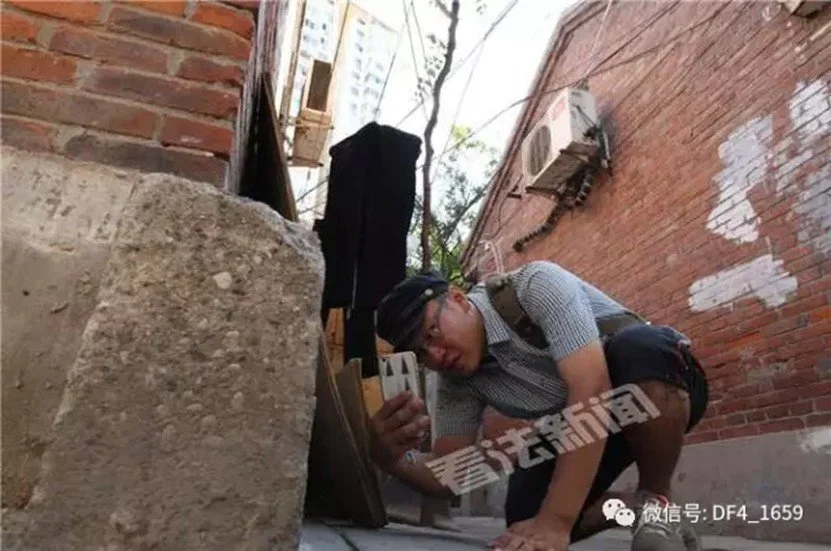
A century-old railway boundary marker, once buried in the corner of a hutong.
Photo / Legal Evening News / Law Vision News Reporter Cui Yifei
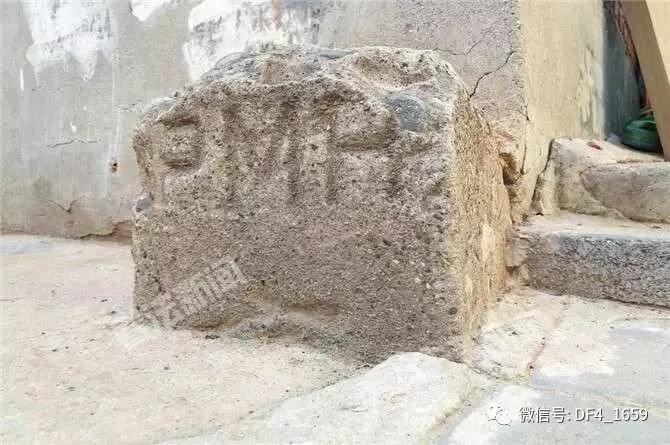
On September 12, 2017, Wang Wei discovered the old boundary markers near Fengtai Railway Station, at that time used as corner stones.
Photo / Legal Evening News / Law Vision News Reporter Cui Yifei
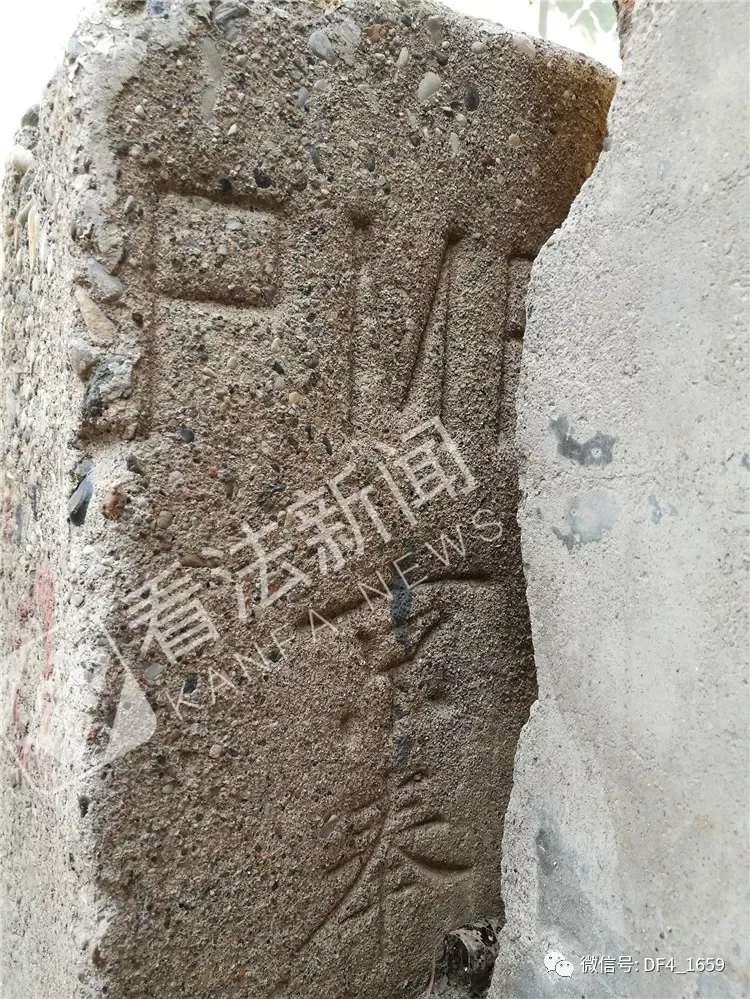
Century-old P.M.R Beijing-Mukden Railway boundary marker, once buried in a hutong corner.
Photo / Legal Evening News / Law Vision News Reporter Cui Yifei
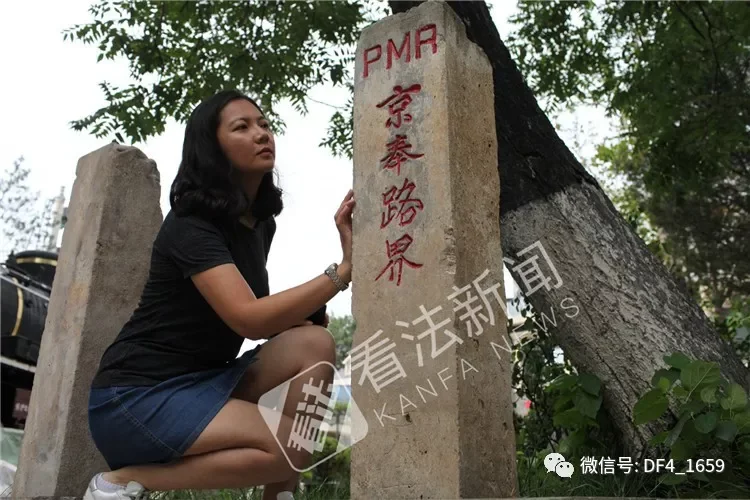
The "Beijing-Mukden Road Boundary" concrete marker relocated to CARS, with its textual information highlighted in red.
July 25, 2018, Legal Evening News
Legal Evening News / Law Vision News (Reporter Cui Yifei) — From foundation stones in hutong corners to historical displays within the China Academy of Railway Sciences (CARS), a pair of century-old railway boundary markers have found a "new home" thanks to the efforts of scholars and experts.
Discovery: Beijing-Mukden Railway Boundary Markers Found as Hutong Corner Stones
Xinglong Wutiao, located south of Fengtai Railway Station, is a little-known small hutong. Railway cultural scholar Wang Wei frequently wanders around this area looking for historical relics related to railways. On September 12, 2017, two concrete posts caught Wang Wei's attention.
On September 12, 2017, Wang Wei discovered the old boundary markers near Fengtai Railway Station, at that time used as corner stones.
Photo / Legal Evening News / Law Vision News Reporter Cui Yifei
The square-columnar concrete posts protruded about 40 centimeters above the ground, while the rest were buried underground, blocking the two corners of the hutong entrance. The English letters "P.M.R" could be seen on the concrete posts. Below the English text on one of the posts were two vertically arranged Chinese characters: "京奉" (Beijing-Mukden), rendered in graceful and fluid clerical script.
Wang Wei told Legal Evening News reporters that based on a preliminary assessment, these two concrete posts are boundary markers of the Beijing-Mukden Railway with a history of about 100 years. Their presence here suggests they were reused as hutong corner stones after being discarded.
What does P.M.R mean?
The English letter P stands for Beijing, because Beijing was historically spelled "Peking" in English; M stands for Mukden, which is the Manchu pronunciation for Fengtian; and R stands for Railway. Combining these three abbreviations gives P.M.R, representing the Beijing-Mukden Railway.
The Beijing-Mukden Railway was initially built in 1877 during the late Qing Dynasty. During its initial construction, the Beijing-Mukden Railway borrowed funds from Britain multiple times. The foreigners' condition was that the railway's chief engineer, chief financial officer, and senior positions in all major professional fields must be held by British or European personnel. Consequently, the official administrative documents of the Beijing-Mukden Railway Administration formed a bilingual habit using both Chinese and English, and the text on the railway boundary markers was no exception.
Fengtai Station was a main-line station of the Beijing-Mukden Railway. Wang Wei deduced that it was entirely logical for Beijing-Mukden Railway boundary markers to appear near Fengtai Station. Historical relics like these are extremely rare, and it is a great pity for them to be used as hutong corner stones.
Relocation: The Two Boundary Markers Find a "New Home," Settling in a Museum and CARS
Jin Wangzhi, former deputy curator of the China Railway Museum and a Chinese railway history scholar, believed that as historical material evidence of the Beijing-Mukden Railway, these two boundary markers should be moved to a museum for preservation to fully leverage their cultural relic value.
The very next day after Wang Wei discovered the boundary markers, Jin Wangzhi organized personnel to carry out their relocation, finding a "new home" for the two boundary markers. One was placed in the Jingtiejiawan Community Railway Museum to be displayed as a historical relic of Fengtai District. The other was sent to the China Academy of Railway Sciences (CARS). Having been mostly buried underground for many years, the boundary marker was able to be displayed in its entirety after being pulled out. It is about 1.2 meters long, with the words "京奉路界" (Beijing-Mukden Road Boundary) and the English letters "P.M.R" on one side of the concrete post.
Recently, Legal Evening News reporters visited CARS, located near Dayushu Road in Haidian District. Near the history museum of the academy, one of the boundary markers has been erected near the green belt, with its carved characters highlighted in red. Established in 1950, CARS is China's only multidisciplinary and multi-professional comprehensive research institution for railways.
Jin Wangzhi told reporters that after the boundary marker was transported to CARS, it was kept inside the green belt. Recently, catching up with landscape maintenance, it was conveniently put on display. First, it can be preserved as historical material evidence; second, research can be conducted on the century-old concrete.
At the scene, reporters also saw two other Beijing-Mukden Road boundary markers.
Jin Wangzhi explained that at the beginning of railway construction, railway departments used such boundary markers to demarcate land boundaries. Boundary markers like these probably existed at every railway station. However, with the changes of times, these ancient boundary markers were mostly repurposed—for building foundations, lining pigsties, or even as stepping stones—fading into the alleys and streets around stations. These relics were all collected bit by bit by him and transferred to relevant scientific research units for preservation, allowing more people to understand this history through physical objects and conduct more in-depth research.
Photo / Legal Evening News / Law Vision News Reporter Cui Yifei
