
British-Style Twin-Gabled Third-Class Station Buildings
The British-style twin-gabled third-class station building was one of the most distinctive types of small station architecture found along the main line and branches of the Peking–Mukden Railway. Its most recognizable feature was the pair of prominent gables projecting from the station façade, linked by a lower central section to create the characteristic “twin-gabled” silhouette. Combining the basic functional requirements of a third-class station with a degree of architectural ornament, this design became one of the representative standardized station types used along the Peking–Mukden Railway.
This station type developed mainly from the early twentieth century through the 1920s and, as the Peking–Mukden Railway system expanded, spread from intermediate stations on the main line to branches such as the Jinzhou–Chaoyang Railway and the Dahushan–Tongliao Railway. Stations including Qingduizi, Nü’erhe, Huangtupo, Weishanzhuang, as well as Chaoyangsi, Zhoujiatun, and Nanling on the Jinzhou–Chaoyang Railway, all employed broadly similar layouts. Although buildings erected in different periods varied in roof height, gable proportions, platform canopies, and decorative details, the fundamental twin-gabled composition remained remarkably persistent, reflecting both continuity and gradual evolution within the architectural system of the same railway network.
Interestingly, comparable architectural forms can also be found among some small railway stations in Britain. At present, there is insufficient documentary evidence to demonstrate a direct line of design transmission between these British examples and the stations of the Peking–Mukden Railway. Nevertheless, their formal similarities provide an intriguing clue for further investigation into the architectural origins of the railway’s early station buildings. As a result of double-tracking, line reconstruction, and station closures or consolidation, many examples have disappeared. According to existing surveys, nine remained in China in 2019, but only seven survived by 2024, making this increasingly rare station type an important physical record for the study of the Peking–Mukden Railway’s architectural system and China’s modern railway heritage.
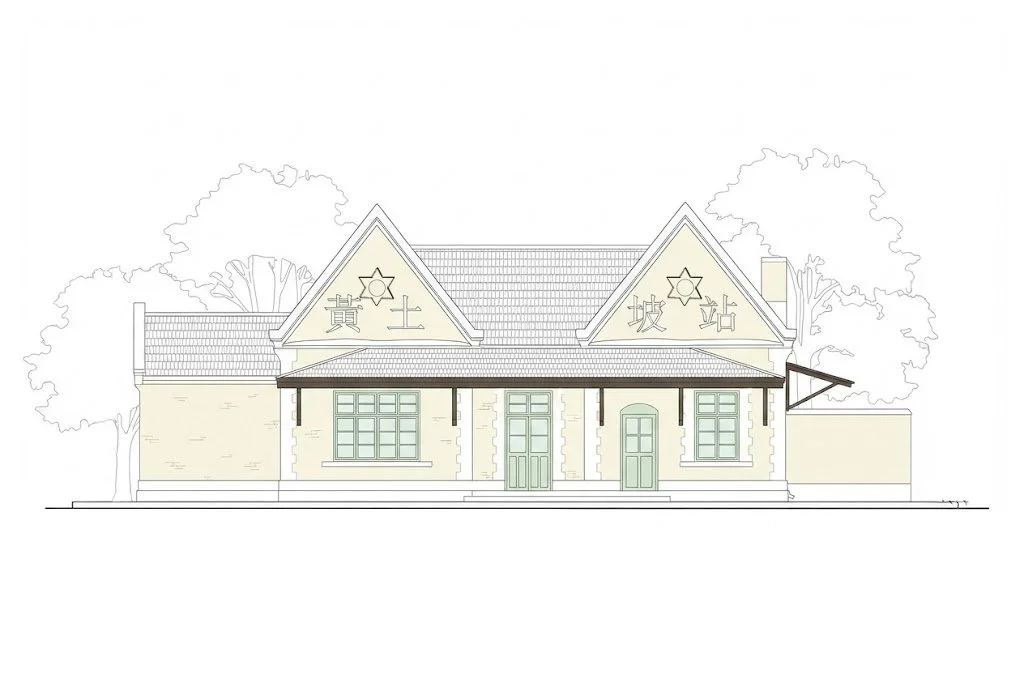
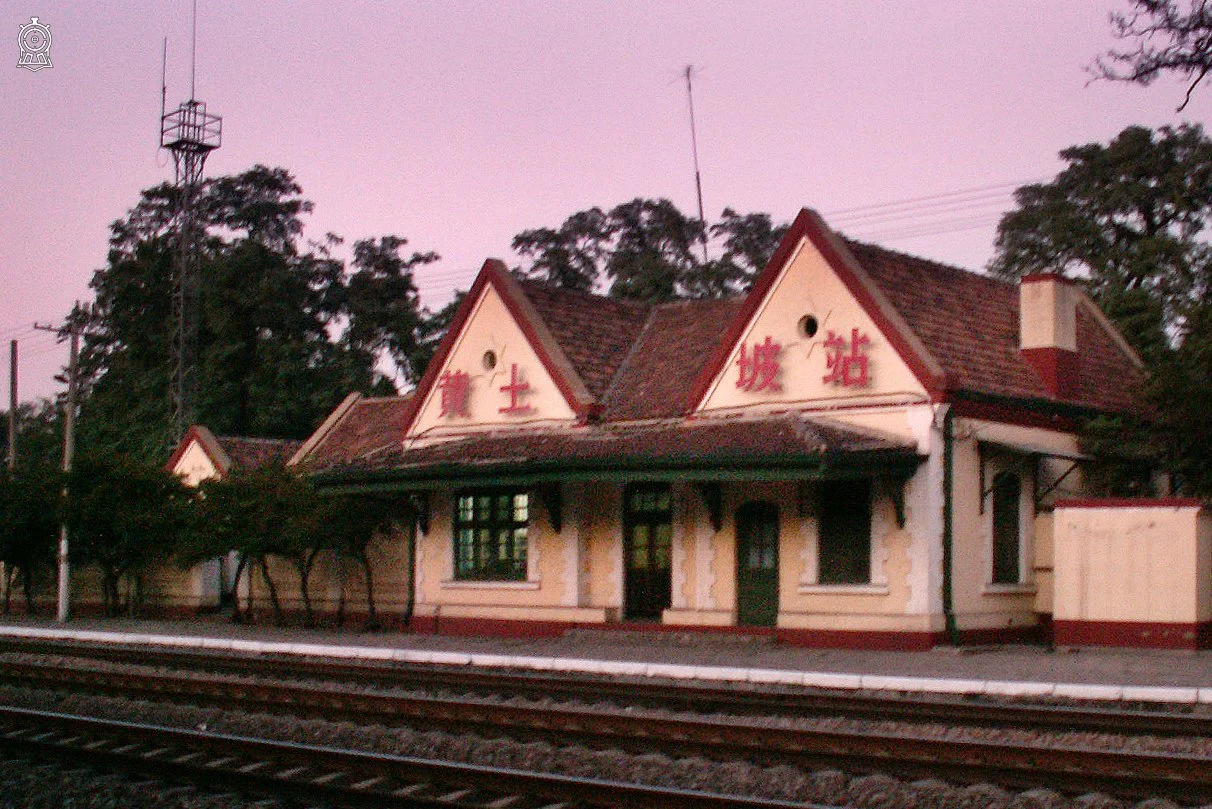
Huangtupo Station on the Peking–Mukden Railway was built in 1928 and was the last surviving third-class station building of its type between Beijing and Tianjin. Photographed in October 2005.
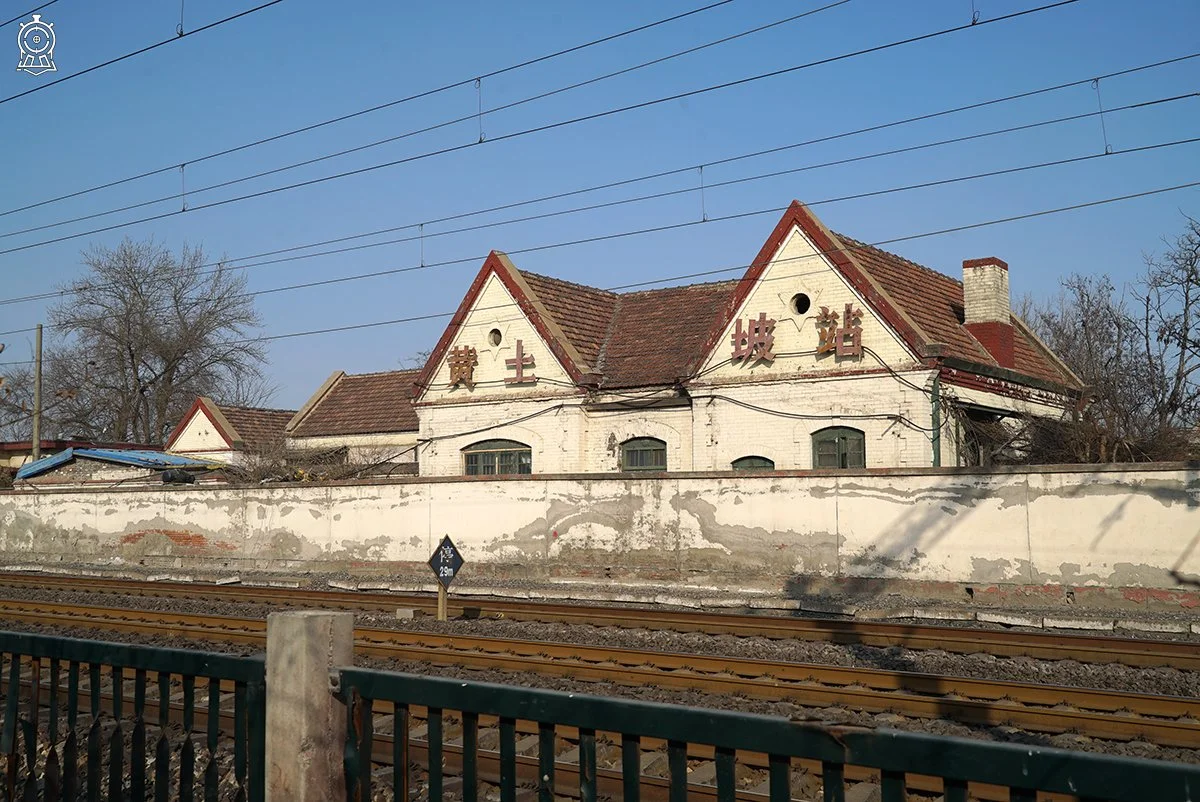
In 2006, Huangtupo Station was closed and its platform canopy was removed. The station building was subsequently converted into rental housing. In October 2018, Wang Wei submitted an application to Daxing District, Beijing, requesting that the building be recognized as immovable cultural heritage. As of August 2026, no progress had been made. Photographed in February 2018.
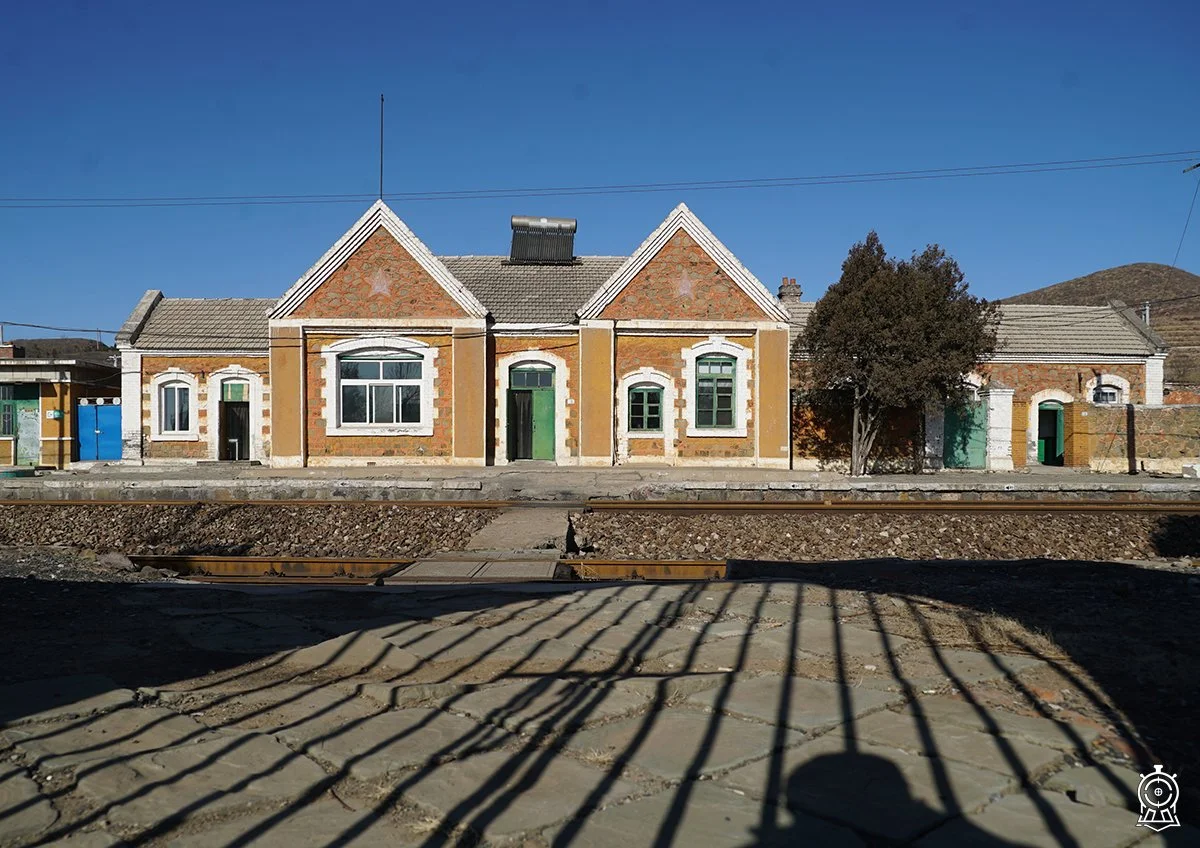
Chaoyangsi Station on the Jinzhou–Chaoyang Railway was built in 1924. Its architectural form was the same as the twin-gabled third-class station buildings used on the Peking–Mukden main line. Photographed in November 2019.
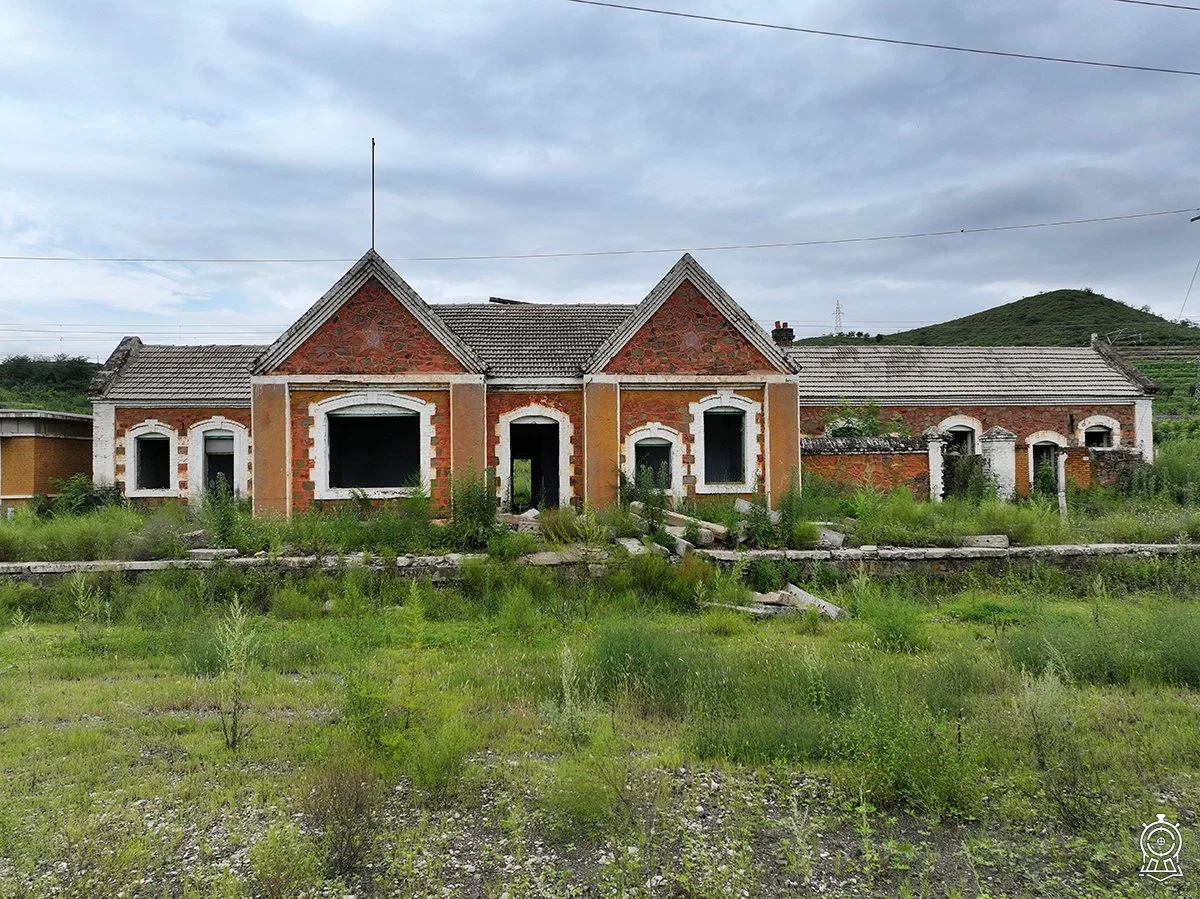
Chaoyangsi Station was renamed Shangyuan Station in May 1938 and remained in use until the end of 2019, when it was abandoned following the opening of a newly built double-track railway. The station building is a protected cultural heritage site of Beipiao City. Photographed in August 2024.
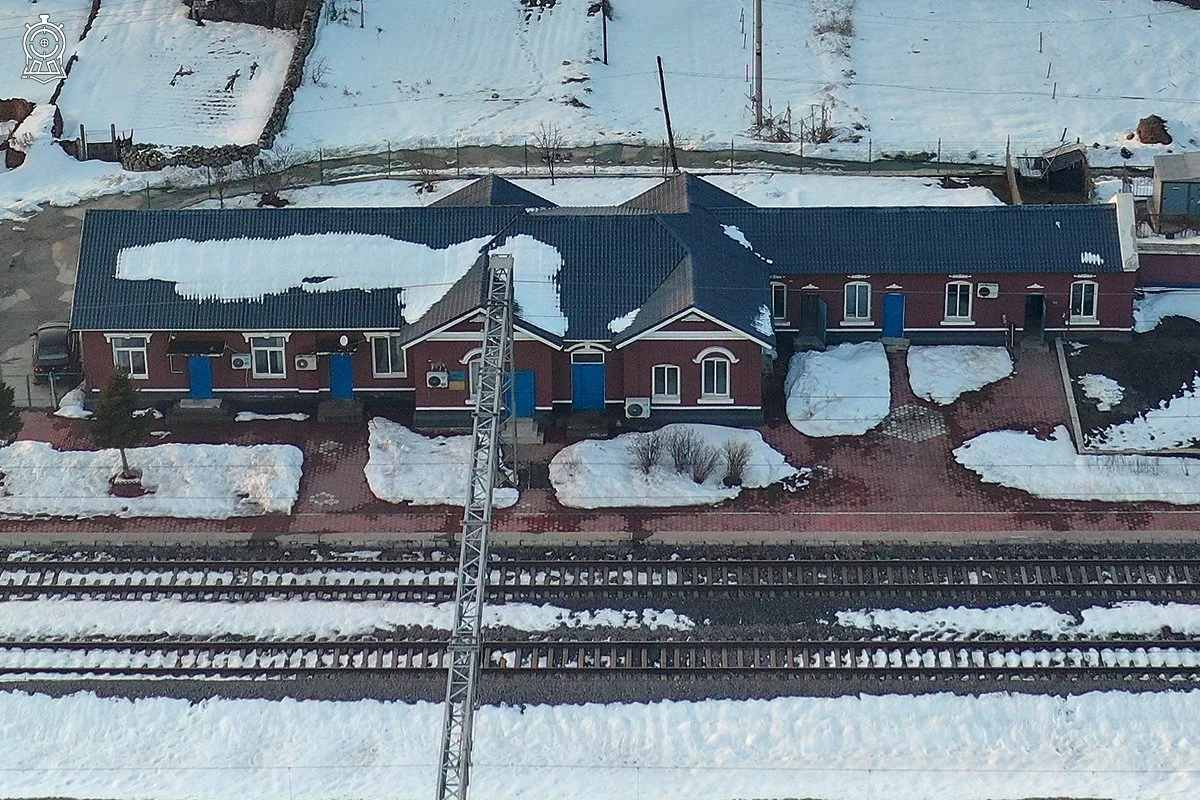
Tangjia Station was built in 1918. Its original twin-gabled form was later heavily altered, with changes to both the roof pitch and height. The station building remains in use. Photographed in November 2021.
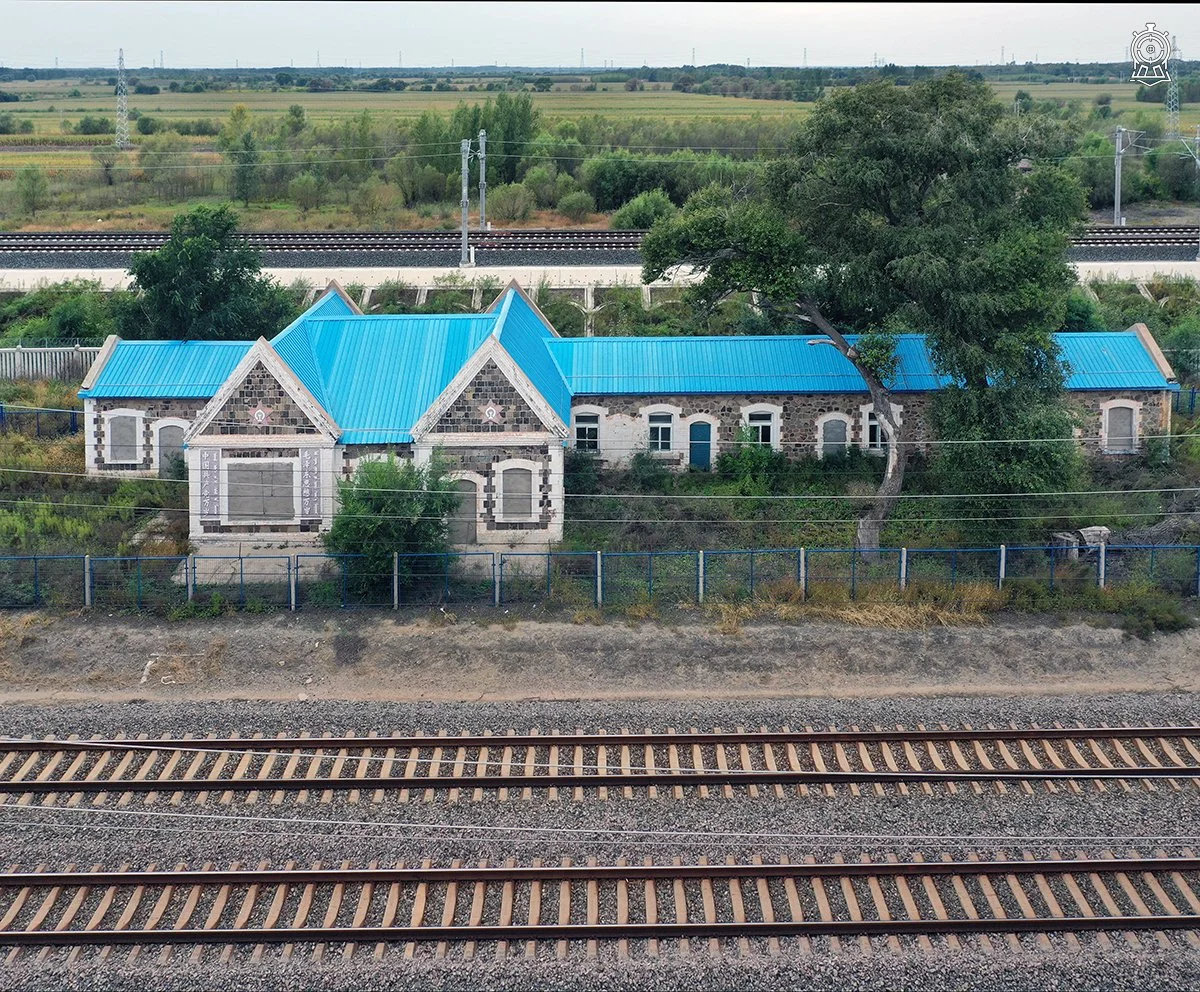
Yihuta Station was built in 1927 and had been closed and sealed by 2019. Several other historic station buildings of the same period along the line, including those at Badaohao, Fangshan, Wufeng, Zhanggutai, and A’erxiang, were demolished. Photographed in September 2021.
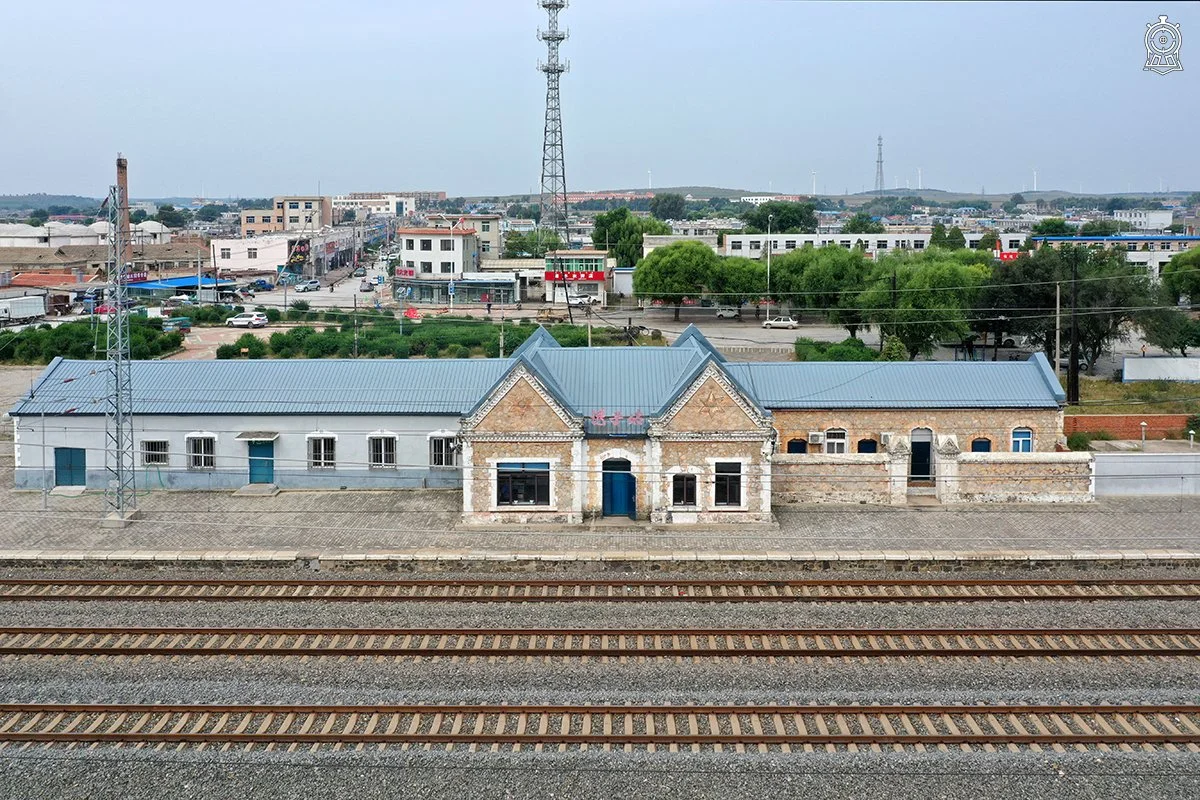
Paozi Station was built in 1927 and remains in regular use. Photographed in September 2021.
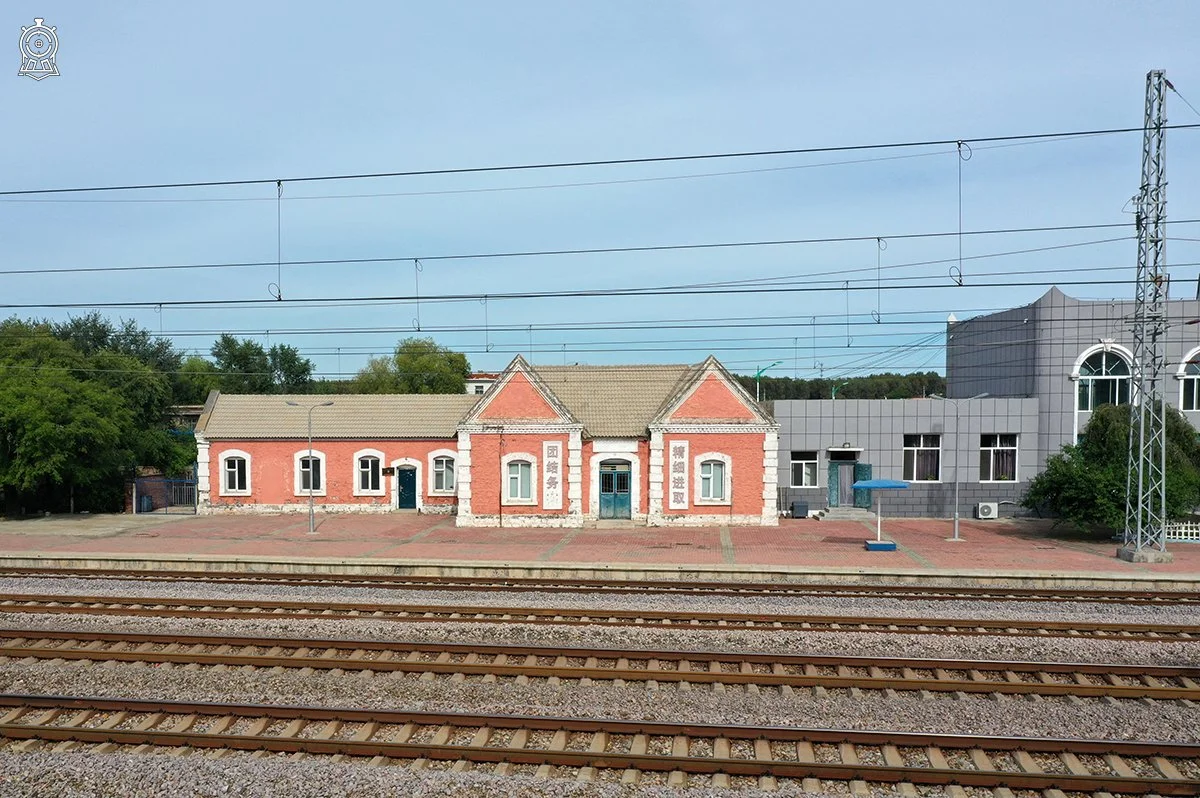
The first-generation Heishan Station building on the Dahushan–Tongliao branch was built in 1922 and has since been converted into an office building. Photographed in September 2021.
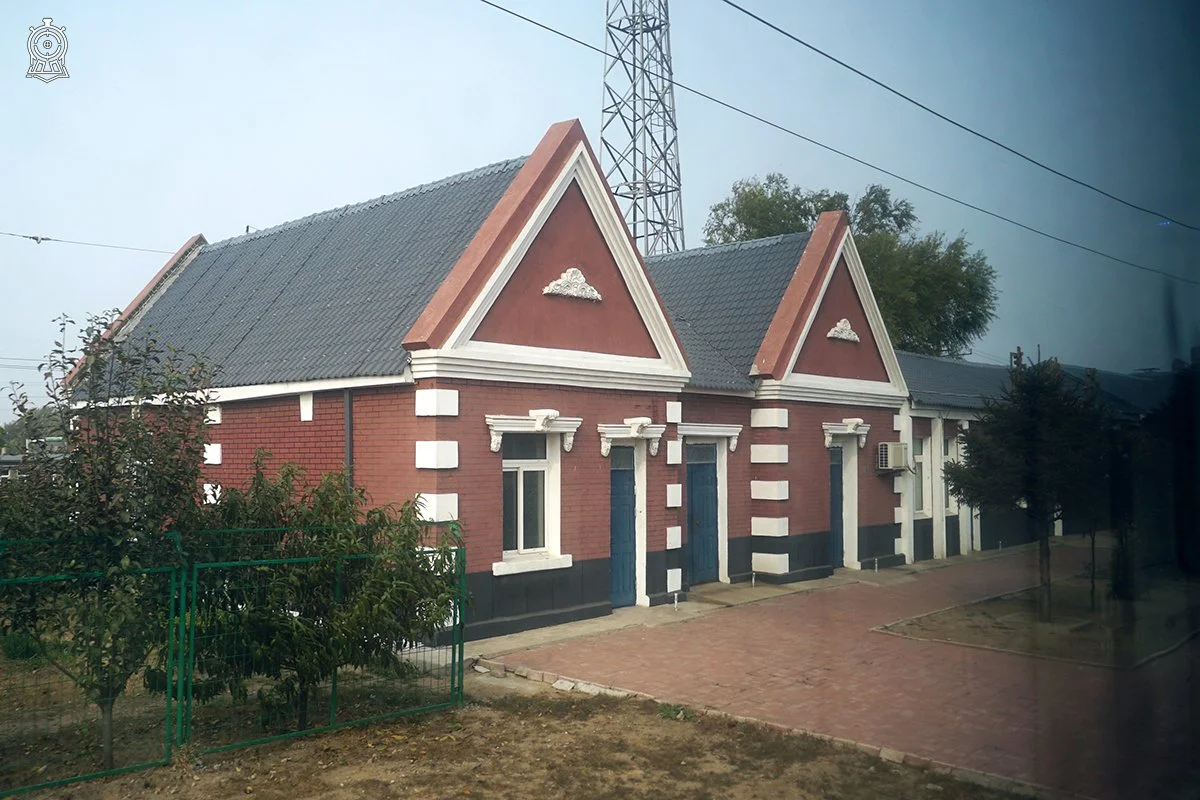
Qingduizi Station was built in June 1900. The main structure of the station building remains largely intact, although the exterior facades have been heavily altered. Photographed in October 2019.
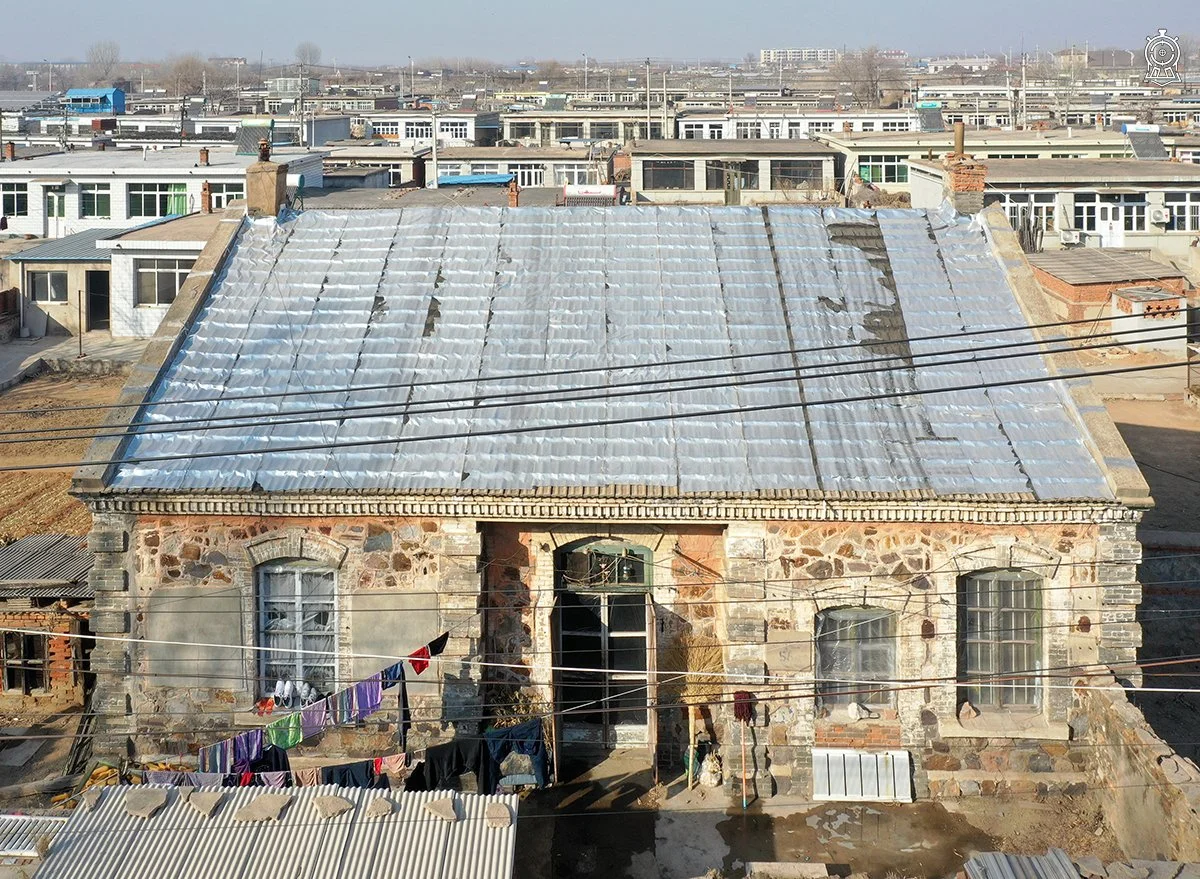
Qiansuo Station was built in June 1897. Its layout was similar to that of the twin-gabled station type, although neither the trackside nor street-side façade had twin projecting gables; instead, the gables were located on the side elevations. The station was closed in 2003, and the old station building below the track embankment was converted into residential use. Photographed in January 2023.
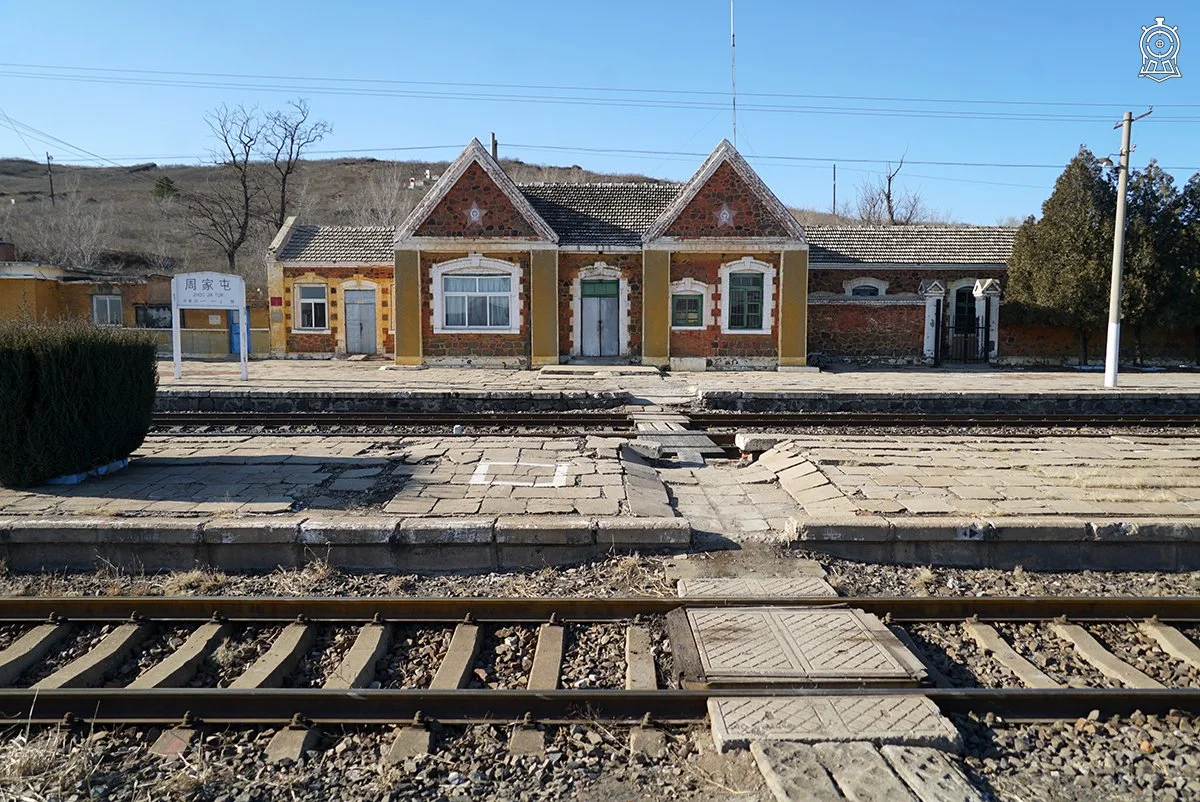
Zhoujiatun Station, built in February 1924, remained in good condition when photographed during its final days of operation. Photographed in November 2019.
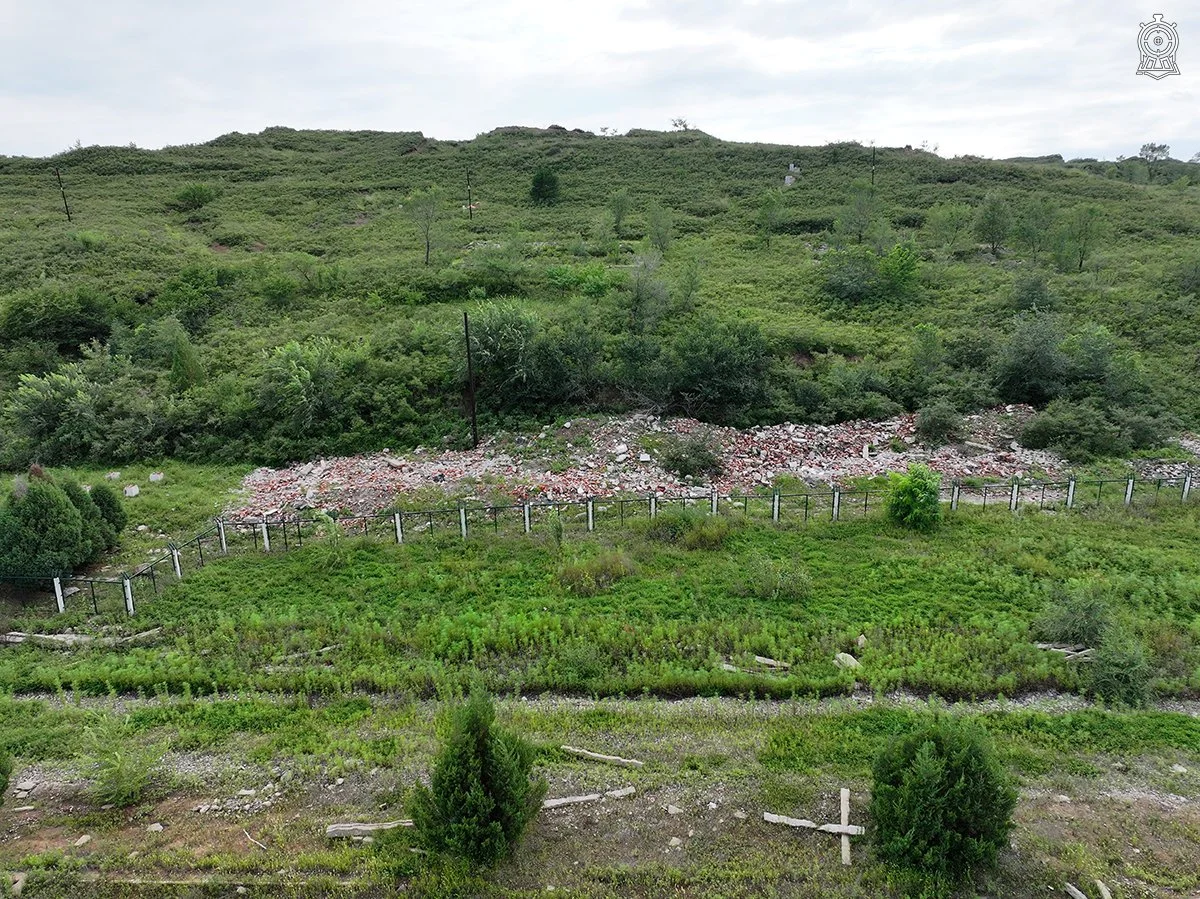
In 2019, Zhoujiatun Station was closed as a result of the realignment of the Jinzhou–Chengde Railway. The well-preserved historic station building was subsequently demolished in its entirety. Photographed in August 2024.
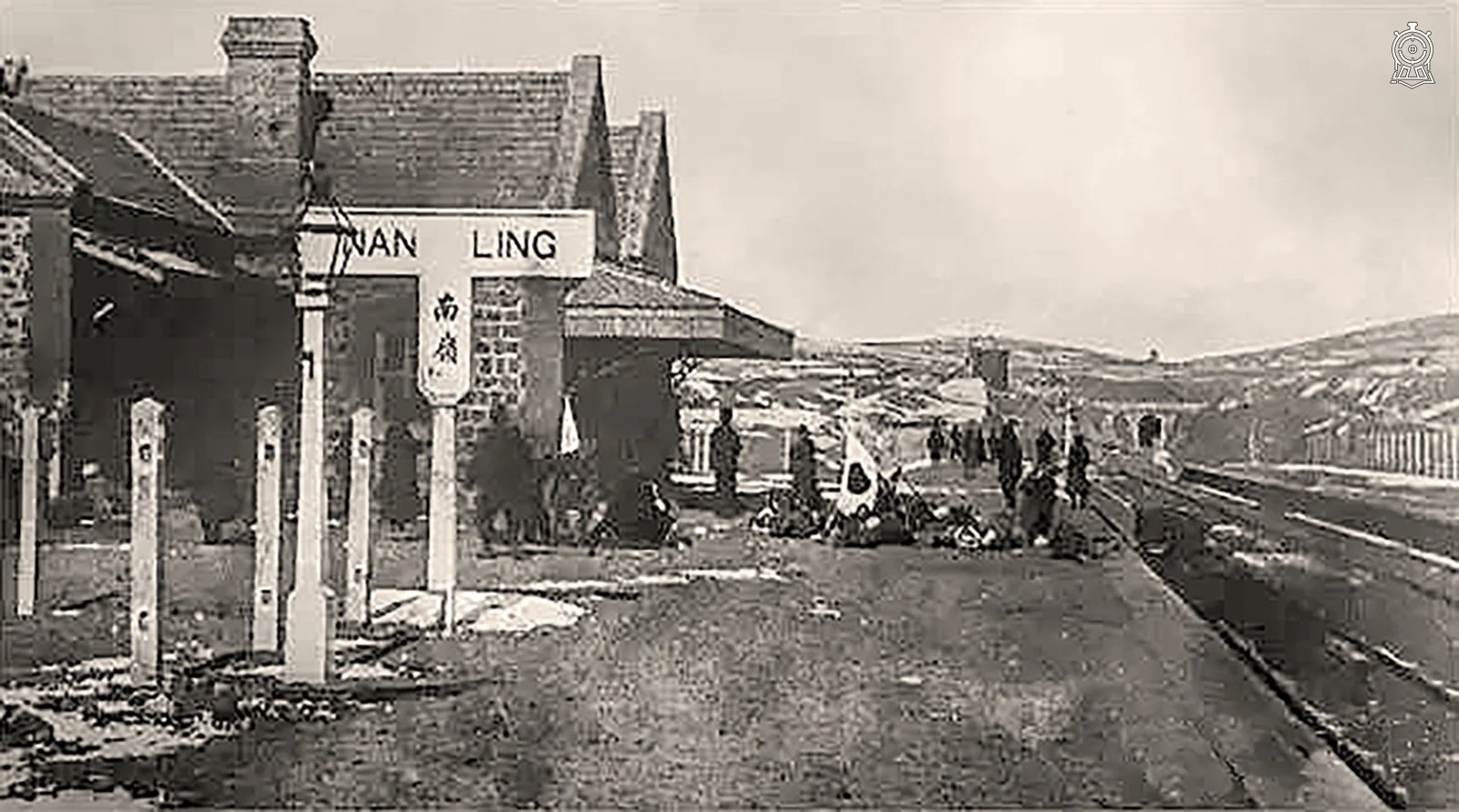
Nanling Station was built in February 1924 and followed the same design as Huangtupo Station, with a platform canopy on the track side. The photograph shows Nanling Station during the period of Japanese occupation, photographed in the 1930s.
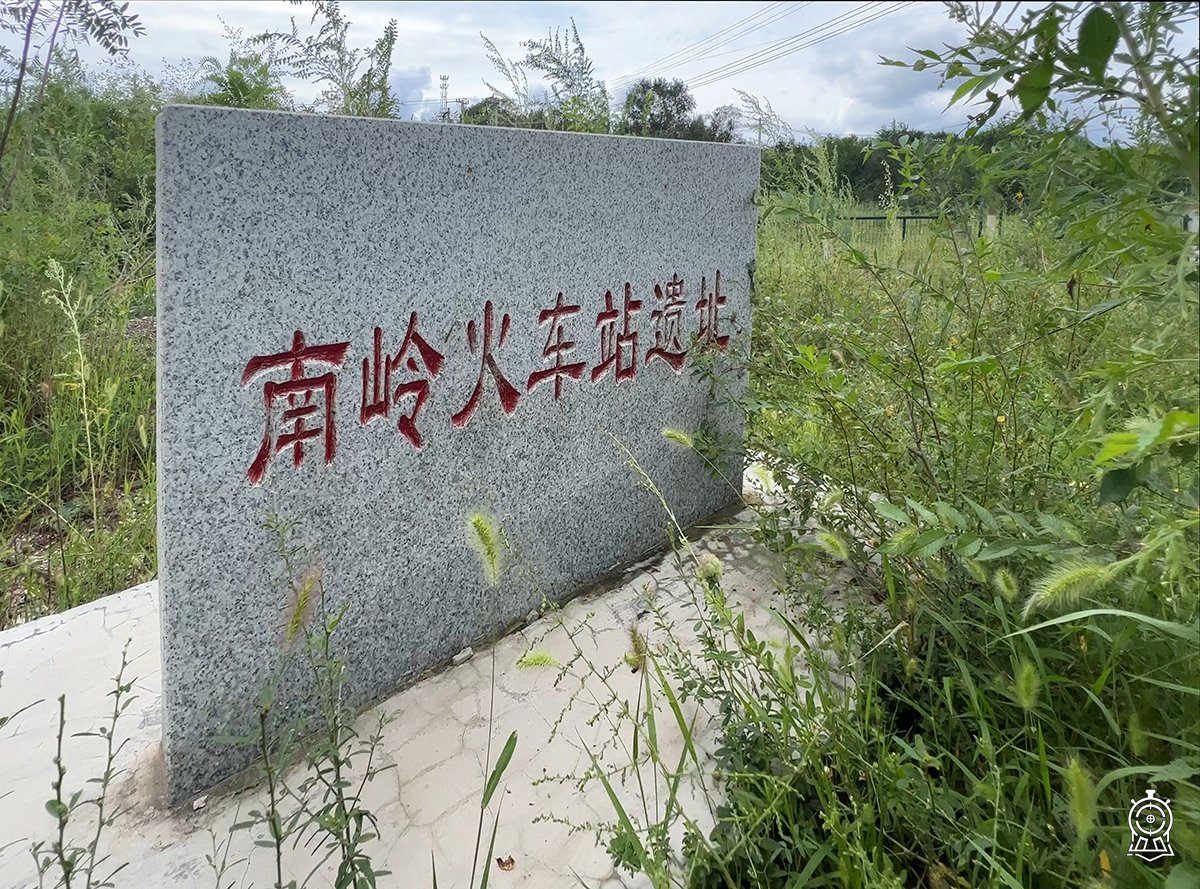
In October 2019, Nanling Station, despite its protected heritage status, was demolished during railway reconstruction. After the debris had been removed, a stone marker inscribed “Site of Nanling Railway Station” was erected on the former site. Photographed in August 2024.
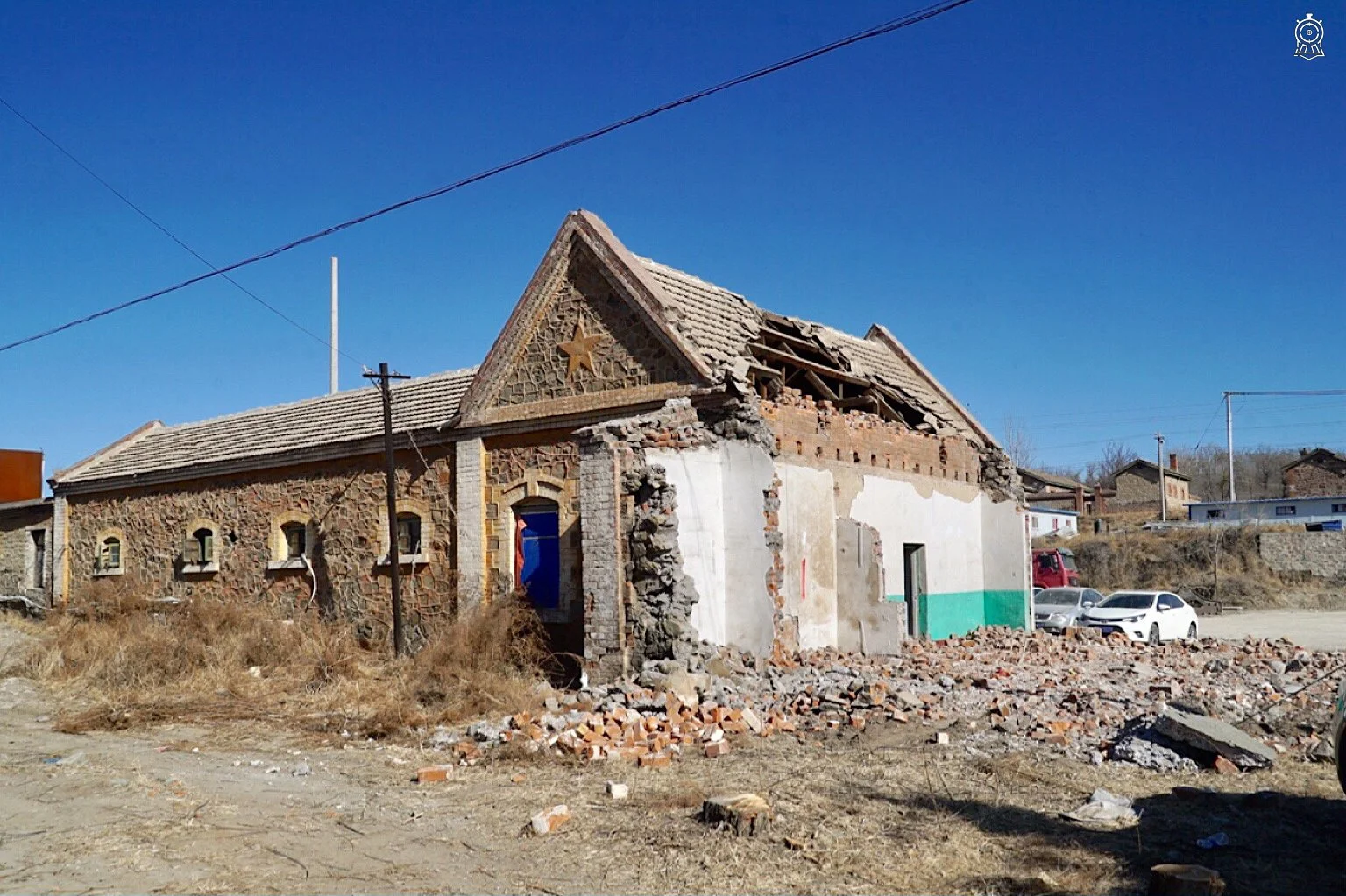
The partially demolished old Nanling Station building. Its cultural heritage plaque had originally been mounted on the right side of the image, but was removed before demolition. Photographed in October 2019.
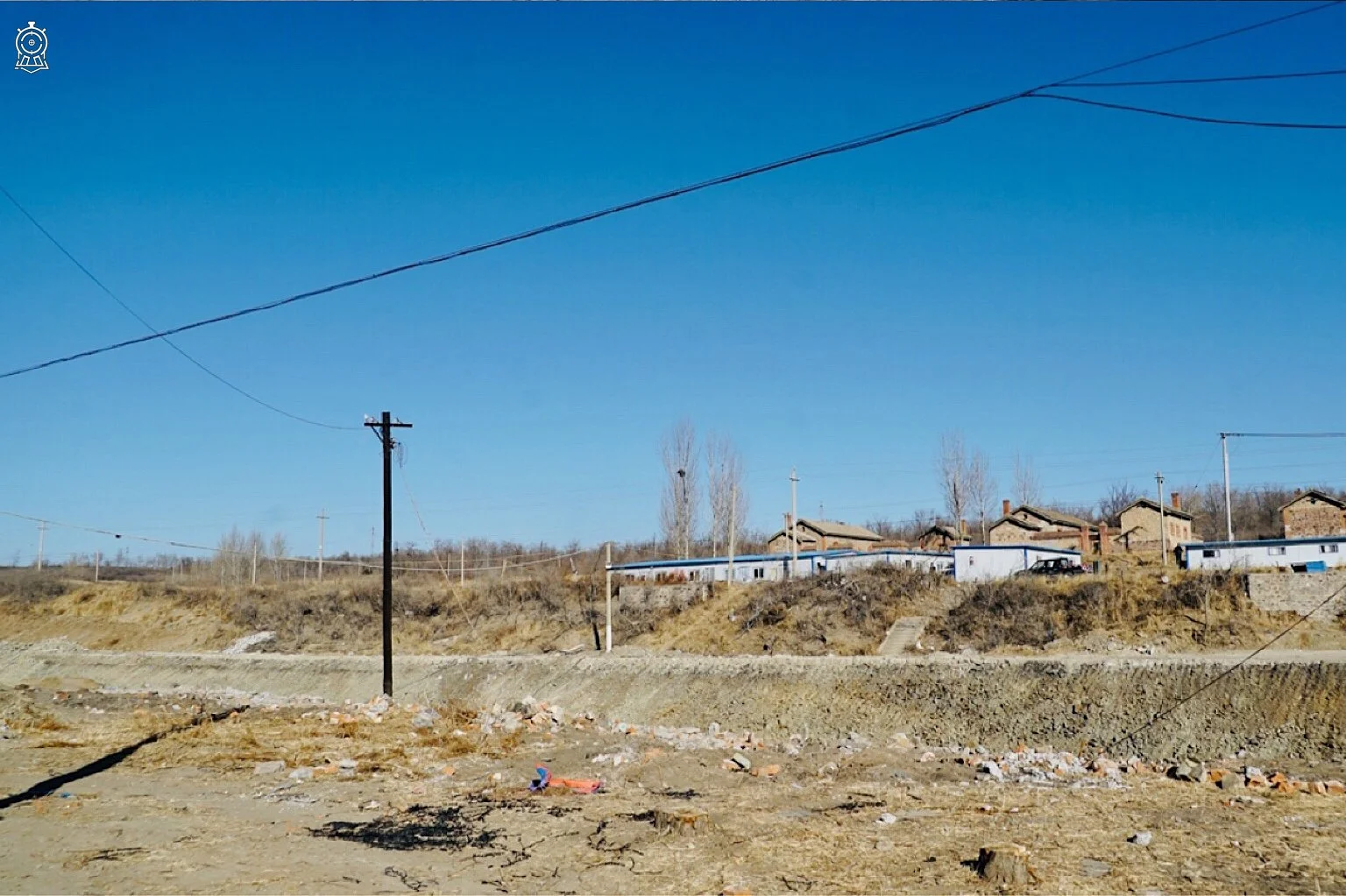
After more than two weeks of demolition work, the old Nanling Station building had been completely removed. Photographed in November 2019.
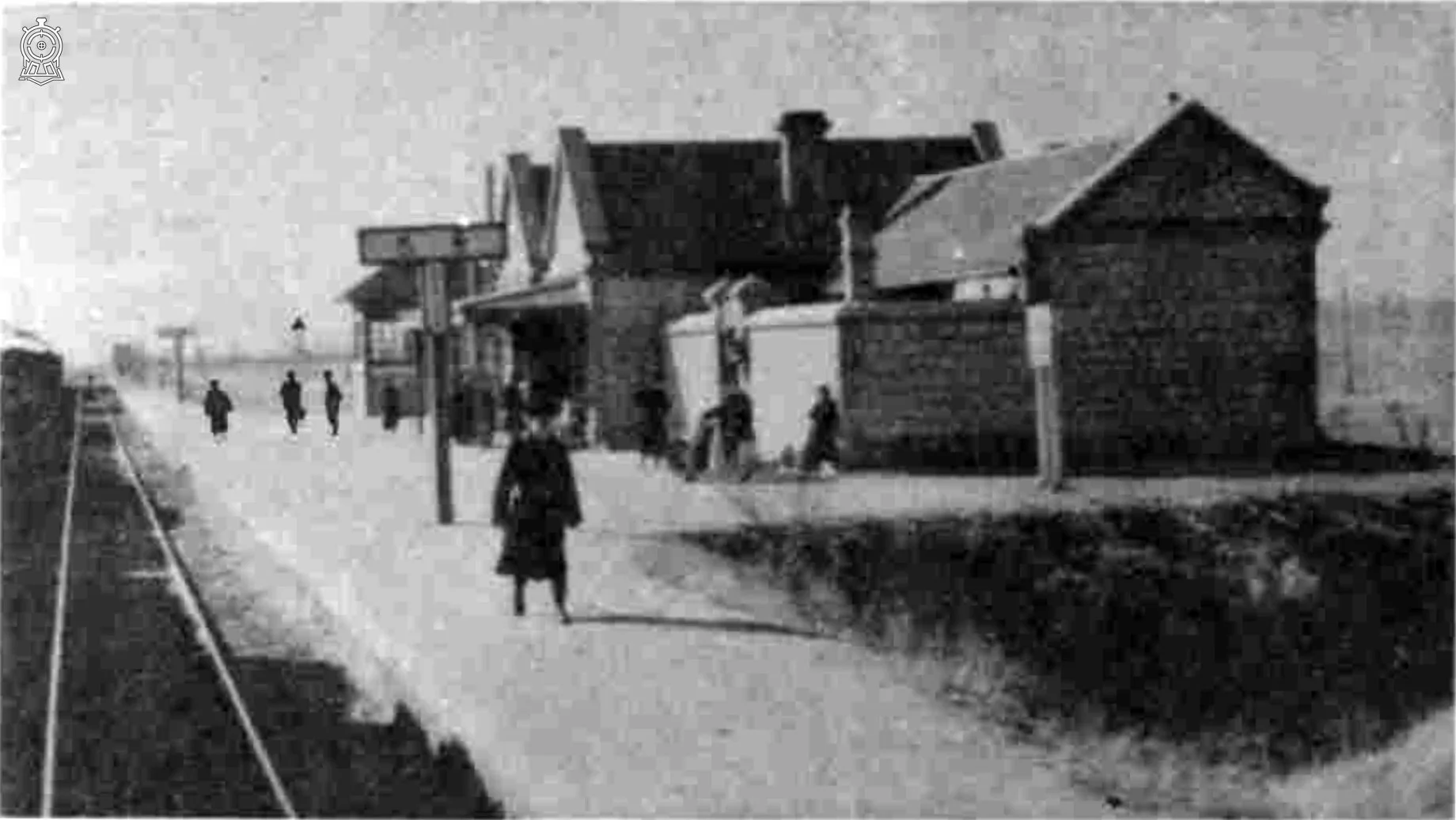
Chadian Station was established in 1887, initially with a simple station building. A second-generation station building was added in the early 1900s on the west side of the main line. Photographed in the 1930s. From the Survey Report on the Peiping–Liaoning Railway: Engineering Works.
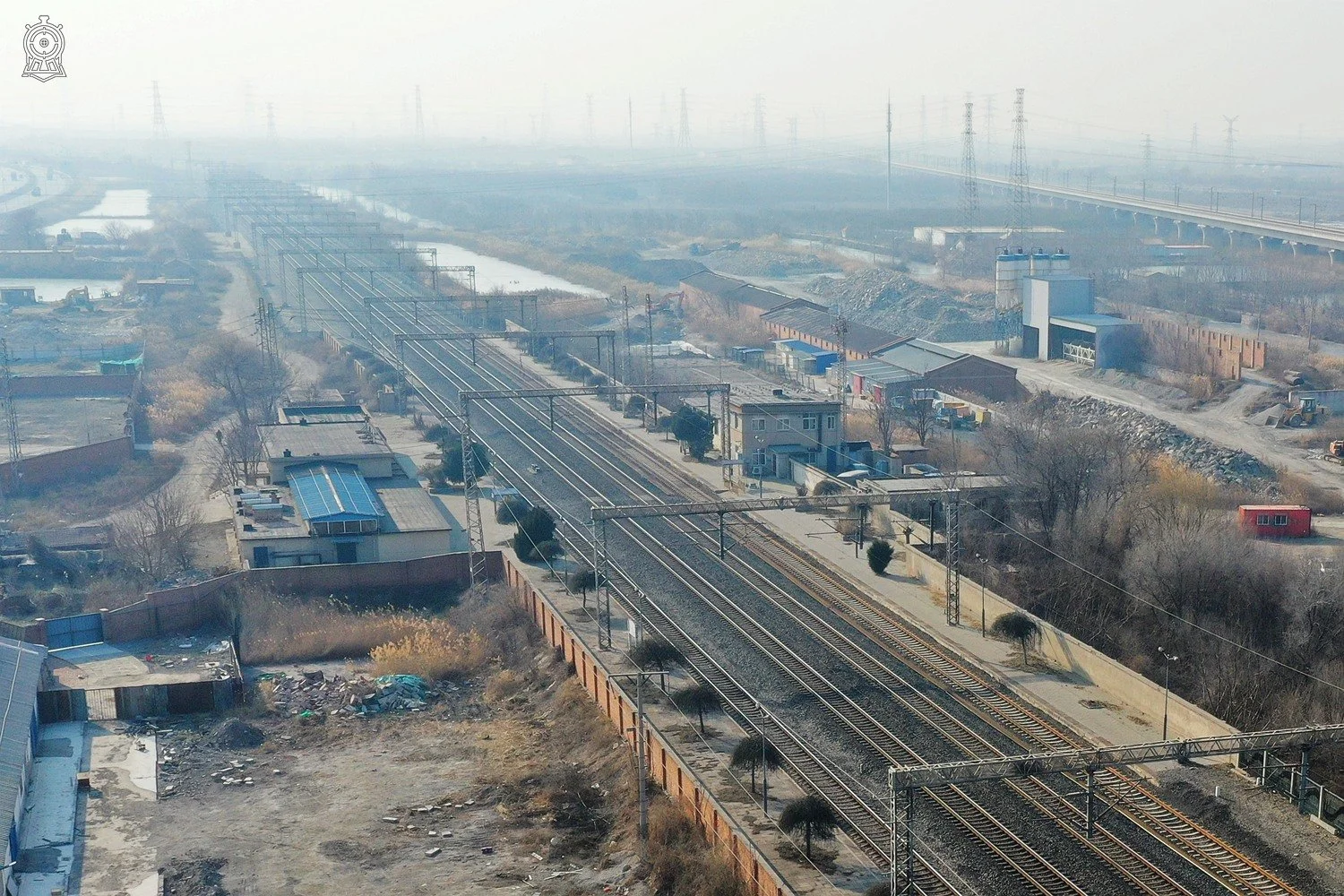
By the late 1980s, the old Chadian Station building had disappeared. Photographed in 2023.
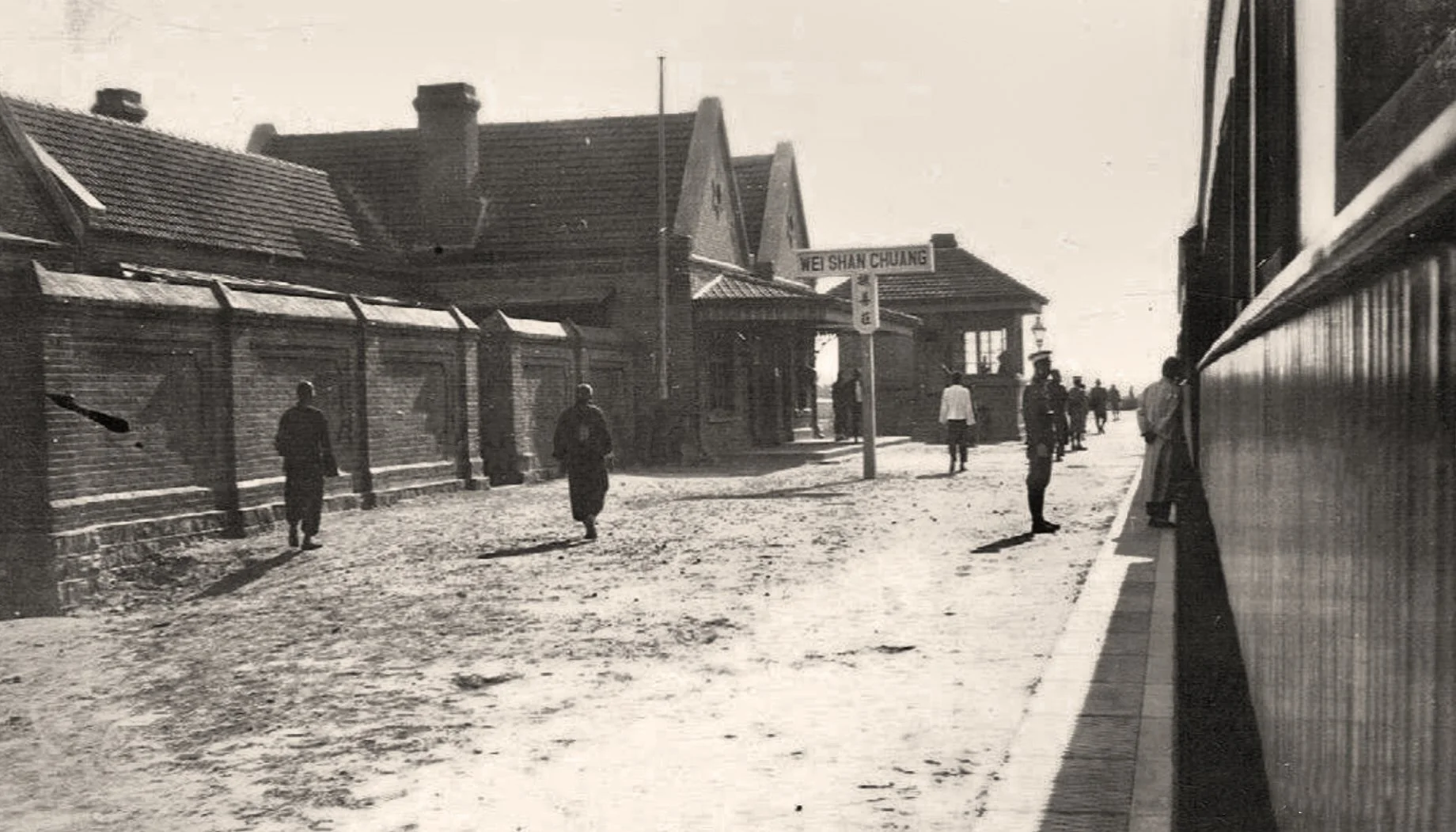
Weishanzhuang Station was built in 1928 as an additional intermediate station on the Peking–Mukden Railway. Its station building was almost identical to that at Huangtupo Station. Photographed in the 1930s.
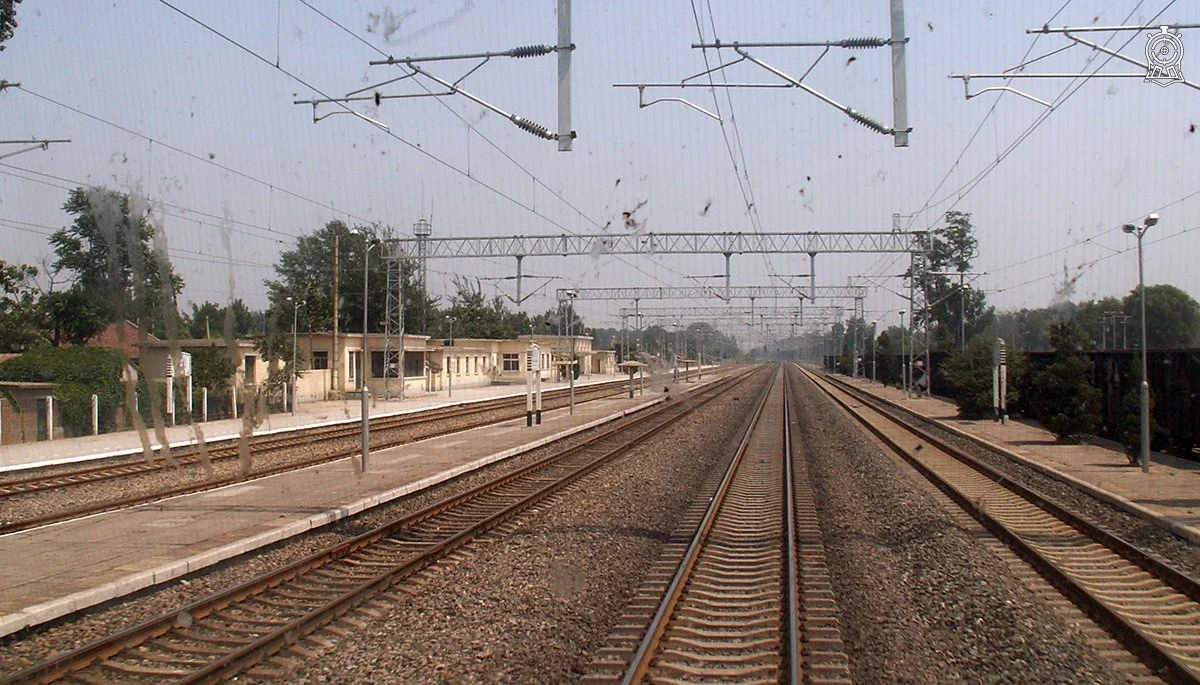
In the late 1980s, construction of the third track between Beijing and Tianjin led to the demolition of Weishanzhuang Station and several other historic station buildings along the line. Photographed in June 2006.
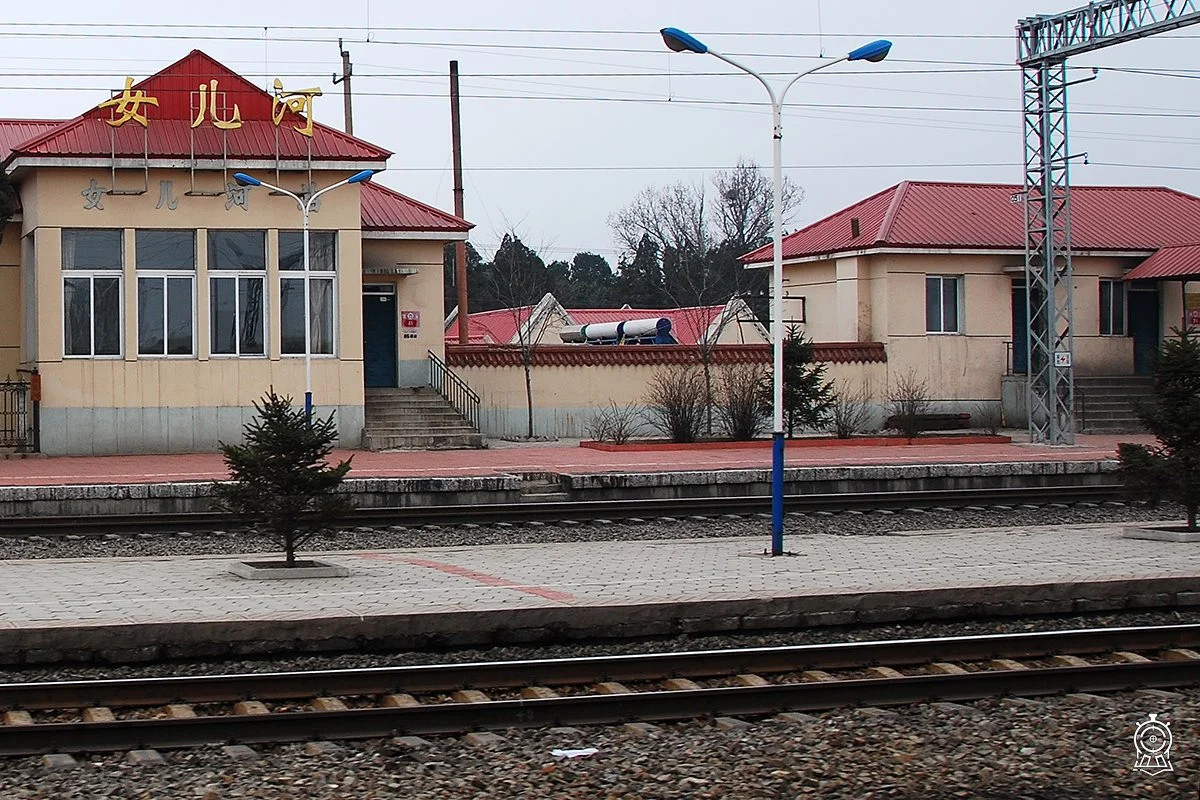
Nü’erhe Station was built in 1899. The station building stood below the track embankment; the twin-gabled structure can be seen behind the wall in the photograph. It was demolished sometime after 2009. Photographed in April 2008.
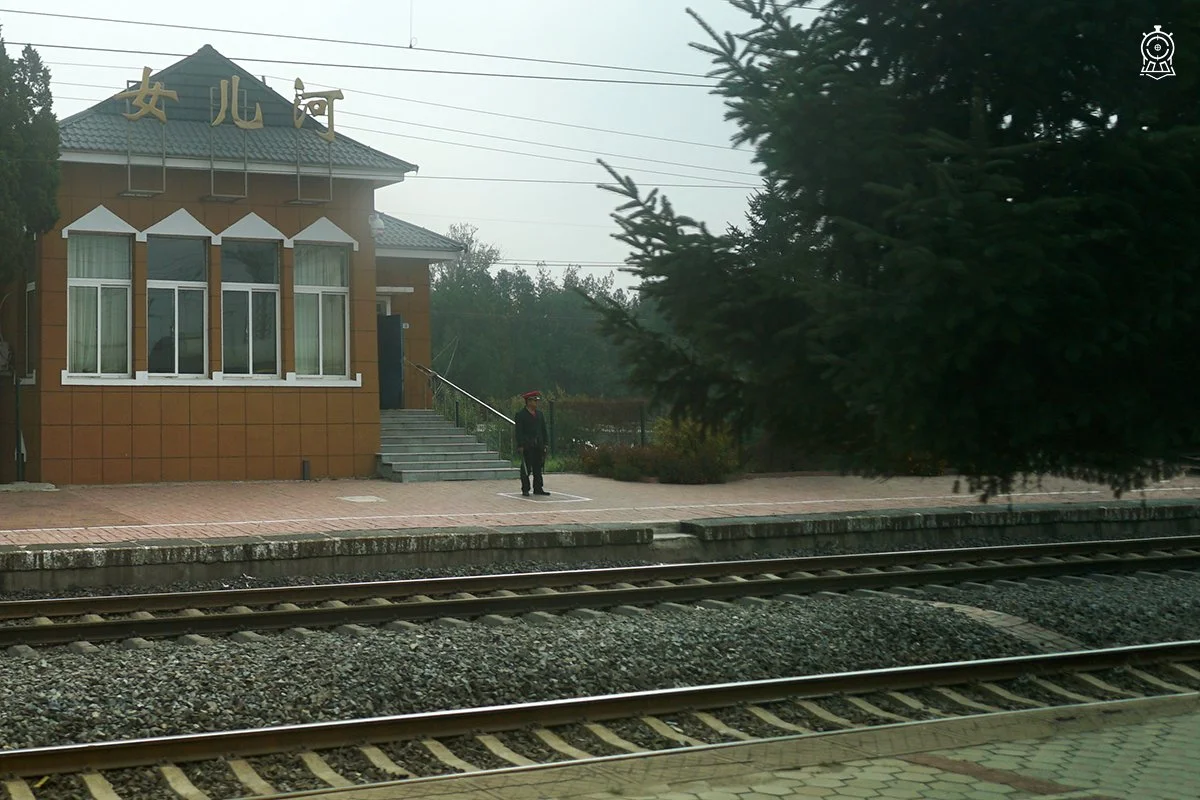
Site of the former Nü’erhe Station building, of which no visible trace now remains. Photographed in October 2019.月。
By the mid- to late nineteenth century, Britain’s major railway companies had developed increasingly distinctive architectural systems for small and medium-sized stations. Station buildings combining pitched roofs, projecting gables, timber bargeboards, and lower connecting ranges became especially common. A number of such examples still survive along the former Midland Railway. Bitton Station, shown here and built around 1869, consists of two projecting gabled sections linked by a lower central range and embellished with decorative bargeboards, making it a characteristic example of a Victorian rural railway station.
This composition bears a notable resemblance to the twin-gabled third-class station buildings that became widespread along the main line and branches of the Peking–Mukden Railway in the early twentieth century. In both cases, projecting gables dominate the façade, while lower connecting sections link the principal functional spaces. Pitched roofs, bargeboards, and timber detailing further reinforce the distinctive silhouette. By the mid- to late nineteenth century, British railway companies had already widely adopted standardized and related families of designs for smaller stations, and this approach provides an important point of reference for understanding the development of the twin-gabled stations of the Peking–Mukden Railway. Historic England has likewise noted that similar gabled station forms became a recognizable part of the Midland Railway’s architectural vocabulary.
At present, no direct archival evidence proves that the twin-gabled stations of the Peking–Mukden Railway were derived specifically from Bitton Station or from any single station in Britain. It is therefore more appropriate to regard them as a formal comparison within the broader tradition of British small and medium-sized railway station architecture of the period. Their similarities suggest that the twin-gabled stations of the Peking–Mukden Railway did not emerge in isolation, but were likely related to the mature station-building traditions and standardized design practices already established by British railway companies in the nineteenth century. As British engineers, railway technology, and design ideas entered China, this architectural tradition may also have been adapted and continued along the Peking–Mukden Railway, although the precise route of transmission remains to be established.
Ribblehead Station
Tracing the Origins
Bitton Station