1895-1928
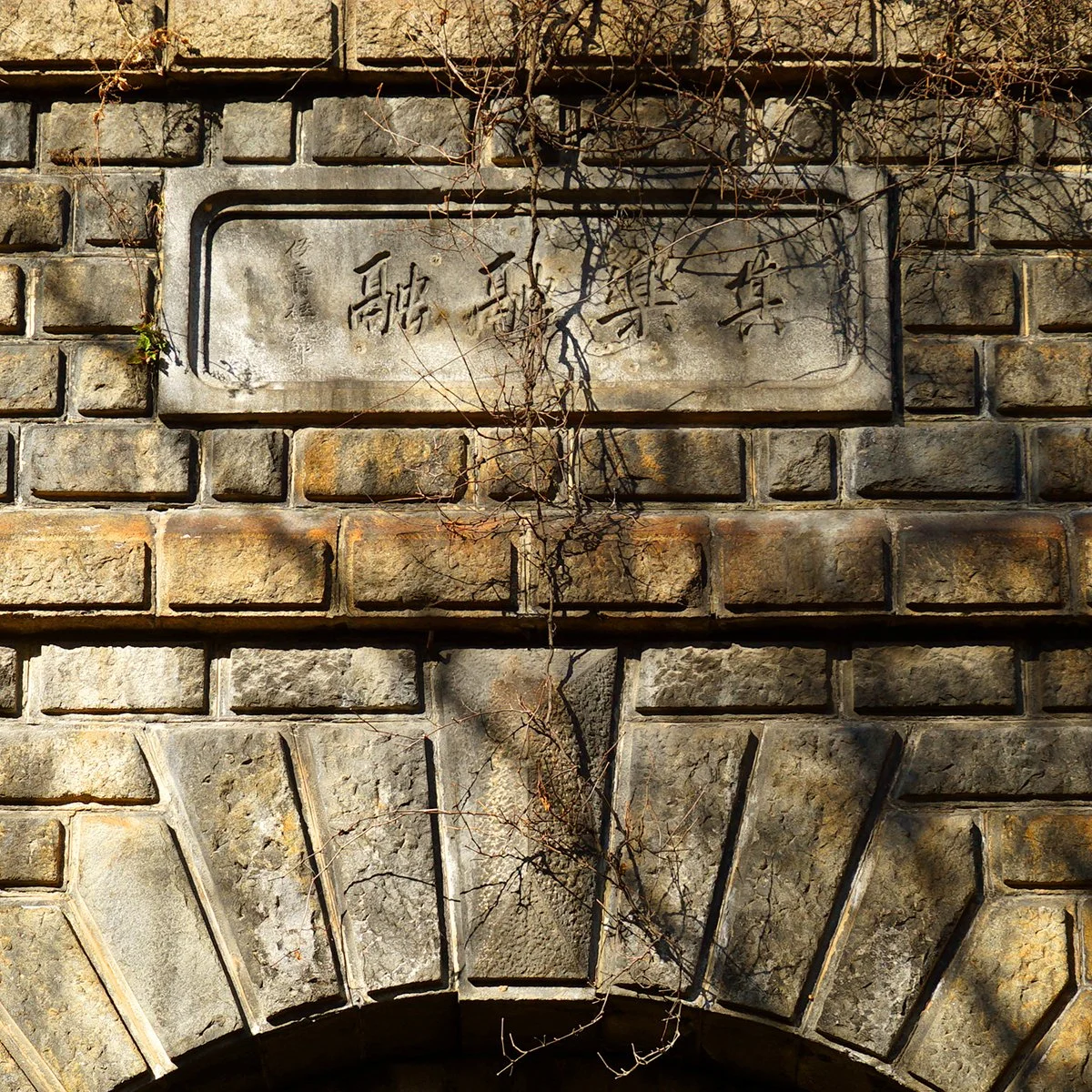
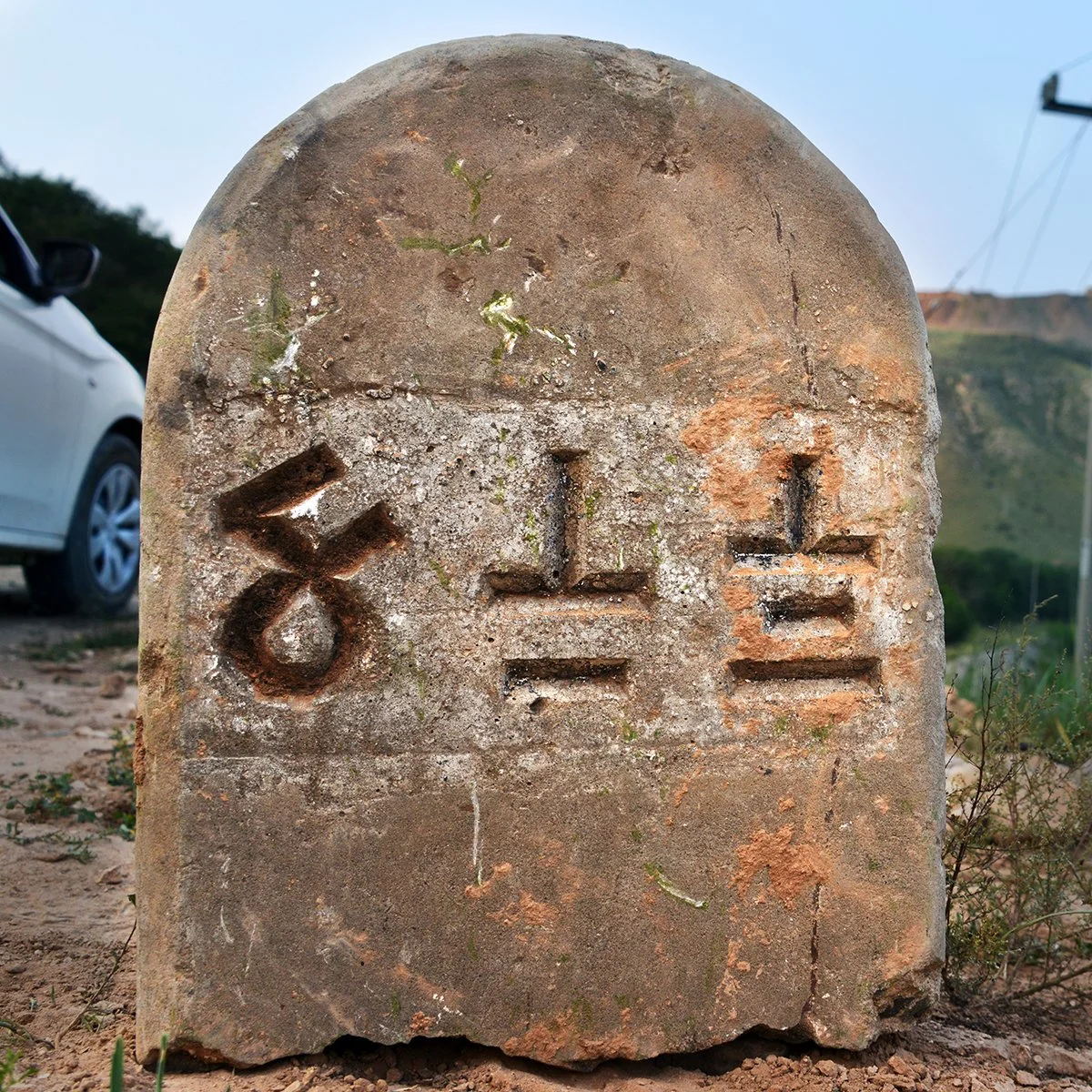
Following the First Sino-Japanese War, influenced by the signing of the Treaty of Shimonoseki and the carving up of spheres of influence by foreign powers, the Qing government began borrowing heavily from various countries on a large scale to construct railways. During this period, driven by differing strategic and economic agendas, foreign powers financed and oversaw the construction of railway lines with distinct characteristics across China: these ranged from the Shanghai-Nanjing Railway, spearheaded by British merchants primarily for capital and commercial purposes, to the Chinese Eastern Railway, South Manchuria Railway、Andong-Mukden Railway, and Kunming-Hanoi (Yunnan-Vietnam) Railway, built by Russia, Japan, and France respectively for military expansion and colonial control.
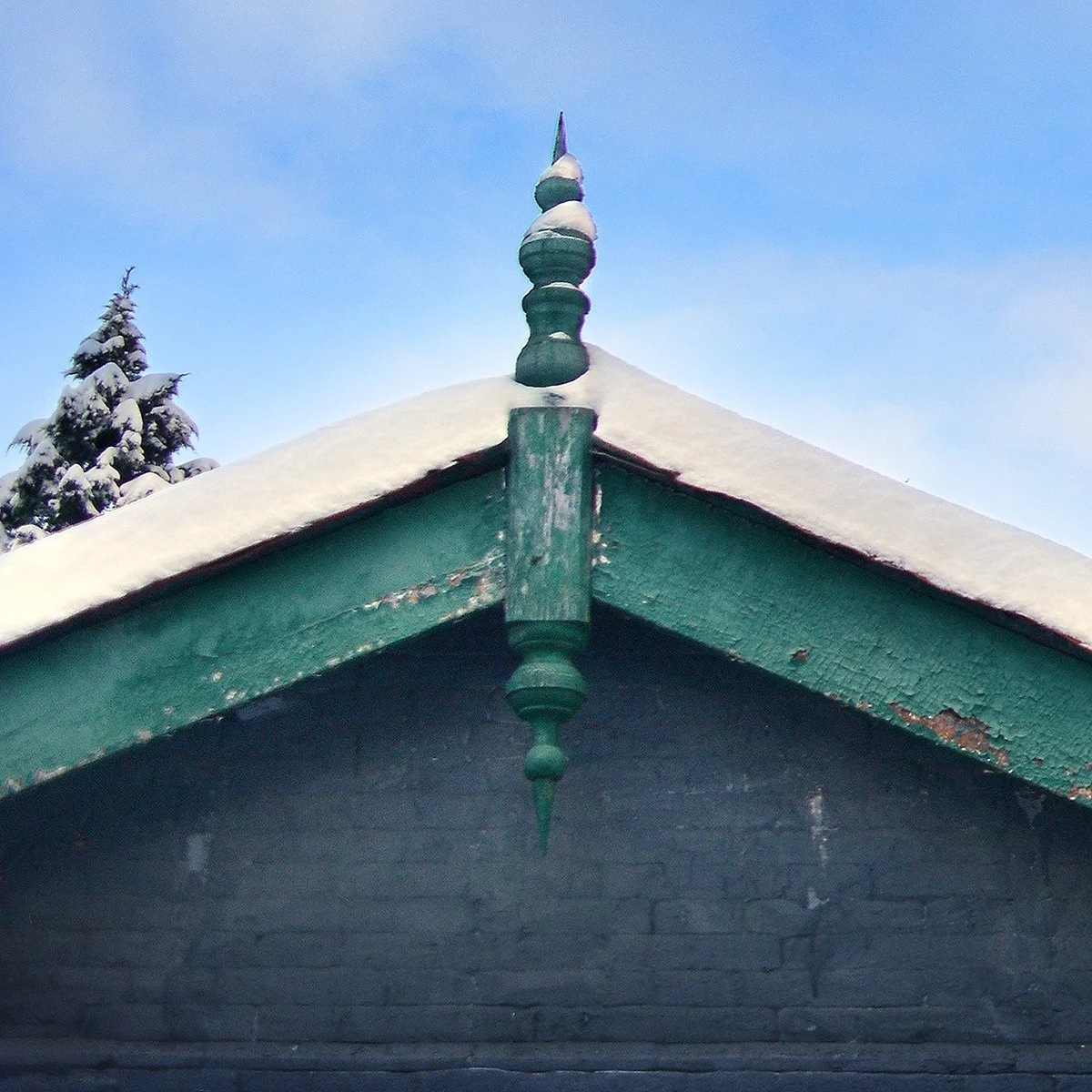
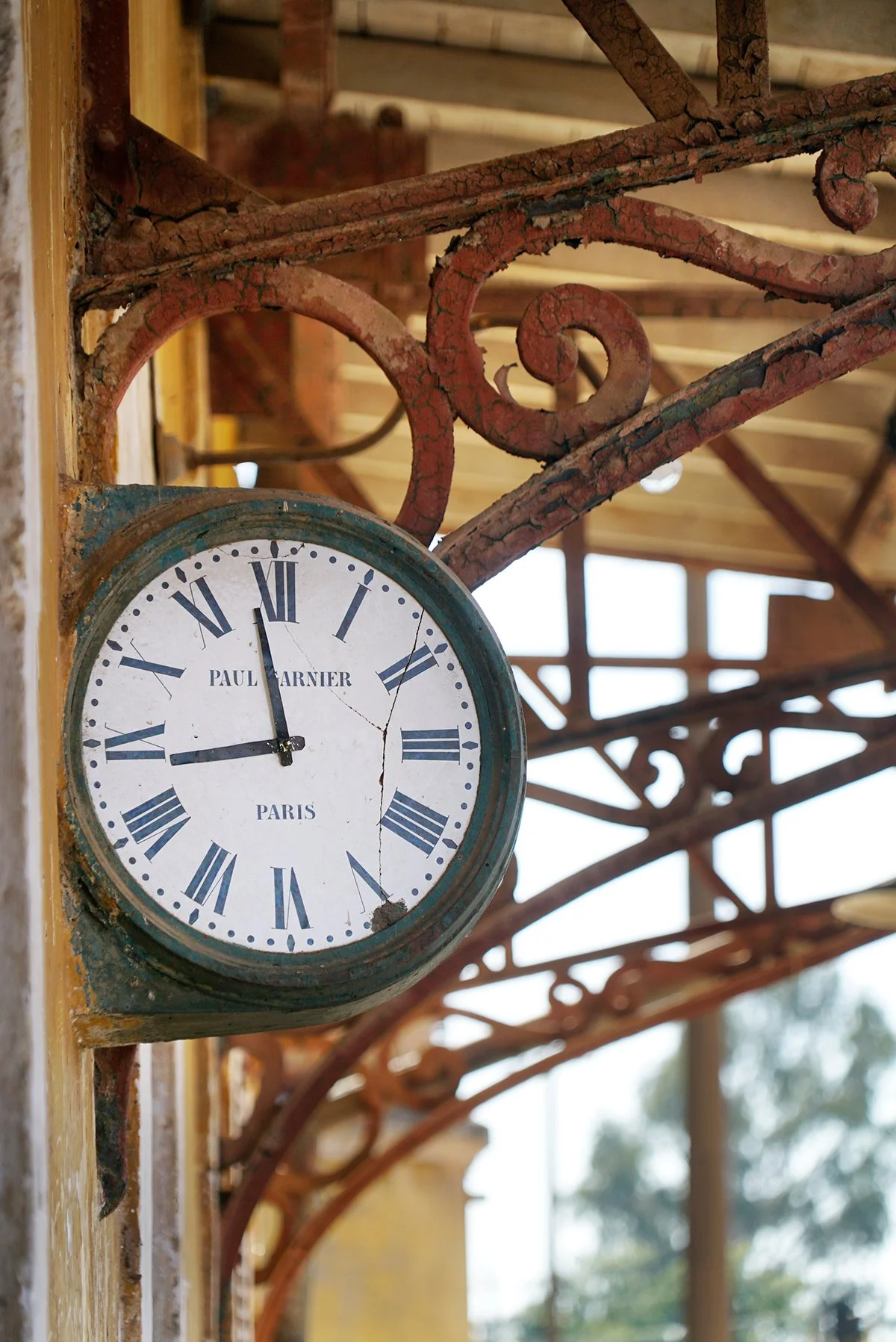
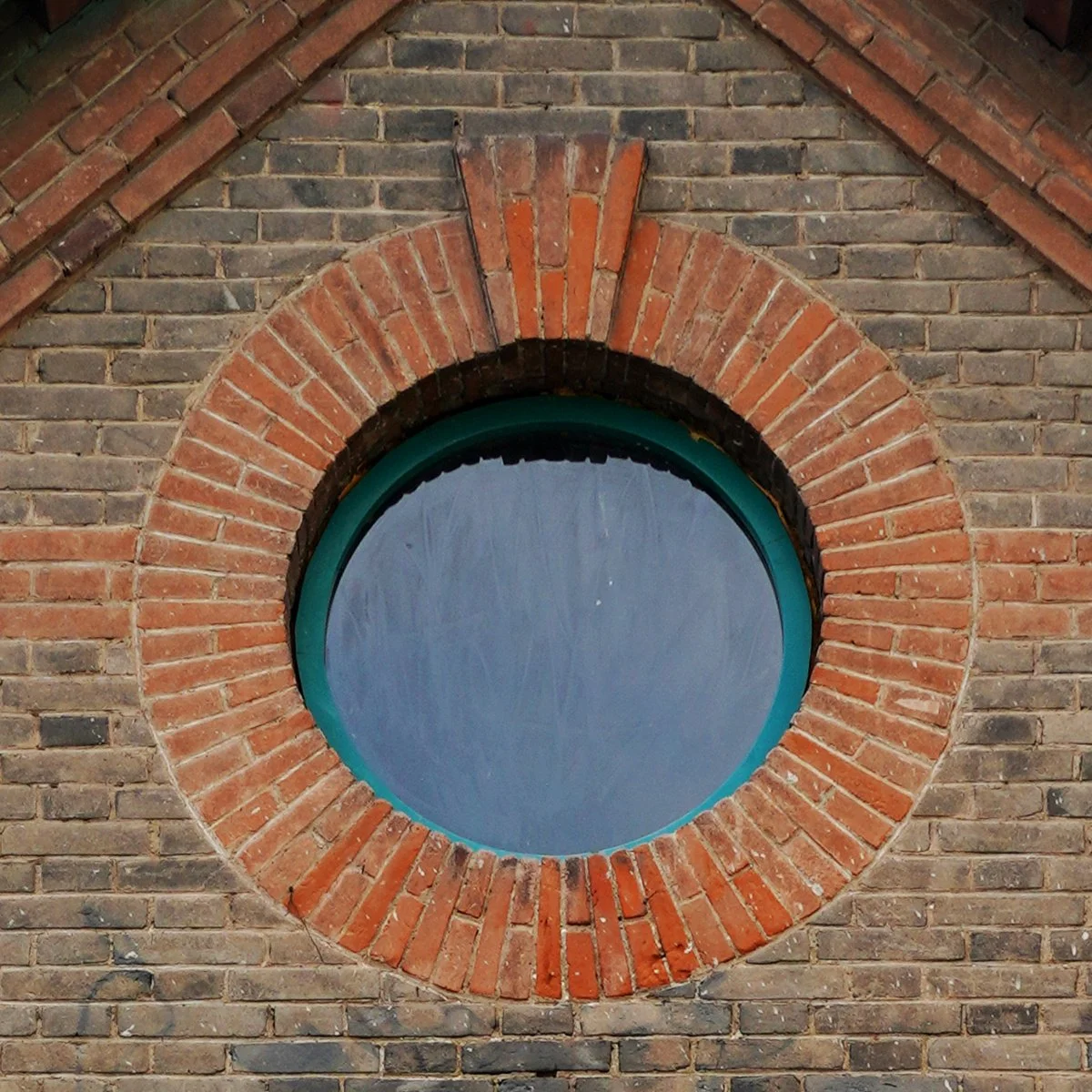
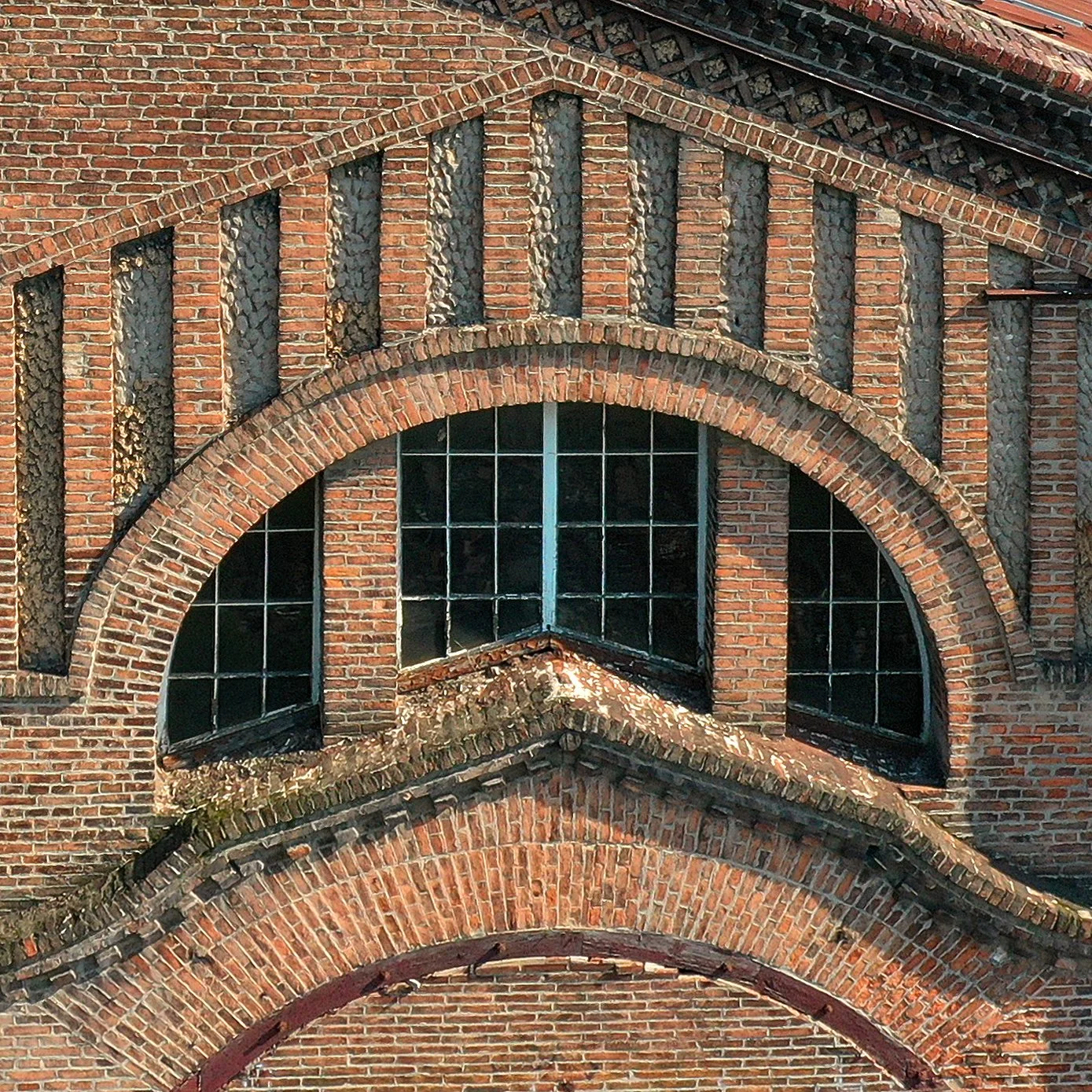
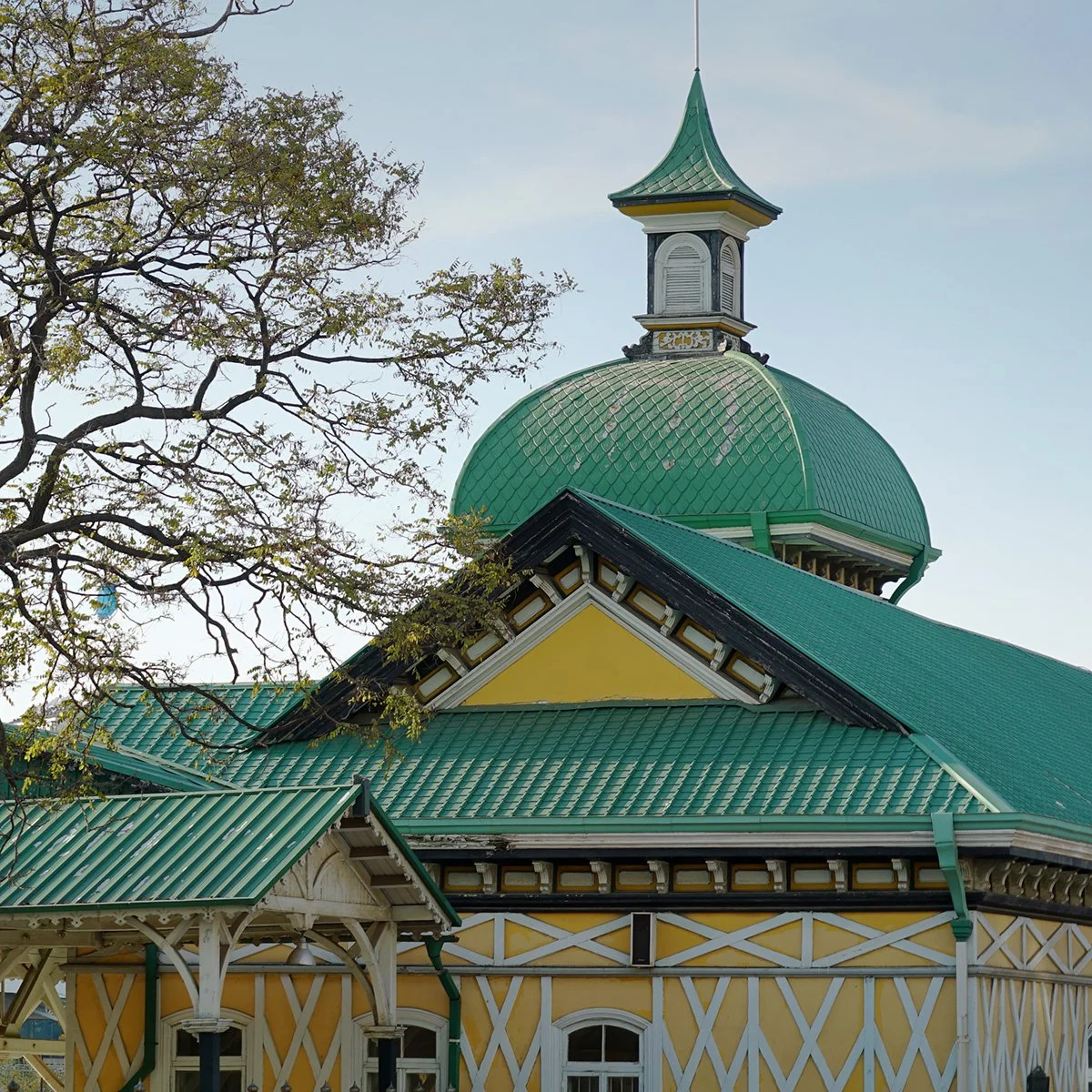
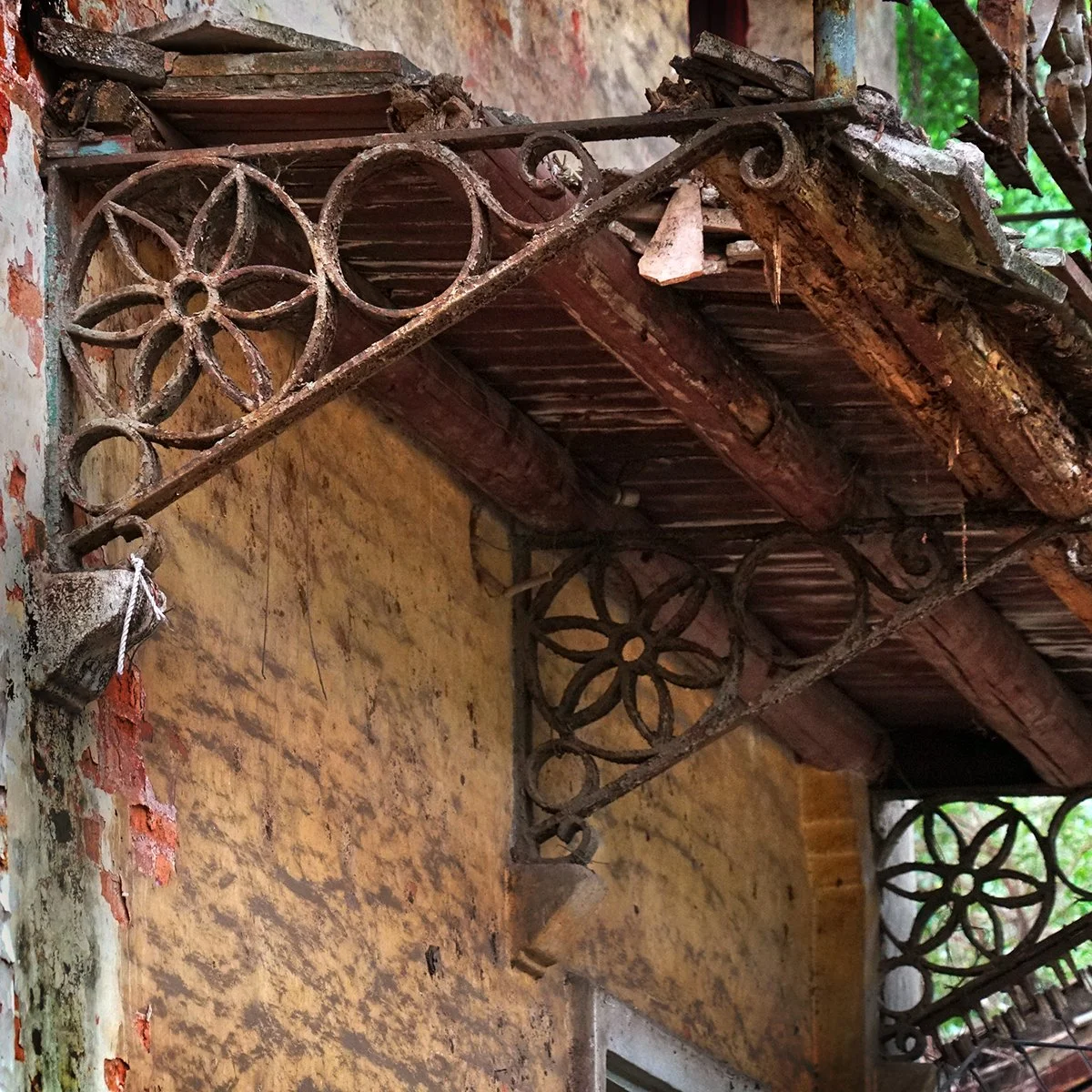
With the influx of foreign technology and capital, railway architecture and equipment bearing strong regional styles were introduced to China. Victorian British architecture, Franco-Russian styles featuring Mansard roofs, and Eclectic architecture fusing Chinese and Western elements were distributed across lines of various gauges—such as the British standard gauge (1435mm), the French metre gauge (1000mm), and the Russian broad gauge (1524mm). Together, these formed a unique "Museum of International Railways" in modern China.
During this period, China's awareness of railway sovereignty gradually grew, prompting initial attempts to independently raise funds and construct trunk lines. By the end of 1908, the Qing government successfully redeemed the sovereignty of the Beijing-Hankou Railway. By the late 1920s, following the establishment of the Nanjing Nationalist Government, the Fengtian clique and the central government reorganized railways in Northeast China. Through installment repayments of loans, China gradually lifted some foreign-controlled mortgages and reclaimed real administrative power over personnel, finance, and operations, though a significant portion of railway sovereignty still remained under foreign control.