
British Participation in Railway Construction
As the birthplace of the railway, Britain was also the first country to export railway technology and capital to China. Even before the First Sino-Japanese War of 1894–1895, British merchants and engineers were deeply involved in China’s early railway development. Following China's defeat and the signing of the Treaty of Shimonoseki, the Qing government faced severe fiscal distress amidst a scramble by foreign powers to carve up spheres of influence, leading it to borrow heavily from Britain and introduce British railway technology and equipment on a large scale. The 1898 loan agreement placed substantial financial and administrative constraints on the railway, while giving British financial interests and technical personnel an expanded role in its construction and supervision.

During this period, Britain successively participated in building the railway inside and outside Shanhaiguan (including the Tianjin-Luanzhou and Guandong railways), the Baoding-Beijing section of the Luohan Railway, the southern section of the Tianjin-Pukou Railway, the Shanghai-Nanjing Railway, as well as the Tongzhou and Yingkou branch lines. Following the establishment of the Republic of China in 1912, the Beiyang government began negotiating with Britain to reclaim railway sovereignty. By the late 1920s—especially after the establishment of the Nanjing Nationalist Government—the Fengtian clique and the central government actively reorganized Northeast China's railways. Through installment repayments of loans, China gradually lifted foreign-controlled mortgages and reclaimed real administrative power over personnel, finance, and operations. Notably, the engineering standards and design blueprints established by the British in the early years were inherited and adopted by China in its independently designed and constructed Beijing-Zhangjiakou and Zhangjiakou-Suiyuan railways, as well as in Chinese-controlled lines with independent sovereignty such as the Jinzhou-Chaoyang and Datong branches. To this day, railway structures and equipment identical or similar to those built or influenced by British participation in China can still be found in Britain.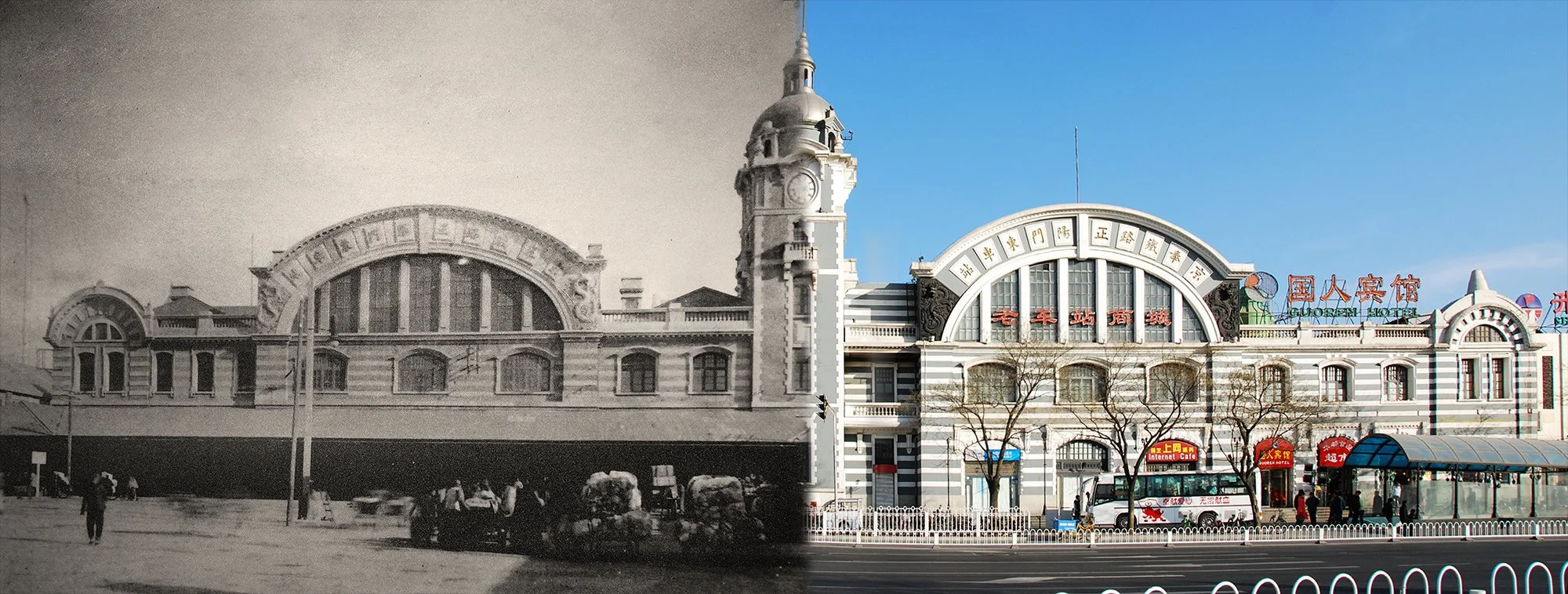
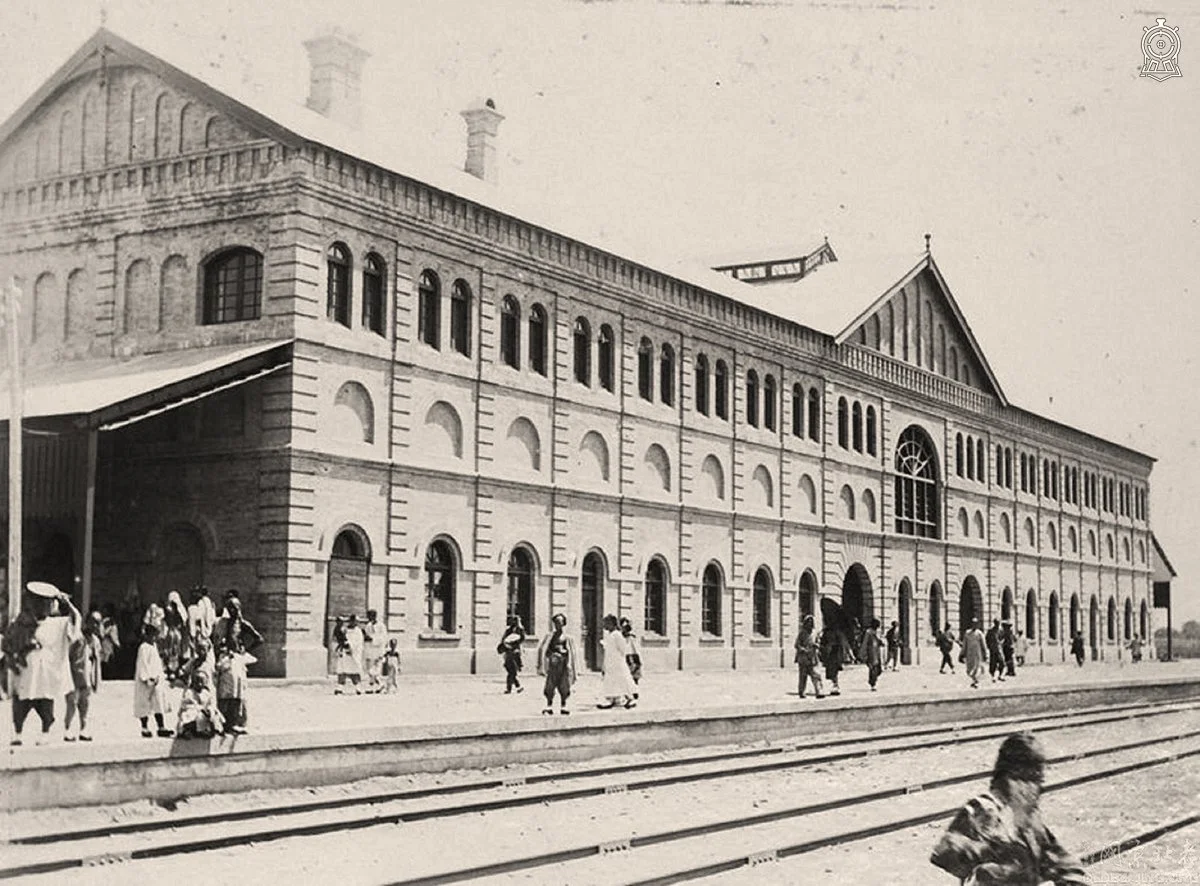
Railway terminal — First-class station building
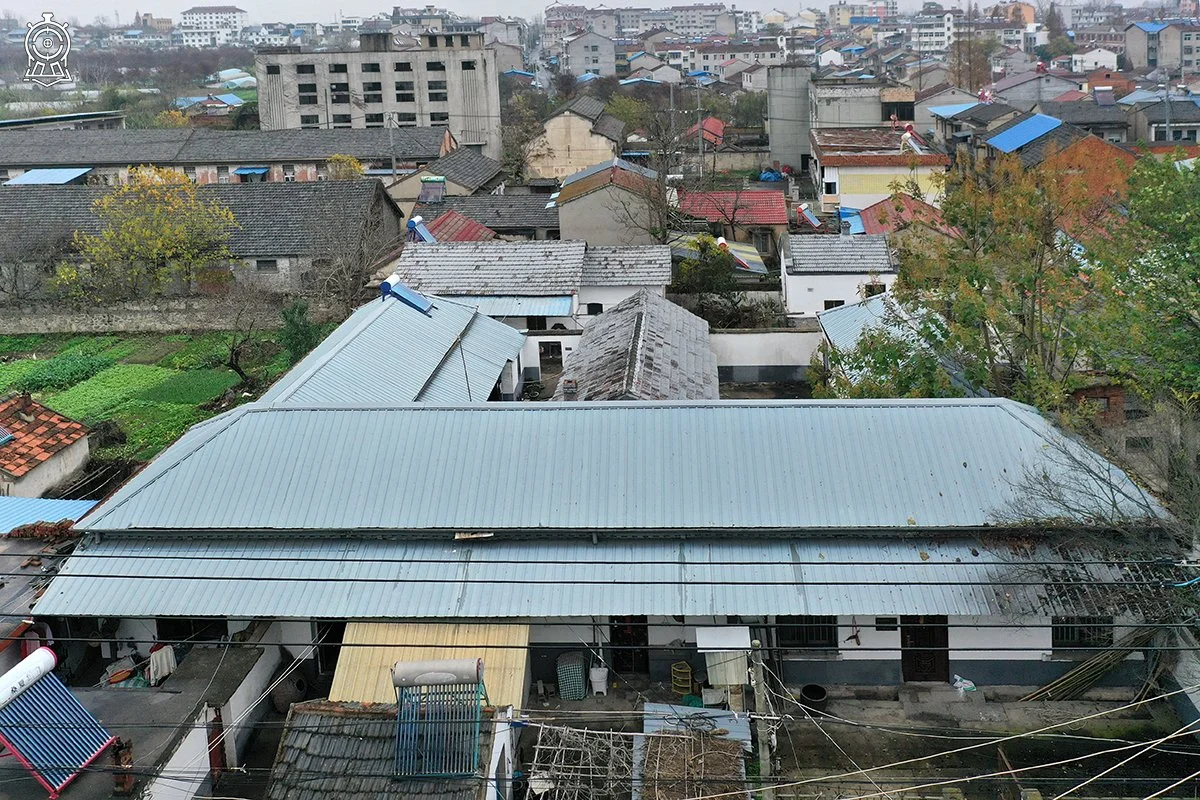
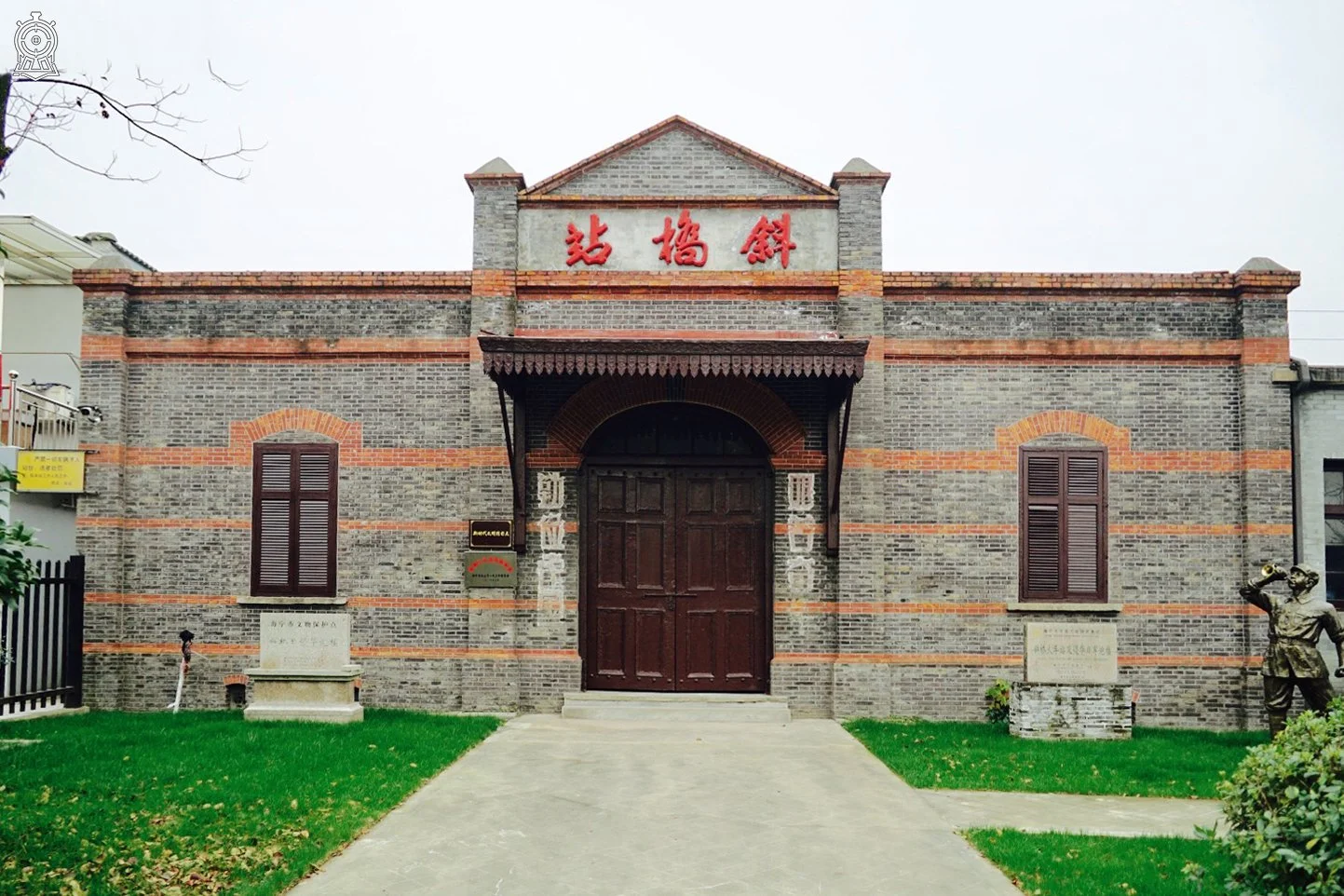
Third-class station building
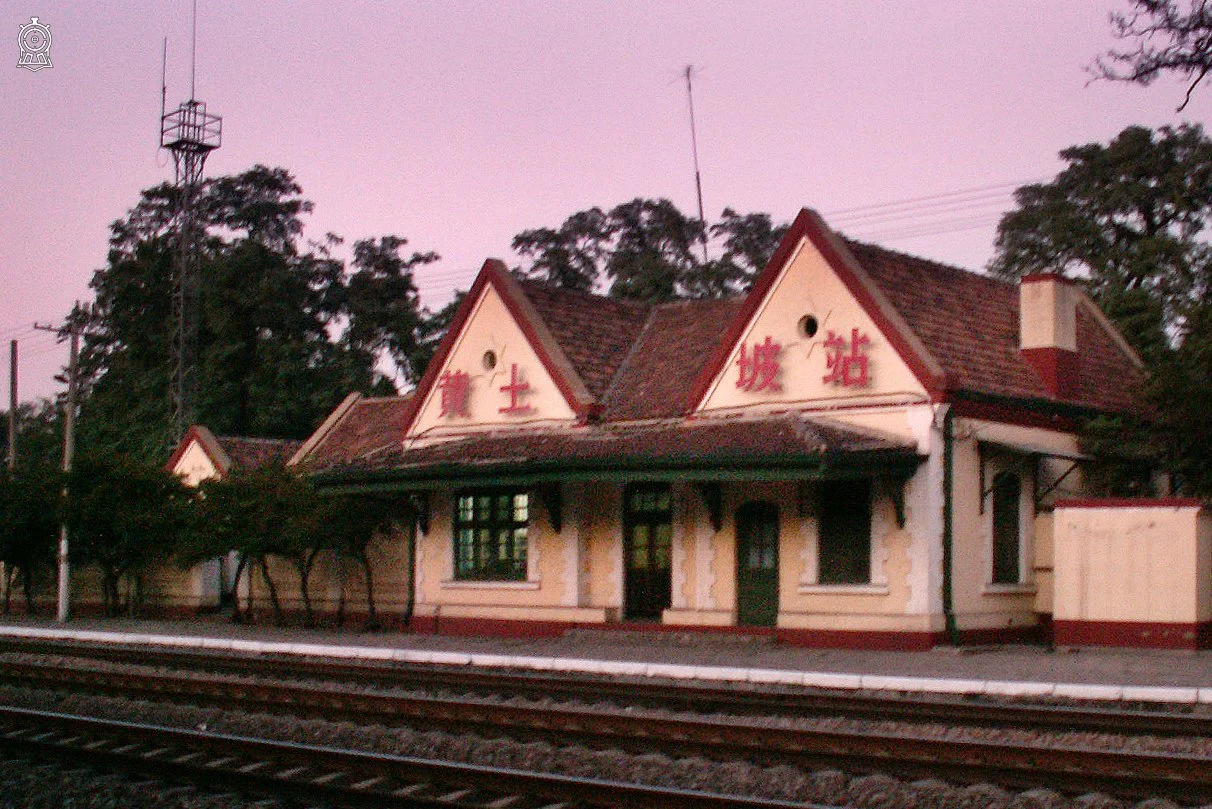
British-Style Twin-Gabled Third-Class Station Buildings
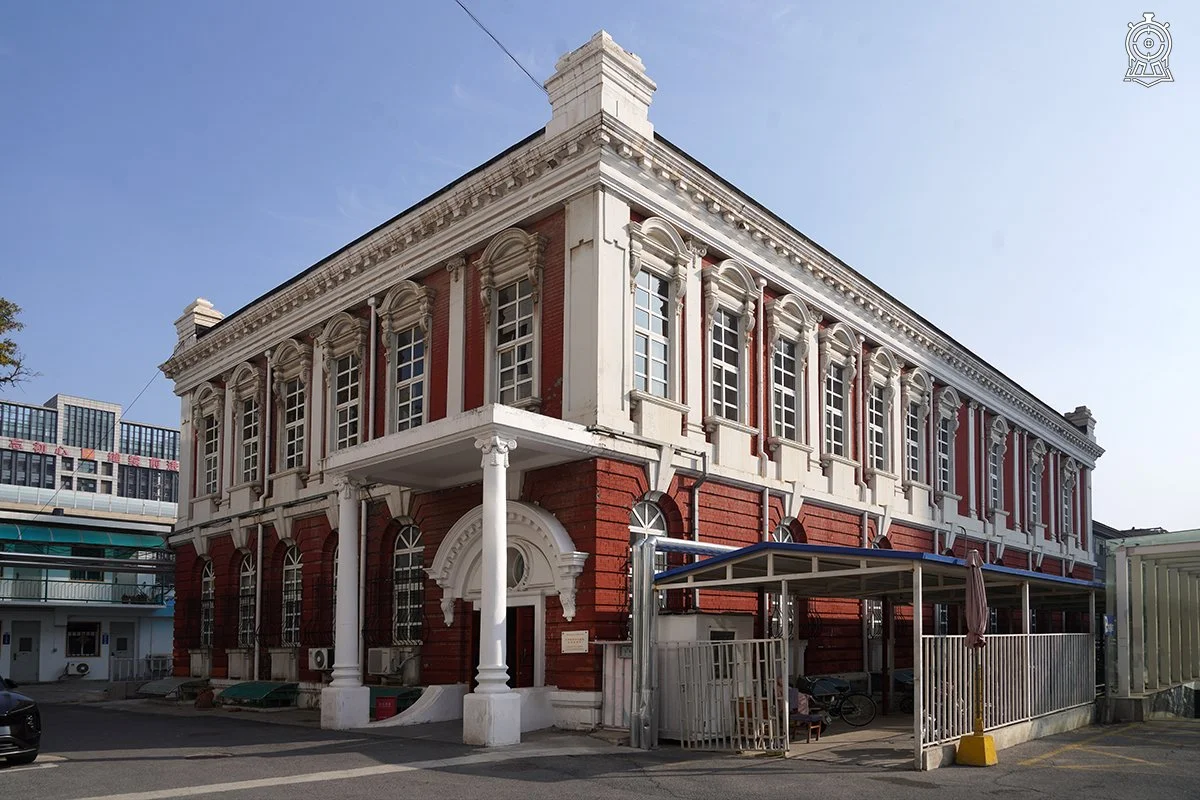
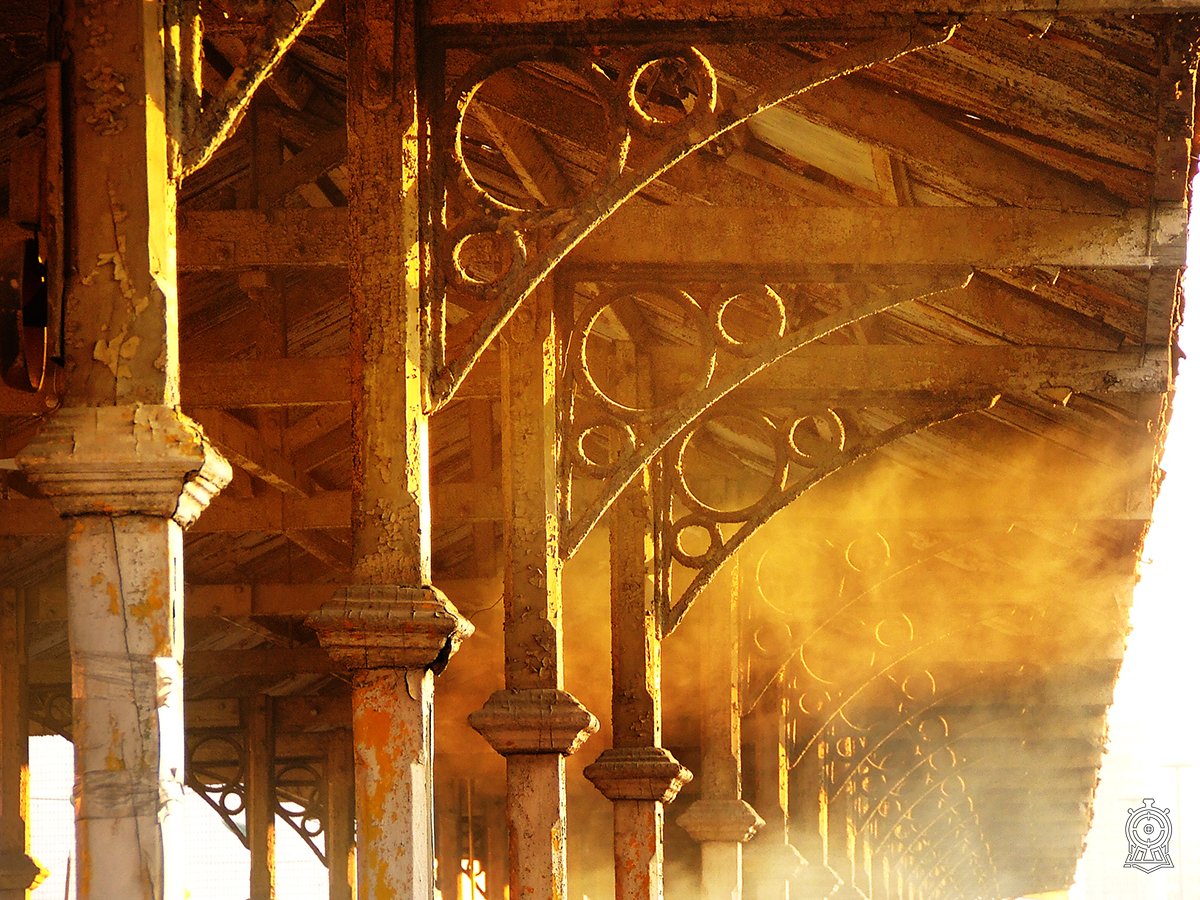
Third-Class Station Buildings on the Southern Section of the Tianjin–Pukou Railway
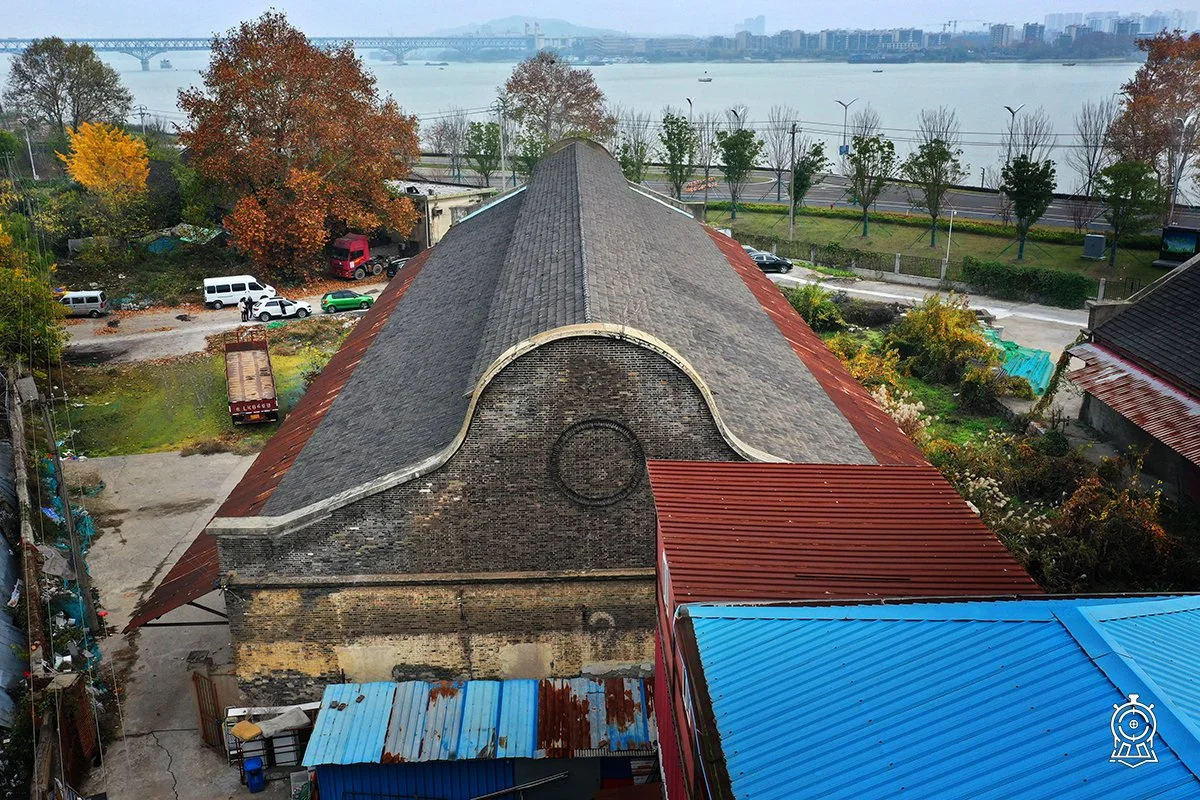
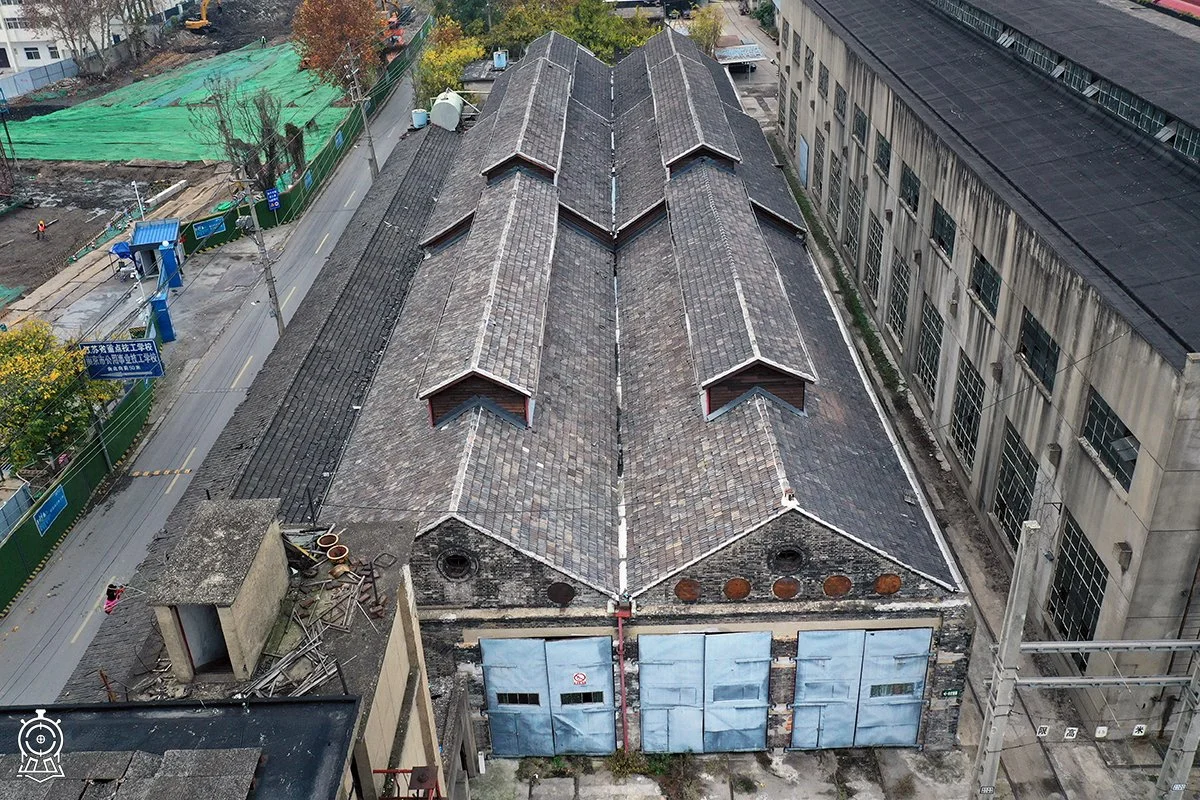
Engine Houses
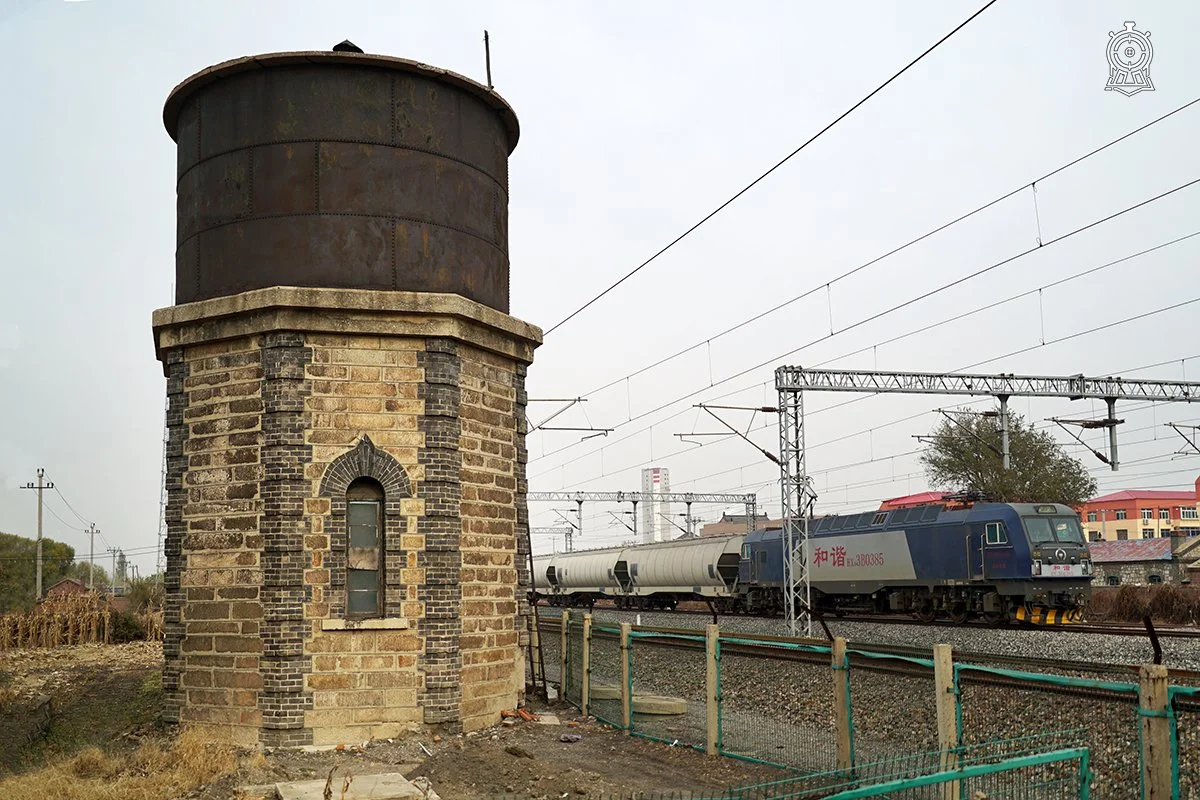
Water tower
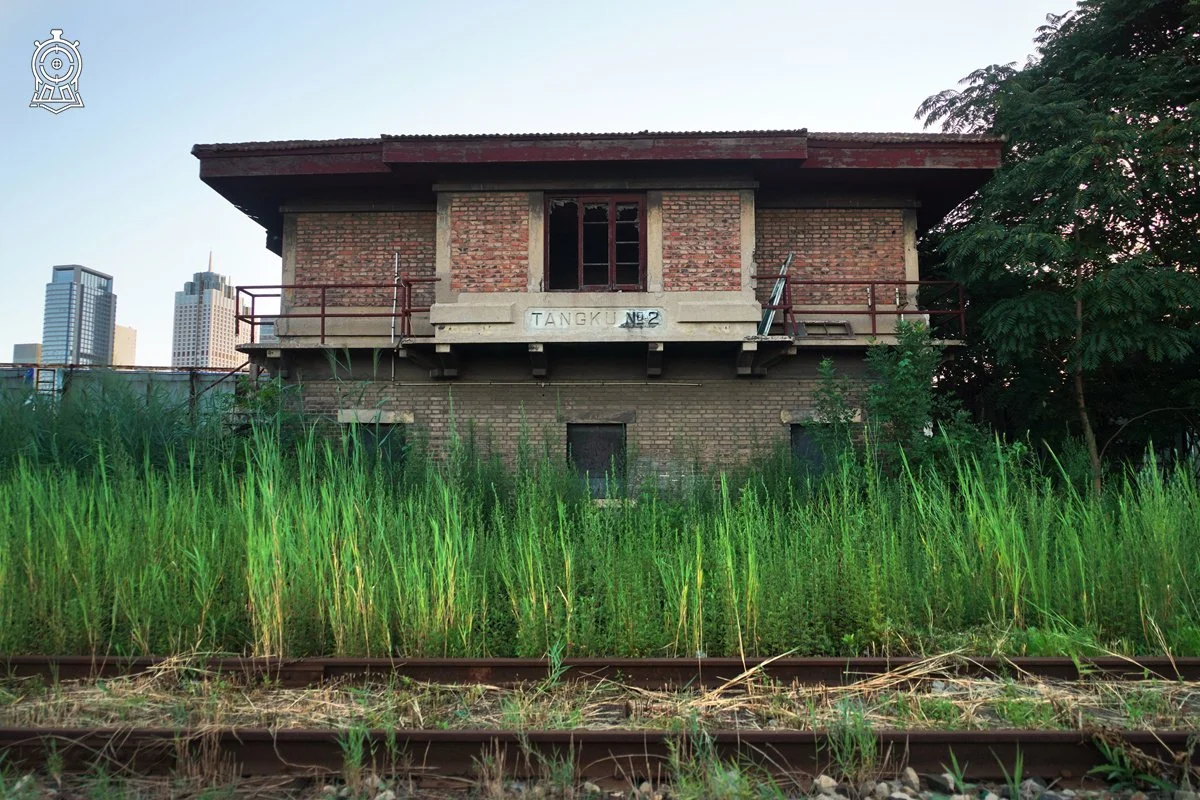
Signal box
Tunnel
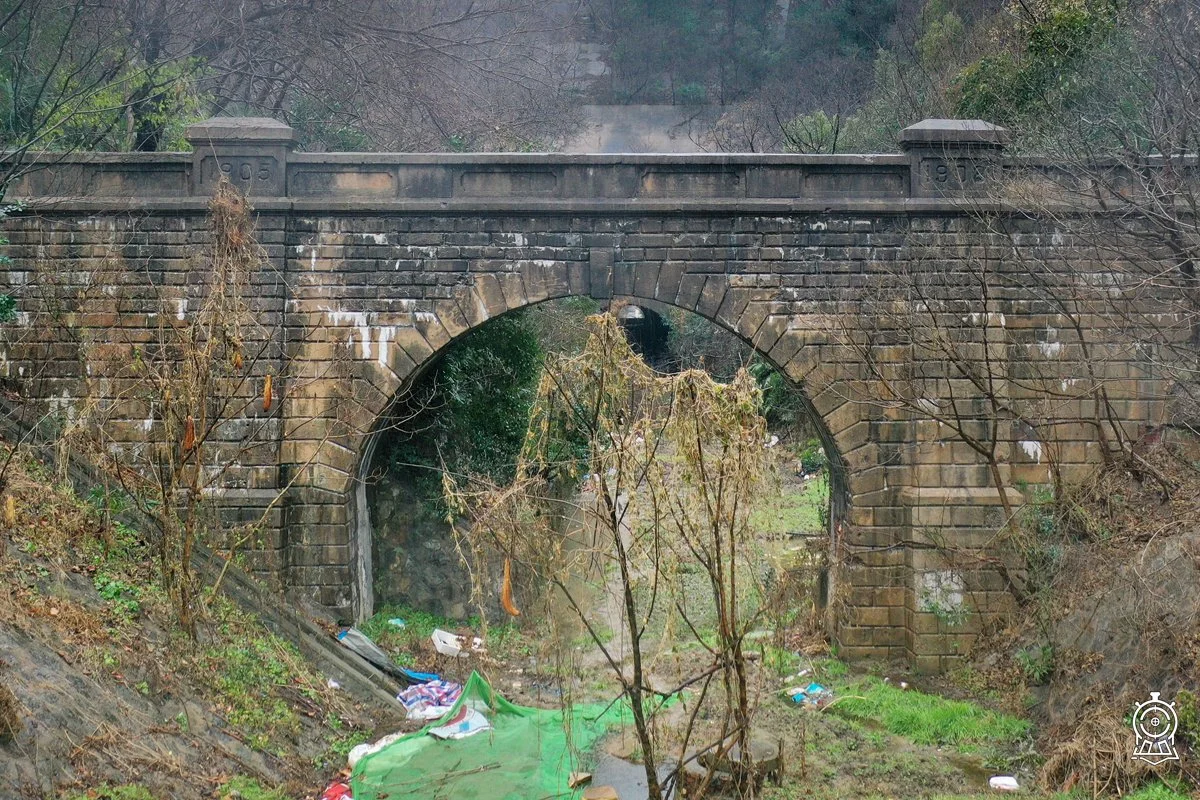
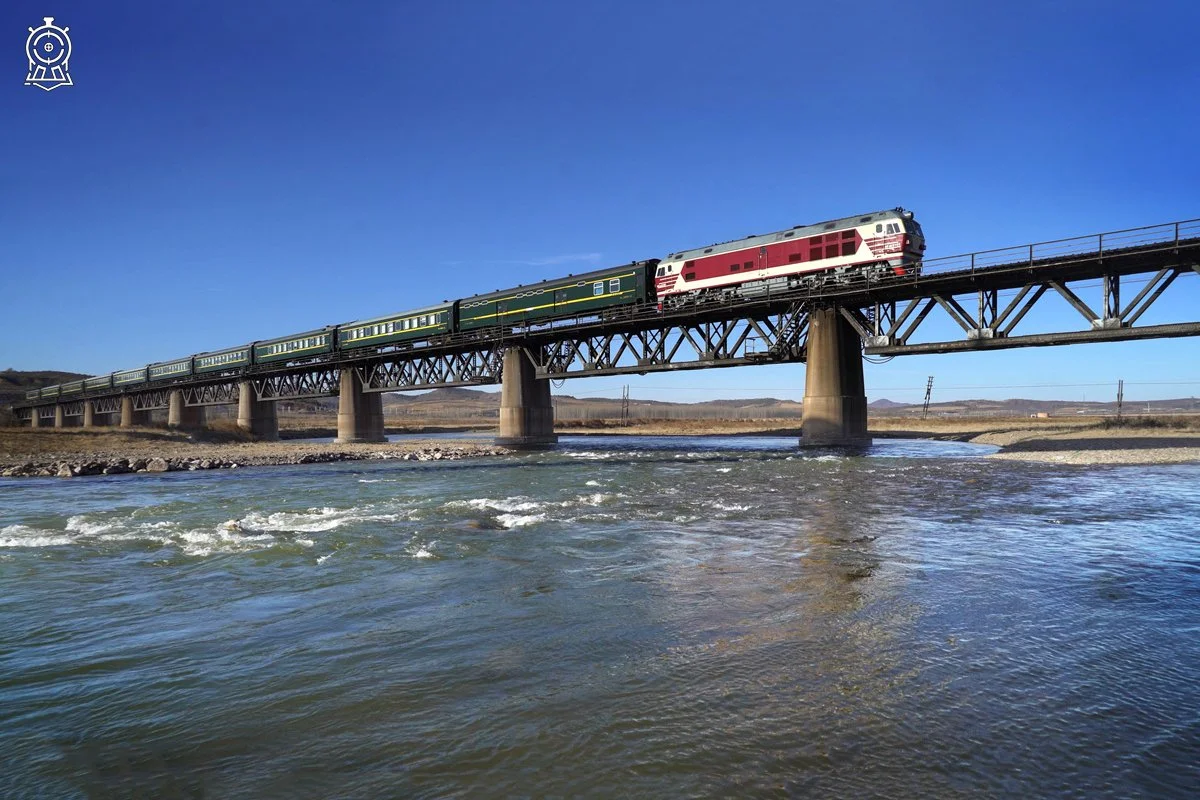
Bridge and culvert
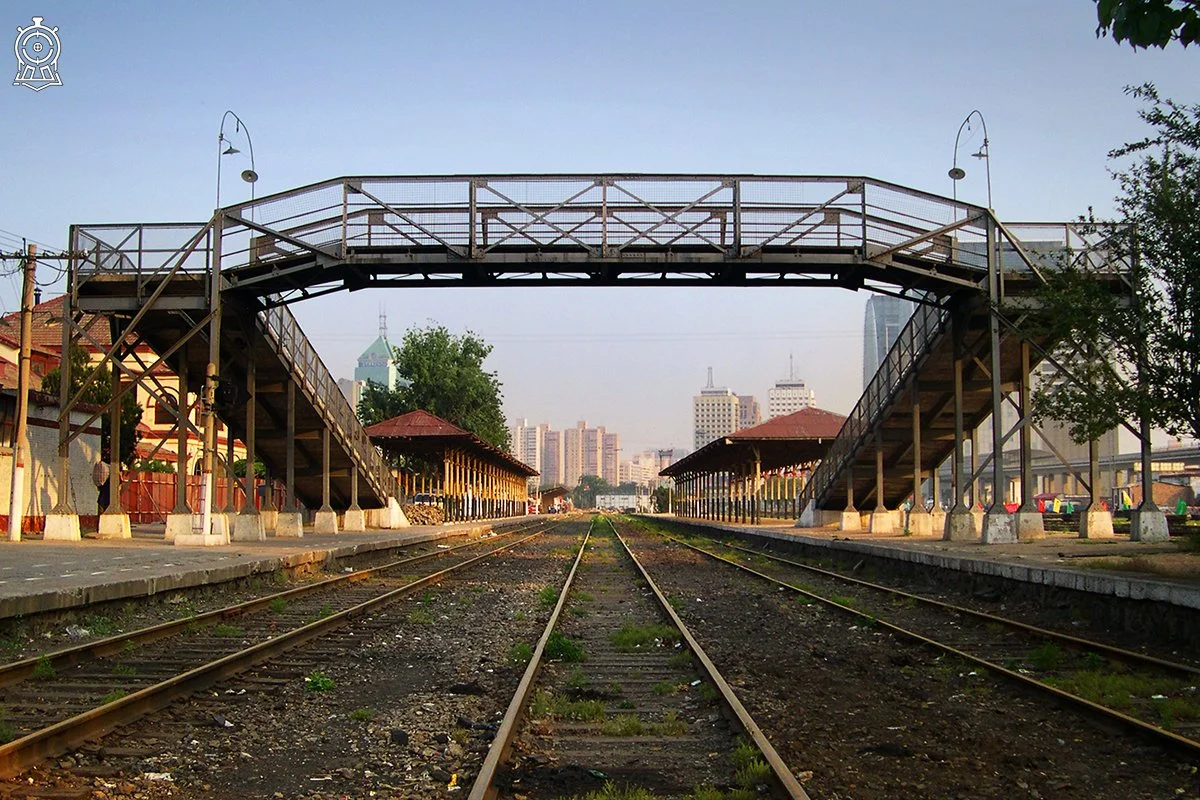
Footbridge
Ancillary building
Warehouse
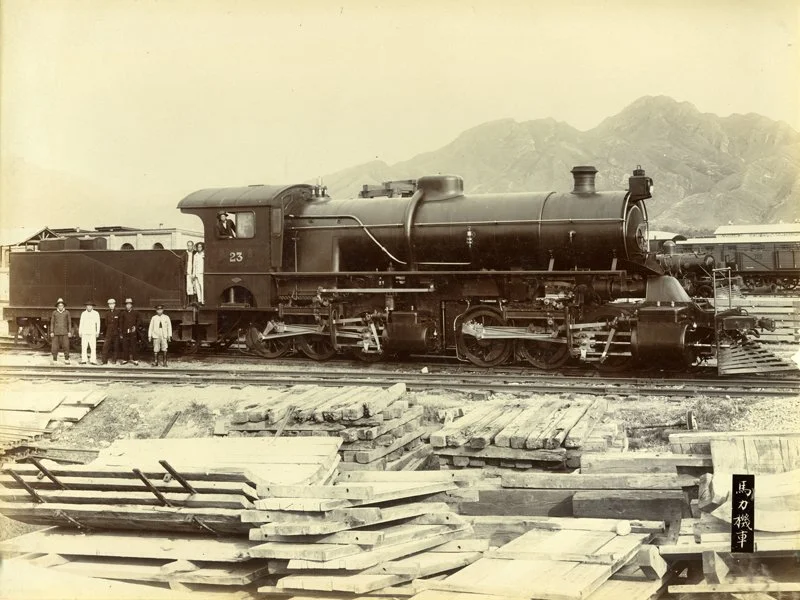
Locomotive
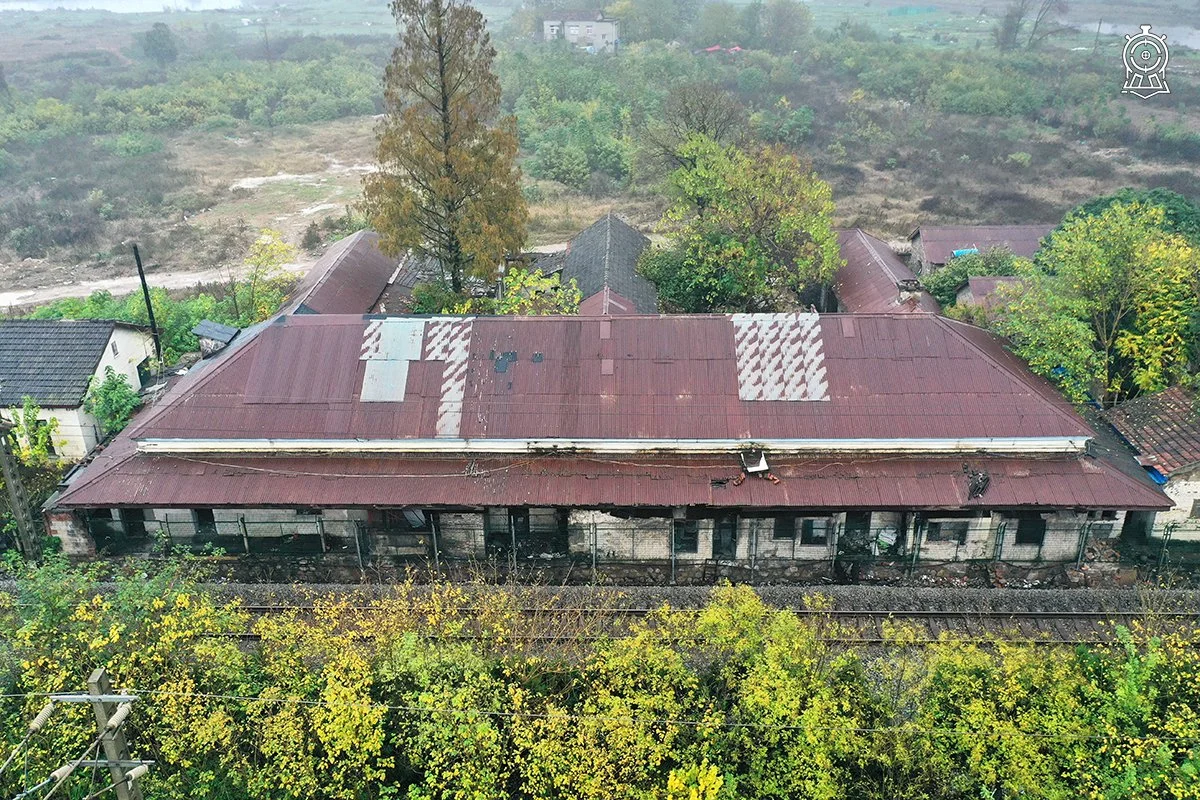
Second-class station building
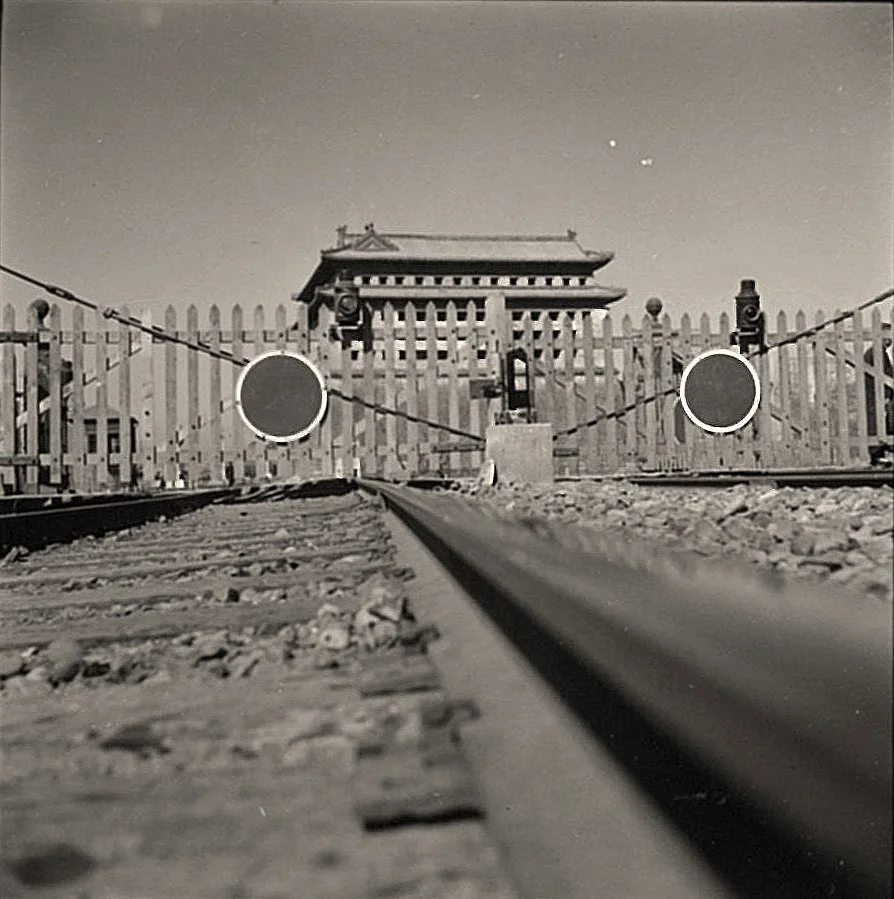
Level crossing
Platform Canopies
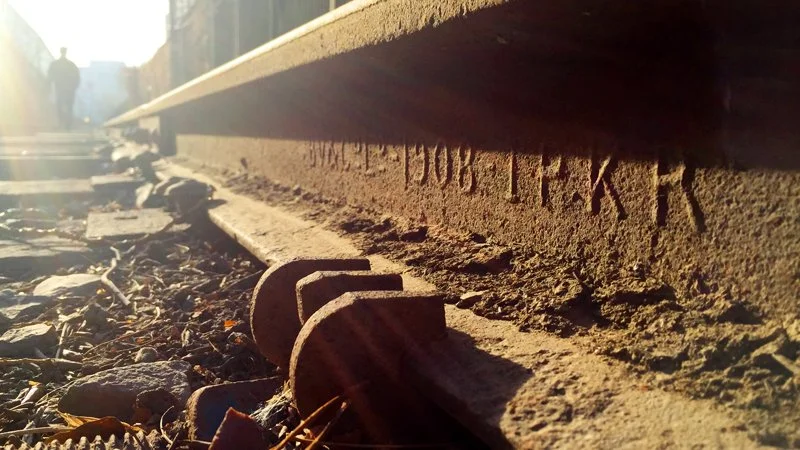
Steel rail