
U.S.-built railways
Between 1895 and 1928, the United States did not establish a railway sphere of influence in China on the same scale as Britain, France, Germany, Russia, or Japan. American participation was more selective, taking the form of railway investment, engineering surveys, international finance, technical expertise, and equipment exports. American engineers were involved in projects such as the Pingxiang–Zhuzhou Railway, while American capital participated in the Canton–Hankow Railway before China recovered the railway rights in 1905.
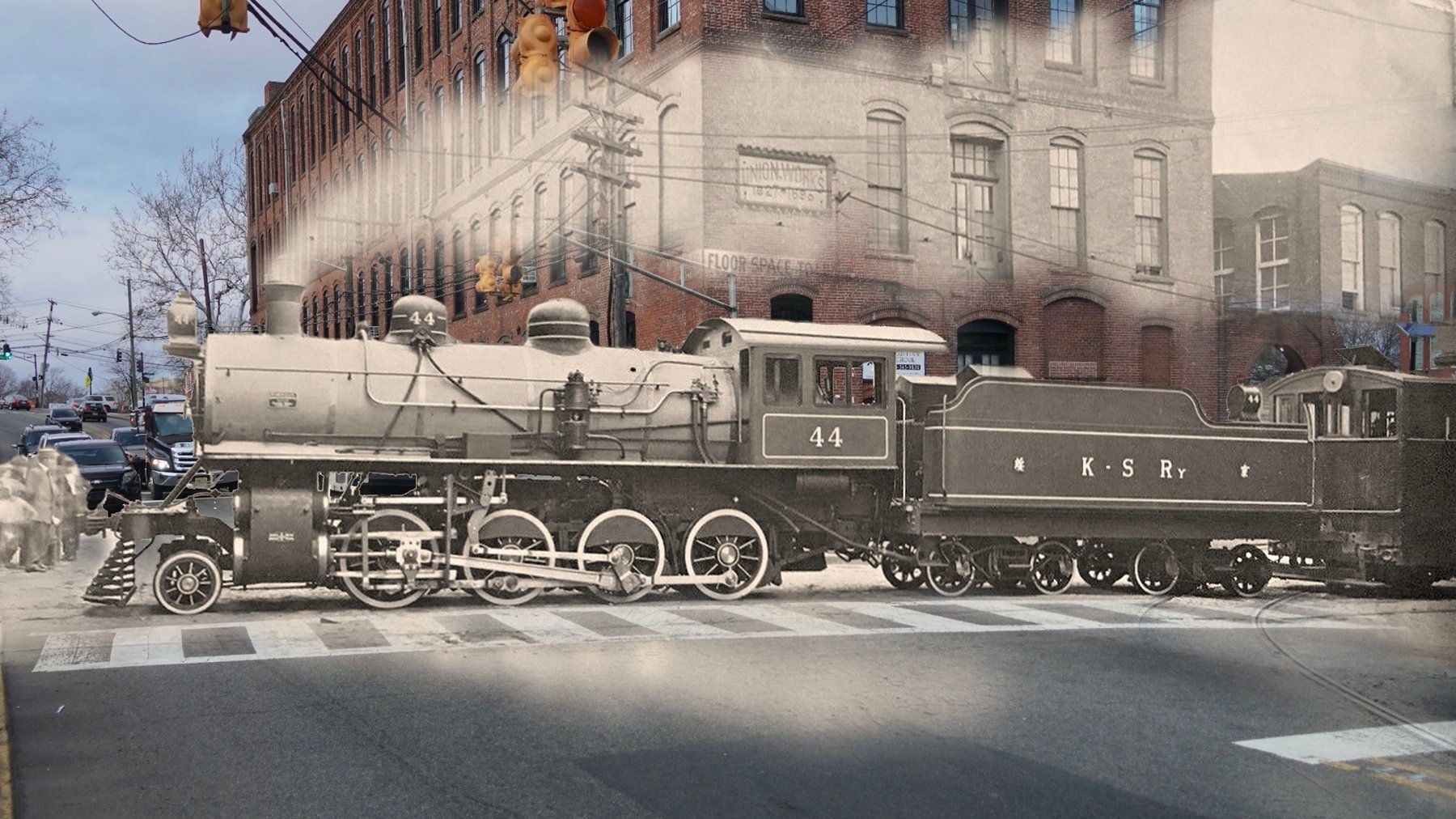
American financial institutions later joined international railway financing projects such as the Hukuang Railway Loan. At the same time, large quantities of American-built locomotives, rolling stock, steel rails, machinery, and other railway equipment were imported into China, with manufacturers such as Baldwin and ALCO playing an important role.
American influence was also transmitted through Chinese engineers educated in the United States, most notably Zhan Tianyou (Jeme Tien Yow). Their application of American engineering knowledge contributed to the development of an increasingly independent Chinese railway profession. This section examines these connections through historical photographs, archival records, manufacturer documents, and long-term field surveys of surviving railway heritage in China.
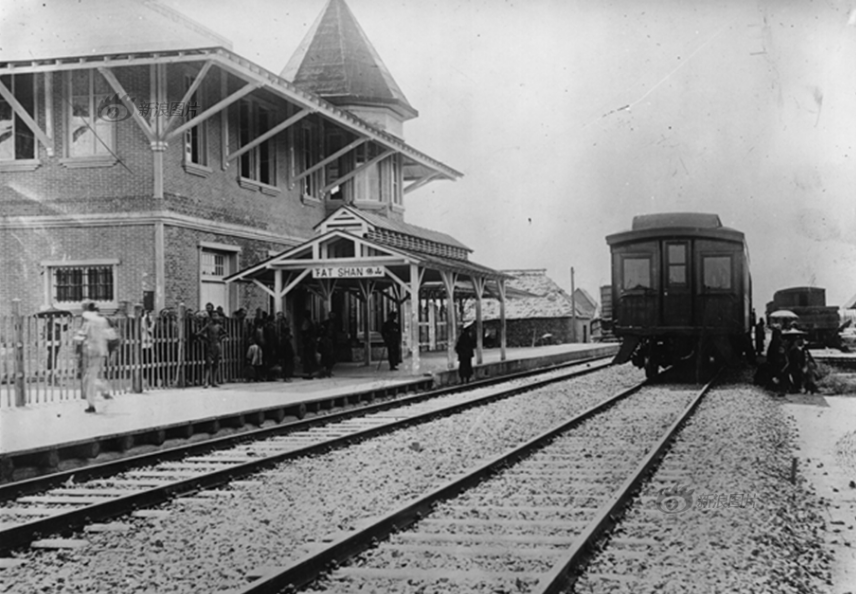
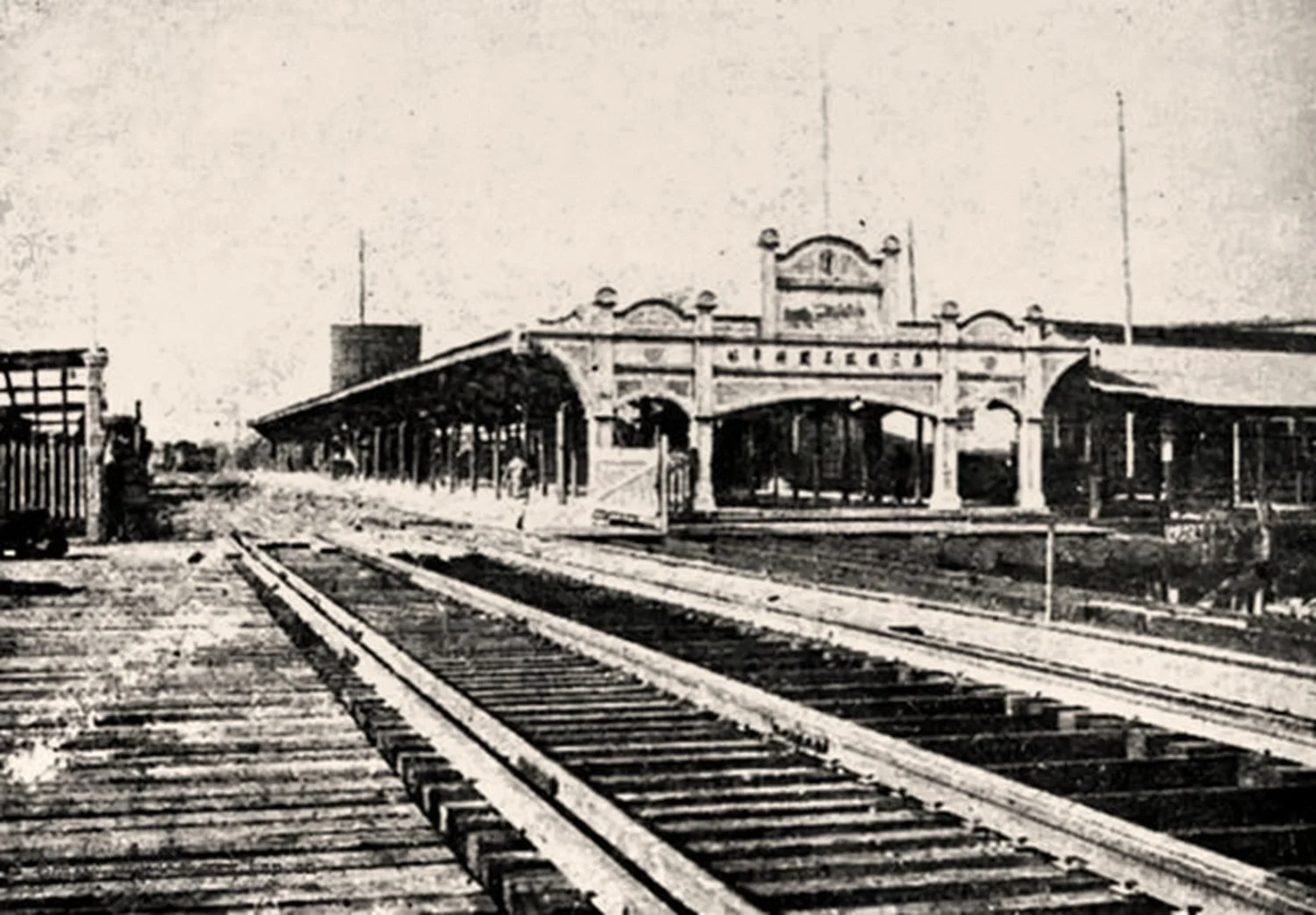
Major Station Building
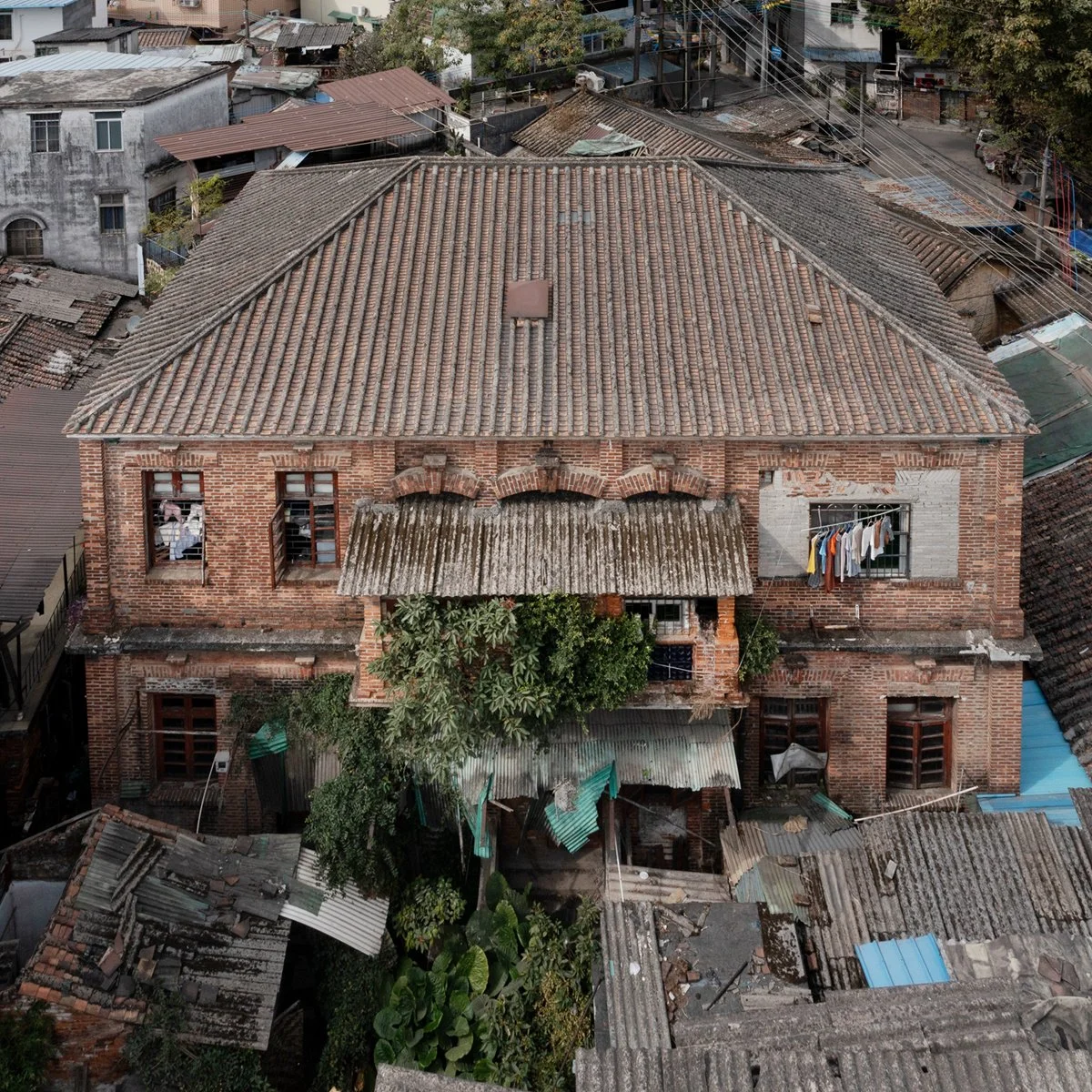
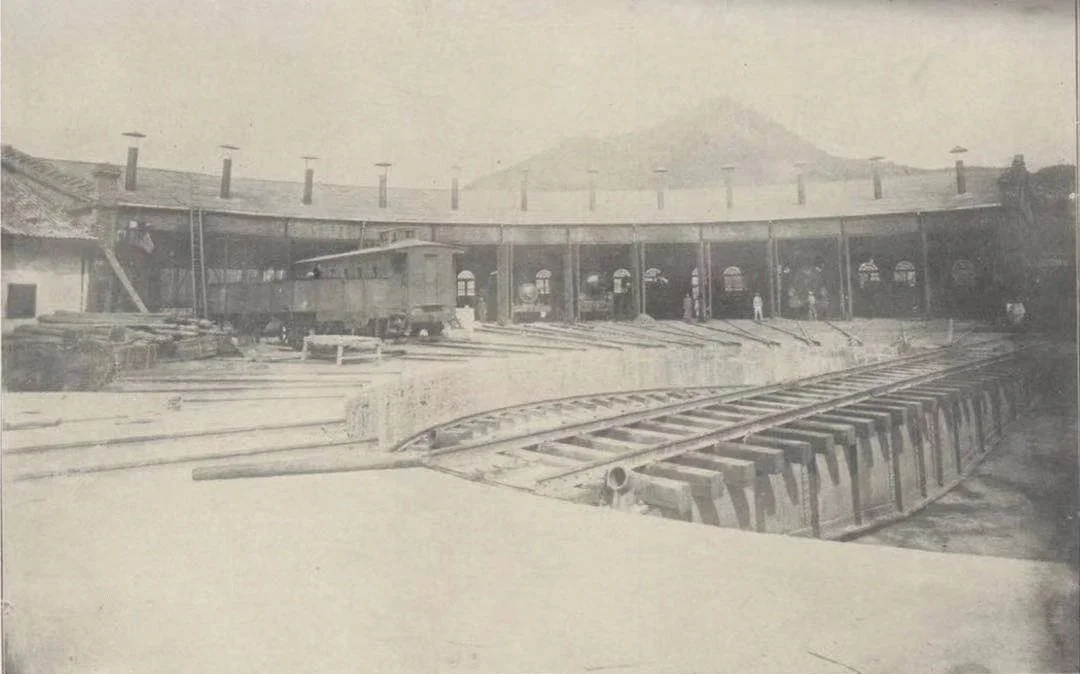
Ancillary building
Engine Houses
Canopy Roofs
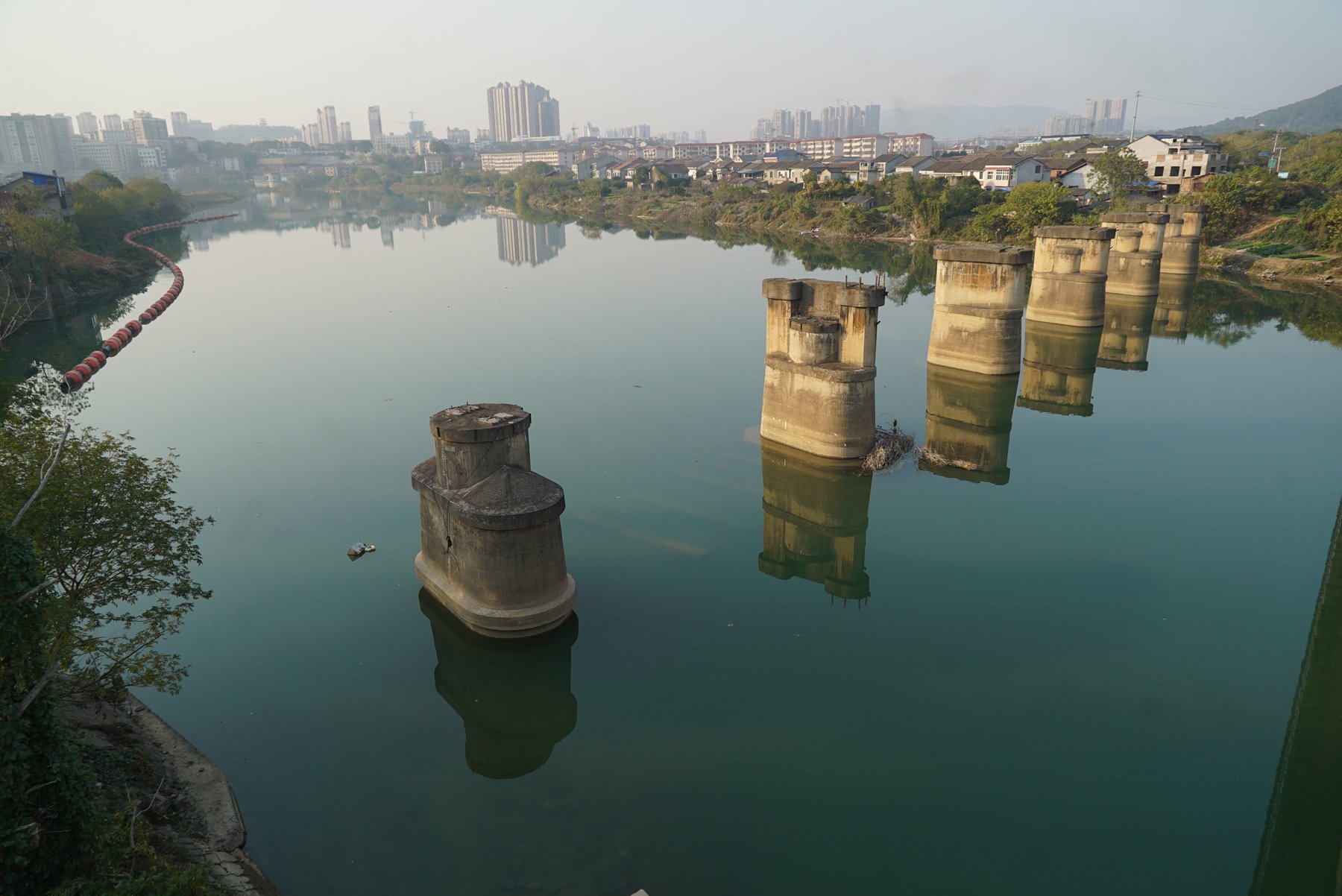
Bridge and culvert
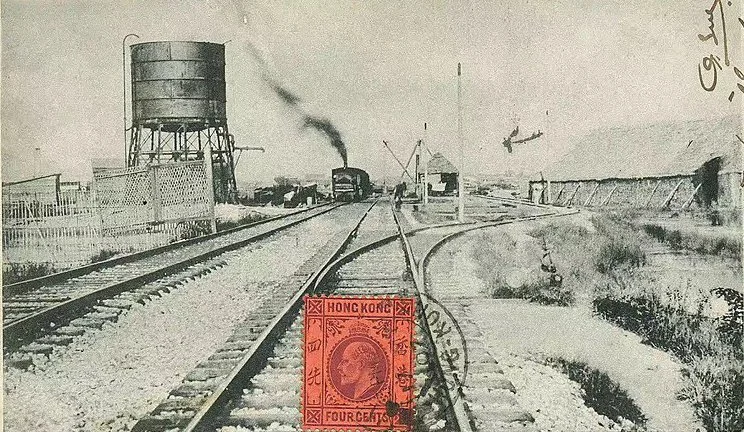
Water tower
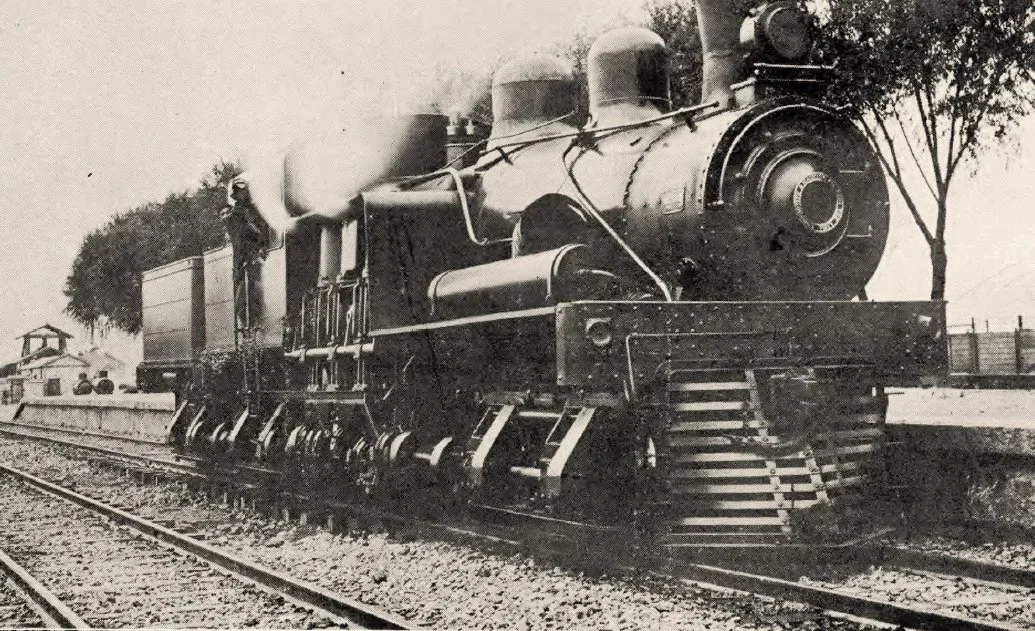
Locomotive
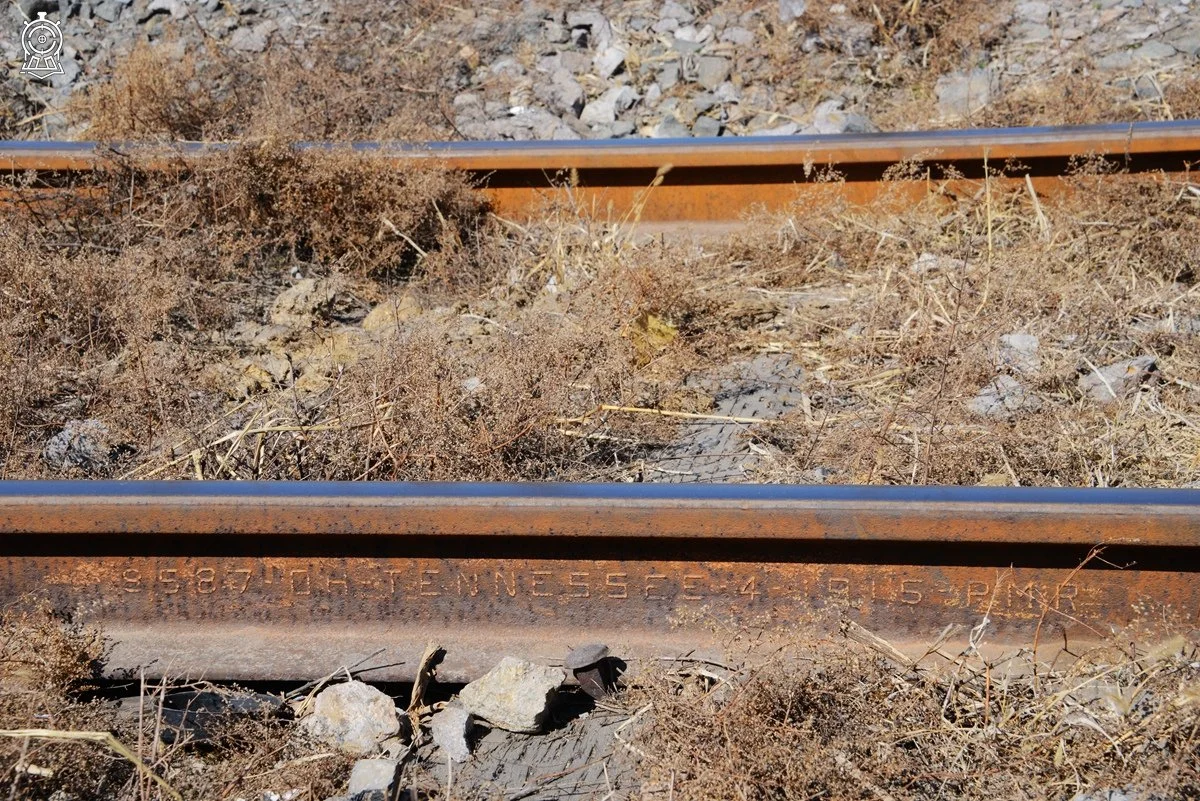
Steel rail
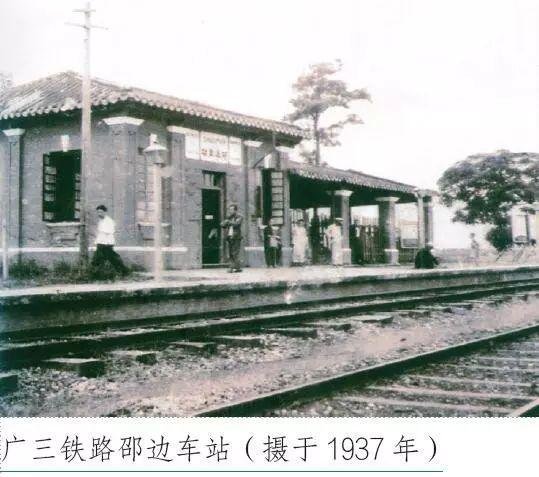
Small station building