
Two Old Station Buildings on the Luohan Railway Gain Cultural Relics Status; Cultural Relics Recognition Initiated by Folk Scholar
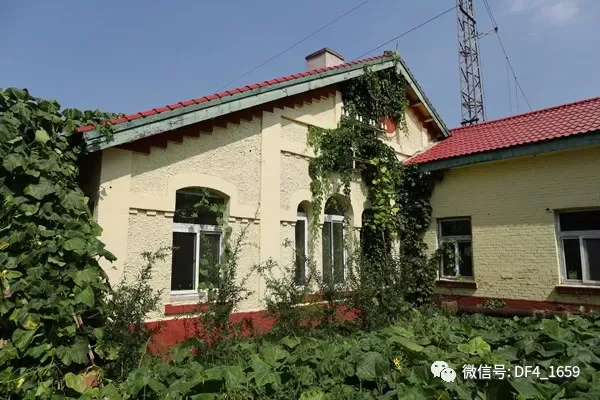
Old Station Building of Doudian Station
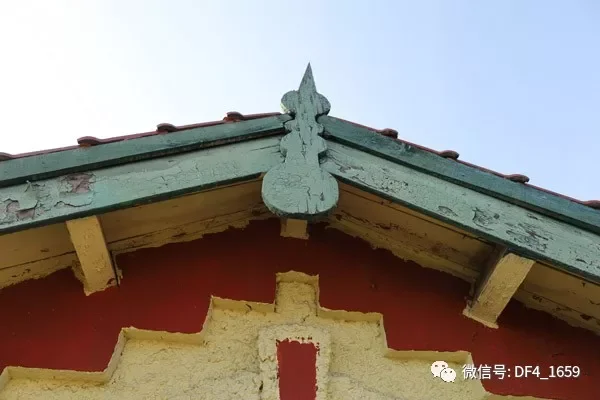
Rustic finial decoration
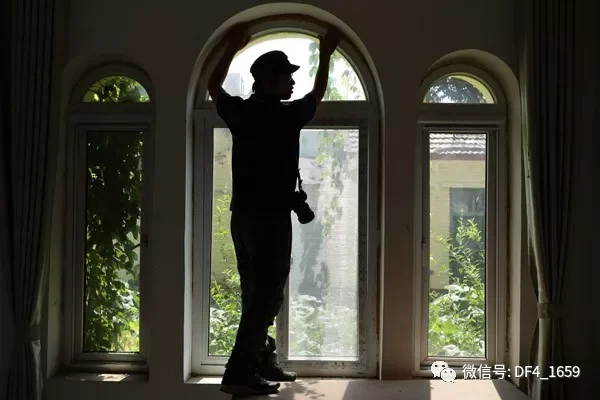
Slender arched window
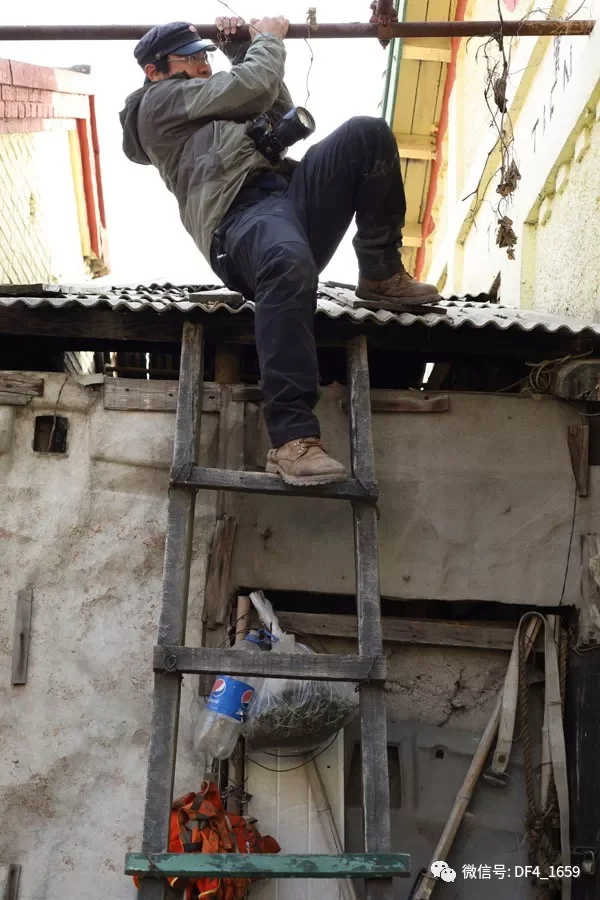
Wang Wei climbed a ladder onto the roof for inspection
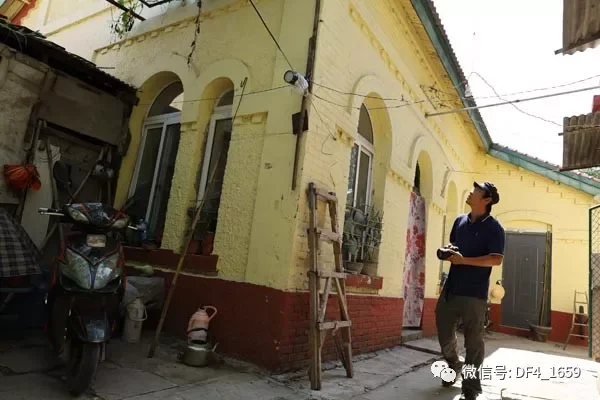
On August 25, 2019, Wang Wei conducted an inspection at Doudian Station to prepare for the arbitration
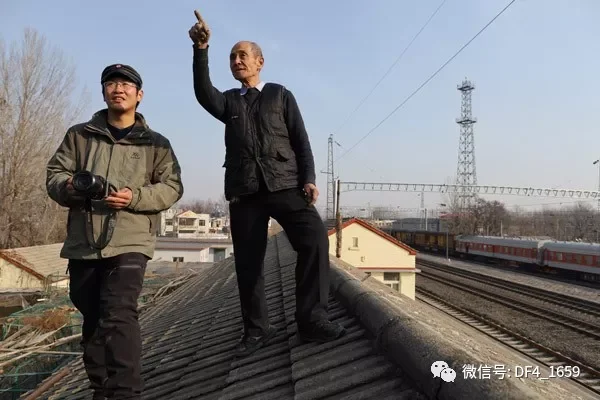
A staff member introduces the changes and history of Doudian Station to Wang Wei
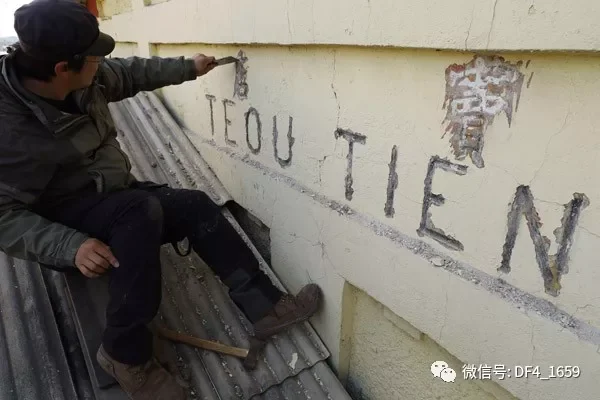
Wang Wei used a scraper to clear away the station name and Wade-Giles romanization on the gable wall
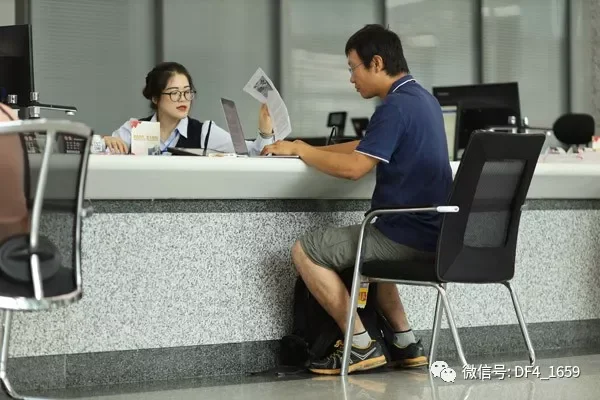
On September 5, 2019, Wang Wei submitted reconsideration materials at the Beijing Municipal Government Services Center
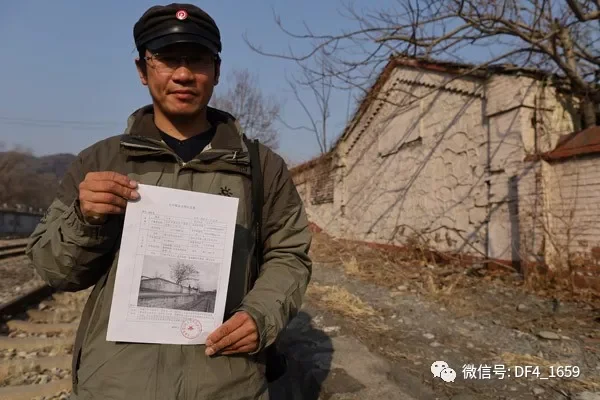
On January 22, Wang Wei, having received the Immovable Cultural Property Recognition Form, poses for a commemorative photo with the old station building of Zhoukoudian
February 15, 2020, Beijing Youth Daily
As architectural remnants of the Luohan Railway, the two century-old old station buildings in Doudian and Zhoukoudian recently attained cultural relics status. The cultural relics recognition was initiated by railway culture scholar Wang Wei, and the Fangshan District Culture and Tourism Bureau made the recognition ruling based on the historical materials and expert opinions he provided. From 2015 to the present, by submitting applications for cultural relics recognition to cultural relics departments, Wang Wei has secured cultural relics status for multiple railway buildings in Beijing and Hebei, laying the foundation for the protection, research, and inheritance of these industrial heritages.
Century-Old Station Buildings Become Cultural Relics; Rustic Station Names Come to Light Again
Recently, Wang Wei came to the cultural relics section of the Fangshan District Culture and Tourism Bureau, receiving two Immovable Cultural Property Recognition Forms from the staff. Nearly a year of hard work finally bore fruit—the "Old Station Building of Doudian Railway Station" and the "Old Station Building of Zhoukoudian Railway Station" were recognized as immovable cultural relics.
Doudian Station is located at the 29 km 440 m mark of the Beijing-Guangzhou Railway. Now a fourth-class station, it has suspended passenger transport business for many years, leaving the inside and outside of the station desolate. The 121-year-old old station building has survived to this day; although partially obscured by newly added buildings, it has not concealed its historical appearance. With a single-story, pitched roof, brick walls, slender arched windows, and pendant (xianyu) decorations on the bargeboards, its style resembles a European-style small chapel. On the day he received the Immovable Cultural Property Recognition Form, Wang Wei came to Doudian Station once more and made a new discovery. Although the old station building was covered with thick paint, writing seemed to be hidden under the gable wall coating. Wang Wei climbed onto an adjacent shed and simply cleaned with a scraper; sure enough, the intaglio characters "Doudian" (竇店) and Wade-Giles romanization appeared. "The station name is the most important identity information of the old station building. I never expected it to see the light of day again!" Wang Wei excitedly told reporters.
According to Wang Wei's textual research, the Luohan Railway was mainly constructed by Belgians. The Lugoubao section (Lugouqiao to Baoding) of the Luohan Railway where Doudian Station is located was built under the auspices of British railway engineer Claude William Kinder, and thus the old station building approaches British and Belgian architectural styles. Traditional Chinese station names paired with Wade-Giles romanization possess distinct characteristics of the times and are the finishing touch of the old station building!
Fearing Old Station Building Would Be Demolished, He Thus Submitted Application for Cultural Relics Recognition
Wang Wei was born in Beijing in 1990 and began photographing and recording the Jingzhang Railway at the age of 12. Through more than a decade of field investigations, literature collection, and oral history surveys, he authored the book My Jingzhang Railway in 2017. The Jingzhang Railway is the first trunk railway independently constructed by the Chinese people, and its historical value is self-evident. However, Wang Wei discovered that it did not receive overall protection; some valuable old buildings lacked cultural relics status and were consequently dismantled, causing irreversible losses.
From 2015 to 2019, Wang Wei repeatedly submitted Immovable Cultural Property Recognition Forms to cultural relics departments, successively securing statutory cultural relics status for the old station building of Qinghe Station, the old station building of Changping Station, the Xiahuayuan steam locomotive water tower, the Kangzhuang Station building complex, the Xibozi Station building complex, and Bridge No. 44 in Longtangou, rescuing a batch of precious old buildings along the Jingzhang Railway.
Wang Wei also discovered that the Jingzhang Railway is not the only line urgently needing protection. The history of both Doudian Station and Zhoukoudian Station exceeds 120 years. They are precious heritages of the Luohan Railway, yet they lacked cultural relics status. To protect them well, Wang Wei compiled limited historical materials into two Immovable Cultural Property Recognition Forms, submitting them to the Fangshan District Culture Commission (now Culture and Tourism Bureau) on February 1, 2019. However, this application did not go smoothly.
Application Was Rejected, But Wang Wei Did Not Give Up
On July 26, 2019, the Fangshan District Culture and Tourism Bureau "denied recognition" of the cultural relics status for the two old station buildings on the grounds of "incomplete historical data." Regarding this, Wang Wei candidly admitted that historical materials for the two old stations were scarce, and Doudian Station failed to yield even a single old photograph, but he firmly believed that the old station building possessed preservation value.
Wang Wei continued his investigation and discovered that among the early buildings of the Luohan Railway, intact old station buildings are few and far between. Built in 1899 (the 25th year of the Guangxu reign), the Doudian old station building survived to this day and is close to being a unique copy. Built in 1897, Zhoukoudian Station mainly received and transported coal produced by the Changgouyu Coal Mine. The 123-year-old station building relic is the only surviving old station building on the Zhoukoudian branch line of the Luohan Railway and is an important historical witness to the development of Beijing's railways and industry.
Through repeated textual research and supplementing past omissions, Wang Wei reorganized the materials and submitted them to the Beijing Municipal Bureau of Cultural Heritage on September 5, 2019, applying for a cultural relics recognition arbitration. On September 19, a cultural relics recognition dispute arbitration meeting was held at the Beijing Institute of Ancient Architecture. Wang Wei, the Fangshan District Culture and Tourism Bureau, railway departments, and three experts hired by the arbitration institution attended. Wang Wei expounded upon the historical value of the two old stations and answered questions from the experts.
The next day, experts from the Institute of Ancient Architecture provided their arbitration opinion: in view of Wang Wei's supplementation of a large amount of new materials, his application for the cultural relics recognition of the "Old Station Building of Doudian Station and Old Station Building of Zhoukoudian Station" was supported in accordance with the law. On January 13 of this year, based on the expert opinions, the Fangshan District Culture and Tourism Bureau issued Immovable Cultural Property Recognition Forms for the two old station buildings. Application, rejection, arbitration, and final recognition—Wang Wei's nearly a year of investigation, research, running about, and calling out finally harvested rewards under the coordination and organization of the cultural relics departments.
The Luohan Railway: China's Early North-South Railway Main Artery
In 1906 (the 32nd year of the Guangxu reign), the entire Luohan Railway opened to traffic. This railway ran from Qianmen West Station in Beijing to Yudaimen Station in Hankou, with a total length of 1,214.5 kilometers, supplemented by branch lines such as the Tuoli Coal Mine and Zhoukoudian. As the first north-south railway main artery built in early China, the full connection of the Luohan Railway broke the traditional transportation pattern that relied solely on waterways and courier routes, drove the prosperity of cities along the route, and exerted a profound impact on China's economic layout. Its railway lines remain in use today and are part of the Beijing-Guangzhou Railway. In 2019, the Luohan Railway was selected into the "China Industrial Heritage Protection List" hosted by the Publicity and Education Department of the China Association for Science and Technology. The acquisition of cultural relics status by the two old station buildings in Doudian and Zhoukoudian enriches the historical remnants of the Luohan Railway and benefits the protection, research, and inheritance of China's industrial heritage.
Text / Beijing Youth Daily Reporter Cui Yifei
