
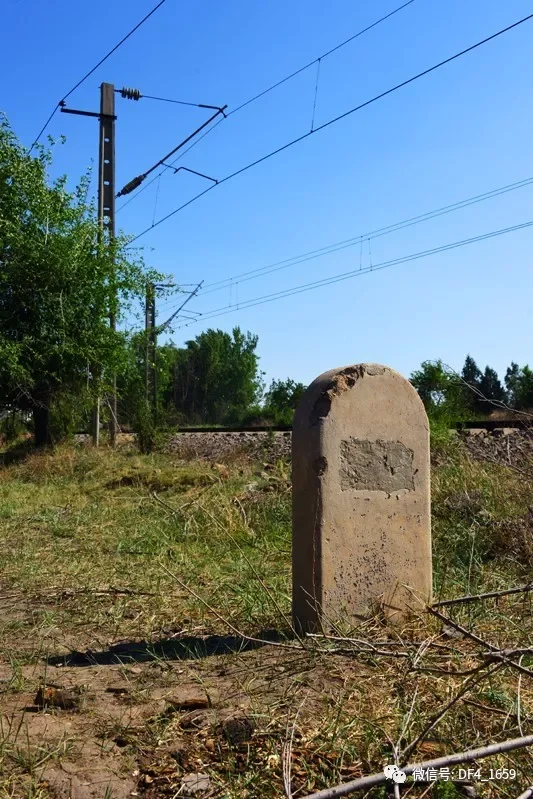
The 〡〨〩 (189) mileage marker, photographed by Wang Wei, May 15, 2015.
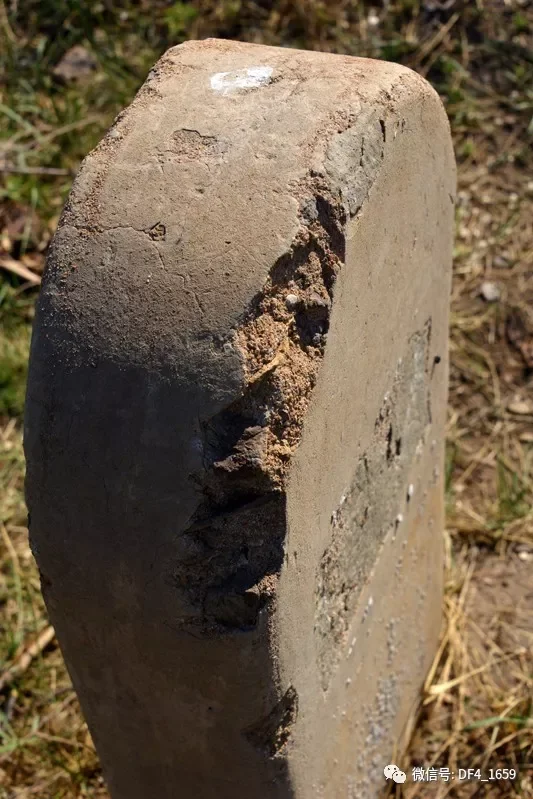
The carved Suzhou numerals on the surface of this mileage marker were plastered over with cement, and the upper part is somewhat damaged, but it is largely intact. Photographed by Wang Wei, May 15, 2015.
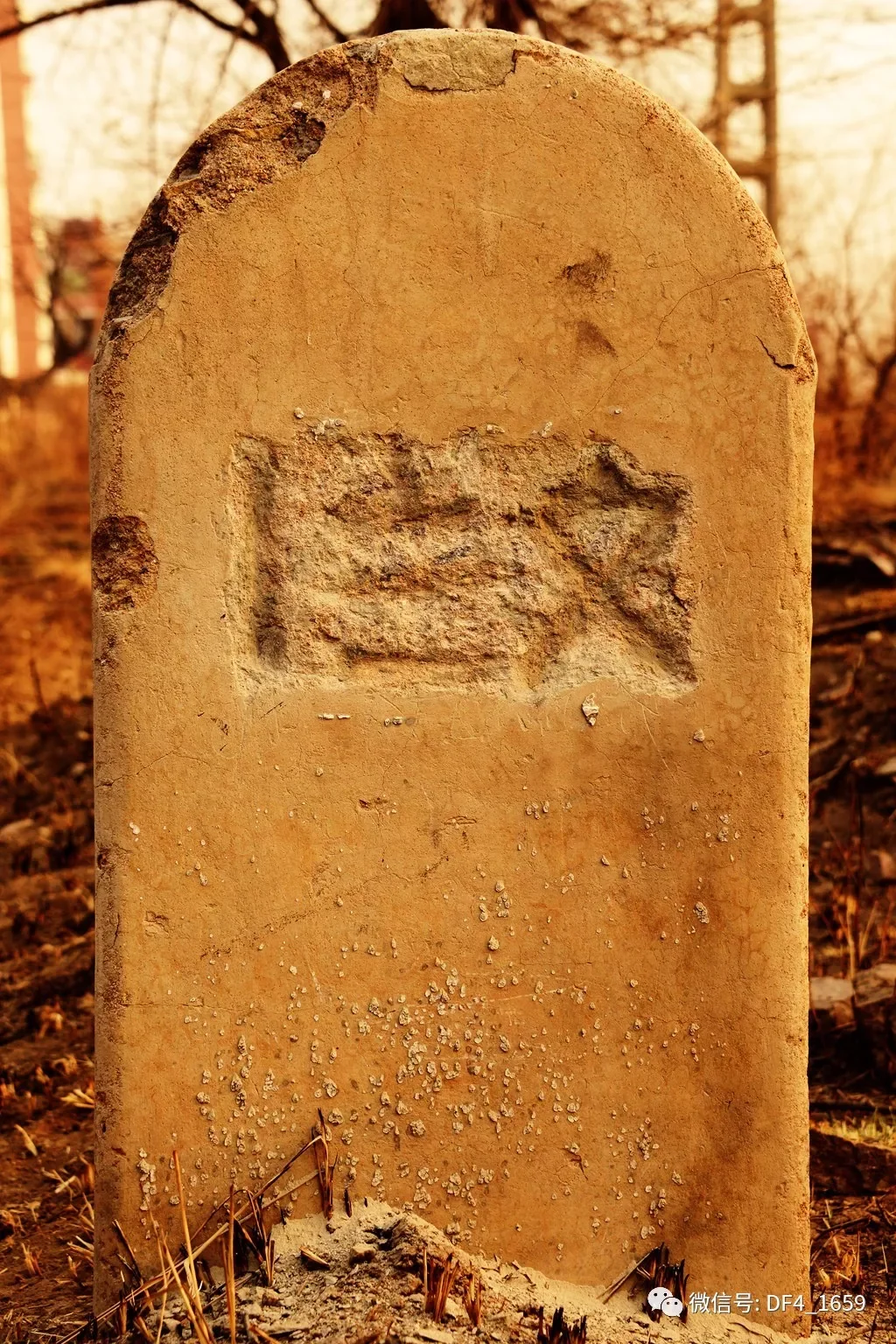
The 〡〨〩 (189) mileage marker, photographed by Wang Wei, March 2017.
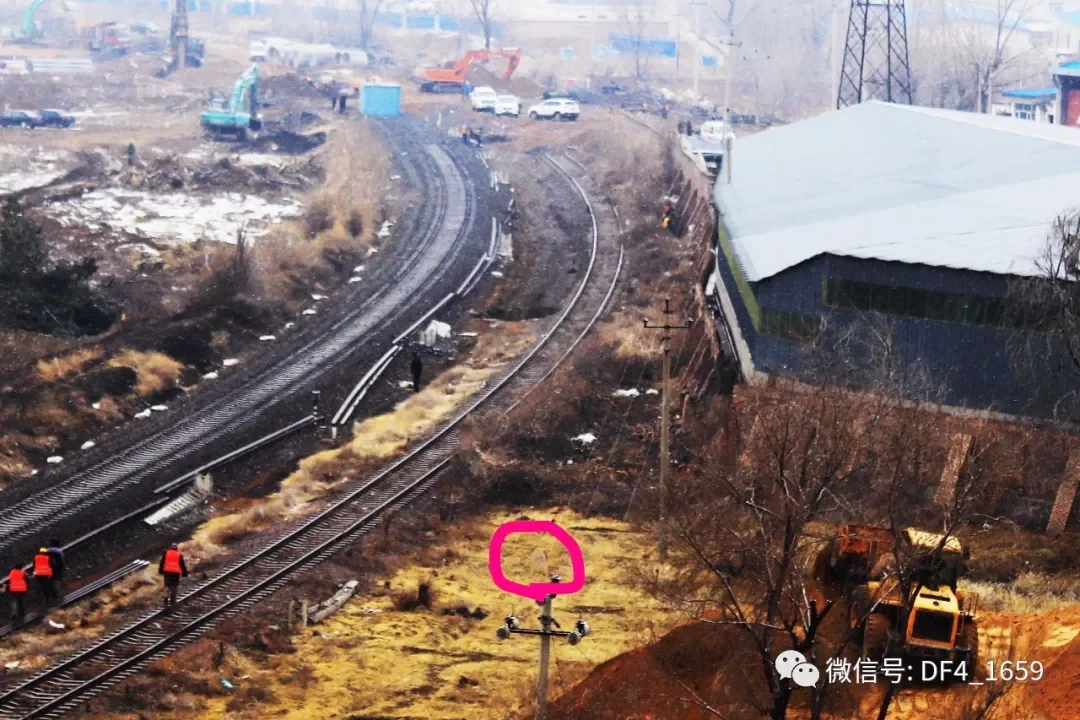
The red circle indicates the 〡〨〩 (189) mileage marker before dismantling.
Photographed on March 17, 2018, by Di Da.
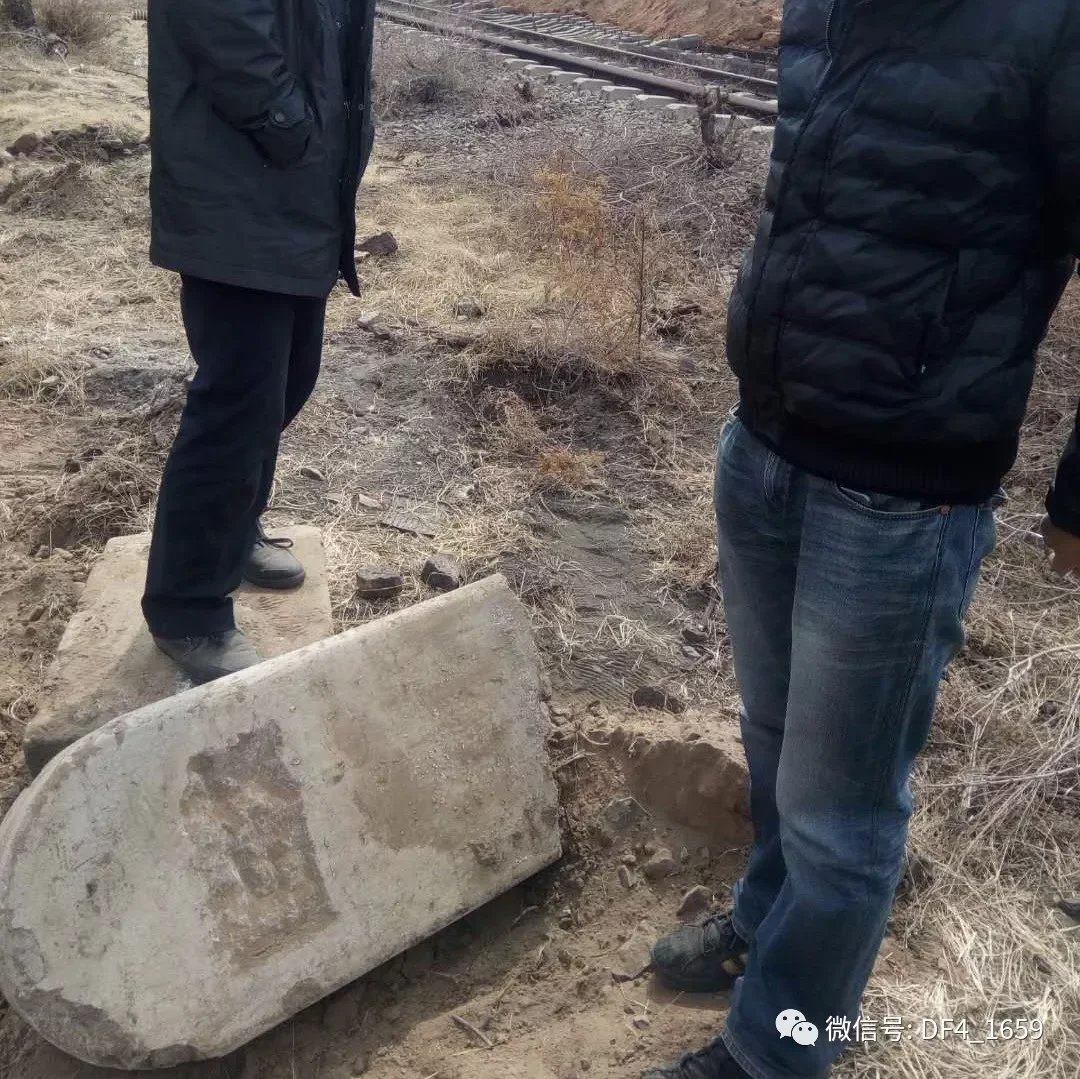
A picture taken by railway culture enthusiast Di Da near the 〡〨〩 (189) mileage marker shows that due to the construction of the Beijing-Zhangjiakou High-Speed Railway, the tracks near the outbound up-line of Zhangjiakou South Station had already been dismantled. A loader was within inches of the 〡〨〩 (189) mileage marker inside the red circle in the photo. At that time, this mileage marker was still entirely intact. For this reason, the author contacted personnel from the Railway Protection Office of Xiahuayuan District, Zhangjiakou City, suggesting that it be protected.
March 17, 2018

When the personnel from the Xiahuayuan District Railway Protection Office rushed to the scene, the 〡〨〩 (189) Suzhou numerals mileage marker located inside the construction site of the Beijing-Zhangjiakou High-Speed Railway had already been snapped off by the construction team and was about to be treated as garbage. Upon discovering this, the Xiahuayuan District Railway Protection Office personnel intercepted them and worked with the construction team to protect it.
Photographed by Yang Hongchun, March 19, 2018
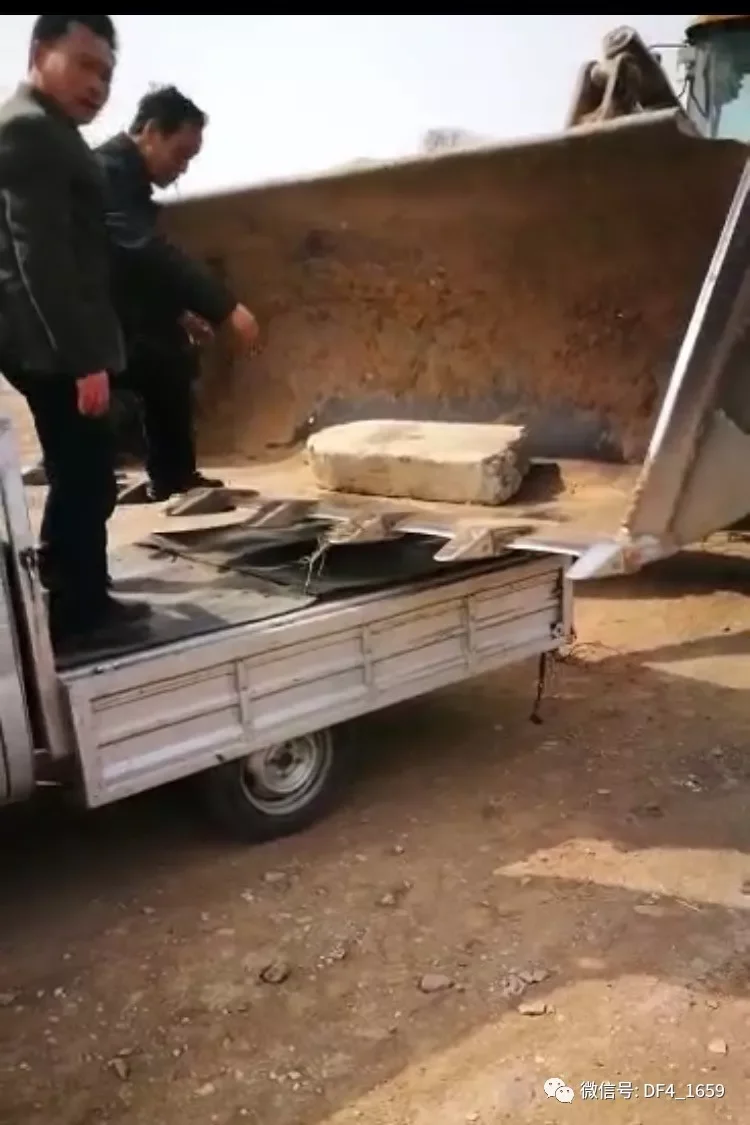
The upper part of the 〡〨〩 (189) mileage marker being loaded onto a vehicle.
Photographed by Yang Hongchun, March 19, 2018
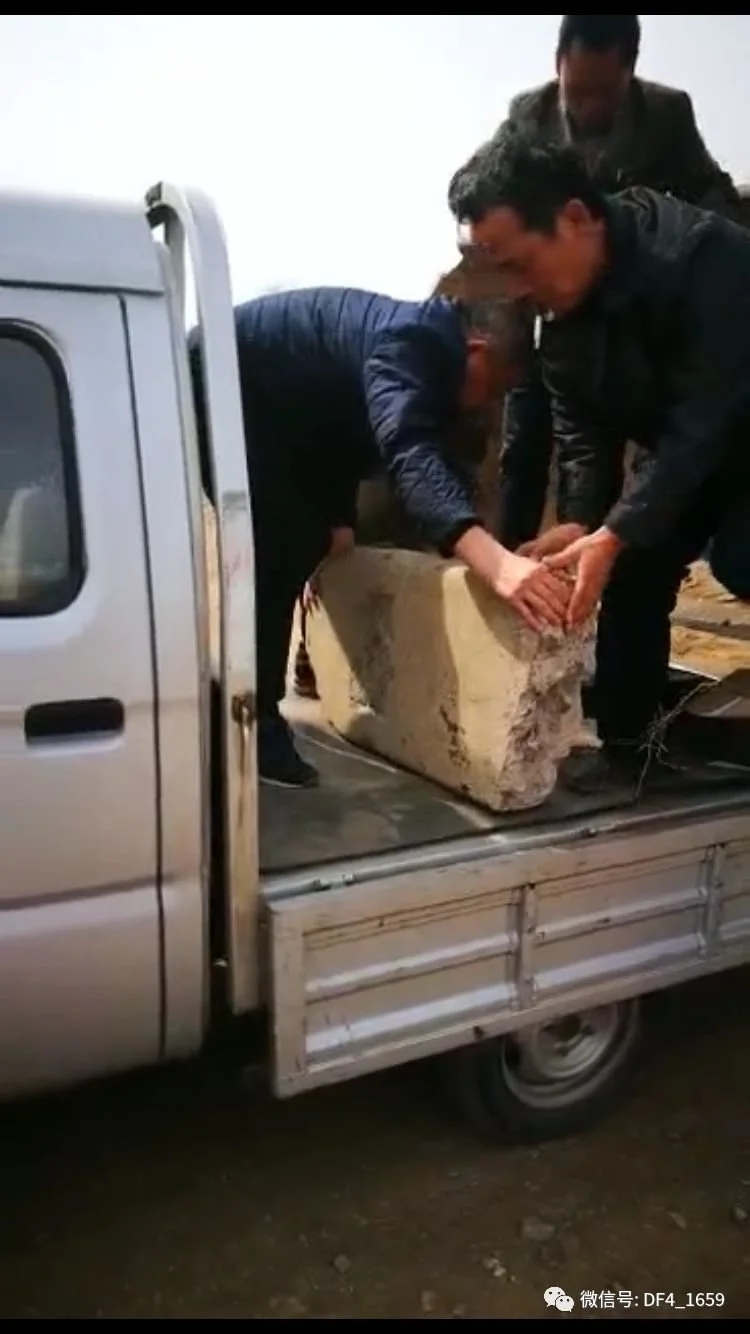
Government personnel from Xiahuayuan District carried out rescue protection for the 〡〨〩 (189) mileage marker, loading the two broken sections of the 〡〨〩 (189) mileage marker separately. It will be transported to Xiahuayuan District and is planned to be exhibited in the future Xiahuayuan Beijing-Zhangjiakou Railway Memory Museum after restoration.
Photographed by Yang Hongchun, March 19, 2018
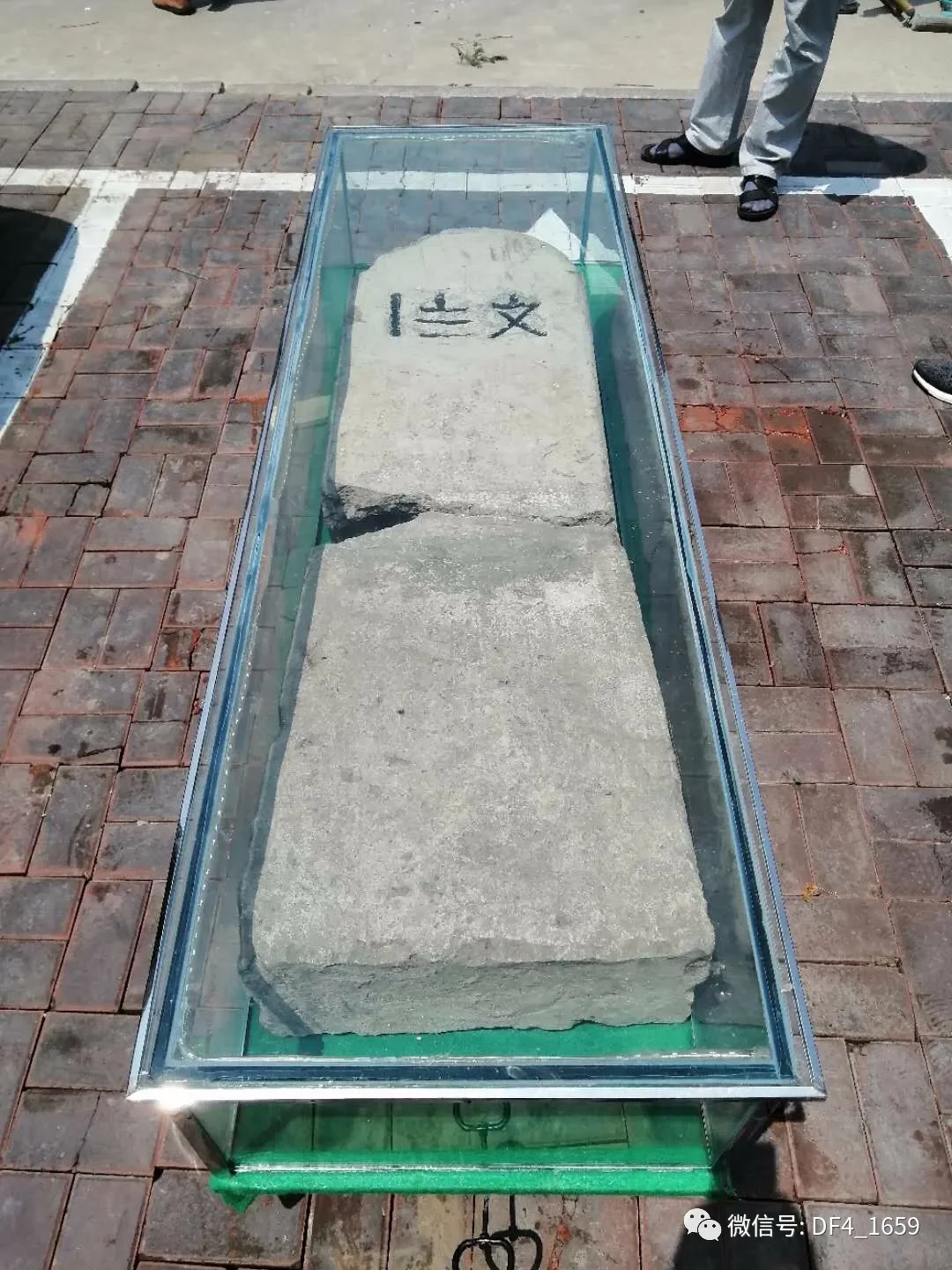
In 2020, the 〡〨〩 (189) mileage marker has been subjected to protective measures by the Xiahuayuan Railway Protection Office. Photographed by Yang Hongchun.
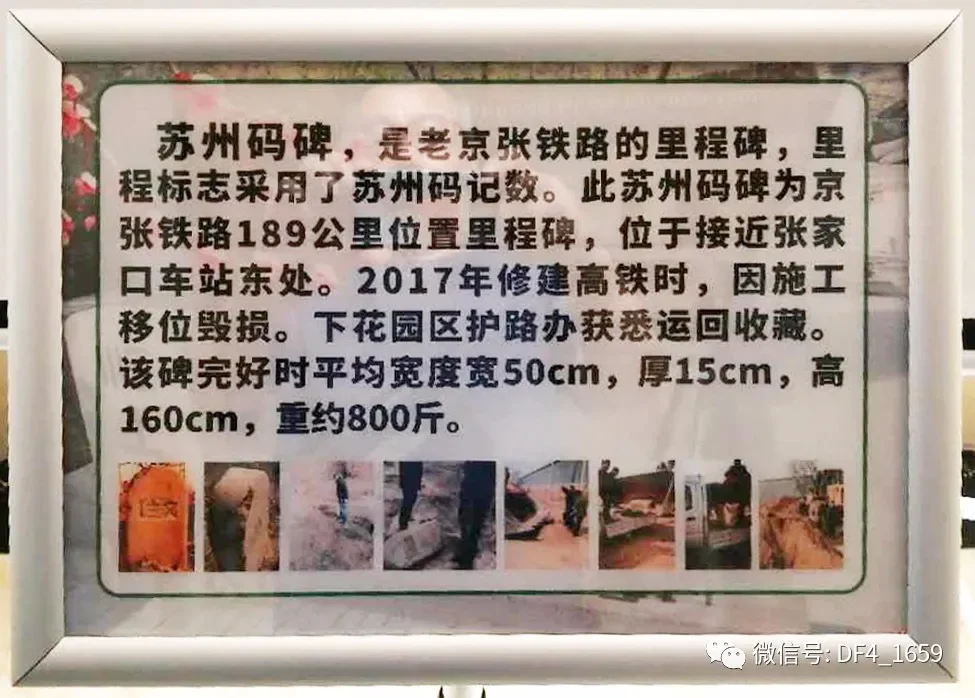
Introduction to the 〡〨〩 (189) mileage marker preserved inside the exhibition hall.
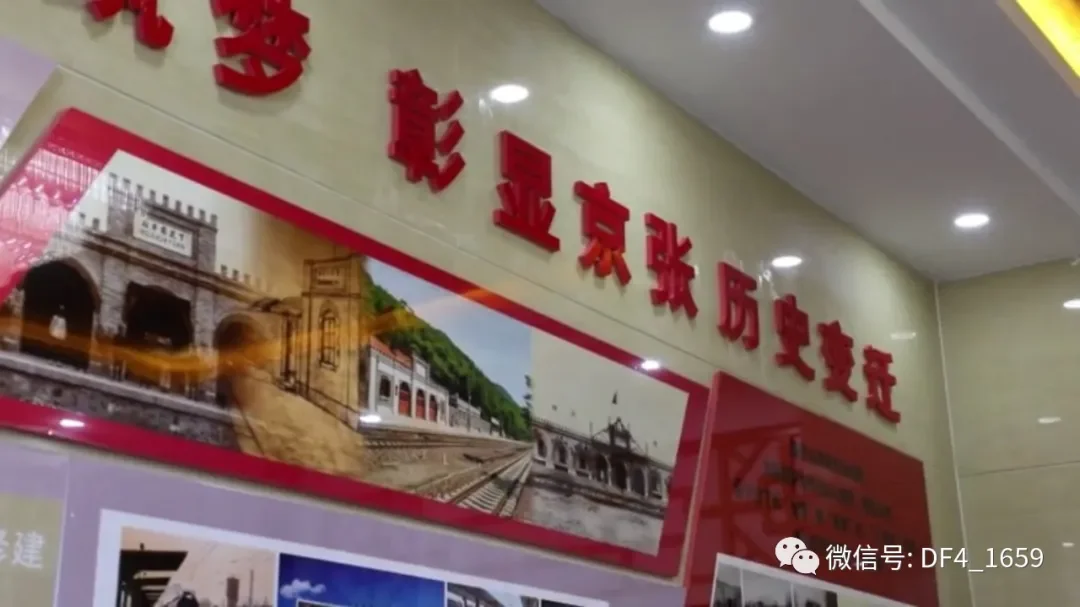
Exhibition hall of the Xiahuayuan District Railway Protection Education Base, featuring introductions about the Beijing-Zhangjiakou Railway.
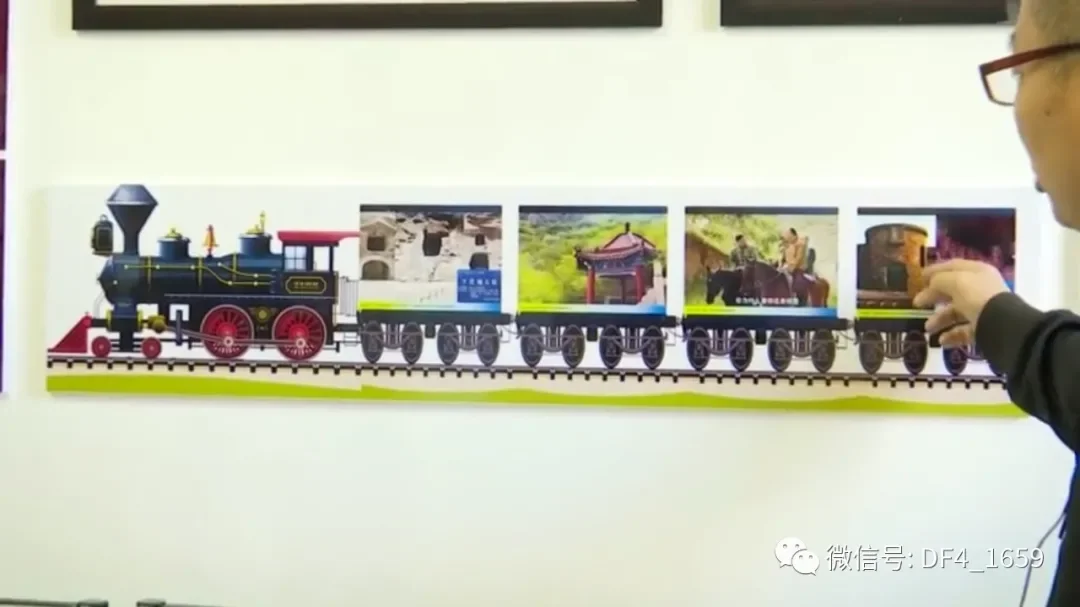
The introduction includes the Xiahuayuan District cultural relic scenic spots, listing the 2018 immovable cultural relic Beijing-Zhangjiakou Railway Xiahuayuan Water Tower among them. Friends visiting Xiahuayuan can visit the Xiahuayuan Station (located opposite the Shangkeyou Select Hotel on Gonglu Street) or explore the remnants of the Jimingshan Coal Mine branch line (located at the intersection of Hougaozi Street, East Ring Road, and East River Road).
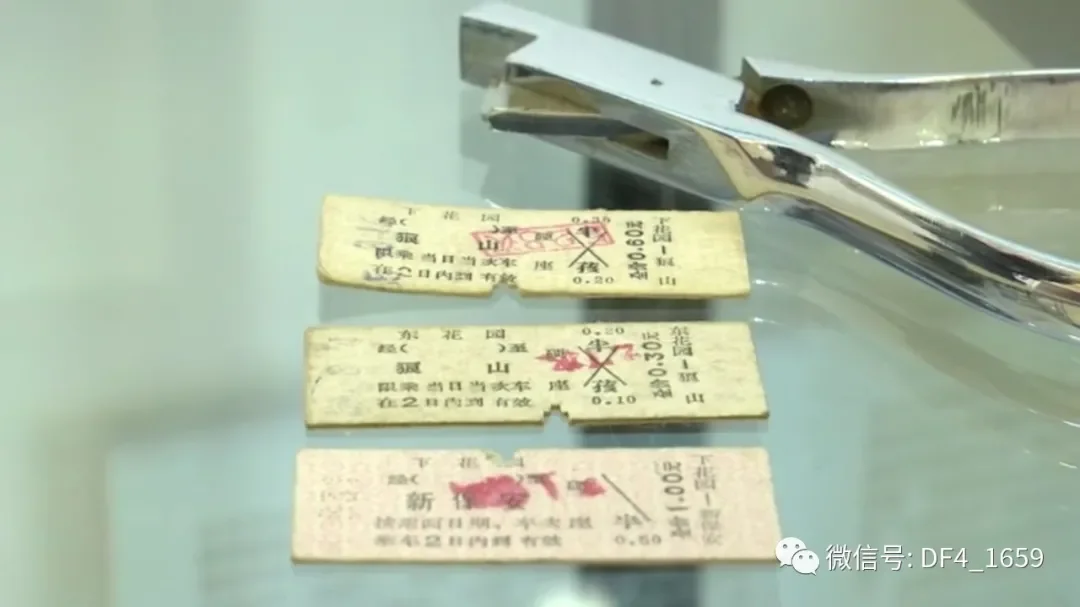
Exhibition of hard-card train tickets.
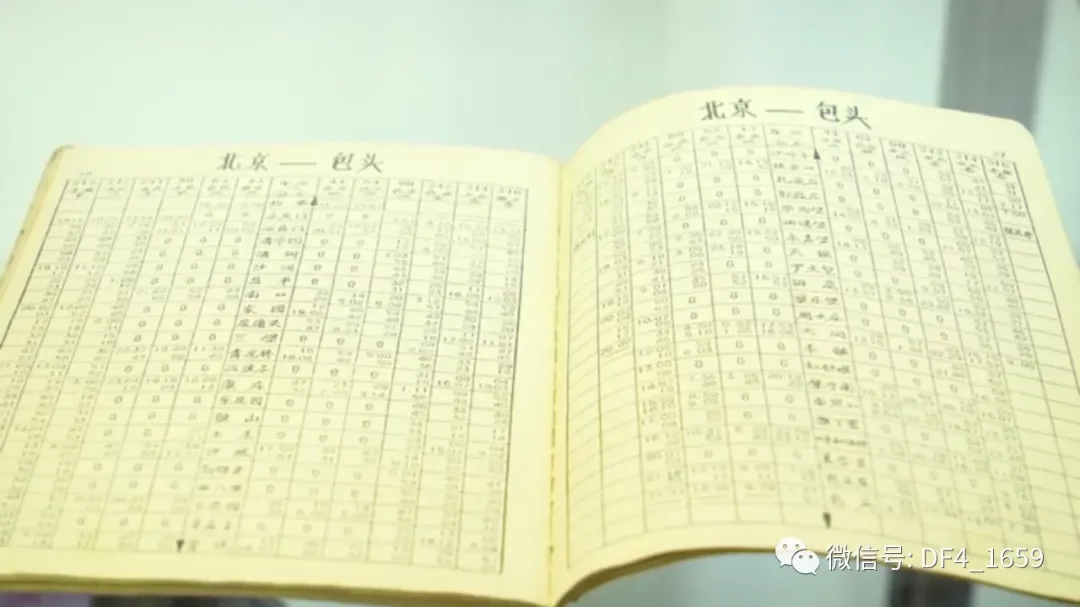
Old timetables.
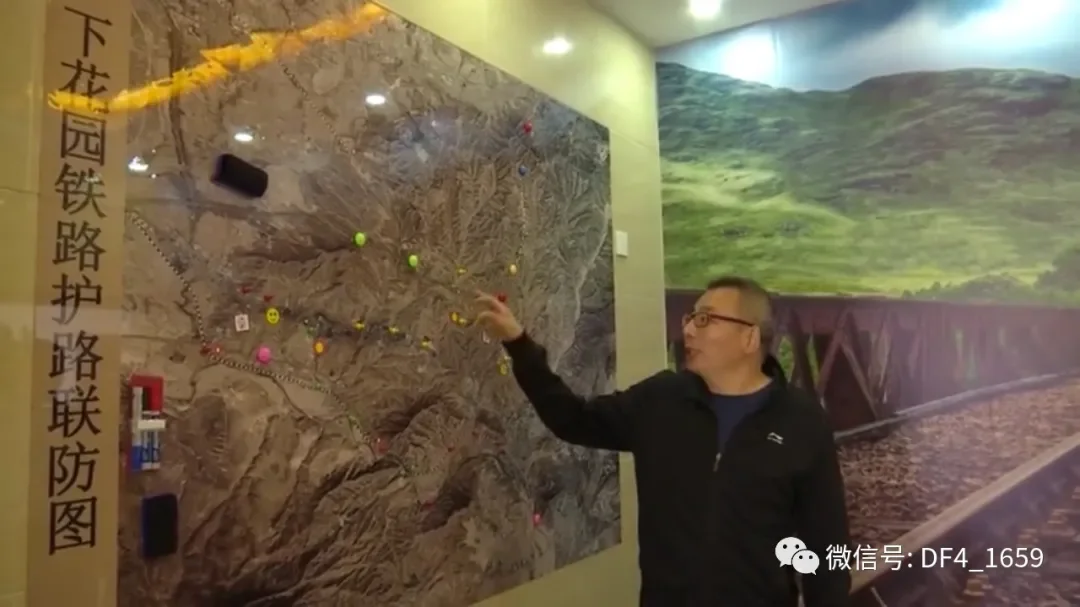
Introduction to the railway joint defense map of Xiahuayuan District.
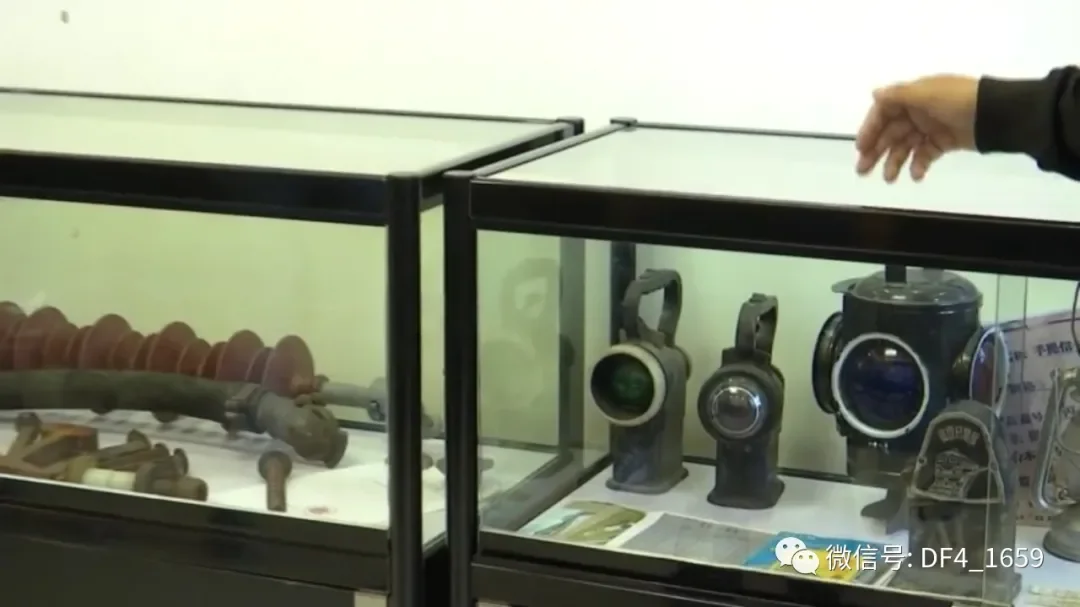
Exhibition of railway equipment such as switch indicators and handheld signal lamps.
In fact, there are many railway remnants around us. Although most remnants do not have official cultural relic status, they still possess cultural relic value and the necessity for protection. Furthermore, building anew does not mean eliminating the old. Movable remnants like the 〡〨〩 (189) mileage marker can entirely be subjected to railway cultural relic censuses before constructing high-speed railways or upgrading and transforming railways, so as to prevent the loss of valuable remnants. Fortunately, this 111-year-old mileage marker was preserved in time and relocated elsewhere.
Protecting cultural relics is the bounden duty and obligation of every citizen, so that "protecting cultural relics" does not become a slogan divorced from practice.
Thanks to the colleagues who protected this mileage marker, and special thanks to Di Da for providing important information.
March 20, 2018, by Wang Wei
Outside the 0.6 km mark of the southern throat of Ningyuan Station near Zhangjiakou South Station (now Zhangjiakou High-Speed Railway Station) (on the outer side of the existing outbound up-line curve of the former Zhangjiakou South Station), a Suzhou numerals mileage marker still survives. This is one of the two historical sites near Ningyuan Station. However, the carved Suzhou numerals on the surface had been plastered over with cement. Based on distance calculations and stroke judgments, this marker is the 〡〨〩 (189) kilometer mileage marker. When the Beijing-Zhangjiakou Railway opened to traffic in 1909, it was set up in the Huailai-Tumu section. After the mileage units were changed in 1922, it was relocated south of Ningyuan Station. In 1956, due to railway realignment and the construction of the new Zhangjiakou South Station, Ningyuan Station was abolished and the line was dismantled, but this mileage marker remained standing beside the old route of the Beijing-Zhangjiakou Railway. Starting from 0:00 on November 12, 2017, Zhangjiakou South Station officially ceased operations. In March 2018, to construct the Beijing-Zhangjiakou High-Speed Railway, the tracks near Zhangjiakou South Station began to be dismantled. This mileage marker was located on the south side of the new high-speed railway line and was highly likely to conflict with construction activities.
Why did early Chinese railways use Suzhou numerals? In the late Qing Dynasty, the usage rate of Arabic numerals was not high. The Beijing-Zhangjiakou Railway followed the method of the Beijing-Mukden Railway, incorporating Suzhou numerals into all railway equipment wherever possible to make it easy for Chinese railway workers to recognize them. On the Beijing-Zhangjiakou Railway, since all workers were of Chinese nationality, the degree of application of Suzhou numerals was higher than that of the Beijing-Mukden Railway, such as: mileage markers, bridge markers, and gradient markers. Suzhou numerals were an early Chinese civilian "commercial number." They evolved from counting rods in China's cultural and historical tradition and are the only counting rod system still in use, originating in Suzhou, China. Today, they can still be seen in markets, old-style cha chaan teng (cafes), and traditional Chinese medicine shops in Hong Kong and Macau.
