
Relocation and Protection of the Old Qinghe Station Building on the Jingzhang Railway Completed
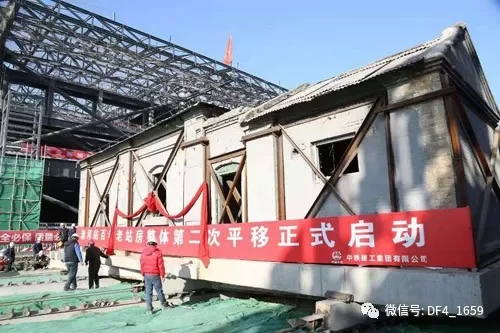
The relocated old station building stands as a neighbor to the soon-to-be-completed Qinghe Station of the Jingzhang High-Speed Railway.
(Photo provided by the construction contractor)
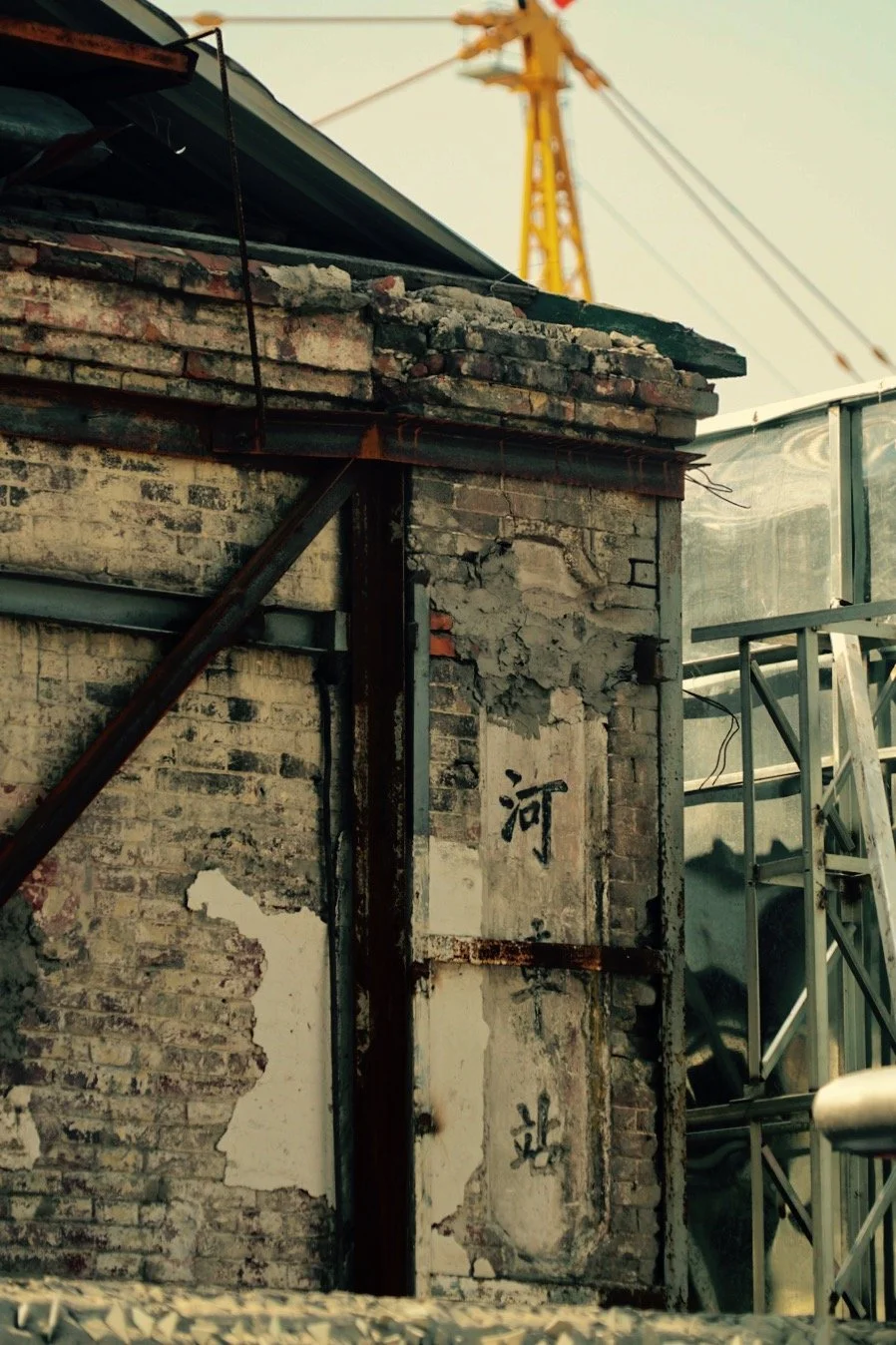
The classic vertical plaque of Qinghe Station
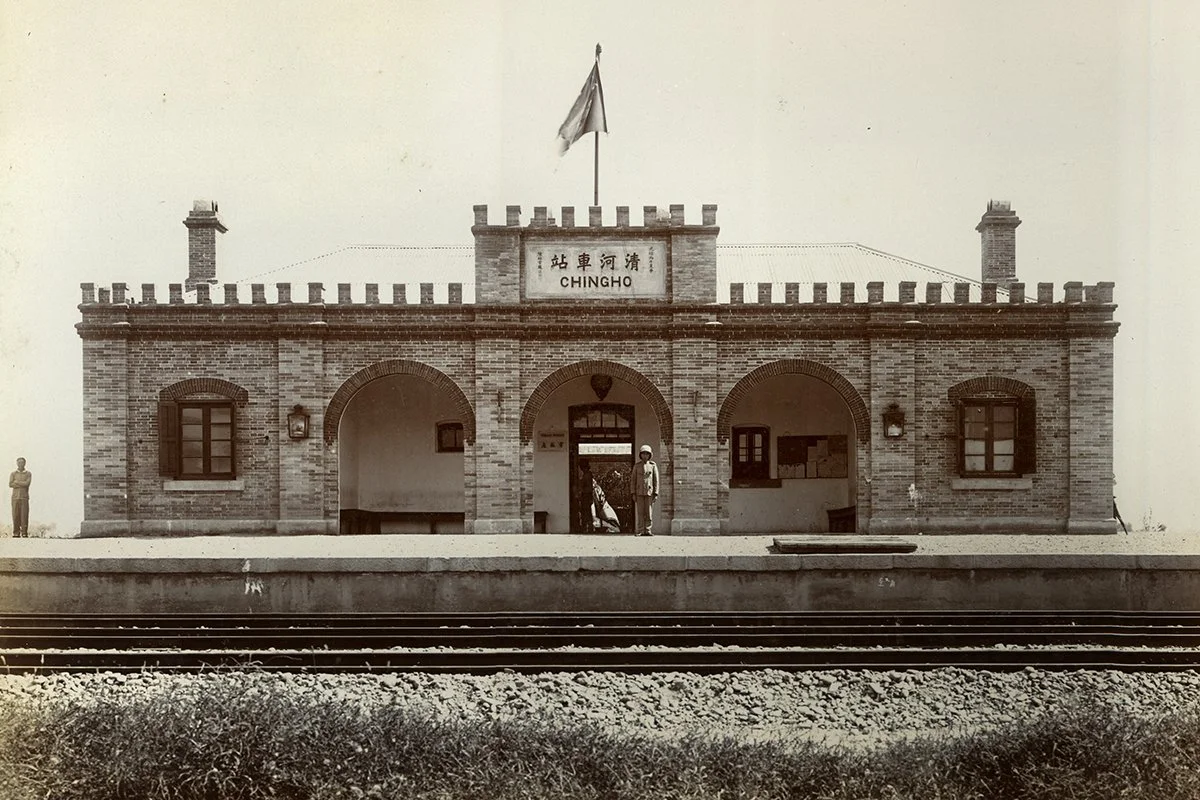
Qinghe Station upon its initial completion
(Photo by Tan Jintang)
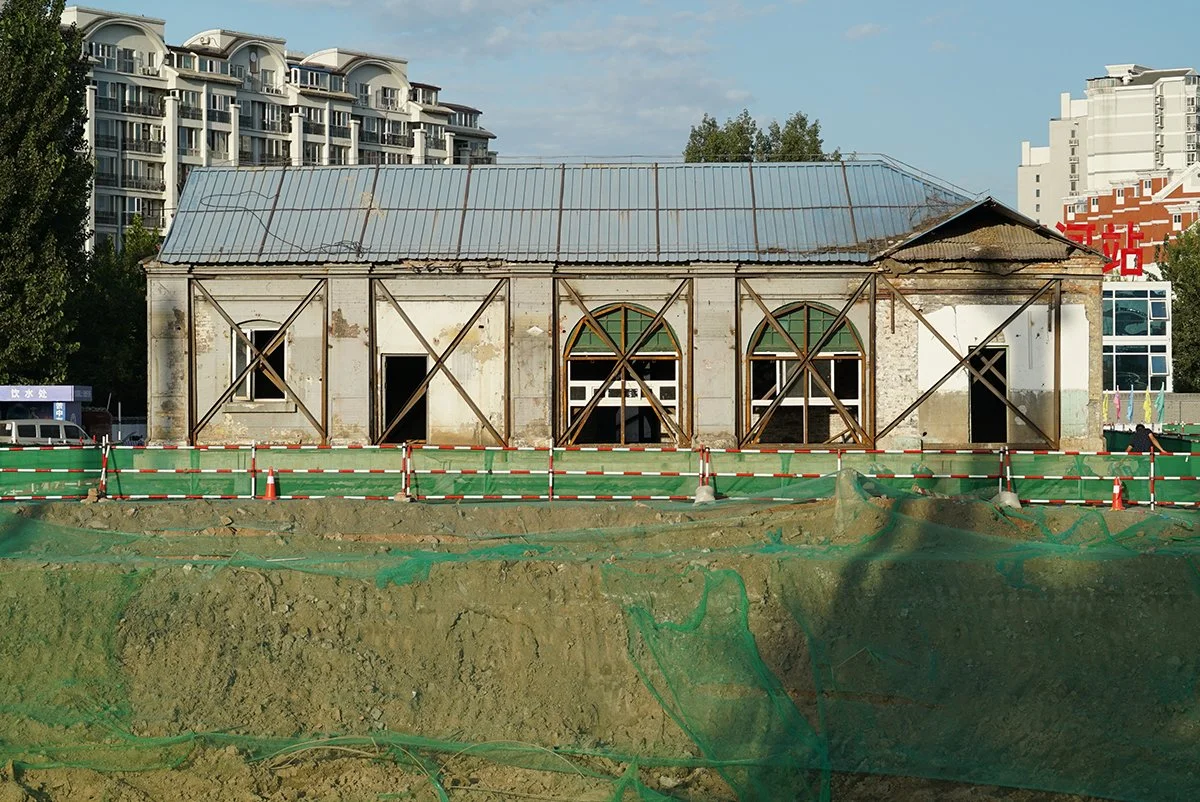
Qinghe Station before relocation
(Photo by Wang Wei)
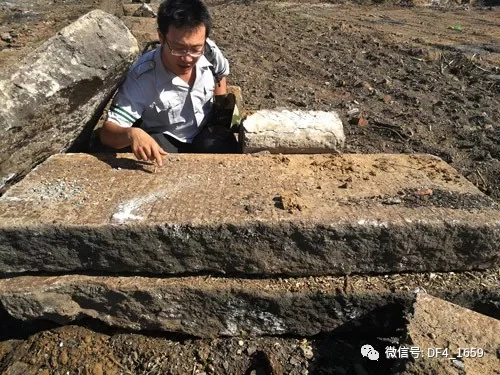
Wang Wei examined the platform coping stones that were removed during the dismantling of Qinghe Station, which are currently preserved at the China Railway Museum.
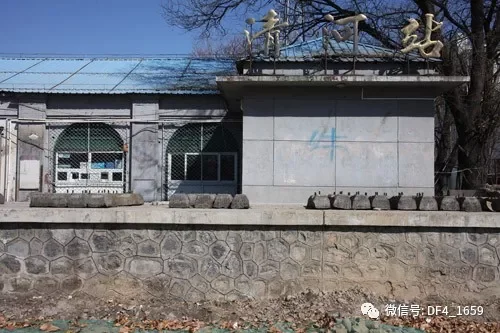
The old station building of Qinghe Station before renovation
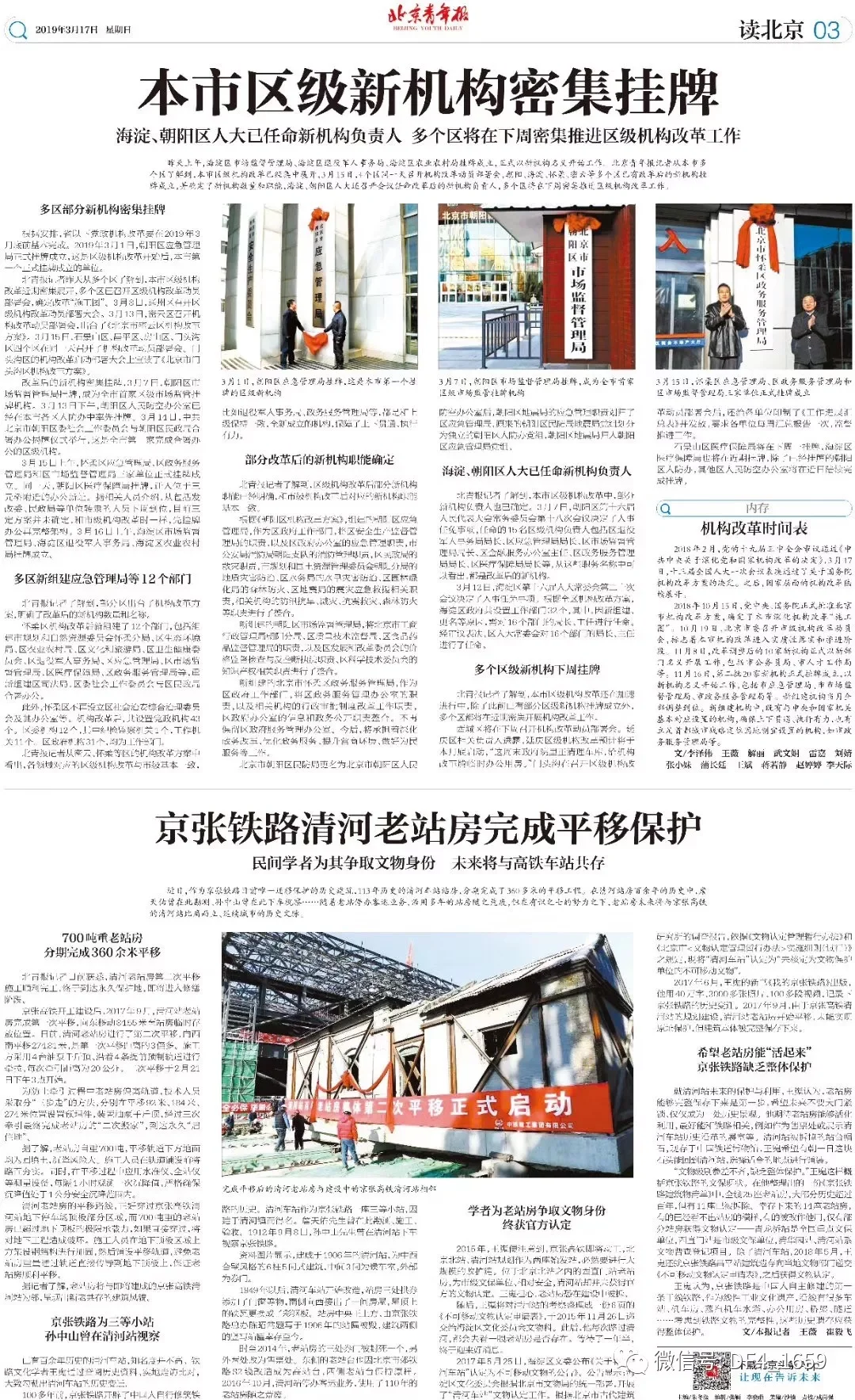
March 16, 2019, Beijing Youth Daily
March 16, 2019, Beijing Youth Daily
Recently, as the only historical building undergoing relocation and protection along the Jingzhang Railway, the 113-year-old Qinghe Station building completed its multi-phase relocation project spanning over 360 meters. Throughout the century-plus history of the Qinghe station building, Jeme Tien Yow surveyed here, and Sun Yat-sen alighted here to inspect... With the suspension of passenger services at the old station, the station building that had been in use for many years fell into disuse. However, thanks to the efforts of people with vision, the old station building will stand shoulder to shoulder with the high-speed Qinghe Station of the Jingzhang High-Speed Railway in the future, continuing the city's historical context.
700-Ton Old Station Building Relocated Over 360 Meters in Stages
The Beijing Youth Daily reporter recently learned that the second relocation construction of the old Qinghe Station building was successfully completed, finally arriving at its permanent protection site and about to enter the restoration phase.
Following the commencement of construction on the Jingzhang High-Speed Railway, in September 2017, the old Qinghe Station building completed its first relocation, moving 84.55 meters eastward to a temporary storage location. Recently, the old Qinghe Station building underwent its second relocation, moving 274.81 meters to the southwest—more than three times the distance of the first move. The construction team used four hydraulic jacks and pulled the building along four pre-fabricated tracks, with each traction distance set at 20 centimeters. The secondary relocation began at 3:00 PM on February 21.
To prevent the old station building from deviating from the tracks during the pulling process, technicians adopted a "three-step" method, setting embedded parts and hydraulic jacks at positions of 92 meters, 184 meters, and 274 meters respectively. After three rounds of pulling, the "second move" of the old station building was finally completed, reaching its permanent "residence."
It is understood that the old station building weighs 700 tons, and the ground beneath the relocation tracks consists entirely of backfilled soil, carrying a high risk of settlement. The construction workers compacted the roadbed prior to laying the tracks. Meanwhile, surveying equipment such as levels and total stations were used during the relocation process to monitor the settlement value every hour, strictly ensuring that the settlement remained within the safe range of 1 centimeter.
The relocation route of the old Qinghe Station building happened to pass through a section of the roof slab of the underground parking lot at the Jingzhang High-Speed Railway's Qinghe Station. The 700-ton old station building already exceeded the ultimate load-bearing capacity of the underground roof slab; a direct passage would have caused damage to the underground engineering. Construction workers erected steel structures above the underground roof slab area for reinforcement and then laid the relocation tracks, preventing the weight of the old station building from transmitting directly through the tracks to the underground roof slab, thereby ensuring the smooth relocation of the old station building.
Jingzhang Railway Was a Minor Third-Class Station; Sun Yat-sen Inspected Qinghe Station
The century-old Qinghe Railway Station is not widely known. Railway culture scholar Wang Wei, through consulting historical materials and conducting field visits and comparisons, roughly outlined the historical changes of Qinghe Station.
More than a hundred years ago, the Jingzhang Railway pioneered the history of railways constructed independently by the Chinese. As a minor third-class station on the Jingzhang Railway, Qinghe Station derived its name from being built in Qinghe Town. Mr. Jeme Tien Yow once surveyed, constructed, and inspected here. On September 8, 1912, Mr. Sun Yat-sen alighted at Qinghe Station to inspect the Jingzhang Railway.
Archival photos show that Qinghe Station, completed in 1906, was a Chinese-Western eclectic style building with 6 pillars and 5 bays, the middle 3 bays serving as a waiting room and the exterior featuring arched doorways.
After 1949, Qinghe Station underwent renovations: doors and windows were added to the three arches of the station building, an additional room was extended westward on the south side, and the iron tiles on the roof were replaced with color steel panels. The station plaque right above the center of the building, inscribed in 1906 by Chen Zhaochang, the general manager of the Jingzhang Railway, was destroyed, but the vertically written station plaques on both sides of the building have survived to this day.
By 2014, one of the three arched doorways of the old station building was sealed shut, while the other two were converted into ticket offices. The old platform on the east side was also rebuilt into a high platform due to the transformation of the Beijing Suburban Railway S2 Line, while the old platform on the west side remained unchanged. In October 2016, Qinghe Station suspended passenger operations, and the 110-year-old station building subsequently fell into disuse.
Scholar Fights for Cultural Property Status for Old Station Building, Finally Gaining Official Recognition
In 2015, Wang Wei noticed that the Jingzhang High-Speed Railway was about to start construction, and Beijing North Station and Qinghe Station were planned as two originating stations, which would inevitably undergo large-scale renovation and expansion. The old Xizhimen Station building located inside Beijing North Station was a municipal-level cultural heritage protection unit and relatively safe, but Qinghe Station had not obtained official cultural property recognition. Wang Wei worried that the old station building might be demolished during construction.
Subsequently, Wang Wei organized his inspection of Qinghe Station into a 6-page Application for Immovable Cultural Property Recognition, which he submitted to the Cultural Relics Section of the Haidian District Culture Commission on November 26, 2015. Since then, every time he passed by Qinghe, he would check to see if the old station building still existed. After waiting a year and a half, good news finally arrived.
On May 25, 2017, the Haidian District Culture Commission issued the Announcement on Recognizing "Qinghe Railway Station" as Immovable Cultural Property. The announcement showed: According to the unified deployment of the Beijing Municipal Cultural Heritage Bureau, the Haidian District Culture Commission carried out the cultural property recognition work for "Qinghe Railway Station." Based on the investigation report of the Beijing Municipal Institute of Ancient Architecture and in accordance with the Interim Measures for the Administration of Cultural Property Recognition and its Beijing Implementation Rules (Trial), "Qinghe Railway Station" was hereby recognized as "immovable cultural property not yet verified as a cultural heritage protection unit."
In June 2017, Wang Wei's new book My Jingzhang Railway was published, documenting the historical changes of the Jingzhang Railway with 400,000 words, over 3,000 photos, and more than 100 video clips. In September 2017, due to the planning and construction of the Jingzhang High-Speed Railway's Qinghe Station, the old Qinghe Station building began its relocation. While in-situ protection was not achieved, the building body was completely preserved.
As understood by the reporter, the old station building will neighbor the soon-to-be-completed Qinghe Station of the Jingzhang High-Speed Railway, presenting an architectural style where the old and the new coexist.
Hoping the Old Station Building Can Be "Revitalized"; Jingzhang Railway Lacks Overall Protection
Regarding the future protection and utilization of Qinghe Station, Wang Wei believes that the complete preservation of the old station building is the first step, and he hopes that in the future it will not be locked up tight and merely become a historical landscape. He anticipates that the old station building can be revitalized and utilized, ideally in connection with railways—for example, serving as a ticket office or an exhibition room displaying the historical evolution of Qinghe Station. The platform coping stones of Qinghe Station that were demolished are currently housed in the China Railway Museum, and Wang Wei hopes that one day this stone can return to Qinghe Station and be laid at a suitable location.
"Cultural property levels are uneven, and there is a lack of overall protection," Wang Wei summarized the current state of cultural preservation along the Jingzhang Railway. In a List of Jingzhang Railway Buildings he compiled, most of the 25 old station buildings along the entire line have histories exceeding a century, yet 11 have already been demolished. Of the 14 surviving old station buildings, some no longer resemble station buildings, some have been repurposed, and only a portion have obtained cultural property recognition—Qinglongqiao Station is a major historical and cultural site protected at the national level, Xizhimen Station is a municipal-level cultural heritage protection unit, and Qinghuayuan Station and Qinghe Station are items registered in the cultural relics census. Aside from Qinghe Station, in May 2018, Wang Wei also submitted an Application for Immovable Cultural Property Recognition to local cultural heritage departments regarding the architectural remnants of Changping Station along the Jingzhang Railway, which subsequently gained cultural property recognition.
Wang Wei believes that the Jingzhang Railway is the first trunk railway independently built by the Chinese. As a linear industrial cultural heritage, the route features many stations, engine houses, steam locomotive water towers, office buildings, bridges, and tunnels... Considering the integrity of railway cultural relics, these historical remnants should receive overall protection.
Text / Beijing Youth Daily Reporters Wang Wei and Cui Yifei
Photography / Beijing Youth Daily Reporter Cui Yifei
Editor / Cui Yifei
