
Fengtai Changxindian bunker-style water tower becomes a safety hazard hanging over residents' heads
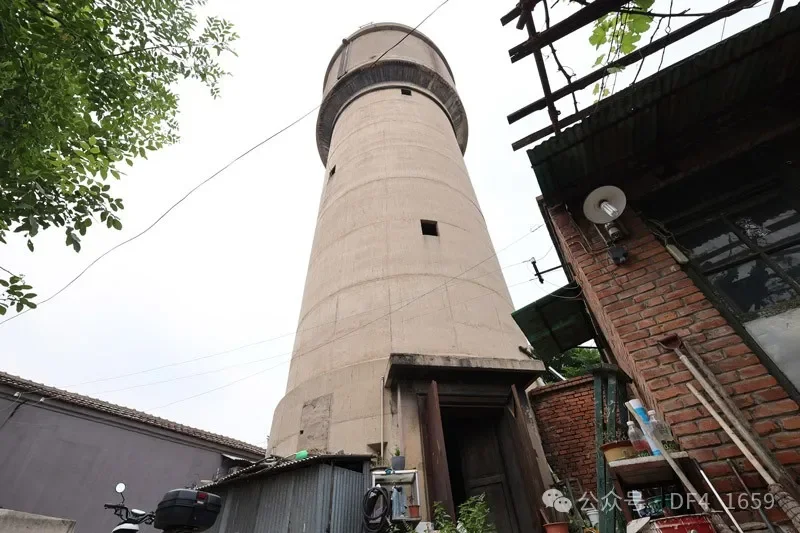
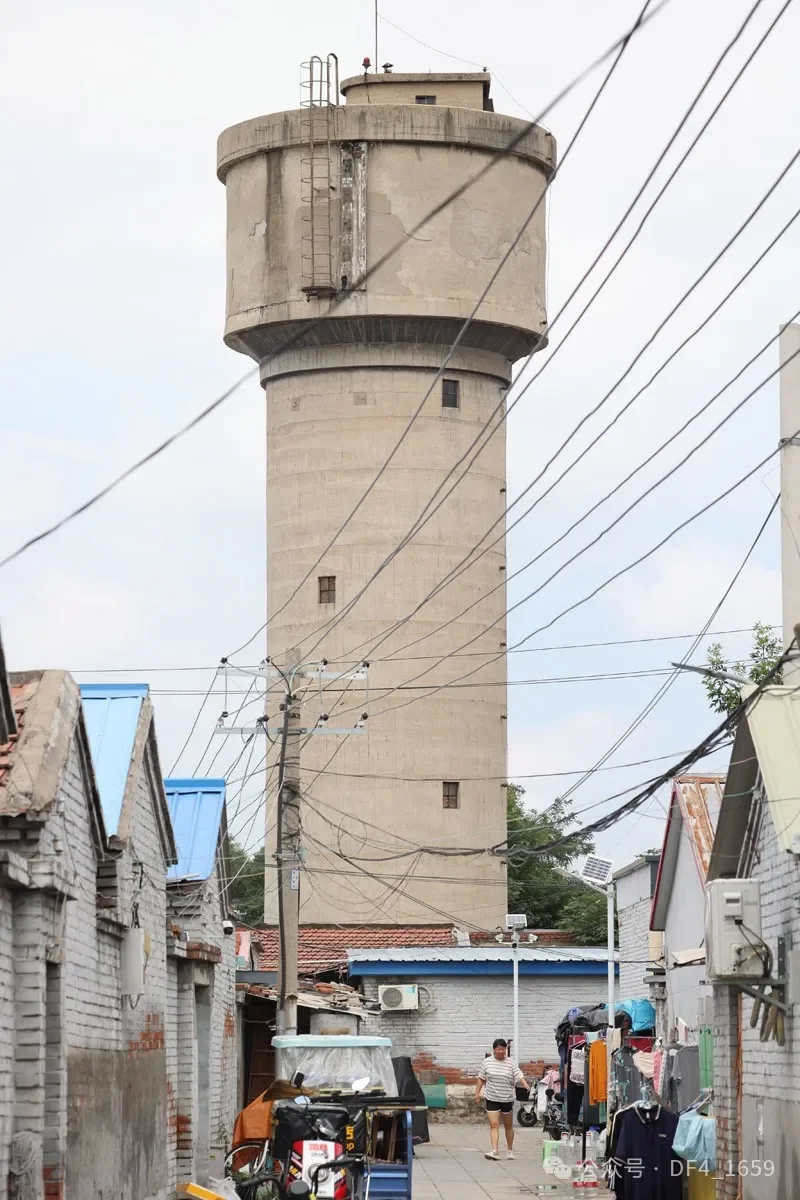
The Changxindian water tower adjacent to residential houses
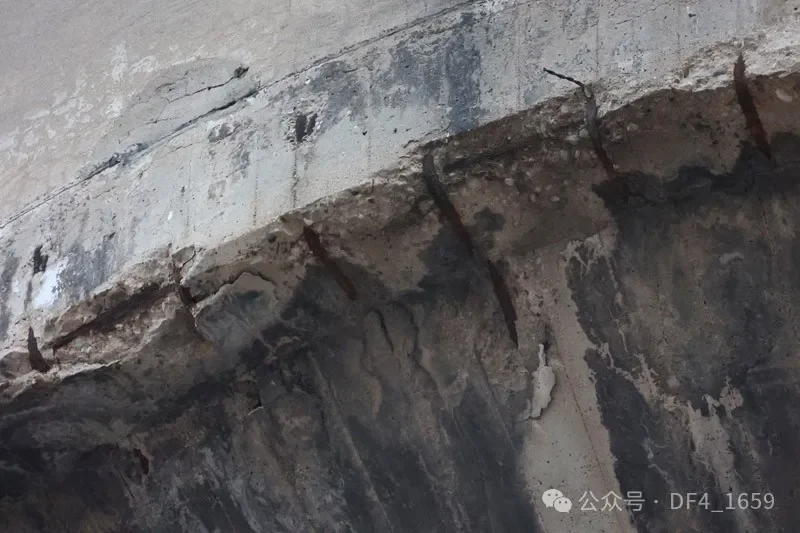
After the cement peeled off, the reinforcing steel bars at the bottom of the water tank were exposed.
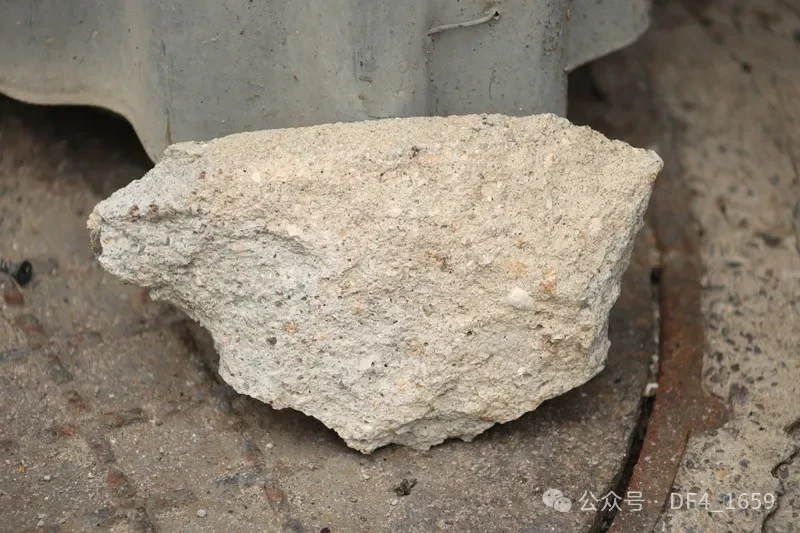
Cement chunks detached from the water tower
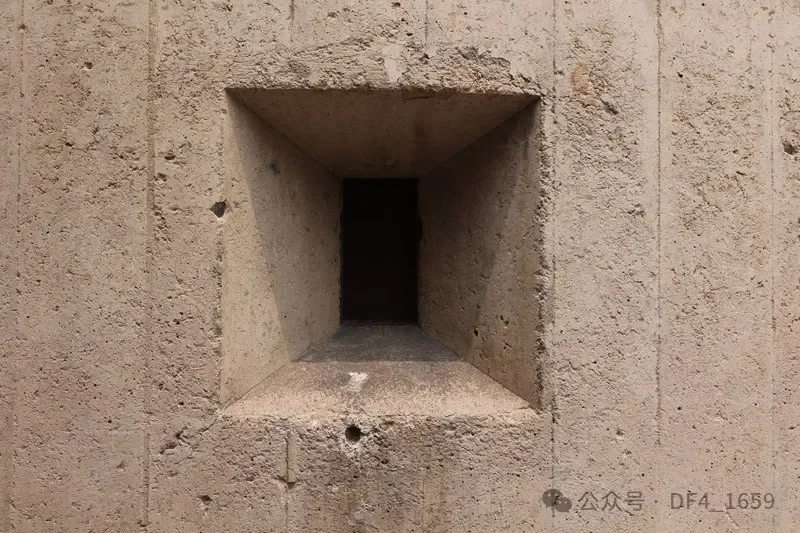
Shooting hole
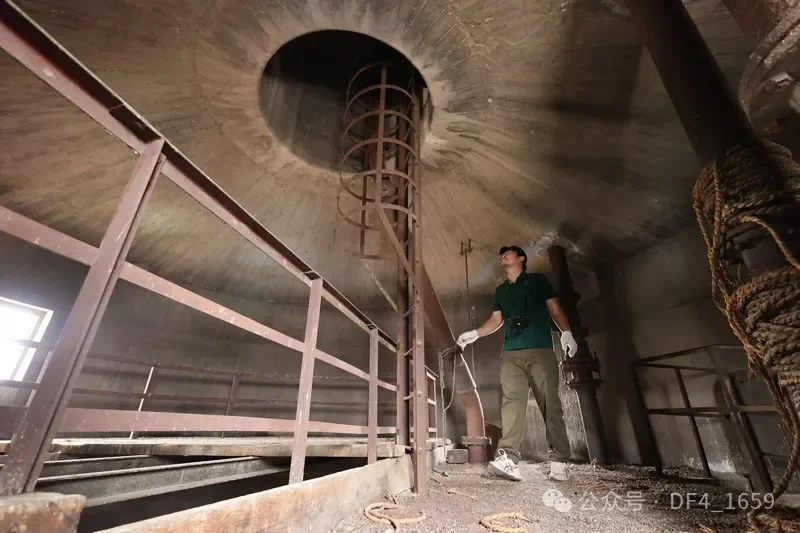
Wang Wei conducting a field survey inside the water tower
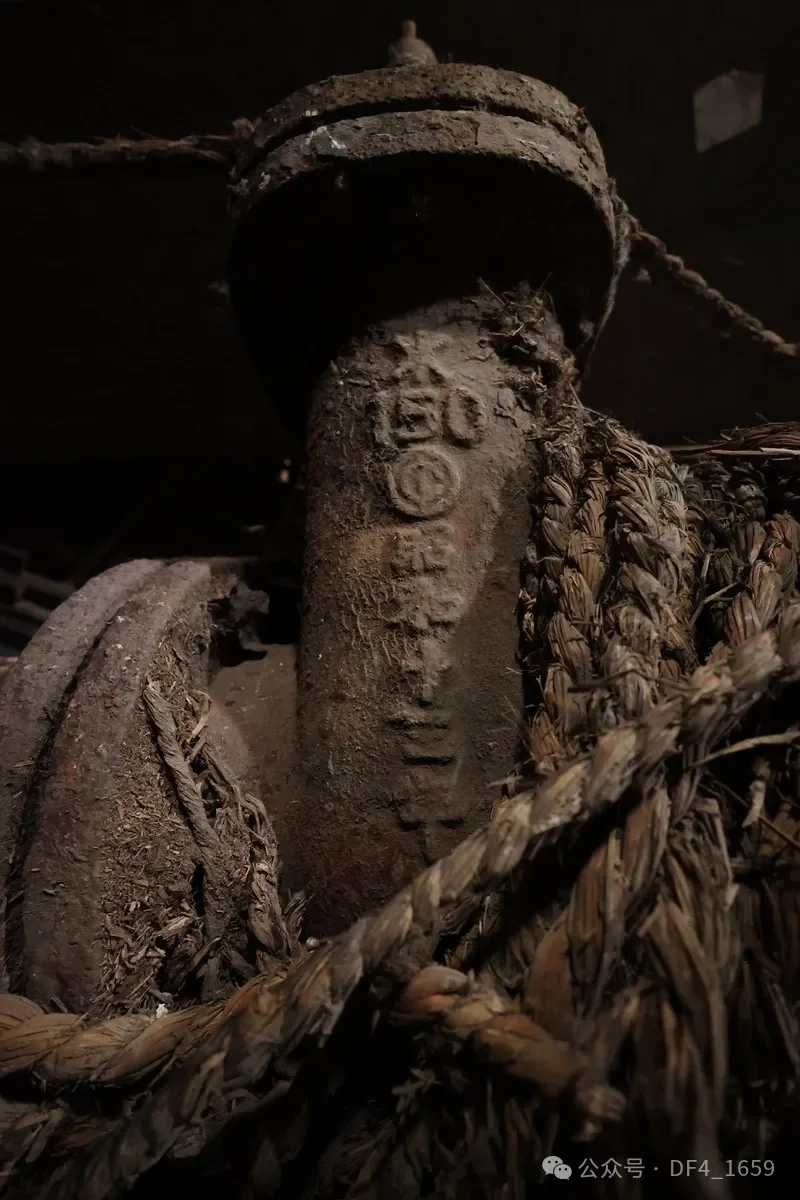
The words "Showa 13th Year" on the cast-iron pipe fitting
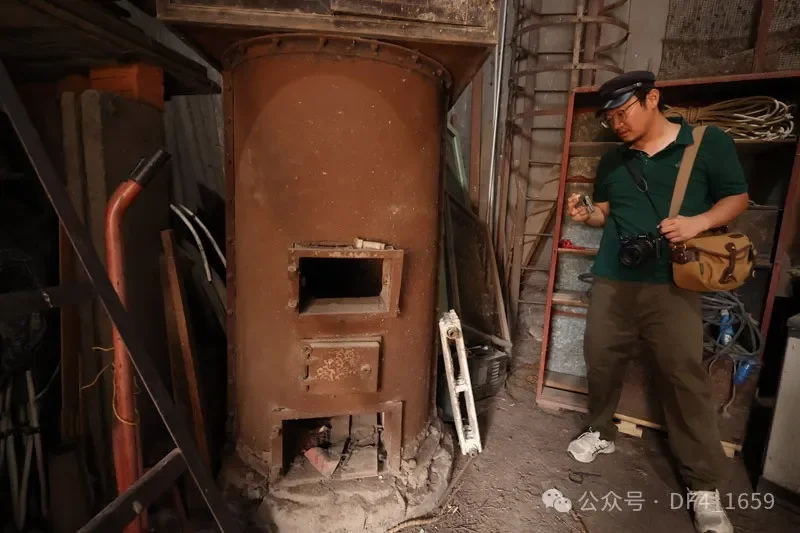
The boiler inside the water tower
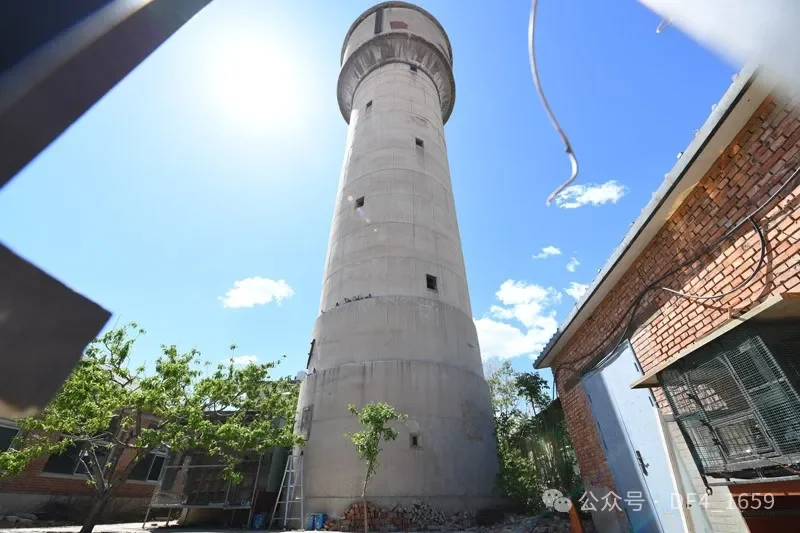
Water tower near Nankou Railway Station, with shooting holes distributed below the support structure
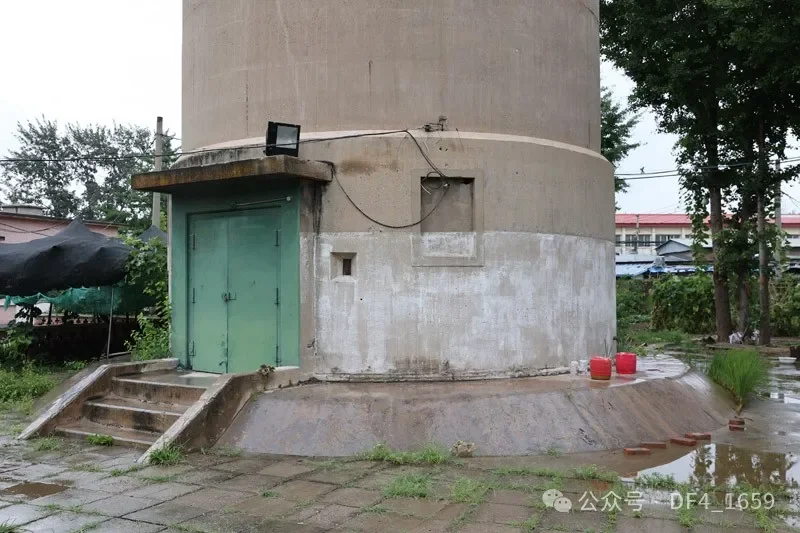
Water tower near Liulihe Railway Station, still supplying water to nearby railway dormitories
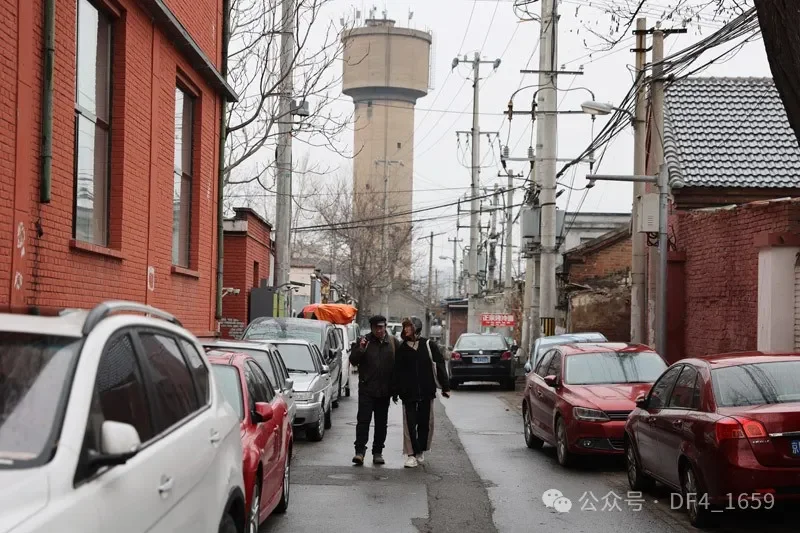
Water tower near Fengtai Railway Station, now out of use
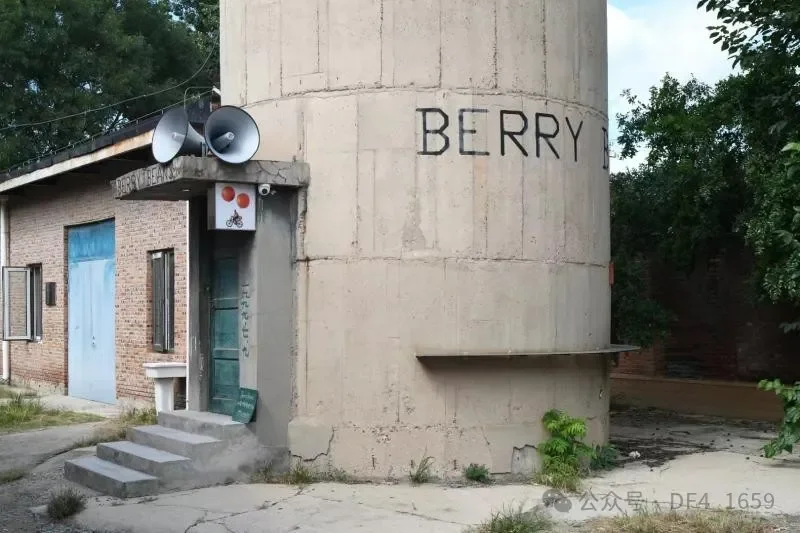
The water tower was converted into a coffee shop after being decommissioned.
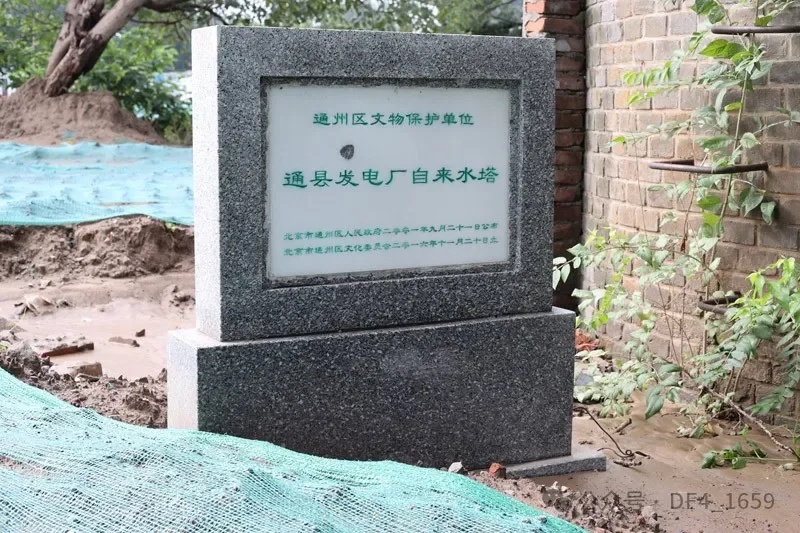
Cultural relic protection sign
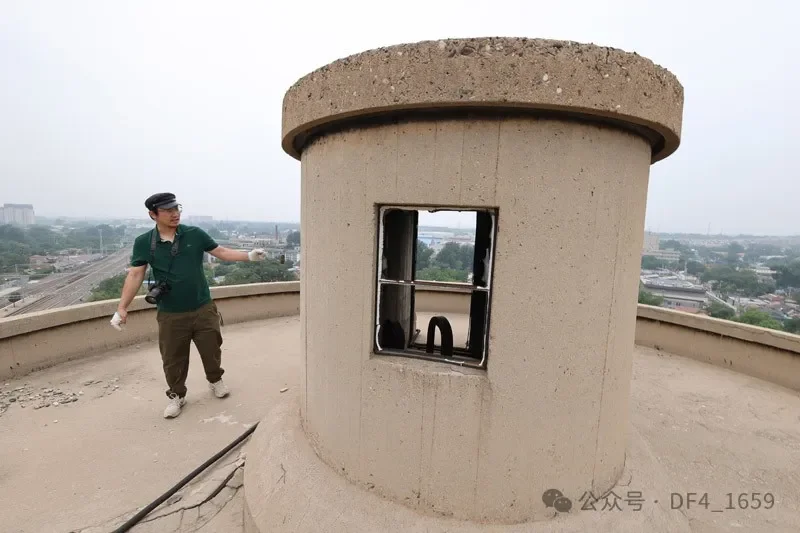
Wang Wei conducting a field survey at the top of the water tower
Water tower near Shunyi Railway Station, similar in architectural style to the Changxindian water tower
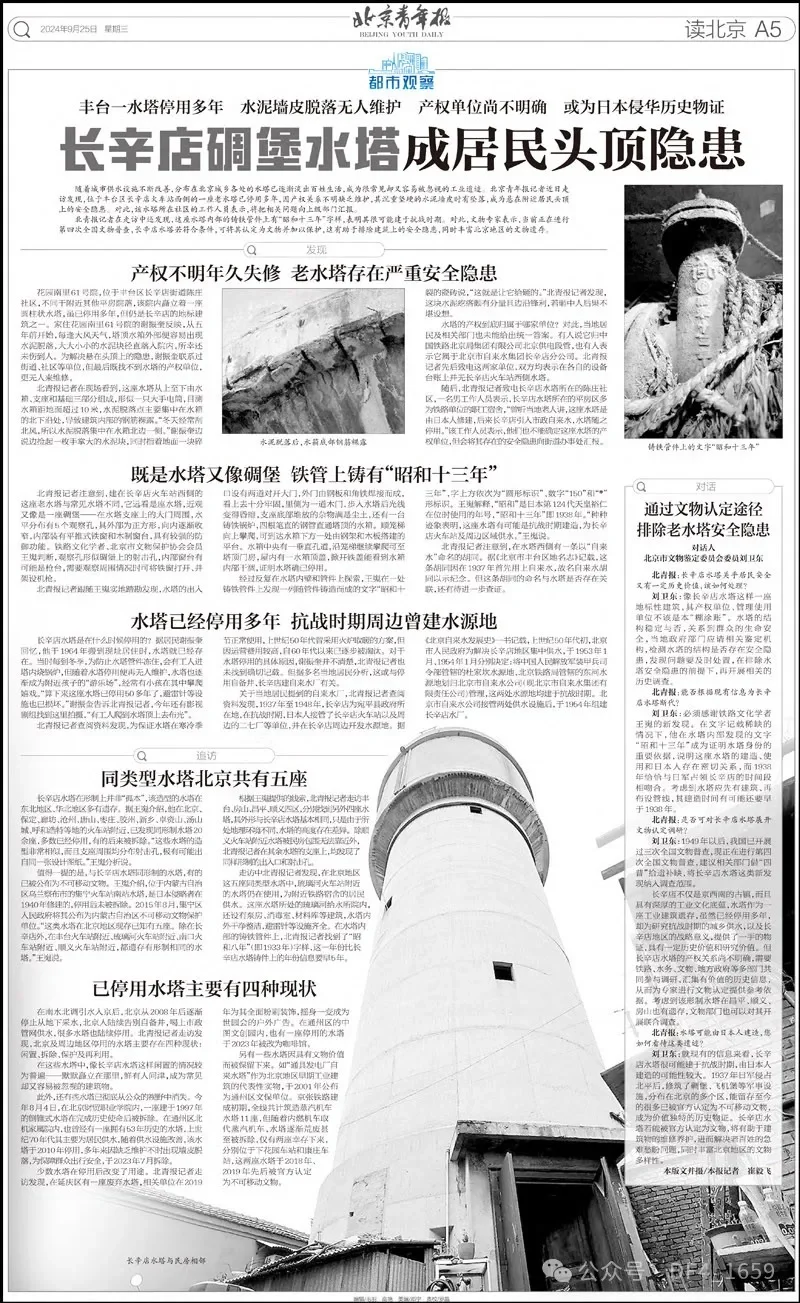
September 25, 2024, Beijing Youth Daily
With the continuous improvement of urban water supply facilities, water towers distributed across urban and rural areas in Beijing have gradually faded from people's daily lives, becoming common yet easily overlooked industrial heritage. A reporter from Beijing Youth Daily recently visited and found that an old water tower located on the west side of Changxindian Railway Station in Fengtai District has been out of use for many years. Due to unclear property rights and a lack of maintenance, its heavy and hard cement wall skin frequently falls off, becoming a safety hazard hanging over the heads of nearby residents. In response, staff members of the community where the water tower is located stated that they will report related issues to higher-level authorities. During the visit, the reporter also found that the cast iron pipe fittings inside the water tower bear the words "Showa 13th Year," indicating that it was likely built during the War of Resistance Against Japanese Aggression. In response, cultural relics experts stated that the fourth national survey of cultural relics is currently underway. If the Changxindian water tower meets the conditions, it can be recognized as a cultural relic and protected, which helps eliminate safety hazards on the building while enriching the cultural relic remnants in the Beijing area.
Unclear Property Rights and Years of Disrepair: The Old Water Tower Poses Safety Hazards
Huayuan Nanli 61 Courtyard is located in the Zhuangzhuang Community of the Changxindian Subdistrict in Fengtai District. Unlike other nearby single-story courtyard houses, a cylindrical water tower stands inside this courtyard. Although it has been out of use for many years, it remains one of the landmark buildings in Changxindian.
Xie Zhenkui, a resident of Huayuan Nanli 61 Courtyard, reported that starting five years ago, whenever there was strong wind, the exterior of the water tank at the top of the tower was prone to cement shedding, and large and small chunks of cement fell directly into the courtyard. Fortunately, no one has been injured yet. To solve this hazard hanging over his head, Xie Zhenkui contacted the subdistrict, community, and other units, but in the end, he could neither find the property rights unit of the water tower nor anyone to repair it. A reporter from Beijing Youth Daily saw at the scene that the water tower consists of three parts from top to bottom: the water tank, the support structure, and the foundation, resembling a large flashlight. Visually, the water tank is more than 10 meters above the ground, and the cement shedding points are mainly concentrated at the lower north edge of the water tank, exposing the steel bars inside the building. "The north wind blows frequently in winter, so the cement shedding is concentrated on the north side of the water tank," Xie Zhenkui said while picking up a palm-sized chunk of cement and pointing to a cracked tile on the ground, "This was smashed by it." The reporter found that this chunk of cement was quite heavy and had sharp edges. If it hit someone, the consequences would be unimaginable. To which unit does the property right of the water tower belong? Regarding this, local residents and relevant departments failed to give a unified answer. Some said it is managed by the Beijing Power Supply Section of the China Railway Beijing Group Co., Ltd., while others said it belongs to the Changxindian Branch of the Beijing Waterworks Group. The reporter successively called these two units, and both stated that there is no water tower on the west side of Changxindian Railway Station in their respective equipment ledgers.
Subsequently, the reporter called the Zhuangzhuang Community where the Changxindian water tower is located. A male staff member stated that the single-story residential area where the water tower is located mostly consists of staff dormitories for railway units. "I once heard local elderly people say that this water tower was built by the Japanese, and later when Changxindian introduced municipal tap water, the water tower was decommissioned accordingly." The staff member stated that they could not determine the property rights unit of the water tower either, but they would report its safety hazards to the subdistrict office.
Both a Water Tower and a Bunker: "Showa 13th Year" Cast on Iron Pipes
The reporter noticed that this old water tower built on the west side of Changxindian Railway Station is different from common water towers. Viewed from a distance, it is a water tower, but viewed up close, it looks like a bunker—around the door on the support structure of the water tower, there are 5 observation ports distributed horizontally. Their exteriors are square and gradually narrow inward, and they are equipped with push-pull iron windows and wooden windowsills inside, possessing strong defensive functions. Wang Wei, a railway culture scholar and member of the Beijing Cultural Relics Protection Association, judged that these observation ports resemble shooting holes on bunkers, and the internal windowsills may serve as gun platforms. When it is necessary to observe the surrounding situation, the iron windows can be opened and machine guns can be mounted.
Accompanied by Wang Wei for a field survey, the reporter found that the entrance and exit of the water tower are equipped with two pairs of double-leaf doors. The outer door is welded from steel plates and angle iron, looking very solid, and the inner door is a wooden door. Upon entering the water tower, the light becomes dim, the sundries piled at the bottom of the support structure are full of dust, and there is also a cast-iron boiler, with four straight steel pipes leading directly to the water tank at the top of the tower. Climbing up the cage ladder leads to a platform built of steel frames and wooden boards under the water tank. There is a vertical shaft in the center of the water tank. Continuing to climb up the cage ladder leads to the rooftop guardroom, where there is a water tank top cover. Lifting the iron lid reveals that the inside of the water tank is dry, proving that the water tower is indeed out of use.
After repeatedly exploring the inner walls and pipe fittings of the water tower, Wang Wei found a row of characters cast along with the pipe fitting on a cast-iron pipe fitting: "昭和十三年" (Showa 13th Year). Above the characters are, in order, a "circular logo," the number "150," and a "*" shaped logo. Wang Wei explained that "Showa" is the era name used during the reign of Hirohito, the 124th Emperor of Japan, and "Showa 13th Year" corresponds to 1938. "All signs indicate that this water tower may have been built during the War of Resistance Against Japanese Aggression to supply water to Changxindian Railway Station and its surrounding areas," Wang Wei said. The reporter noticed that on the west side of the water tower, there is an alley named "Tap Water" (Zilaihui). According to the Beijing Fengtai District Place Names Record, this alley was named Tap Water Alley to commemorate the fact that it was the first to use tap water in 1937. However, whether the naming of this alley is related to the water tower remains to be further investigated.
The Water Tower Has Been Out of Use for Many Years: A Water Source Area Was Once Built Around It During the War of Resistance
When was the Changxindian water tower decommissioned? According to resident Xie Zhenkui's recollection, when he moved to his current residence in 1964, the water tower was already in existence. At that time, every winter, to prevent the pipe fittings of the water tower from freezing, workers would enter the tower to fire the boiler. However, after the water tower was decommissioned, no one maintained it anymore, and the water tower gradually became a "playground" for nearby children, who often climbed and played in it. "Calculated this way, this water tower has been out of use for more than 50 years, and facilities such as lightning rods have also been damaged," Xie Zhenkui told the reporter, adding that a film and television crew came here to shoot this year, "and workers climbed to the top of the water tower to set up lighting."
Upon reviewing materials, the reporter found that to ensure the normal operation of the water tower in cold seasons, a coal stove heating scheme was adopted in the 1950s, but due to high operating costs, it has been gradually phased out since the 1960s. Xie Zhenkui is not clear about the specific reason why the water tower was decommissioned, and the reporter did not find any exact records either. However, according to the analysis of multiple local residents, this may be related to the decommissioning of private wells and the construction of the Changxindian Waterworks.
Regarding the waterworks mentioned by local residents, the reporter found through reviewing materials that from 1937 to 1948, Changxindian was the seat of the Wanping County Government. During the War of Resistance Against Japanese Aggression, the Japanese took over Changxindian Railway Station and surrounding units such as the Erqi Factory, and developed water source areas around Changxindian. According to the book History of Beijing's Tap Water Development, in the early 1950s, to solve the centralized water supply in the Changxindian area, the Beijing Municipal People's Government decided in January 1953 and January 1954 respectively to transfer the Dujiakan water source area managed by the Armored Force Headquarters of the Chinese People's Liberation Army and the Donghe water source area managed to the Beijing Railway Bureau to the Beijing Tap Water Company (now Beijing Tap Water Group Co., Ltd.) for management, both of which were built during the War of Resistance. After taking over the two water supply facilities, the Beijing Tap Water Company established the Changxindian Waterworks in 1954.
Five Water Towers of the Same Type Currently Exist in Beijing, Some Still in Use
The Changxindian water tower is not a "single copy" in terms of form and design, and water towers of this shape have many remnants in the Northeast and North China regions. According to Wang Wei, he has discovered more than 20 water towers of the same shape near railway stations in places such as Beijing, Baoding, Langfang, Cangzhou, Tangshan, Zaozhuang, Jiaozhou, Xinxiang, Zhuozishan, Tanshancheng, and Hohhot, most of which have been decommissioned and some later demolished. "The shapes of these water towers are very similar, and shooting holes are distributed around their supports, making it highly likely that they came from the same design blueprint," Wang Wei analyzed.
It is worth mentioning that some water towers of the same shape as the Changxindian water tower have already been announced as immovable cultural relics. Wang Wei introduced that the water tower at the South Station of Jining Railway Station in Ulanqab City, Inner Mongolia Autonomous Region, was built by Japanese invaders in 1940 and was not demolished after being decommissioned. In August 2015, the People's Government of Jining District announced it as an immovable cultural relic protection unit in the Inner Mongolia Autonomous Region. "There are five known surviving water towers of this type in the Beijing area. In addition to the one in Changxindian, water towers of the same shape are preserved near Fengtai Railway Station, Liulihe Railway Station, Nankou Railway Station, and Shunyi Railway Station," Wang Wei said.
Based on the clues provided by Wang Wei, the reporter visited Fengtai, Fangshan, Changping, and Shunyi districts and found the other four water towers respectively. Their appearances are basically the same as the Changxindian water tower, except that due to different geographical environments, there are differences in the height of the water towers. Except for the water tower near Shunyi Railway Station which was surrounded by residential houses and could not be approached, the reporter found the same style of entrances and exits and shooting holes on the supports of the remaining water towers.
During the visits, the reporter found that among these five water towers of the same type in the Beijing area, the water tower near Liulihe Railway Station is still in use, supplying water to residents of the nearby railway dormitory. Inside the courtyard of the Liulihe Water Supply Station where this water tower is located, there are also buildings such as a pump house, a disinfection room, and a material warehouse. The interior and exterior of the water tower are clean and tidy, and facilities such as lightning rods are complete. On the cast-iron pipe fittings inside the water tower, the reporter found the words "Showa 8th Year" (i.e., 1933), which is 5 years earlier than the year information on the castings of the Changxindian water tower.
Decommissioned Water Towers Mainly Have Four Statuses: A Minority Become Immovable Cultural Relics
After water from the South-to-North Water Diversion Project was introduced to Beijing, Beijing gradually stopped extracting groundwater after 2008. Beijing residents successively bid farewell to private wells and drank tap water from the municipal pipeline network, and many water towers were decommissioned one after another. The reporter's visits found that decommissioned water towers in Beijing and surrounding areas mainly have four statuses: abandoned, demolished, protected, and reused.
Among these water towers, abandonment like the Changxindian water tower is relatively common—standing there silently, rarely visited, and becoming a common yet easily overlooked building. In addition, some water towers have completely disappeared from the public view. On August 4 this year, inside the Beijing Vocational College of Finance and Commerce, an inverted-cone water tower built in 1997 was demolished after completing its historical mission. Inside the Beiji Residential Quarter in Tongzhou District, there was also a 53-year-old water tower that mainly supplied water to residents in the 1970s. With the improvement of water supply facilities, the water tower was decommissioned in 2010. Due to a lack of maintenance, wall peeling occurred from time to time over the years. To ensure the safety of the public's travel, it was demolished in July 2023.
A minority of water towers changed their uses after being decommissioned. The reporter found during visits that there is an abandoned water tower in Yanqing District. Relevant units comprehensively painted and decorated it in 2019, transforming it into an outdoor advertisement for the Beijing International Horticultural Exhibition. Inside the Zhongtu Cultural and Creative Park in Tongzhou District, a decommissioned water tower was converted into a coffee shop in 2023.
Other water towers were preserved due to their cultural relic value. For example, the "Tongxian Power Plant Tap Water Water Tower," as a representative physical object of early industrial architecture in the Beijing area, was announced as a Tongzhou District cultural relic protection unit in 2001. During the early construction period of the Beijing-Zhangjiakou Railway, a total of 11 steam locomotive water towers were built along the entire line. However, as internal combustion locomotives replaced steam locomotives, the water towers gradually fell into disrepair or were even demolished, with only two surviving, located respectively at Xiahuayuan Station and Kangzhuang Station. These two water towers were officially recognized as immovable cultural relics in 2018 and 2019 successively.
Expert Perspectives: Eliminating Safety Hazards of Old Water Towers Through Cultural Relic Recognition Channels
Interviewer: Liu Weidong, Member of the Beijing Cultural Relics Appraisal Committee
Beijing Youth Daily: The Changxindian water tower concerns residents' safety and has certain historical value. How should it be handled?
Liu Weidong: For a landmark building like the Changxindian water tower, its property rights unit and management/use unit should not be a "muddled account." Whether the structure of the water tower is stable or not concerns the life safety of the masses. Local government departments should invite relevant appraisal institutions to test whether the structure of the water tower has safety hazards, and problems should be dealt with in a timely manner. On the premise of eliminating the safety hazards of the water tower, relevant historical investigations can then be carried out.
Beijing Youth Daily: Can the Changxindian water tower be dated based on existing information?
Liu Weidong: We must thank railway culture scholar Wang Wei for his new discovery. In the case of scarce written records, the text "Showa 13th Year" he found inside the water tower has become an important basis for proving the identity of the water tower, indicating that the construction and use of this water tower are closely related to the Japanese, and 1938 happens to coincide with the period when the Japanese army occupied Changxindian. Considering that a water tower should have buildings first and then pipelines laid out, its construction time may even be earlier than 1938.
Beijing Youth Daily: Can cultural relic recognition work be carried out for the Changxindian water tower?
Liu Weidong: After 1949, China has carried out three national cultural relic censuses, and the fourth national cultural relic survey is currently underway. It is recommended that relevant departments take advantage of the "fourth census" to fill in gaps and include new discoveries like the Changxindian water tower into the scope of investigation. Changxindian is not only an ancient town in southwest Beijing, but also has a profound industrial and cultural heritage. As an industrial architectural remnant, although the water tower has been out of use for many years, it provides first-hand physical evidence for studying urban and rural water supply during the War of Resistance Against Japanese Aggression and the strategic significance of the Changxindian area, possessing certain historical and research value.
However, the property rights relationship of the Changxindian water tower is still unclear, requiring multiple departments such as railways, water affairs, cultural relics, and local governments to jointly participate in research, gather valuable historical information, and provide a reference basis for experts to conduct cultural relic recognition. Considering that water towers of this shape also have remnants in Changping, Shunyi, and Fangshan, cultural relic departments can also carry out joint investigations on them.
Beijing Youth Daily: The water tower may have been built by the Japanese. How do you view this type of remnant?
Liu Weidong: Judging from the existing information, the Changxindian water tower was likely built during the War of Resistance Against Japanese Aggression, and the possibility of it being built by the Japanese is relatively high. After the Japanese army invaded Beiping in 1937, they built military facilities such as bunkers and aircraft hangars, which are distributed across multiple districts of Beijing. Many of those that have survived to this day have been officially recognized as immovable cultural relics, becoming historical physical evidence with unique value. If the Changxindian water tower can be officially recognized as a cultural relic, it will help with the maintenance and upkeep of the building, thereby solving the urgent, difficult, and anxious problems of the common people while enriching the diversity of cultural relics in the Beijing area.
Related report by Beijing Youth Daily on September 25, 2024
Text / Beijing Youth Daily reporter Cui Yifei
Photography / Beijing Youth Daily reporter Cui Yifei
Editor / Cui Yifei
September 25, 2024, Beijing Youth Daily
