
Publicly donated old photos of the Beijing-Mukden Railway exhibited at the China Railway Museum
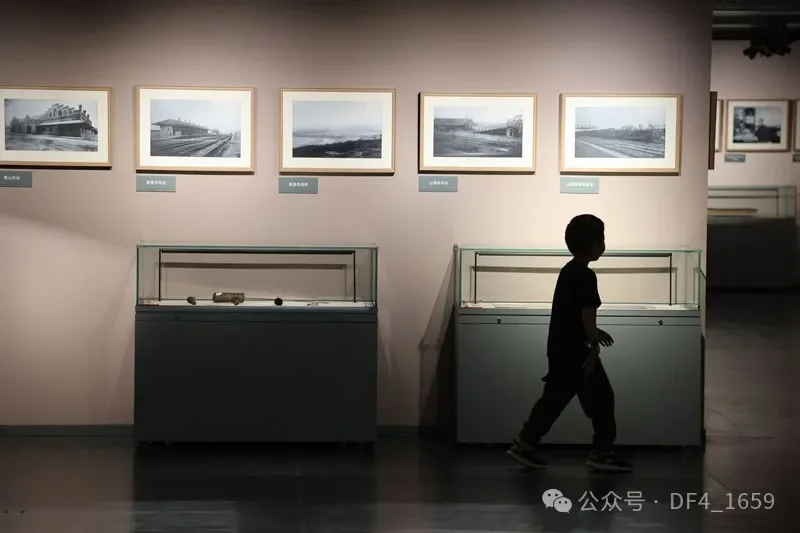
Exhibition hall (Photography / Cui Yifei, reporter from Beijing Youth Daily)
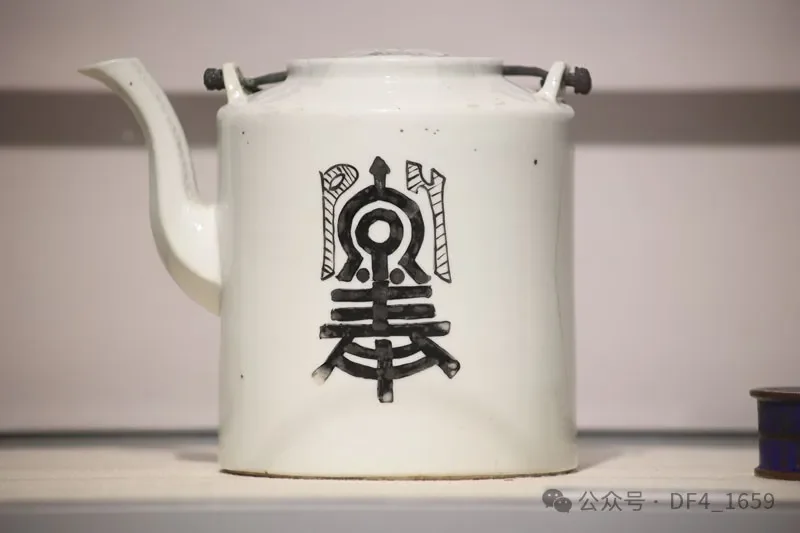
Teapot printed with the Beijing-Mukden Railway logo (Photography / Cui Yifei, reporter from Beijing Youth Daily)
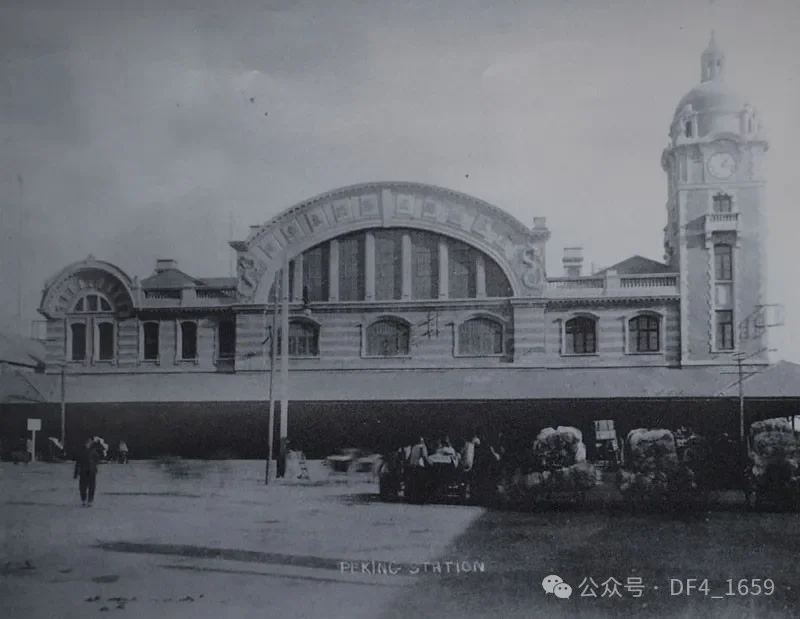
Image of Zhengyangmen East Station from the "Beijing-Mukden Railway" album
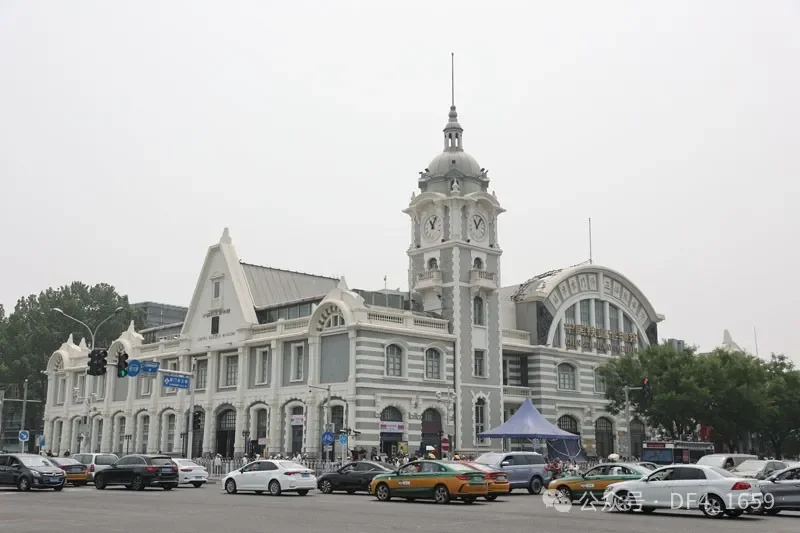
Former site of the Zhengyangmen East Station of the Beijing-Mukden Railway, now the Zhengyangmen Exhibition Hall of the China Railway Museum (Photography / Cui Yifei, reporter from Beijing Youth Daily)
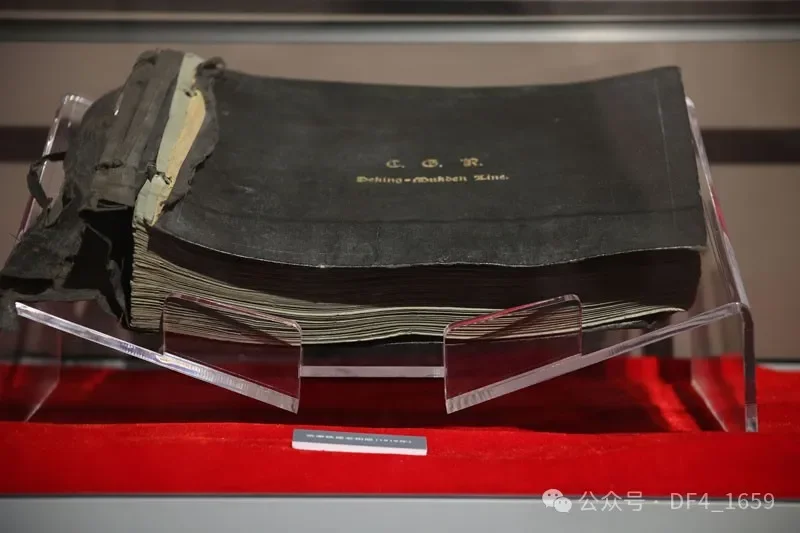
The "Beijing-Mukden Railway" album in the display case (Photography / Cui Yifei, reporter from Beijing Youth Daily)
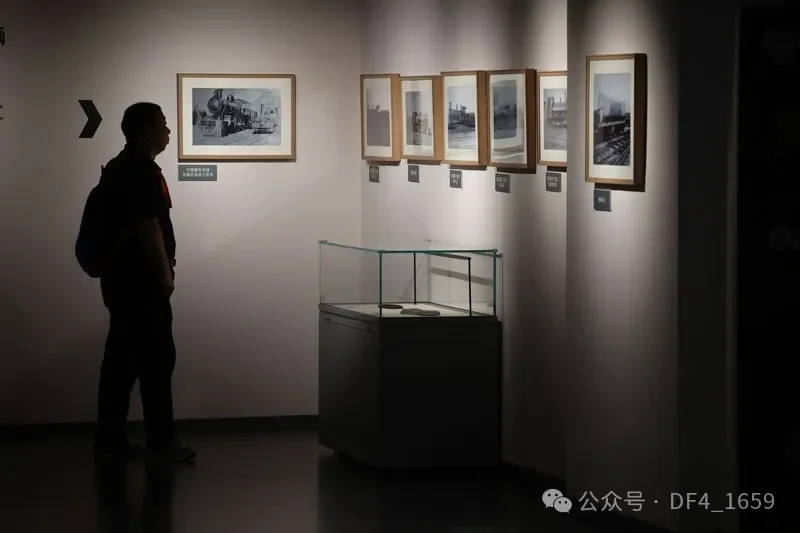
Exhibition hall (Photography / Cui Yifei, reporter from Beijing Youth Daily)
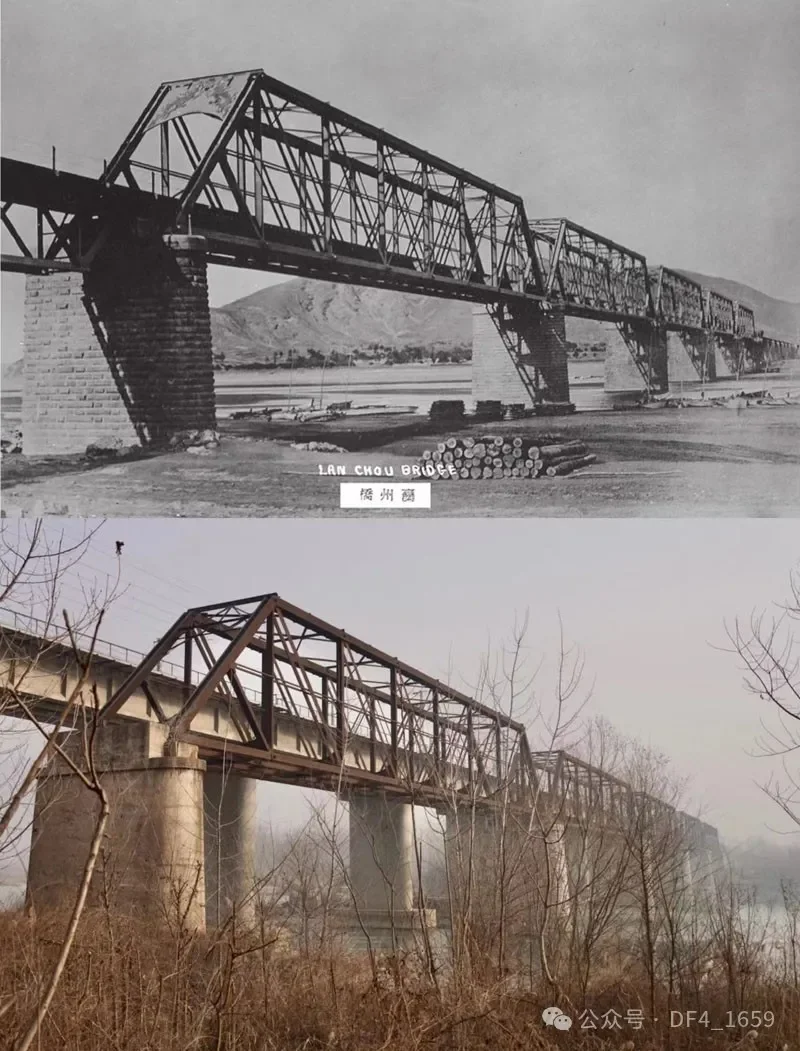
The right image shows an old photo of the Luanhe Bridge on the Beijing-Mukden Railway, and the bottom image shows the remains of the Luanhe Bridge photographed by Wang Wei in January 2023.
Beijing Youth Daily, May 27, 2024
Shanghai citizens traveled thousands of miles to Beijing to donate a treasured album to the China Railway Museum. Through the research and curation of cultural and museum workers, a century-old dust-covered piece of national memory was unveiled to the world... Recently, the exhibition "The Beijing-Mukden Railway in Historical Memory" opened at the Zhengyangmen Exhibition Hall of the China Railway Museum. The hundreds of black-and-white photos on display all originate from the "Beijing-Mukden Railway" album donated 12 years ago by Mr. and Mrs. Tang Guoqing, and the album is currently recognized as a national third-class cultural relic. Walking into the third-floor exhibition hall of the Zhengyangmen Exhibition Hall of the China Railway Museum, more than a hundred black-and-white photos are presented to the audience. The image contents include institutions, figures, bridges, factories, along-the-line station buildings, and rolling stock of the Beijing-Mukden Railway, comprehensively restoring the historical features of the Beijing-Mukden Railway. In order to truly reproduce the early features of the Beijing-Mukden Railway, this exhibition also displayed related museum collection artifacts, such as green bricks used on the buildings of the Beijing-Mukden Railway, staff badges of the Beijing-Mukden Railway Administration, and teapots printed with the Beijing-Mukden Railway logo. Speaking of the Beijing-Mukden Railway, many people may feel unfamiliar with it. This is because after 1949, the Beijing-Mukden Railway was renamed the Beijing-Shenyang Railway, and later became part of the Beijing-Harbin Railway, thereby weakening the public's memory of the Beijing-Mukden Railway. The Beijing-Mukden Railway, namely the railway from Beijing to Mukden (now Shenyang), originated from the Tangshan-Shanhaiguan Railway built in 1881, and then continuously expanded to the southwest and northeast. It was officially named the Beijing-Mukden Railway in 1907, and opened to full traffic in 1912, with a total length of main and branch lines exceeding 1,372 kilometers. As a major transportation artery connecting North China and Northeast China, the Beijing-Mukden Railway had more than a hundred large and small stations, especially Zhengyangmen East Station, Tianjin East Station and Main Station, Tangshan Station, and Mukden Station as major stations. A reporter from Beijing Youth Daily noted that in one of the exhibited photos, the English characters "PEKING-STATION" are printed, which is the Zhengyangmen East Station of the Beijing-Mukden Railway, and also the venue of this exhibition. It is understood that the Zhengyangmen East Station was put into use in 1906 and used to be the largest railway station in Beijing until the new Beijing Station was completed and opened to traffic in 1959, after which Zhengyangmen East Station was closed. As an early industrial heritage of China's railways, the former site of the Zhengyangmen East Station of the Beijing-Mukden Railway was listed as a Beijing municipal cultural relic protection unit in 2001, and was converted into the Zhengyangmen Exhibition Hall of the China Railway Museum in 2010, realizing the revitalization and utilization of architectural cultural relics. When viewing this exhibition, the public can also compare the old station building in the photos with reality to perceive the century-old changes of Zhengyangmen East Station. It is worth mentioning that the black-and-white photos exhibited this time all come from an album of the "Beijing-Mukden Railway." Reporters from Beijing Youth Daily saw at the Railway Museum that the album is 35 centimeters long, 28 centimeters wide, and 7 centimeters thick. The old black cover has slight damage, but the English characters "C.G.R. Peking-Mukden Line" on the cover are clear, meaning "Chinese Government Railways - Peking-Mukden Line." It is understood that this is also the only "Beijing-Mukden Railway" album collected by the China Railway Museum. Zhou Wei, the curator of this exhibition and deputy director of the Zhengyangmen Exhibition Hall of the China Railway Museum, introduced that this precious "Beijing-Mukden Railway" album originated from Mr. Tang Guoqing and Ms. Chen Yafang from Shanghai. On September 26, 2012, the couple traveled thousands of miles to Beijing to donate the "Beijing-Mukden Railway" album they treasured to the China Railway Museum free of charge. "When we opened the album and browsed the photos, we were quite pleasantly surprised. As official data, this 'Beijing-Mukden Railway' album contains 125 photos, and its condition is relatively complete, truly and comprehensively 'portraying' the historical features of the Beijing-Mukden Railway in the 1920s, which has important reference value for studying the history, development and construction, and social background of the Beijing-Mukden Railway," Zhou Wei said. The gratuitous donation by Mr. Tang Guoqing and Ms. Chen Yafang filled the gap in the Railway Museum's collection and is of great significance.
"I hope that through the exhibited old photos, we can find valuable clues to further protect the architectural heritage of the Beijing-Mukden Railway," Wang Wei, a member of the Beijing Cultural Relics Protection Association, said after viewing the exhibition. Many of the Beijing-Mukden Railway buildings in the old photos have already disappeared, and some only have ruins left after being decommissioned. In Fengtai District and Daxing District of Beijing, there are still subsidiary buildings of the Beijing-Mukden Railway lacking cultural relic status. He has submitted cultural relic recognition applications to local cultural relic departments and continues to carry out historical investigations.
Dialogue | The original album has been properly protected, and the dilapidated outer cover will be repaired subsequently
Interviewer: Zhou Wei, Deputy Director of the Zhengyangmen Exhibition Hall of the China Railway Museum
Beijing Youth Daily: Do you know how the donor acquired this album?
Zhou Wei: Around 2002, Mr. Tang Guoqing discovered this album in a second-hand shop in Shanghai's City God Temple and could not put it down, so he collected it afterwards. Since the climate in Shanghai is relatively humid and mold spots appeared on the photos, he specifically bought a drying cabinet and placed the album in the drying cabinet for preservation. In 2011, when Mr. and Mrs. Tang Guoqing came to Beijing to participate in an activity, they saw the China Railway Museum on the southeast side of Tiananmen Square and conceived the idea of donating the album.
Beijing Youth Daily: Regarding the damage to the cover of the album, what protection measures does the Railway Museum plan to take?
Zhou Wei: This album has a history of over a hundred years. When we received the album, the cover already had a few flaws, and we did not rashly repair it. Subsequently, this album was appraised as a national third-class cultural relic by the Cultural Relics Appraisal Committee of the China Railway Museum. To extend the life of the museum's cultural relics, we usually place the album and paper cultural relics in a professional low-oxygen airtight cabinet for proper preservation, trying our best to isolate light and air oxidation. Subsequently, our museum will invite professional cultural relic restoration personnel to repair the dilapidated outer cover of the album.
Beijing Youth Daily: How were the photos exhibited this time reproduced?
Zhou Wei: There are only photos in the album, without accompanying negatives, so the photos have become the only image data. In order to protect this album well and facilitate research and display, after receiving the album in 2012, we registered and entered the album into the collection according to cultural relic management requirements, established cultural relic archives, measured and photographed it, and re-photographed every page and every photo, prohibiting the use of light sources such as flashes to directly irradiate them during shooting. The photos exhibited this time were printed using the electronic files obtained from re-photography back then. When acquiring digital images, we did not choose electronic scanning, also to reduce outside contact with the old photos and extend the life of the cultural relics as much as possible.
Related report by Beijing Youth Daily on May 27, 2024
Text / Beijing Youth Daily reporter Cui Yifei
Editor / Cui Yifei
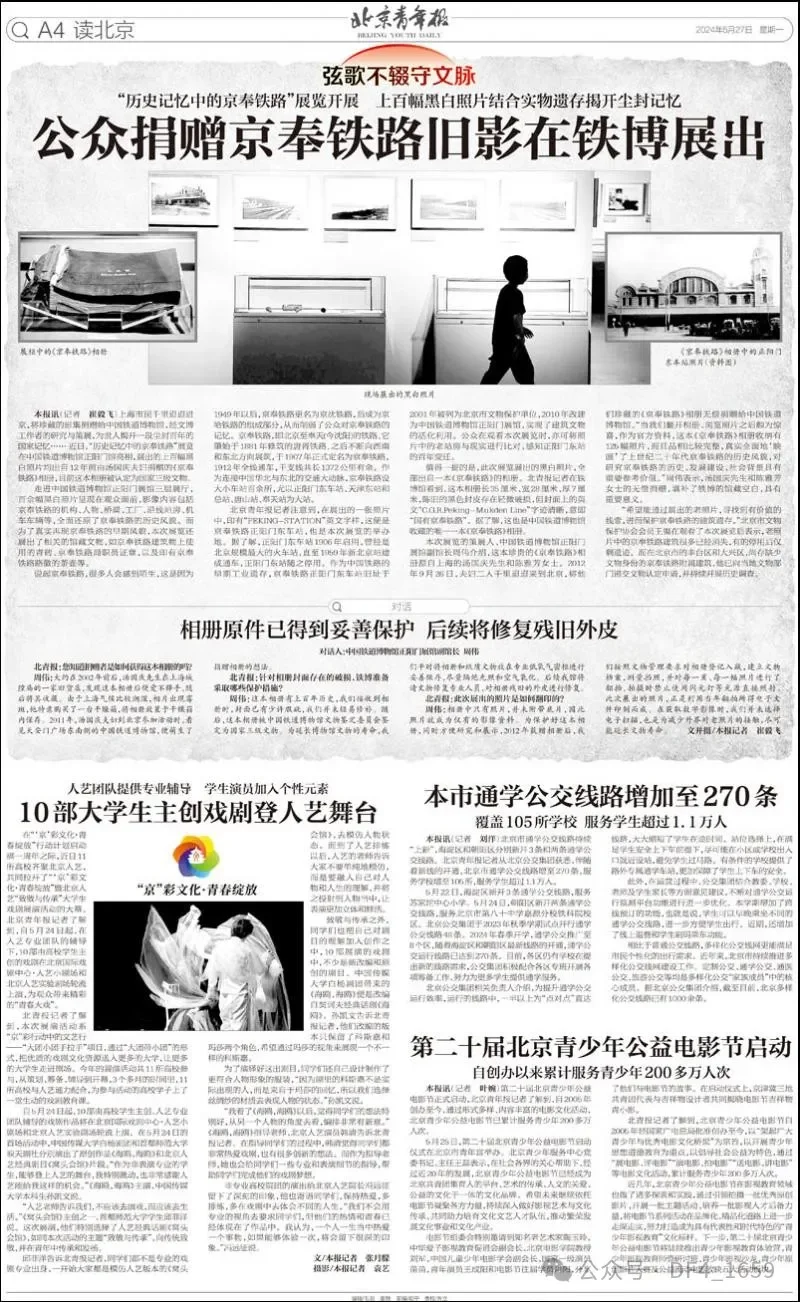
Beijing Youth Daily, May 27, 2024
