
English: "Peking-Mukden Railway Lettered Bricks Discovered in the Qiaonan Urban Village, Fengtai Bridge"
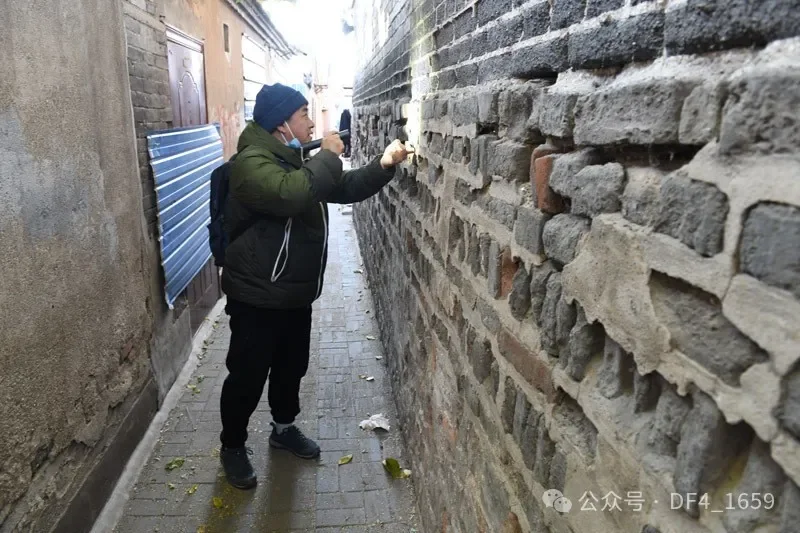
Chen Xinhui walking the alleyways searching for lettered bricks
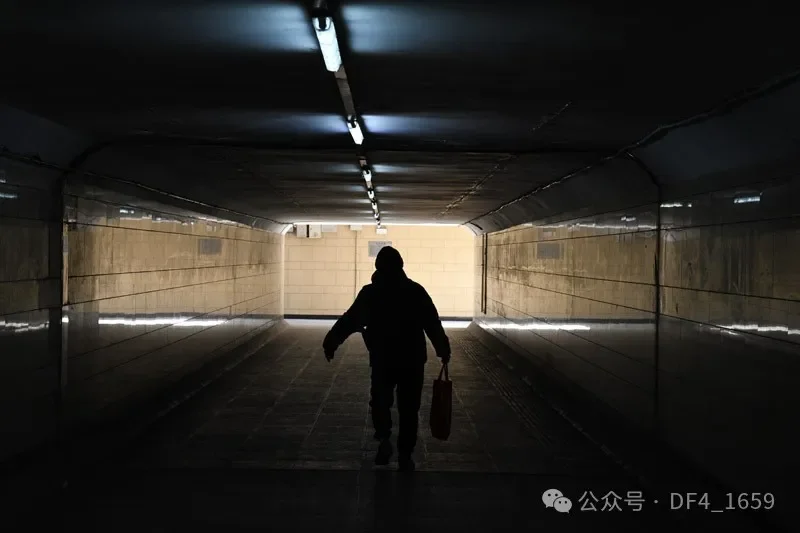
Chen Xinhui with the two harvested lettered bricks
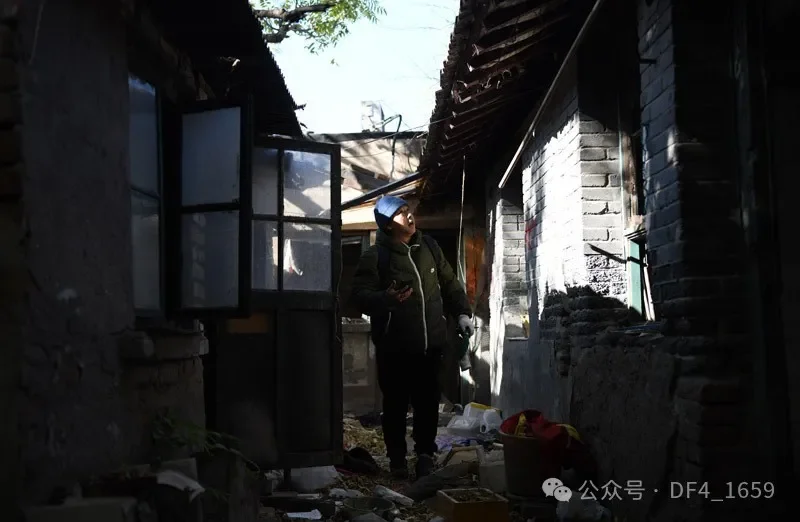
Chen Xinhui visiting an abandoned courtyard
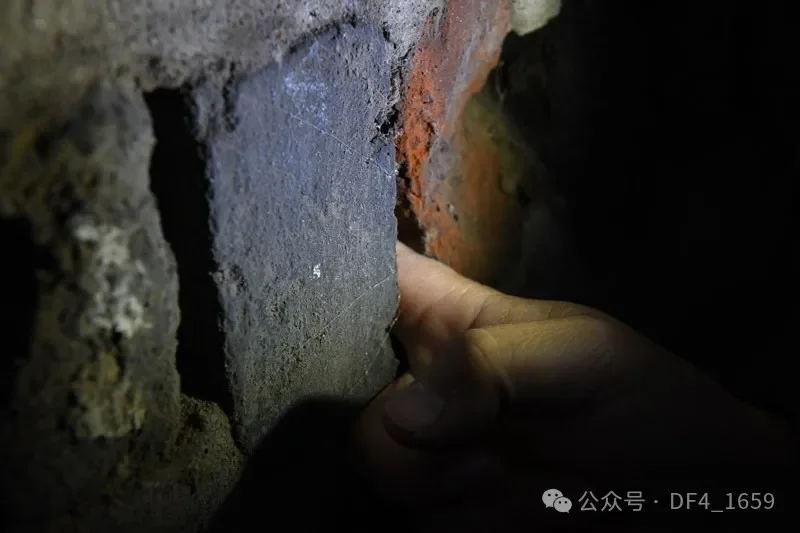
Discovering a suspected lettered brick within the wall structure
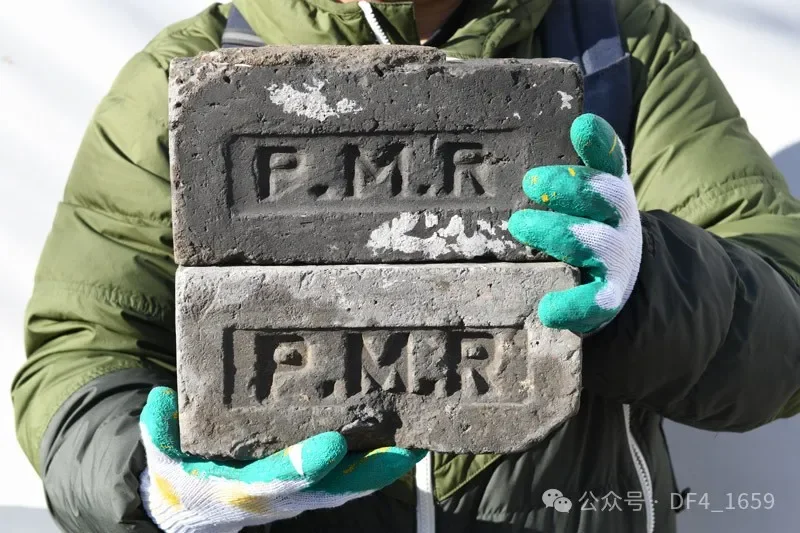
The lettered bricks discovered by Chen Xinhui
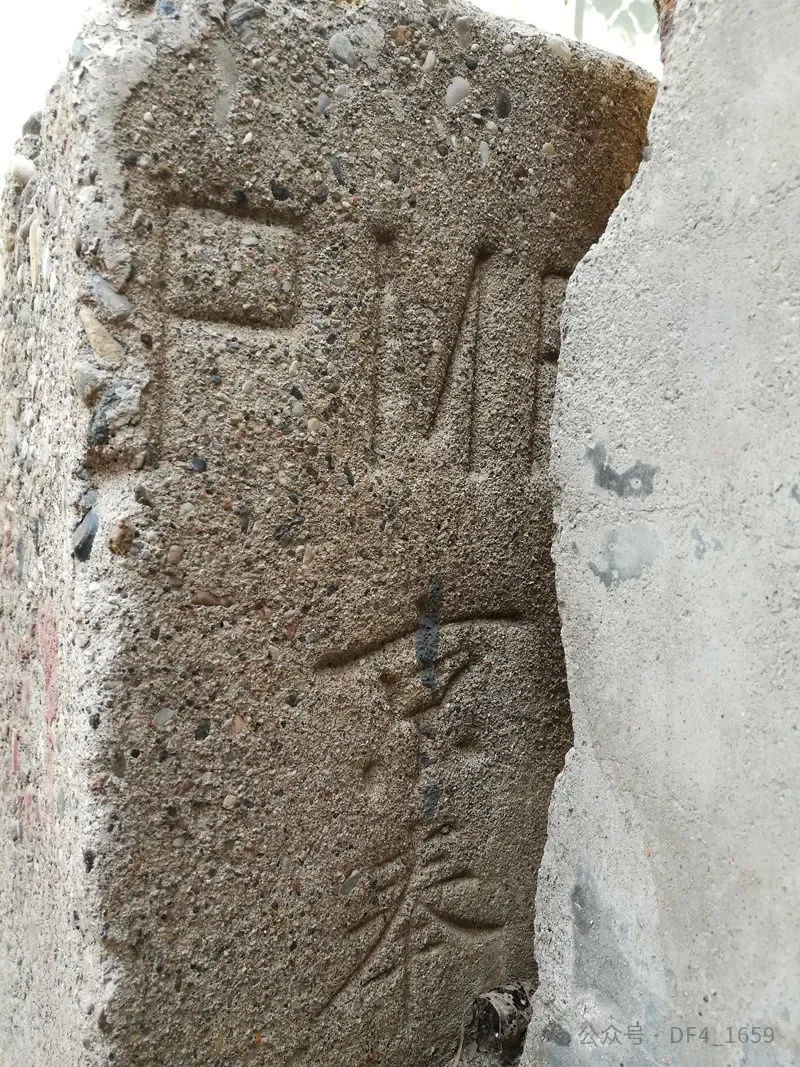
Peking-Mukden Railway boundary stones scattered in the Qiaonan area of Fengtai (Photographed on September 12, 2017)
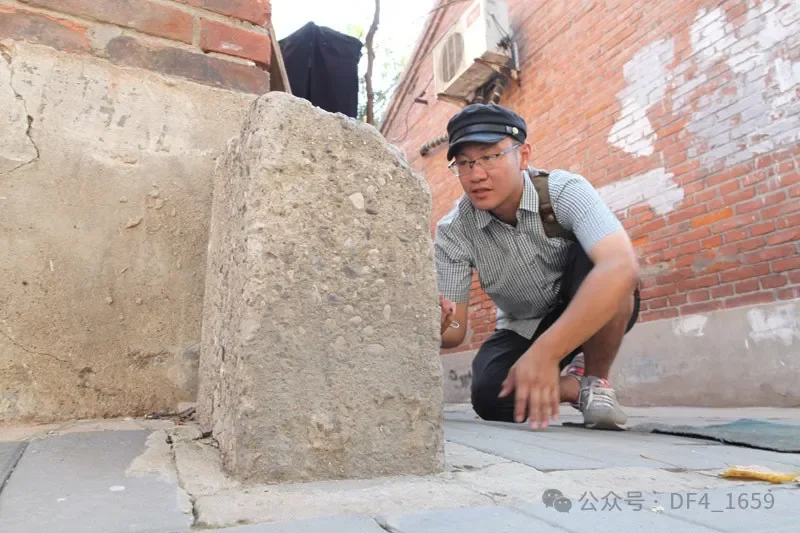
Wang Wei discovering boundary stones in the Fengtai Qiaonan area (Photographed on September 12, 2017)
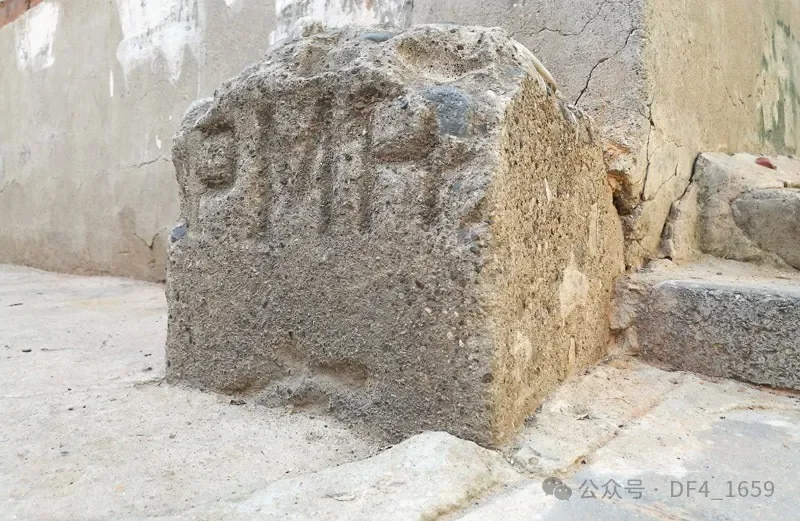
Peking-Mukden Railway boundary stones scattered in the Qiaonan area of Fengtai (Photographed on September 12, 2017)
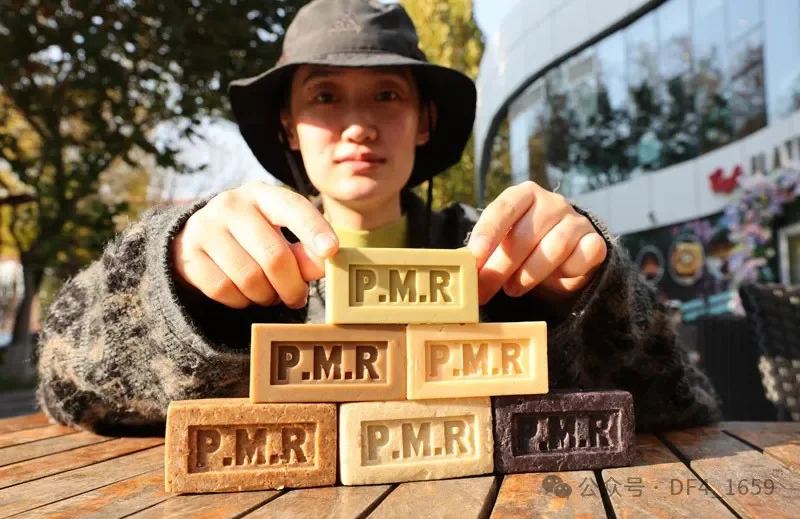
Additionally, a soap artisan has crafted miniature handmade soaps modeled after the Peking-Mukden Railway lettered bricks.
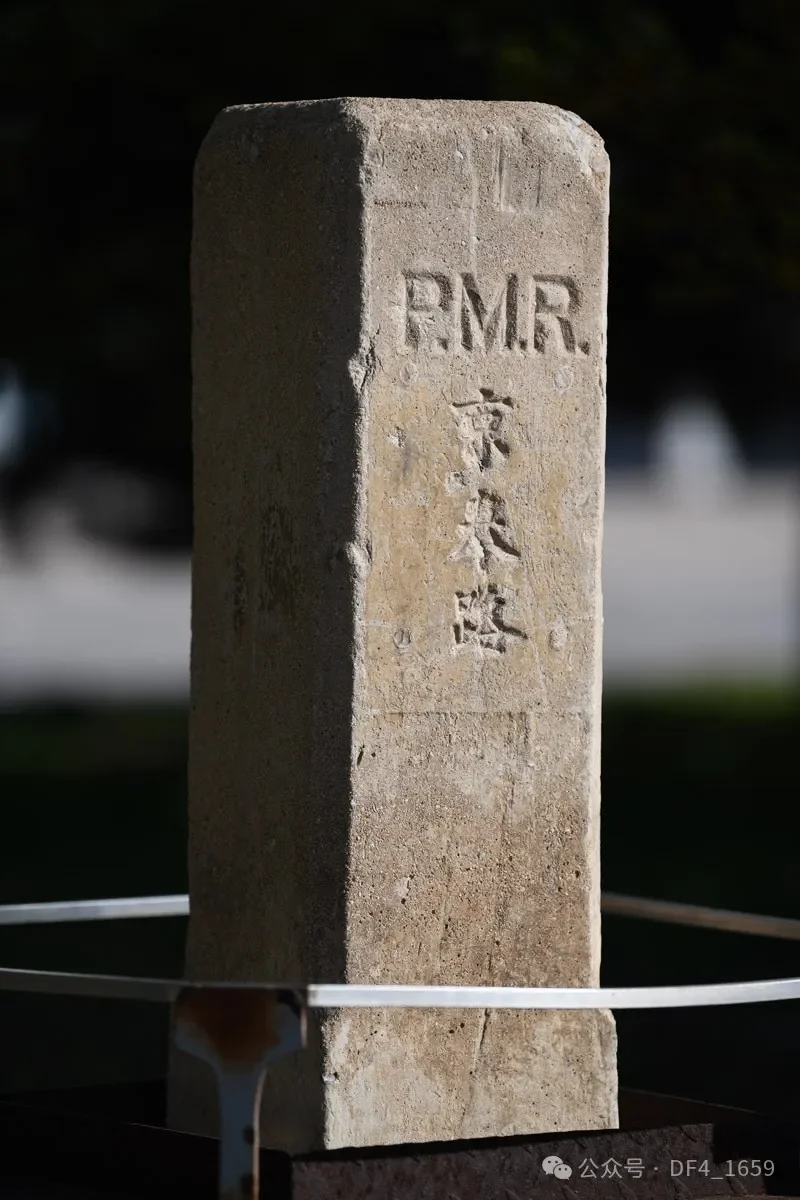
Peking-Mukden Railway boundary stone on display at the Dongjiao Branch of the China Railway Museum
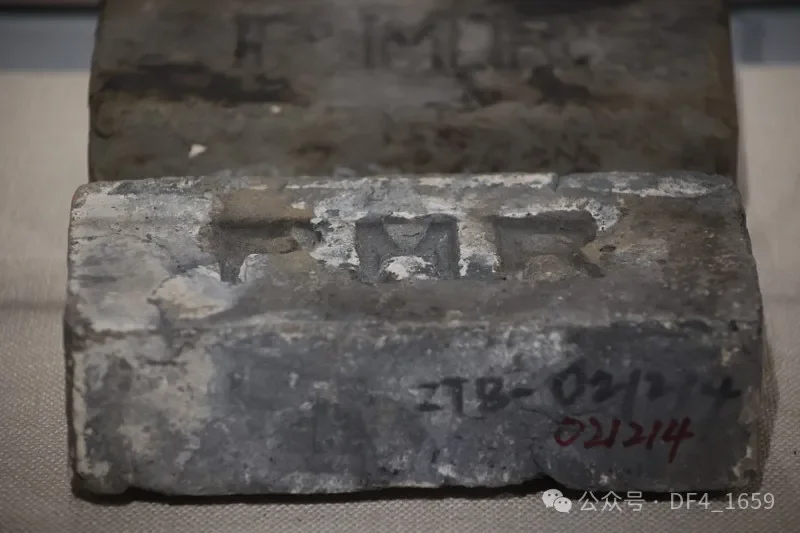
Lettered bricks previously exhibited at the China Railway Museum
November 11, 2024, Beijing Youth Daily
In the Qiaonan area of Fengtai, people frequently encounter an "expert on bricks" who walks the alleyways searching for traces of lettered bricks—Chen Xinhui, a member of the Beijing Cultural Relics Protection Association. Recently, Chen Xinhui discovered two Peking-Mukden Railway building bricks bearing the letters "P.M.R" in the Qiaonan urban village. These weathered grey bricks have a history of over a century, serving as historical relics of the Westernization Movement in the Beijing region. To prevent these lettered bricks from being treated as construction waste, Chen Xinhui has moved them to his home for temporary storage. Reporters from the Beijing Youth Daily learned that many historical relics of the Peking-Mukden Railway have previously been admitted into museums, including identical lettered bricks. Regarding the discovery of lettered bricks in the Qiaonan area, Beijing Youth Daily reporters have reported the matter to the Fengtai Street Office and are awaiting follow-up from the relevant departments.
Peking-Mukden Railway Lettered Bricks Found in Abandoned Courtyard of Urban Village
Recently, Fengtai District launched a renovation project for seven urban villages. As one of these projects, the "Qiaonan Urban Village" has seen some residents complete relocation, with several old houses gradually being emptied, catching the attention of lettered brick enthusiast Chen Xinhui. In 2023, Chen Xinhui discovered century-old Peking-Mukden Railway lettered bricks in the demolition zone of Xihouwan near Qiaonan. "I judged that similar lettered bricks must also be hidden within the Qiaonan urban village, and they are even more likely to be discovered during the demolition process," Chen said.
Without delay, Chen Xinhui immediately embarked on a "treasure hunt" journey in this urban village. Like a treasure-appraising "brick expert," he used his spare time to walk the alleyways; abandoned courtyards, mottled old walls, and disused coal sheds all became subjects of his investigation. Chen Xinhui told Beijing Youth Daily reporters that in the process of searching for lettered bricks, he prioritizes rescuing abandoned loose bricks to prevent them from being cleared away as construction waste. For suspicious bricks embedded in walls, as long as the mortar joints leave a certain gap, he would reach out to touch them for lettered textures and make corresponding records.
Hard work pays off. Recently, Chen Xinhui successively found two lettered bricks in an abandoned courtyard. One side of the bricks featured concave English letters "P.M.R" with deep impressions and very clear handwriting. Although the corners of the brick bodies showed slight defects, they were generally relatively intact. Chen Xinhui told Beijing Youth Daily reporters that these were precisely the Peking-Mukden Railway lettered bricks he had been searching for. To prevent these two bricks from being lost during the demolition process, they have currently been moved to Chen Xinhui's home for temporary storage.
Beijing Youth Daily reporters observed that the size and shape of these two grey bricks are basically identical. Upon measurement, each brick is 22 centimeters long, 10.3 centimeters wide, and 6.8 centimeters thick, feeling heavier in hand than common red bricks used for wall building, with a weighing result of 2.8 kilograms each. The shades of color between the two grey bricks vary slightly, with the font on the darker brick appearing slightly thinner, while the font on the lighter brick is thicker and sturdier.
Peking-Mukden Relics Repeatedly Discovered in Fengtai Qiaonan Area
Why did Peking-Mukden Railway bricks appear in the Qiaonan urban village of Fengtai? According to Chen Xinhui, this location is adjacent to Fengtai Station on the main line of the Peking-Mukden Railway, and architectural remains of the Peking-Mukden Railway are abundant nearby. However, with urban changes, some old buildings were demolished, and most of the eliminated Peking-Mukden Railway bricks were reused by local residents when building houses, while a few were scattered in the streets and alleys.
Regarding the relationship between Fengtai Station and the Peking-Mukden Railway, the Chronicles of Fengtai Station also clearly records that on April 1, the third year of the Republic of China (1914), the Ministry of Communications initiated joint transportation for five railways—Beijing-Hankou, Beijing-Zhangjiakou, Peking-Mukden, Tianjin-Pukou, and Shanghai-Nanking—with Fengtai Station serving as one of the eight joint-transportation stations of the Peking-Mukden Railway.
In fact, this is not the first time Peking-Mukden Railway relics have been discovered in the Fengtai Qiaonan urban village. As early as September 12, 2017, railway cultural scholar Wang Wei discovered two abandoned Peking-Mukden Railway boundary stones in the Qiaonan area; they were used as cornerstones at the entrance of a hutong, displaying the words "P.M.R" and "Jingfeng Road" (Peking-Mukden Road). Upon learning of this, Jin Wanzhi, former deputy curator of the China Railway Museum, immediately took action to move these two boundary stones for preservation and display at the China Academy of Railway Sciences and the Railway Museum in the Jingtie Jiayuan community, respectively.
Regarding the meaning of "P.M.R," according to Wang Wei, in the old translation convention, Beijing was translated as Peking; M stood for Mukden, the Manchu designation for Fengtian (present-day Shenyang); and R stood for Railway. The initials of these three words combine to form "P.M.R"—the Peking-Mukden Railway.
Why did the Peking-Mukden Railway use "English bricks"? Wang Wei explained that the Peking-Mukden Railway was built in the late Qing Dynasty, and a large number of affiliated buildings, such as stations, locomotive depots, and signal cabins, were constructed along the route, mostly as brick structures. In addition, at that time, the chief engineer, financial director, and various major professional positions of the railway were primarily held by British nationals. Official correspondence from the Peking-Mukden Railway Administration formed a situation where both Chinese and English were used concurrently, so it is logical that some building bricks of the Peking-Mukden Railway featured English.
Wang Wei introduced that during his comprehensive survey of the entire Peking-Mukden Railway line, he collected more than 40 scattered "P.M.R" lettered bricks at Fengtai Station, Tianjin North Station, Beipiao Station, Nü'erhe Station, Qinhuangdao Locomotive Depot, and other locations, most of which were grayish-blue, with a small number of brick bodies appearing earth-red. "These lettered bricks have a history of over a century, and seeing them discarded like construction waste was truly heartbreaking, so I collected these scattered bricks and brought them all home to preserve," Wang said.
Peking-Mukden Railway Lettered Bricks Previously Exhibited at the Railway Museum
When mentioning the Peking-Mukden Railway, many people feel unfamiliar with it because after 1949, the Peking-Mukden Railway was renamed the Beijing-Shenyang Railway, later becoming a component of the Beijing-Harbin Railway, thereby weakening public memory of "Jingfeng" (Peking-Mukden).
The Peking-Mukden Railway originated from the Tangshan-Xugezhuang Railway built in 1881, after which it continuously extended southwest and northeast, officially designated as the Peking-Mukden Railway in 1907, and opened to traffic across the entire line by 1912, with a total length of main and branch lines exceeding 1,372 kilometers. As a major transportation artery connecting North China and Northeast China, the Peking-Mukden Railway established more than a hundred large and small stations, prominently featuring major stations such as Qianmen Station (Zhengyangmen East), Tianjin East Station and General Station, Tangshan Station, and Fengtian Station.
As one of the state-owned trunk railways in the late Qing Dynasty, the construction of the Peking-Mukden Railway spanned over 30 years, during which it experienced tortuous evolutions including commercial management, official-merchant joint management, official-merchant partnership, official management, foreign exploitation, nationalization, and reconstruction with foreign loans. It is a microcosm of the difficult development process of China's early railways and the precursor to China's state-run railways. This railway played an important role in consolidating the national defense of the late Qing government and strengthening political, economic, and social ties between regions, exerting a profound impact on social development in modern China.
Beijing Youth Daily reporters noted that many historical relics of the Peking-Mukden Railway have entered museums. In the outdoor exhibition area of the Dongjiao Branch of the China Railway Museum, Peking-Mukden Railway boundary stones are permanently displayed, with one side showing the words "P.M.R" and "Jingfeng Road." This year's "Peking-Mukden Railway in Historical Memory" exhibition hosted by the Zhengyangmen Branch of the China Railway Museum is based on the museum's collection of the photographic album Peking-Mukden Railway, uncovering a century-old sealed memory for the world. Among the series of physical items exhibited are the "P.M.R" lettered bricks used in the construction of the Peking-Mukden Railway.
November 11, 2024, Related Report by Beijing Youth Daily
Text and Photography / Cui Yifei, Reporter for Beijing Youth Daily
Editor / Cui Yifei
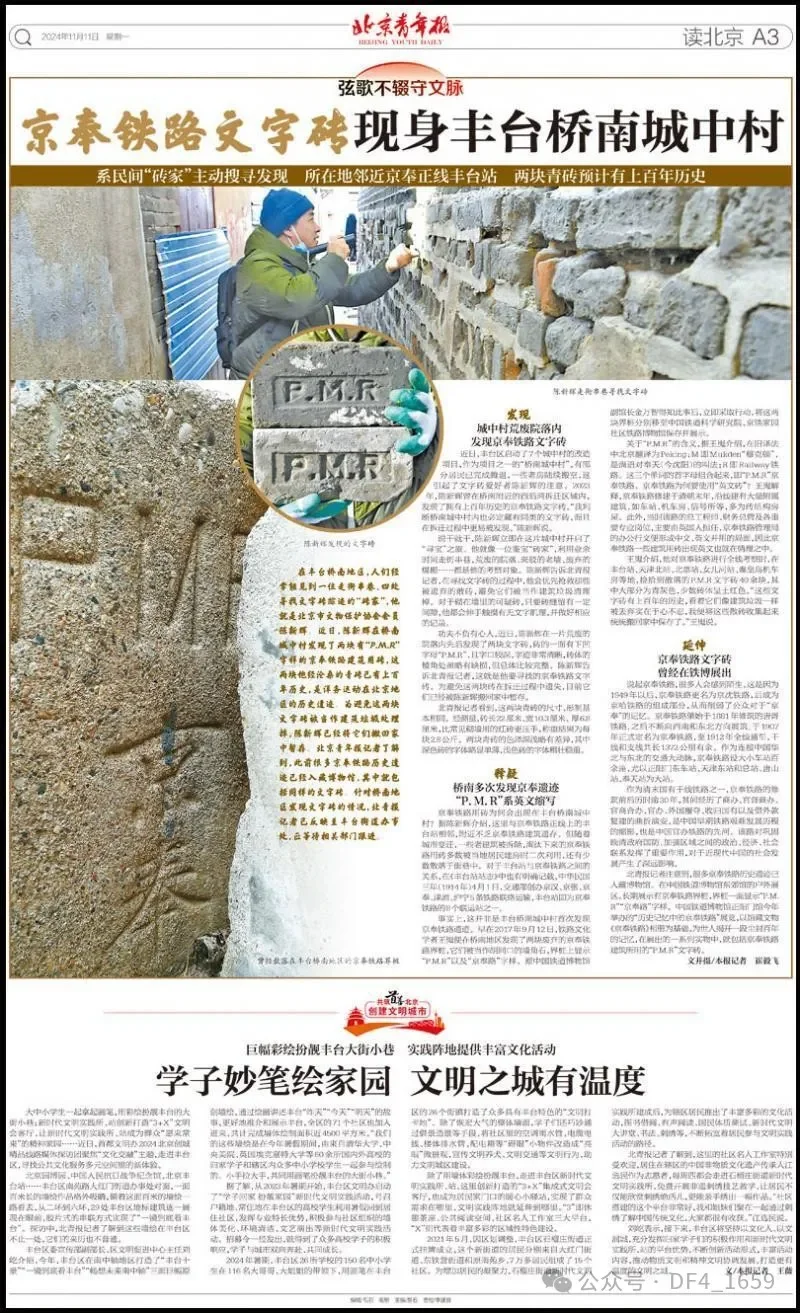
November 11, 2024, Beijing Youth Daily
