
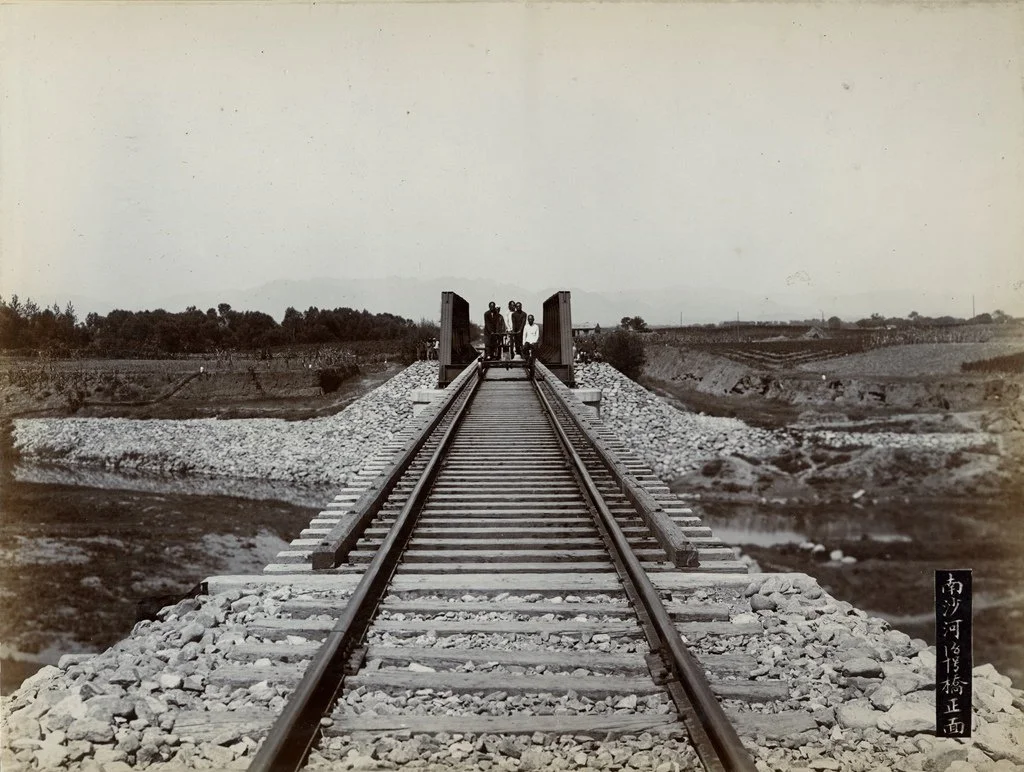
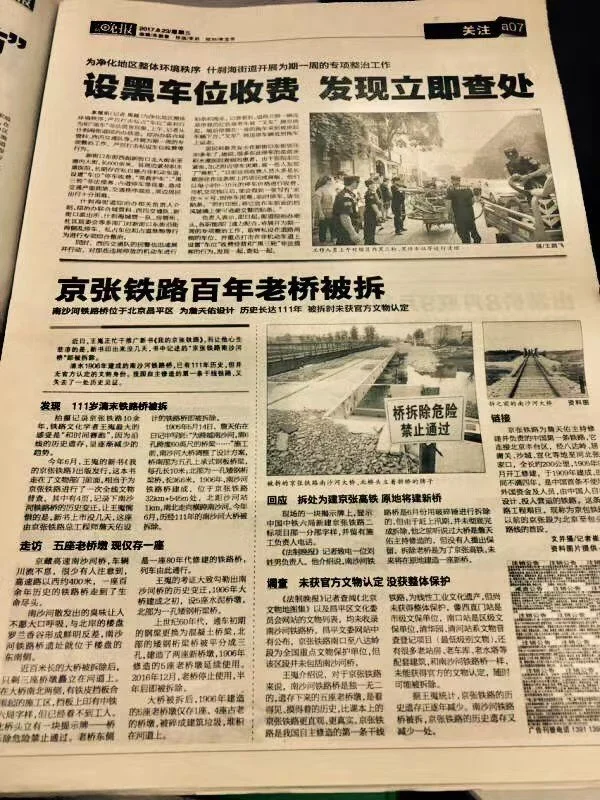
Pictured above: The demolished South Shahe Railway Bridge of the Beijing-Zhangjiakou Railway.
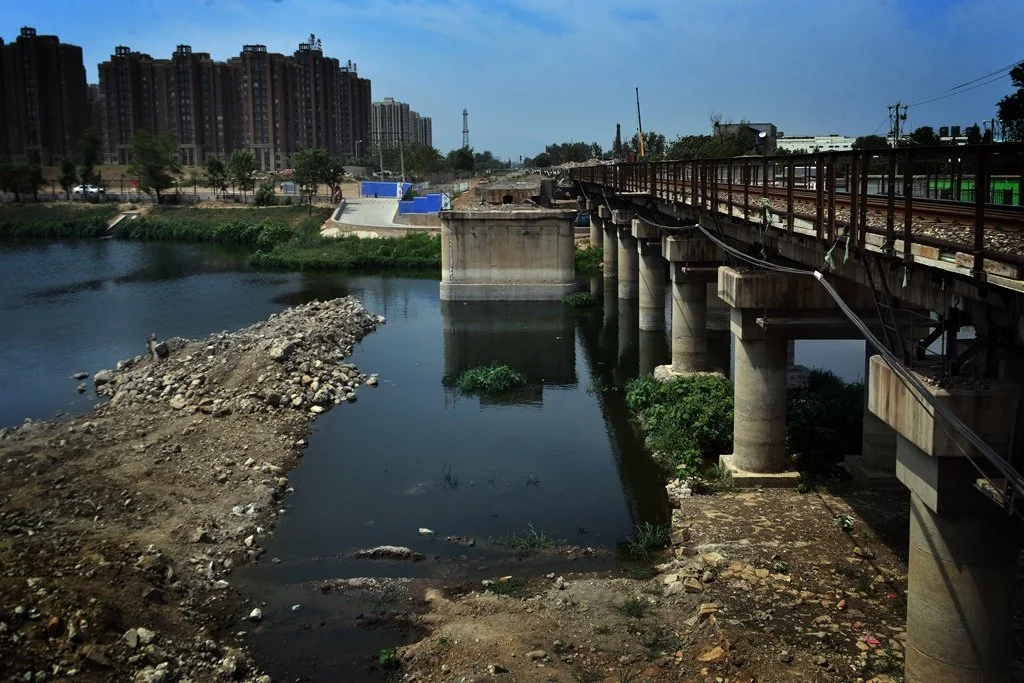
Past-and-present comparison from the same angle, photographed from south to north.
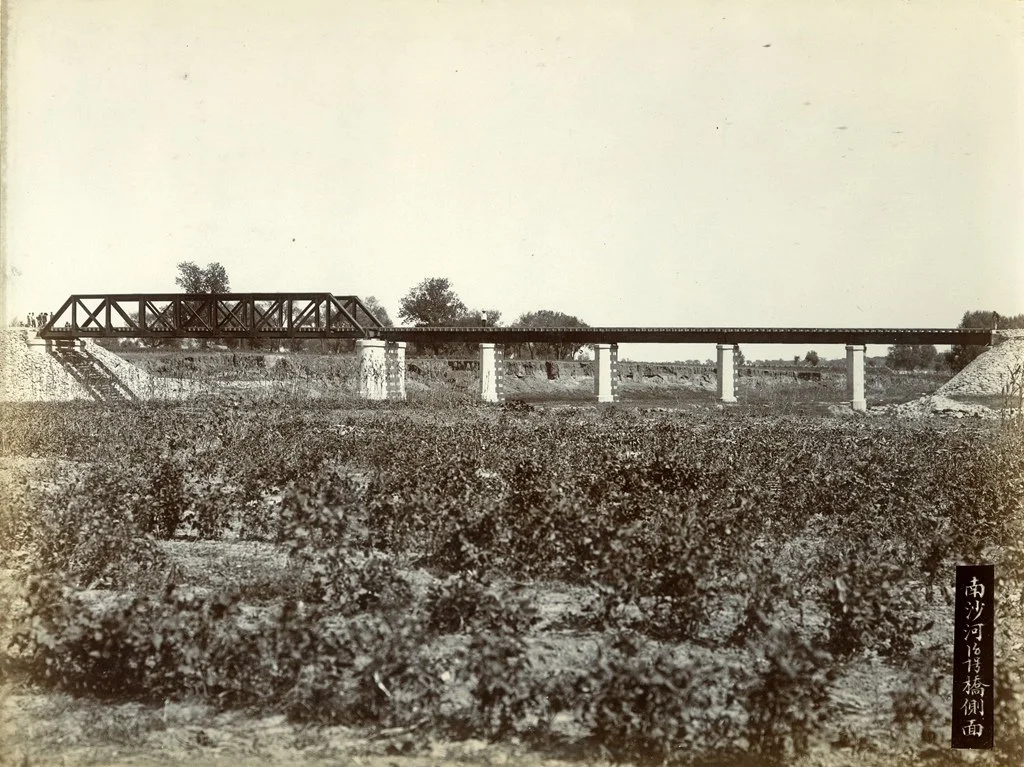
The South Shahe Railway Bridge at the time of its completion, photographed from west to east (Provided by Wang Wei).
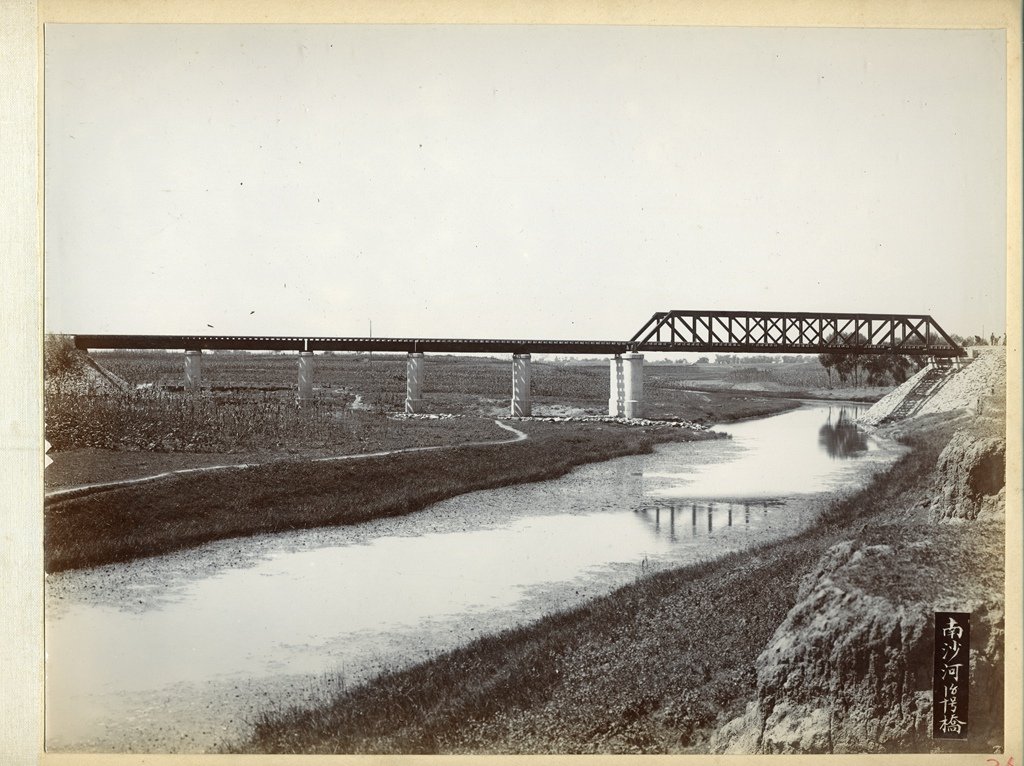
The South Shahe Railway Bridge at the time of its completion, photographed from east to west (Provided by Wang Wei).
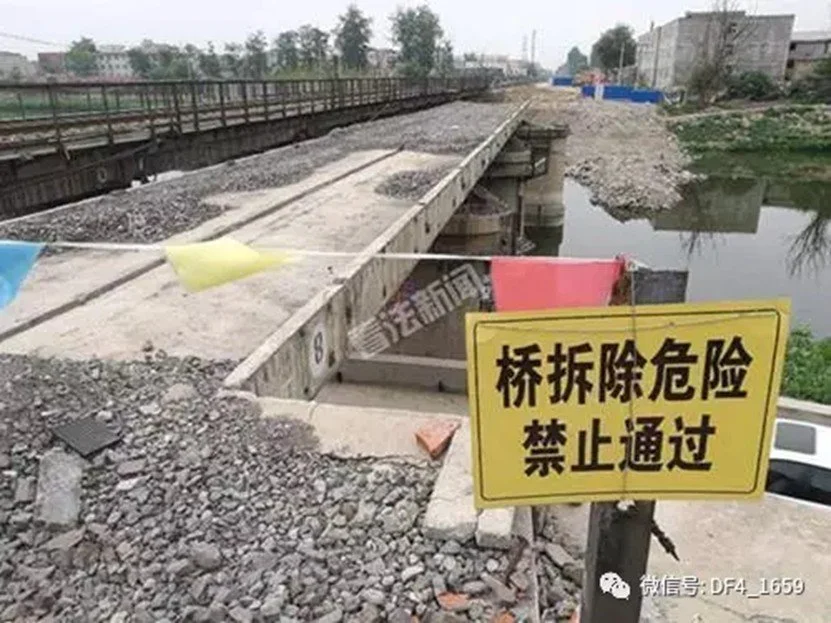
The demolition warning sign at the north bridgehead.
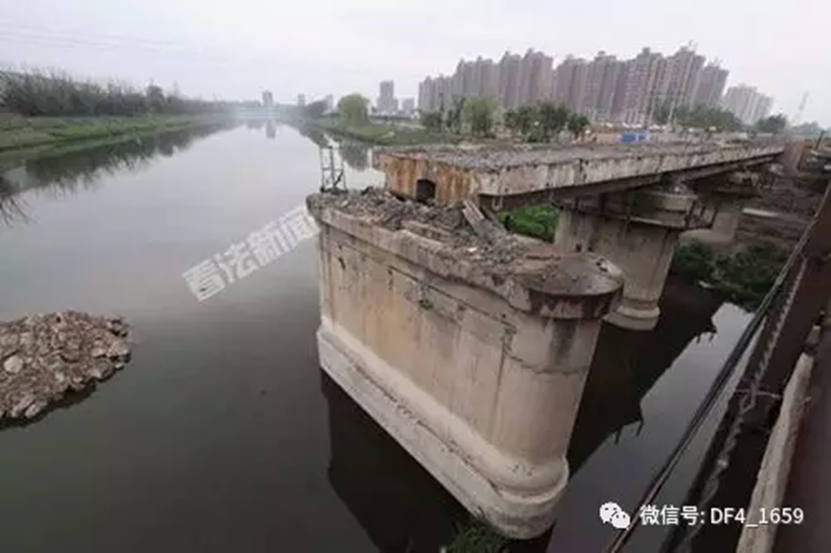
Pier No. 5 in the photo is the only old pier surviving after the demolition of the South Shahe Railway Bridge.
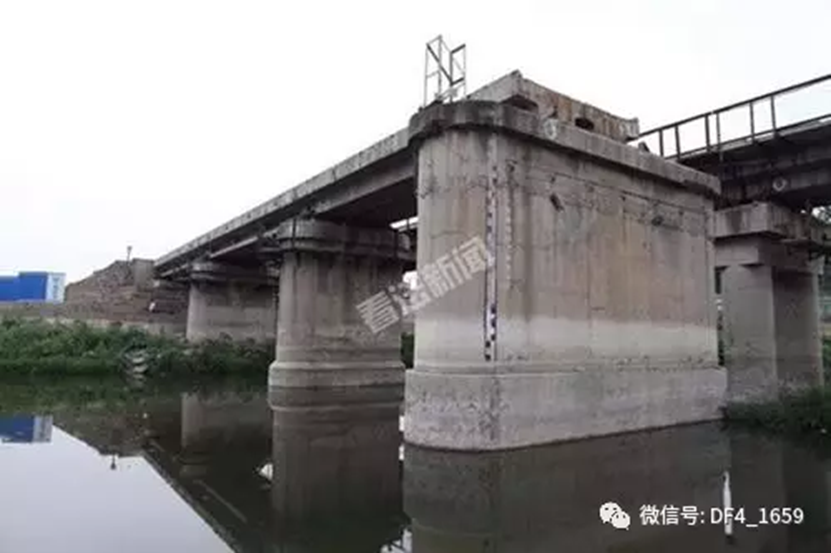
South Shahe Bridge No. 15, more than half demolished.
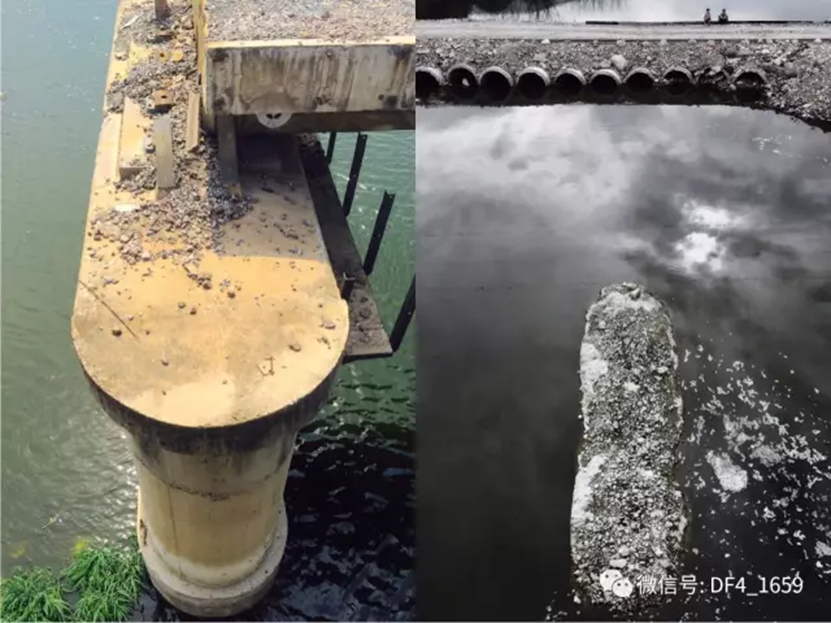
Pier No. 5 of South Shahe Bridge No. 15 being demolished.
August 25, 2017, Legal Evening News
Legal Evening News / Law Vision News — Recently, railway cultural scholar Wang Wei disclosed to reporters from Legal Evening News / Law Vision News that the South Shahe Railway Bridge, built in the late Qing Dynasty in 1906, was demolished two months ago. This means that the Beijing-Zhangjiakou Railway—the first trunk railway independently designed and constructed by China—has lost yet another historical witness.
The person in charge of the construction stated that they used a hydraulic breaker for the demolition. Although they had previously heard that the bridge was designed and built under the direction of Zhan Tianyou, no one had proposed preserving it. After the old bridge is demolished, a new bridge will be built in its original location in the future.
Discovery: 111-Year-Old Late Qing Railway Bridge Demolished
Having photographed and documented the Beijing-Zhangjiakou Railway for over a decade, railway scholar Wang Wei's greatest feeling is that he is "racing against time," because the historical relics along the route show a trend of gradual reduction.
In June of this year, Wang Wei's new book My Beijing-Zhangjiakou Railway was published and released, which is equivalent to conducting a comprehensive cultural relic census for the entire Beijing-Zhangjiakou Railway. Among its pages, four are dedicated to recording the historical changes of the South Shahe Railway Bridge. What made him deeply regretful was that just days after the new book hit the market, this railway bridge designed by Beijing-Zhangjiakou Railway Chief Engineer Zhan Tianyou was demolished.
On May 14, 1905, Zhan Tianyou wrote in his diary: "To cross the South Shahe, 6 spans of 60-foot bridges are required..." Before construction, the design plan for the South Shahe Railway Bridge was adjusted: the southern part of the bridge consisted of five deck plate girder bridges, each span measuring 10 meters long; the northern part consisted of a low steel truss bridge spanning 36.6 meters. In 1906, the South Shahe Railway Bridge was completed, located at km 32+545 of the Beijing-Zhangjiakou Railway, 1 km north of Shahe Station, crossing the South Shahe River in a north-south orientation. In June of this year, the South Shahe Railway Bridge, having weathered 111 years, was demolished.
Visit: Only One of Five Old Bridge Piers Survives
Traffic streams endlessly across the Beijing-Tibet Expressway's South Shahe Bridge, and few people notice that about 400 meters west of the highway, a century-old railway bridge has reached the end of its life.
After the nearly 100-meter-long bridge was demolished, only three bridge piers stand upright in the riverbed. On the north and south sides of the bridge, there is a construction zone enclosed by sheet metal barriers, but workers are no longer visible. A warning sign is erected at the north bridgehead—Bridge Demolition Danger, Passage Prohibited. To the east of the old bridge stands a railway bridge built in the 1980s, over which trains continue to pass.
Wang Wei's textual research roughly outlines the historical changes of the South Shahe Bridge: when the bridge was completed in 1906, it was equipped with five concrete bridge piers, with the northern section featuring a low steel truss bridge; in the 1960s, the steel beams from the initial opening period were replaced with concrete beams, and the low steel truss bridge in the north was evenly divided into three spans, with two new bridge piers built, while the five old piers built in 1906 continued to be used. In December 2006, the old bridge was taken out of service and demolished half a year later.
After the bridge was demolished, only 1 of the 5 old piers built in 1906 survived. The four ancient piers were crushed into construction waste and piled up in the riverbed. According to nearby residents, the old bridge was demolished in late May and early June.
Response: No One Proposed Preservation; A New Bridge Will Be Built in the Original Location
A notice board at the site left the phone number of the construction person in charge, and reporters subsequently called a male project manager surnamed Liu. He introduced that the South Shahe Railway Bridge was demolished in June using a hydraulic breaker, but because it coincided with the flood season, the demolition was not completely finished. He had previously heard that the bridge was designed and built under the direction of Zhan Tianyou, but no one proposed preserving it. After the old bridge is demolished, a new bridge will be built in its original location in the future.
Reporters from Legal Evening News / Law Vision News checked the Atlas of Beijing Cultural Relics and the cultural relics list on the website of the Changping District Culture Commission, and neither included the South Shahe Railway Bridge. The Changping Culture Commission website states that the Nankou-to-Badaling section of the Beijing-Zhangjiakou Railway is a Major Historical and Cultural Site Protected at the National Level, but that section does not include the South Shahe Bridge.
Wang Wei believes that for the Beijing-Zhangjiakou Railway, the South Shahe Railway Bridge was unique. The five surviving old piers were visible and tangible history, far more intuitive and real than the Beijing-Zhangjiakou Railway in textbooks. The Beijing-Zhangjiakou Railway is China's first trunk railway built independently by its own people and a linear industrial cultural heritage, yet it has not received comprehensive overall protection. For example, some supporting buildings such as old station buildings, old engine sheds, and old water towers have not obtained official cultural relic recognition and face the risk of being demolished at any time.
Historical Information: The Beijing-Zhangjiakou Railway is the first railway designed, built, and overseen by Zhan Tianyou. It connects Fengtai District in Beijing, passing through Badaling, Juyongguan, Shacheng, and Xuanhua to Zhangjiakou in Hebei Province, with a total length of about 200 kilometers. Construction began in September 1905 and was completed in 1909. It is China's first railway designed, constructed, and operated by Chinese people without using foreign funds or personnel.
Reporter: Cui Yifei
August 23, 2017, Legal Evening News
