
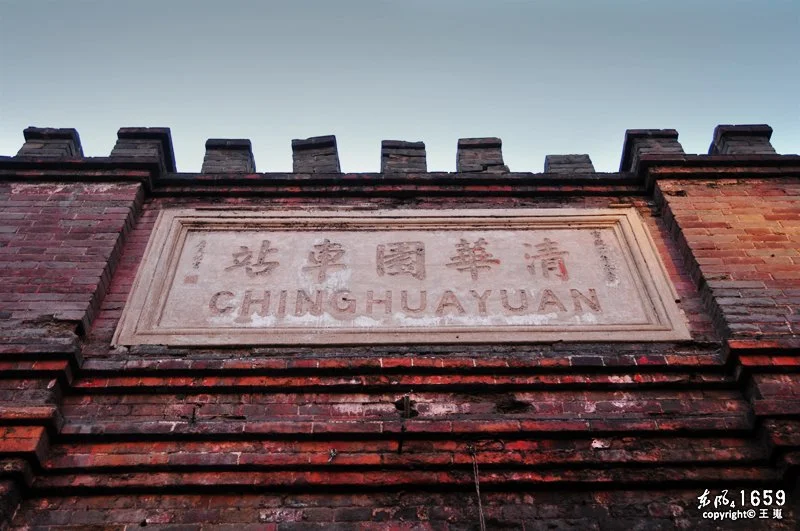
Pictured above: The plaque of Qinghuayuan Station
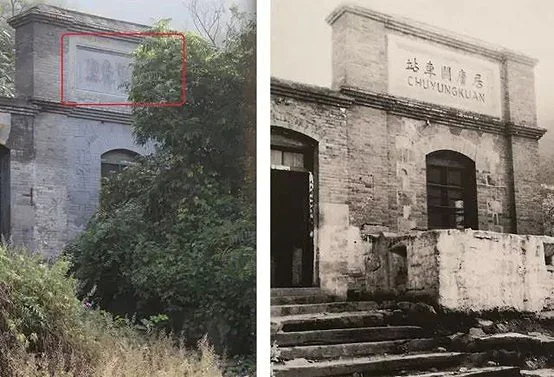
Pictured above: The plaque of Juyongguan Station
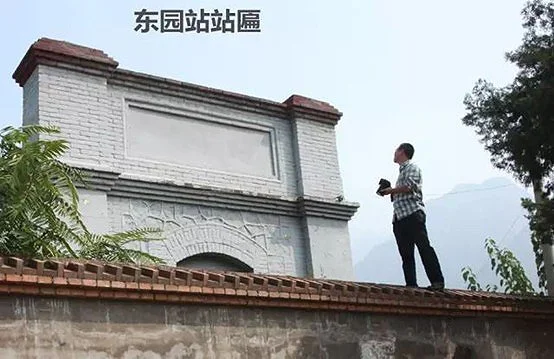
Pictured above: The plaque of Dongyuan Station
Here is the English translation of the status of the existing station plaques along the Beijing-Zhangjiakou Railway:
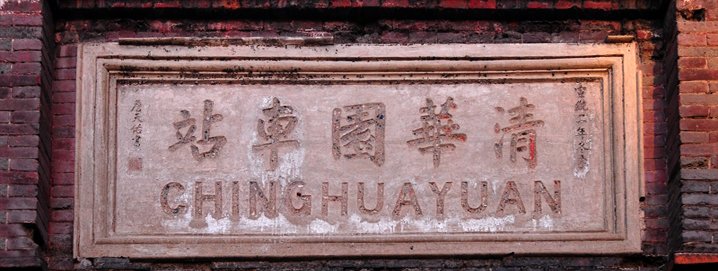
Qinghuayuan Station:The station plaque at Qinghuayuan Station was inscribed by Mr. Zhan Tianyou in 1910 and is well-preserved.
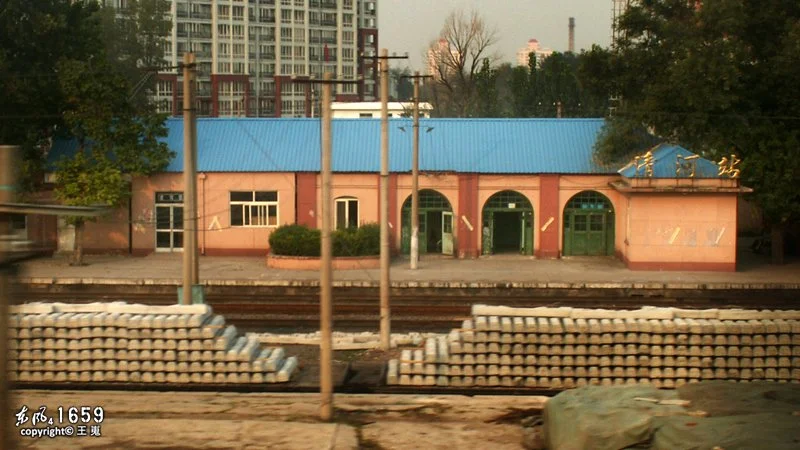
Qinghe Station: The plaque was inscribed by Mr. Chen Zhaochang in 1906. It was dismantled sometime after 1949.
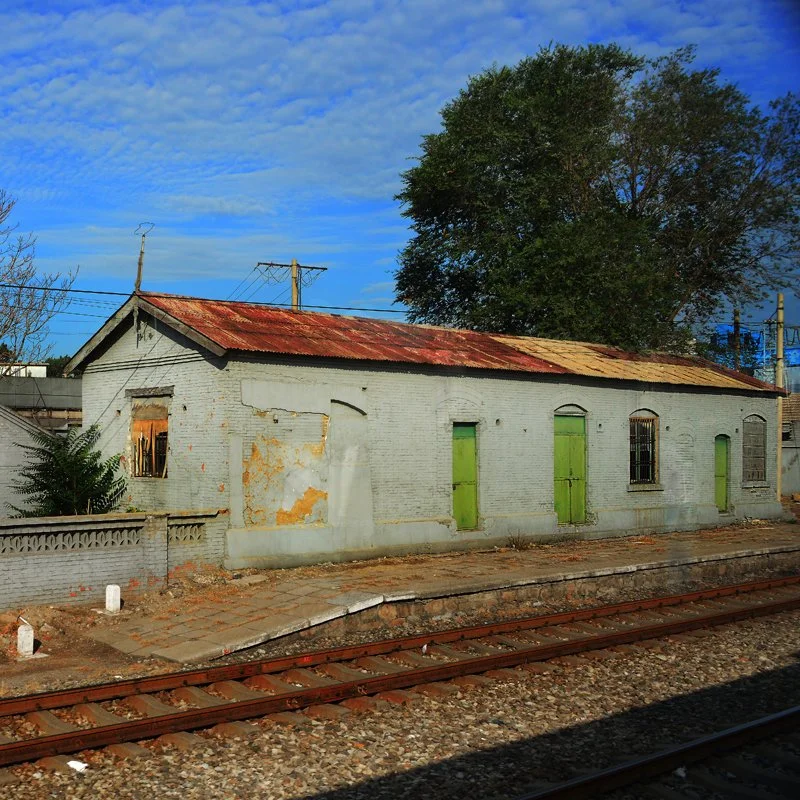
Changping Station: The plaque was inscribed by Mr. Guan Mianjun in 1915. It disappeared along with the front half of the old station building during the expansion of the station yard in the 1980s. Currently, only the back half of the old station building remains.
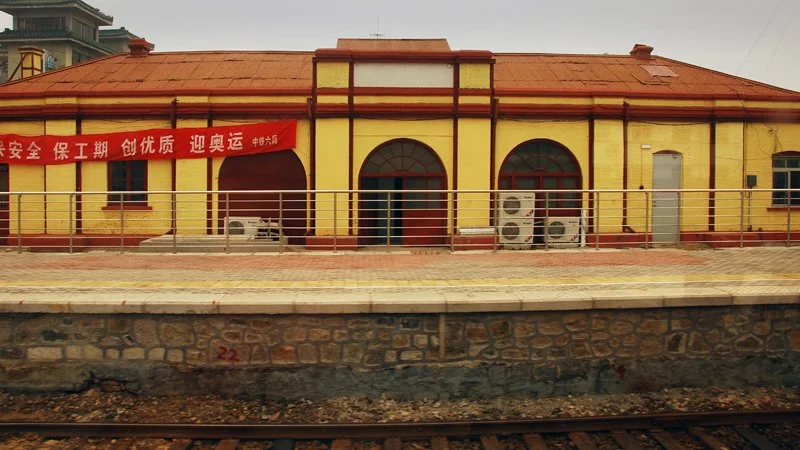
Nankou Station: The plaque was inscribed by Mr. Chen Zhaochang in 1906. It was "chopped" in half sometime after 1949.
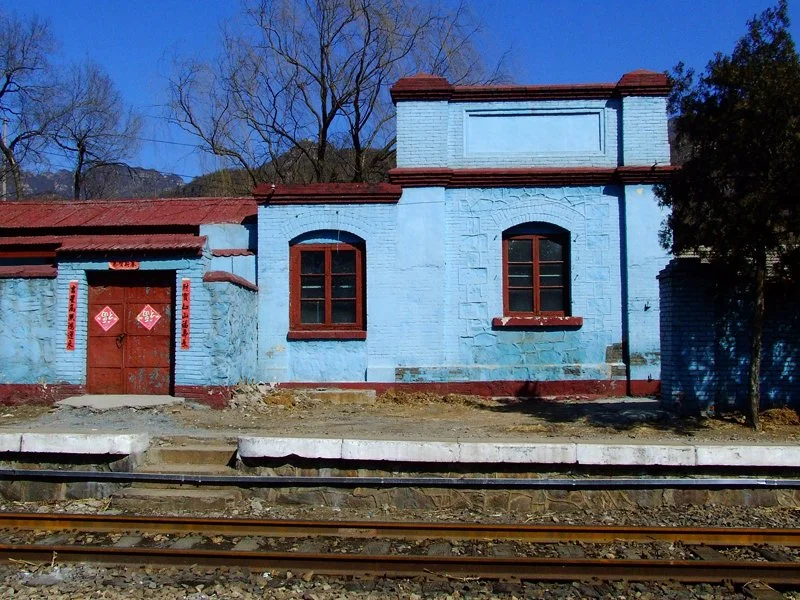
Dongyuan Station: The plaque was inscribed by Mr. Zhan Tianyou in 1910. It was plastered over with cement long ago and is now spray-painted the same color as the station building.
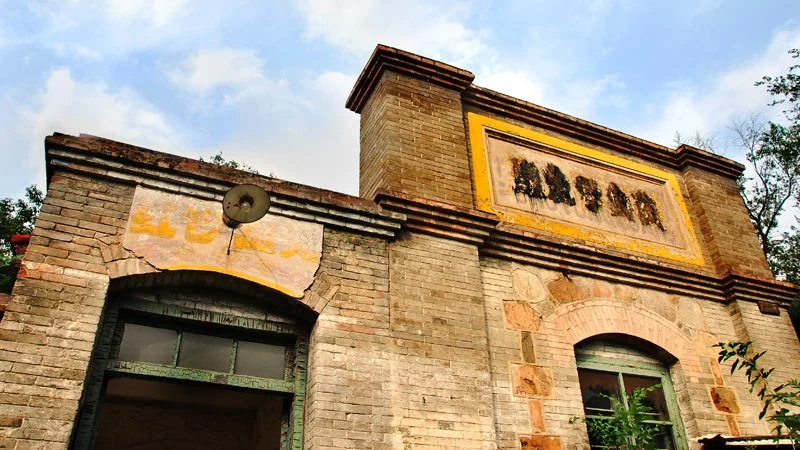
Juyongguan Station: The plaque was inscribed by Mr. Zhan Tianyou in 1910. It was once plastered over with cement and later painted over.
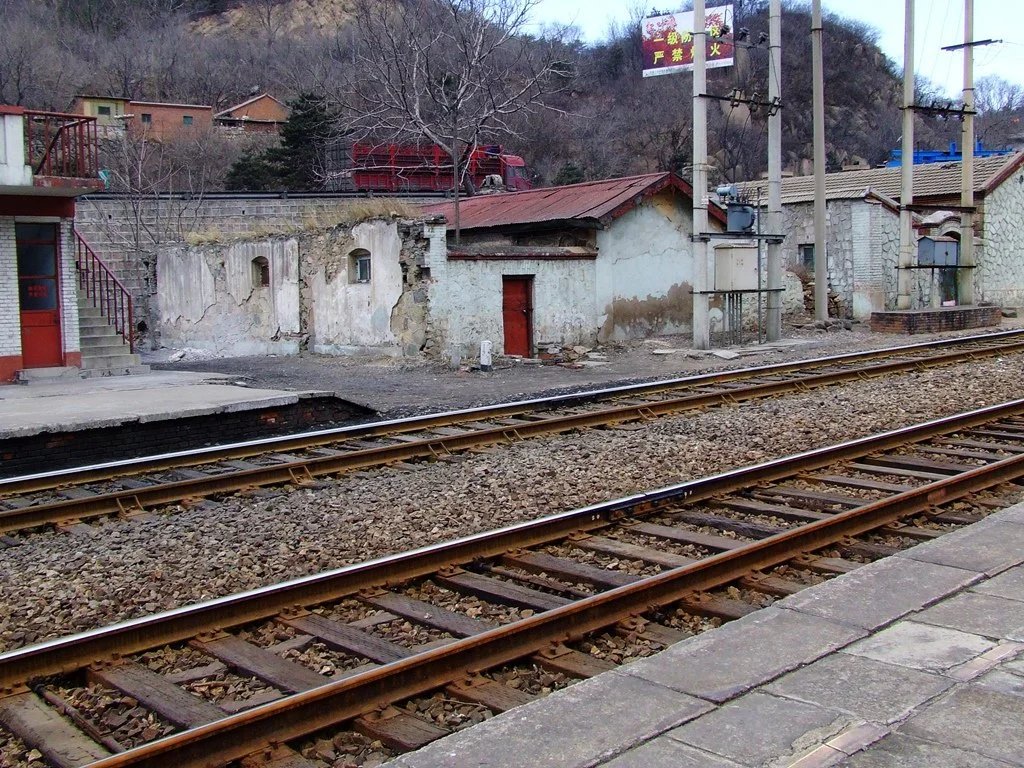
Sanpu Station: The plaque was inscribed by Mr. Zhan Tianyou in 1910. In 1960, due to the construction of the down-line (outbound track), the part of the station building bearing the plaque was demolished, and the plaque was lost.
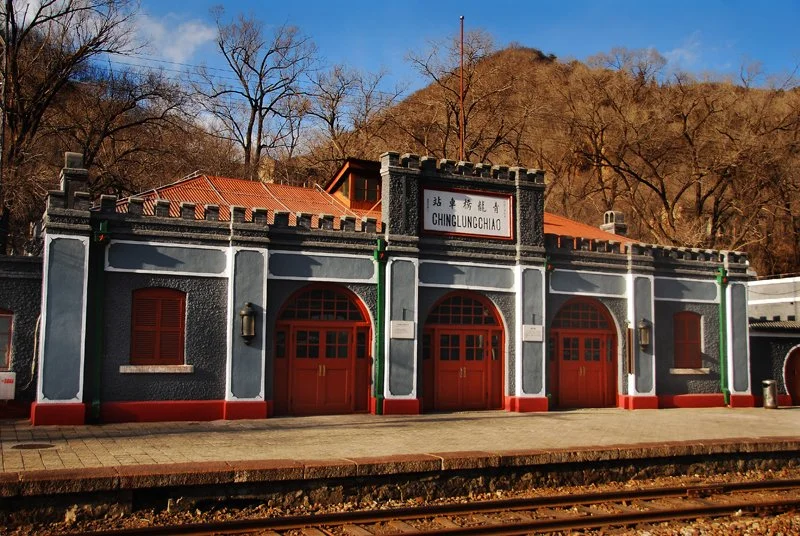
Qinglongqiao Station: The plaque was inscribed by Mr. Guan Mianjun in 1908. It was once plastered over with cement, later restored, and is currently well-preserved.
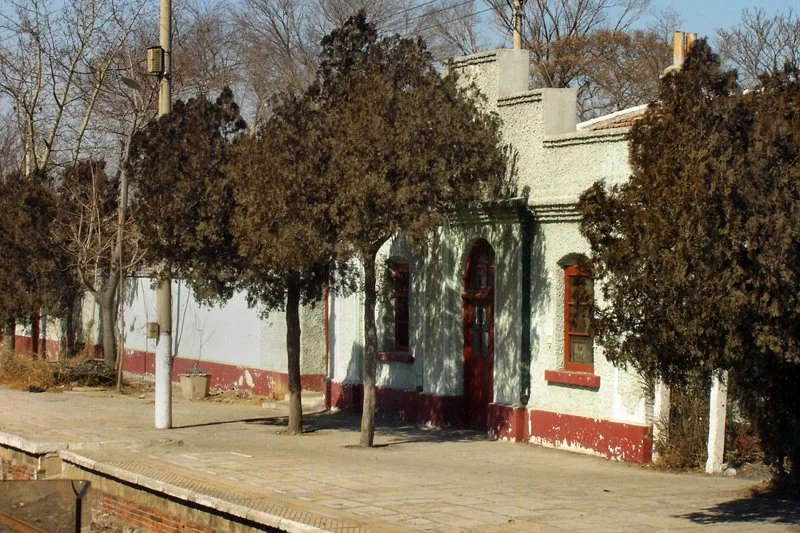
Xibozi Station: The plaque was inscribed by Mr. Zhan Tianyou in 1910. It disappeared during the expansion of the station building in the 1960s or 1970s.
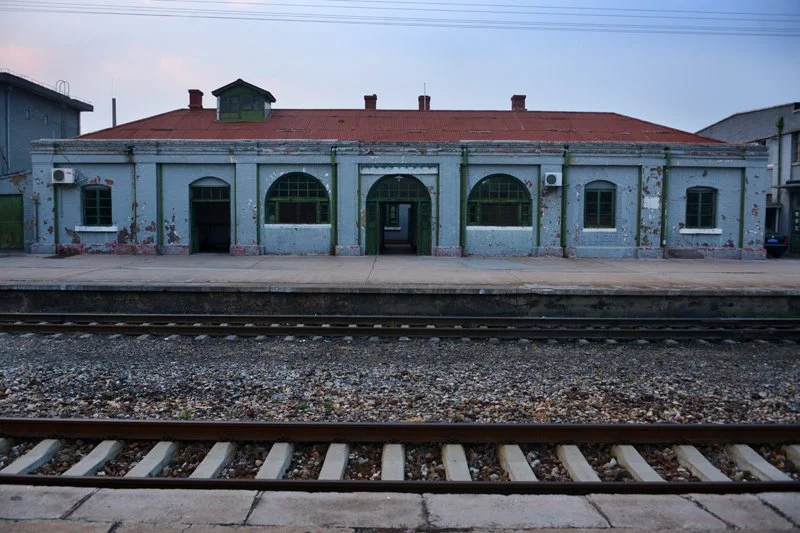
Kangzhuang Station: The plaque was inscribed by Mr. Guan Mianjun in 1908. It was damaged by the Tangshan earthquake and eventually dismantled. According to the station master at the time, the fragments of the dismantled plaque were buried on the southeast side of the station building.
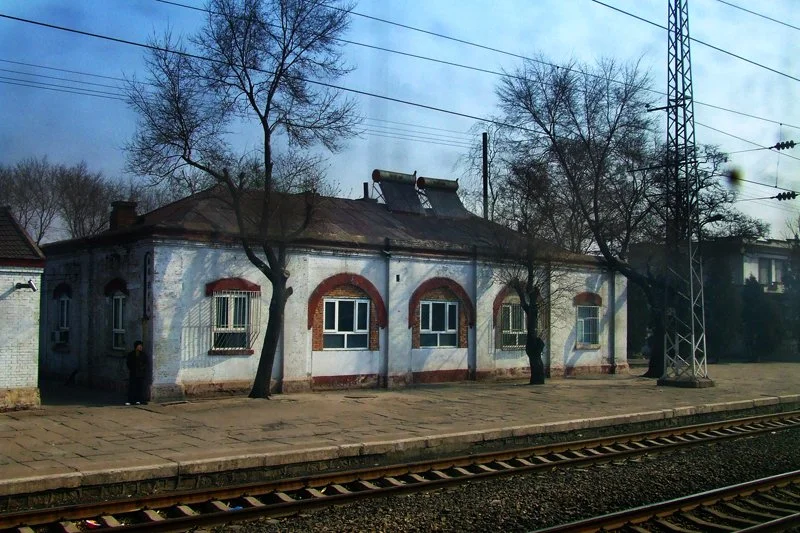
Xinbao'an Station: The plaque was inscribed by Mr. Guan Mianjun in 1909. It was dismantled sometime after 1949.
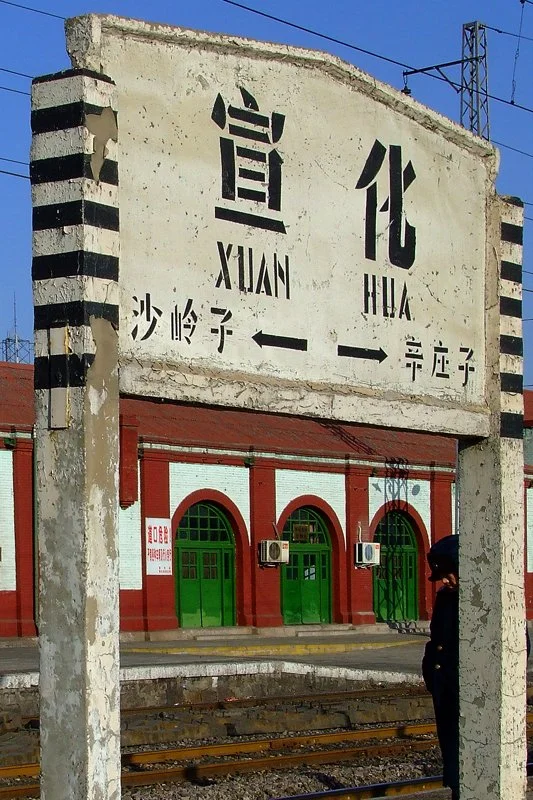
Xuanhuafu Station: The plaque was inscribed by Mr. Zhan Tianyou in 1909. In the 1940s, it was plastered over with cement, and the characters for "Xuanhua Station" (宣化站) were written on the plaque from right to left. After 1949, this was changed to left-to-right writing. After 1957, the plaque ultimately could not escape the fate of being dismantled.
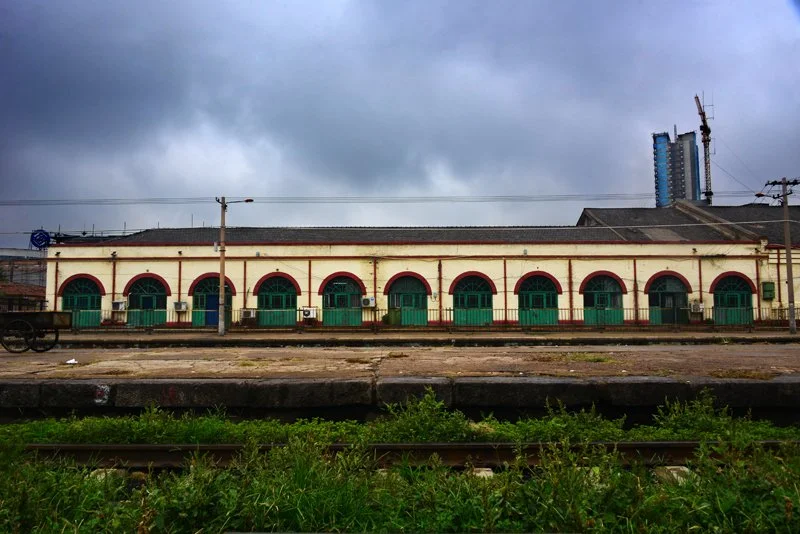
Zhangjiakou (Kalgan) Station: The plaque was inscribed by Mr. Zhan Tianyou in 1909. It was destroyed during the Chinese Civil War.
Oct 24 2016-10-24 Legal Evening News
The preservation of the old Qinghuayuan Station has once again focused public attention on the Beijing-Zhangjiakou Railway. This is the first trunk railway designed and built solely by the Chinese. The station plaque on each station building can be described as the finishing touch to the old architecture. After a century of vicissitudes, only 14 of the 25 station buildings along the entire line remain today. Legal Evening News reporters visited and found that very few of the station plaques from the time these stations were built remain. Kong Fanzhi, a member of the Municipal Committee of the Chinese People's Political Consultative Conference (CPPCC) and former director of the Beijing Municipal Administration of Cultural Heritage, stated that following the successful bid for the Winter Olympics and the official launch of the Beijing-Zhangjiakou high-speed railway, it is necessary to put the issue of protection and utilization of the Beijing-Zhangjiakou Railway on the agenda.
Scholar Statistics: Most of the 25 Station Plaques Along the Line Have Been Dismantled and Are Lost. With regular Chinese characters for calligraphy accompanied by Wade-Giles romanization... at the time of their establishment, each station building on the Beijing-Zhangjiakou Railway was installed with a standard-size concrete station plaque placed directly above the station building, clearly indicating the station name while possessing distinct characteristics of the times. Like the "business cards" of the stations, these central station plaques have all undergone about a century. The inscribers of the station names—Zhan Tianyou, Chen Zhaochang, and Guan Mianjun—were all important historical figures related to the construction of the Beijing-Zhangjiakou Railway, and the cultural relic value of these station plaques is therefore extraordinary.
From 2005 to the present, post-90s railway scholar Wang Wei conducted research on all 25 stations along the Beijing-Zhangjiakou Railway and found that most of the central station plaques, which served as the finishing touch of the station buildings, were gone. Wang Wei cited that the plaque of Kangzhuang Station was cracked during the Tangshan Earthquake and was later completely destroyed for safety reasons. The 110-year-old Qinghe Station, located in the Haidian section of the Beijing-Zhangjiakou Railway, although the old station building still exists, the central station plaque cannot be traced. Zhangjiakou Station was listed by the cultural relics department as one of the top 100 discoveries in the third national cultural relic census, but it also lacks the original central station plaque. According to his textual research, some other station plaques were lost along with the demolition of old station buildings. In a "List of Beijing-Zhangjiakou Railway Buildings" compiled by Wang Wei, most of the 25 old station buildings along the line have a history of more than a century, but 11 old station buildings no longer exist, most of which were demolished after the founding of New China, such as the station plaque of Guang'anmen Station. The current situation of the 14 surviving old station buildings is also not optimistic. Only half have been recognized by the cultural relics department, while others have been converted to other uses, and the central station plaques have consequently been lost.
Visiting Relics Recently, Legal Evening News reporters followed Wang Wei to conduct on-site visits to these old station buildings and found that of the 25 station plaques along the Beijing-Zhangjiakou Railway, currently only 6 remain. Among them, one is only half left, three have had their textual information painted over, and only two are truly completely preserved.
Only the Station Plaques of Qinghuayuan and Qinglongqiao Stations Are Still Complete. Qinglongqiao Railway Station is adjacent to the famous "zigzag railway" and is the most completely preserved station on the Beijing-Zhangjiakou Railway. In the very center of the station building are the characters "青龍橋車站" (Qing Long Qiao Che Zhan) in regular traditional Chinese script, which is also the best-preserved station plaque on the Beijing-Zhangjiakou Railway. The inscriber, Guan Mianjun, was the first railway minister of China at that time and presided over the construction of the Beijing-Zhangjiakou Railway together with Zhan Tianyou and others.
The 106-year-old Qinghuayuan old station building is hidden in a residential area near Wudaokou and is now a census-registered cultural relic in Haidian District. Two-fifths of its building were demolished. The surviving building is now a civilian residence. The central station plaque on the building, which is as old as the old station, remains. The plaque was inscribed by Zhan Tianyou, and the brushwork is powerful. Reporters visited and found that only the central station plaques of Qinghuayuan and Qinglongqiao stations along the entire Beijing-Zhangjiakou Railway line still exist. The plaque of Qinglongqiao Station was protected due to the historical status of the station, while the old Qinghuayuan Station was abandoned and ignored, and the plaque was fortunately preserved. In addition, the plaque of Nankou Station was partially destroyed, and only half of it remains.
Three Station Plaques Were Daubed Over, and Restoration Exists. In the reporter's statistics, there are three surviving station plaques, but their text has been hidden. The old station building of Juyongguan Station has lost its original function and is now a warehouse for the railway work area. Old photos show that the Juyongguan Station plaque, like other station plaques, had characters engraved on a concrete plaque. However, after 1949, the text on the station plaque was partially filled in with cement and painted over with other characters. Fortunately, the main body of the plaque is complete. By 2007, the station plaque was painted with gray paint and presented a plain surface.
Similar situations to Juyongguan Station include Dongyuan Station and Xibazi Station. The section of the Beijing-Zhangjiakou Railway from Nankou to Badaling was announced as a Major Historical and Cultural Site Protected at the National Level on March 5, 2013. The aforementioned Dongyuan, Juyongguan, and Xibazi stations are all within this section. Wang Wei's textual research shows that the painting over of the station plaque text may be related to the "Destroy the Four Olds" campaign at that time, but it also formed a special protection, which is much better than being dismantled. Liu Weidou, an associate researcher at the Beijing Stone Carving Art Museum, introduced that the old station plaques from the late Qing Dynasty and the Republic of China were mostly made of cement. These painted-over station plaques should be able to be restored, but it requires on-site consideration by experts and the use of professional technology.
Background On July 31, 2015, Beijing won the bid to host the 24th Winter Olympics in 2022, and most of the snow events will be held in Chongli, Zhangjiakou. The National Development and Reform Commission has officially approved the feasibility study report for the new Beijing-to-Zhangjiakou railway and agreed to build the new Beijing-to-Zhangjiakou railway. At the beginning of this year, at the Fourth Session of the 12th Beijing Municipal Committee of the CPPCC, CPPCC member and former director of the Beijing Municipal Administration of Cultural Heritage, Kong Fanzhi, proposed to protect the historical relics of the Beijing-Zhangjiakou Railway and make them a display landscape along the Beijing Winter Olympics route.
Views In an interview with reporters from the Legal Evening News, Kong Fanzhi said that following the successful bid for the Winter Olympics and the official launch of the Beijing-Zhangjiakou high-speed railway, it is necessary to put the protection and utilization of the original Beijing-Zhangjiakou Railway on the agenda. Kong Fanzhi introduced that his proposal has received attention from relevant departments. The newly planned Beijing-Zhangjiakou high-speed railway will not affect the old Beijing-Zhangjiakou Railway, protecting the old line to the greatest extent possible. Next to consider is how to make the old Beijing-Zhangjiakou Railway a cultural hotspot and display and utilize it. Upon hearing reporters report that the Beijing-Zhangjiakou Railway, as a linear cultural heritage, has only received cultural relic status for some sections or buildings, and has not yet formed overall protection, Kong Fanzhi admitted that the large scale of the Beijing-Zhangjiakou Railway's heritage increases the difficulty of protection, while the integration of Beijing, Tianjin, and Hebei will promote the coordinated protection of the Beijing-Zhangjiakou Railway. Kong Fanzhi finally stated that cultural relic work is social work, and the continuation of culture requires non-governmental scholars like Wang Wei to participate in heritage protection.
Text and photos by/Reporter Cui Yifei
