
Three Bunker Water Towers in Beijing Newly Discovered and Included in the "Fourth National Cultural Relic Census," All Adjacent to Railway Lines
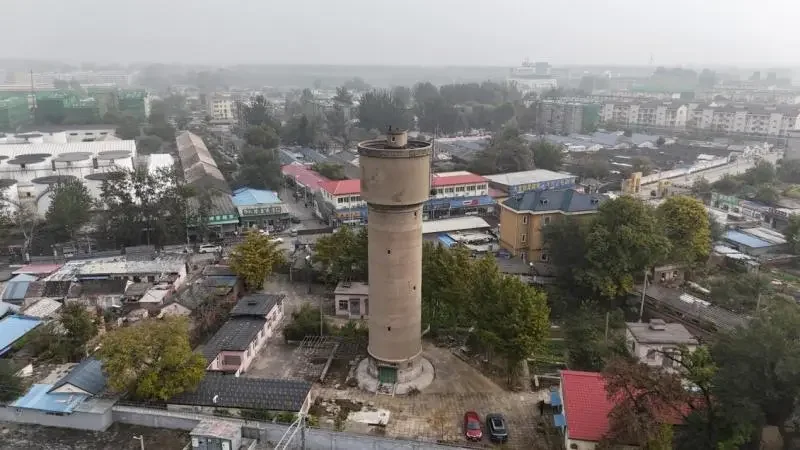
Liulihe Railway Station Water Tower
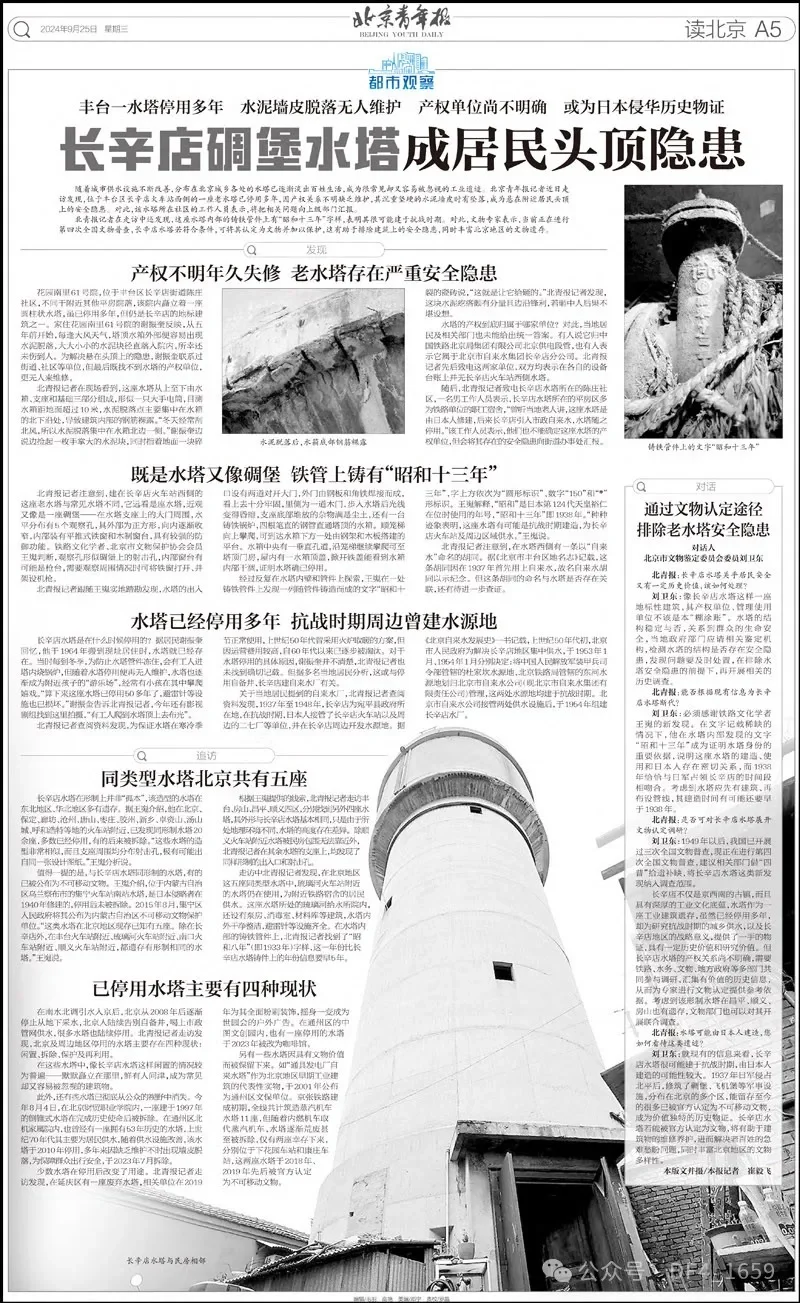
Related report in Beijing Youth Daily on September 25, 2024
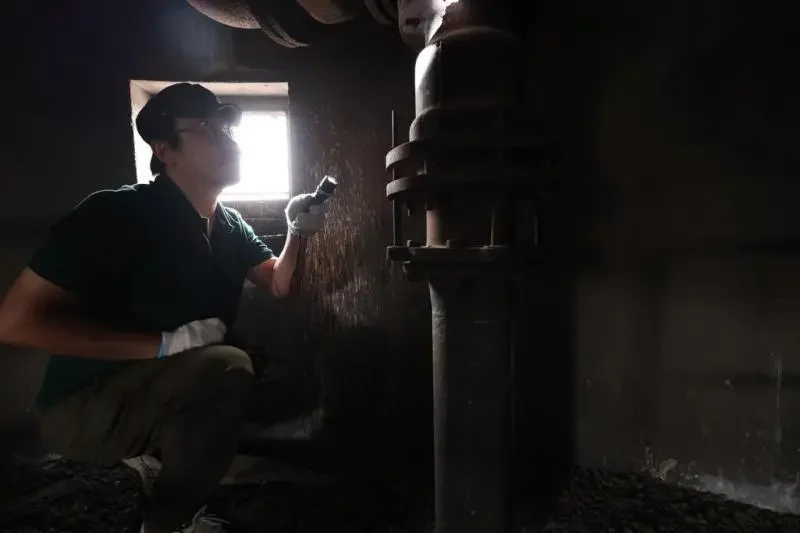
Wang Wei searching for inscriptions inside the water tower
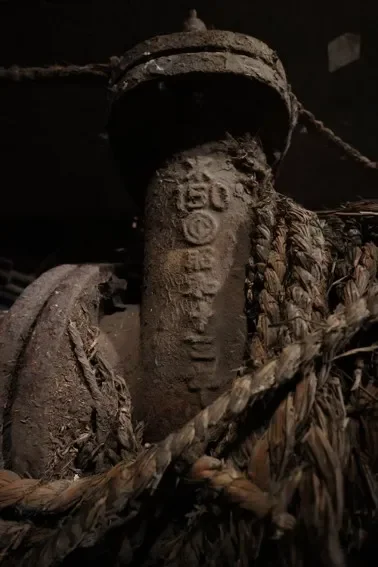
Cast-iron pipe fittings inside the Changxidian Water Tower, with the inscription 'Showa 13th Year'
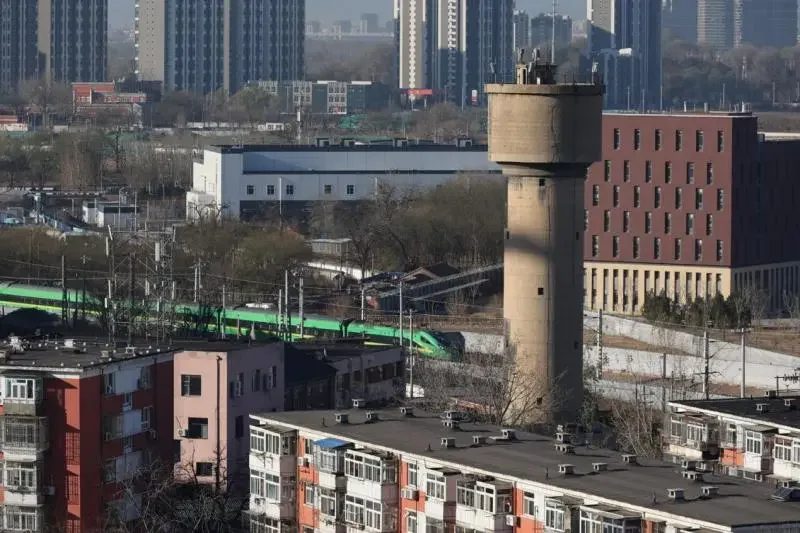
Bunker water tower near Fengtai Railway Station
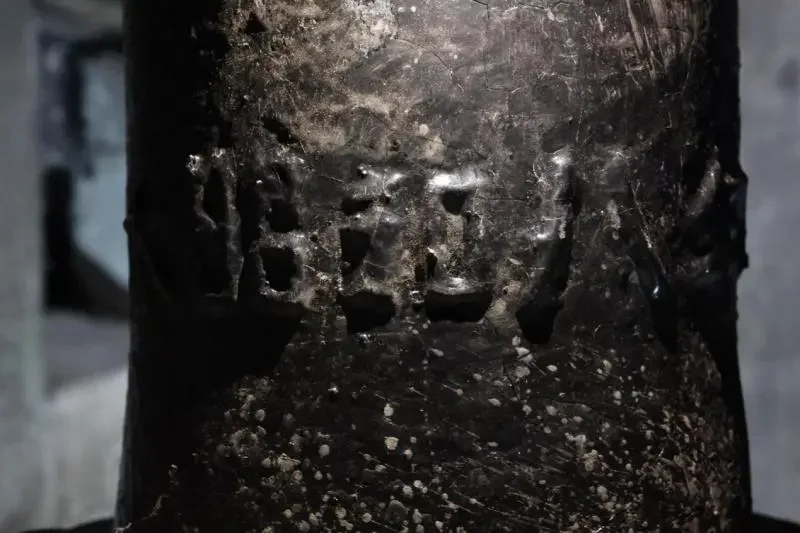
Pipe fittings from the 8th year of Showa
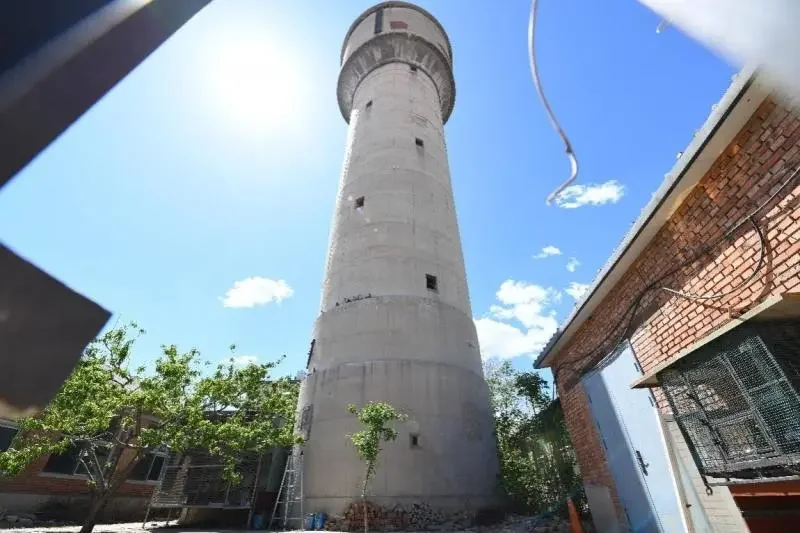
Bunker water tower near Nankou Railway Station
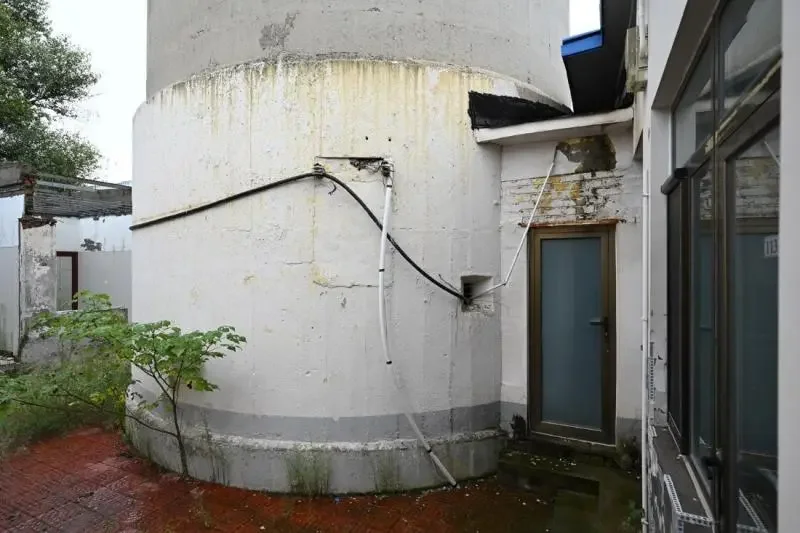
Bunker water tower near Shunyi Railway Station
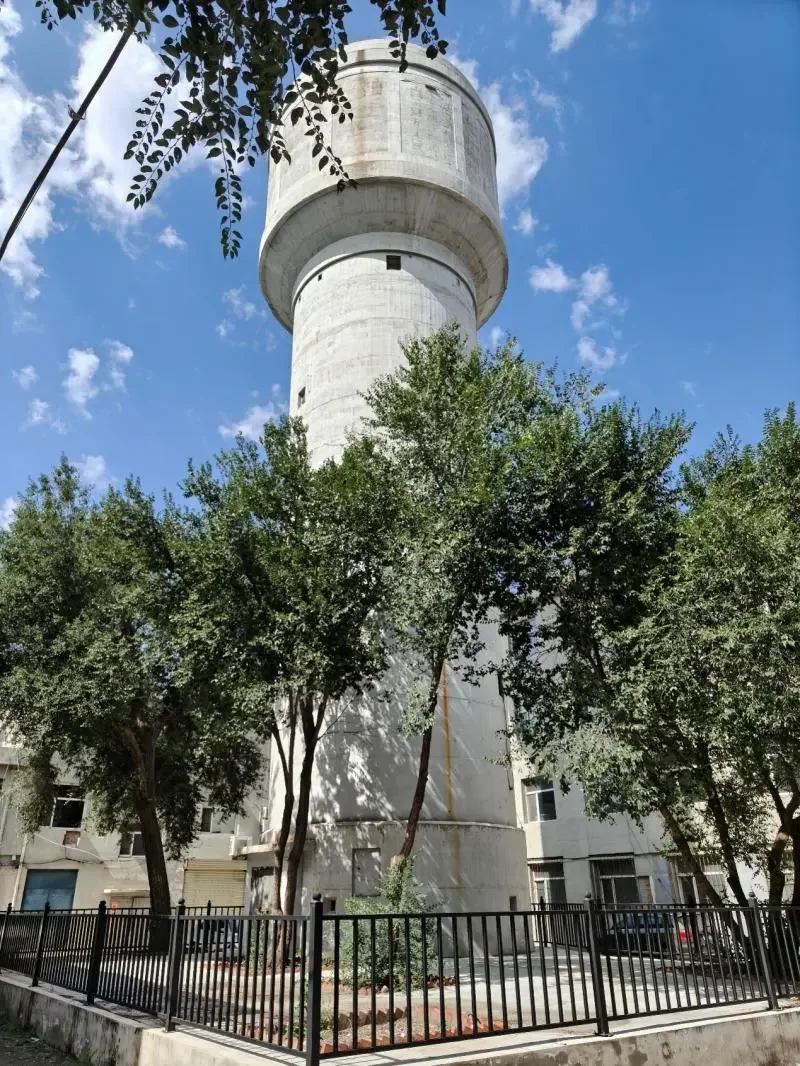
South Station water tower of Jining Railway Station
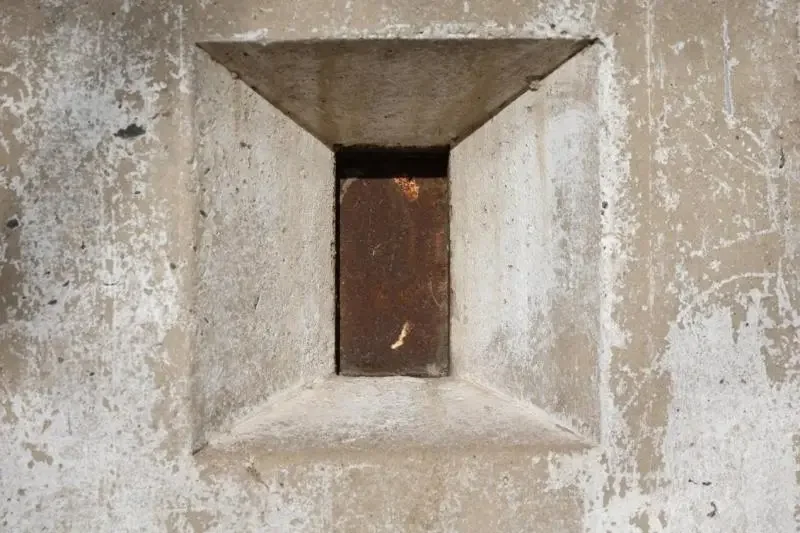
Shooting holes
June 26, 2026 Beijing Youth Daily
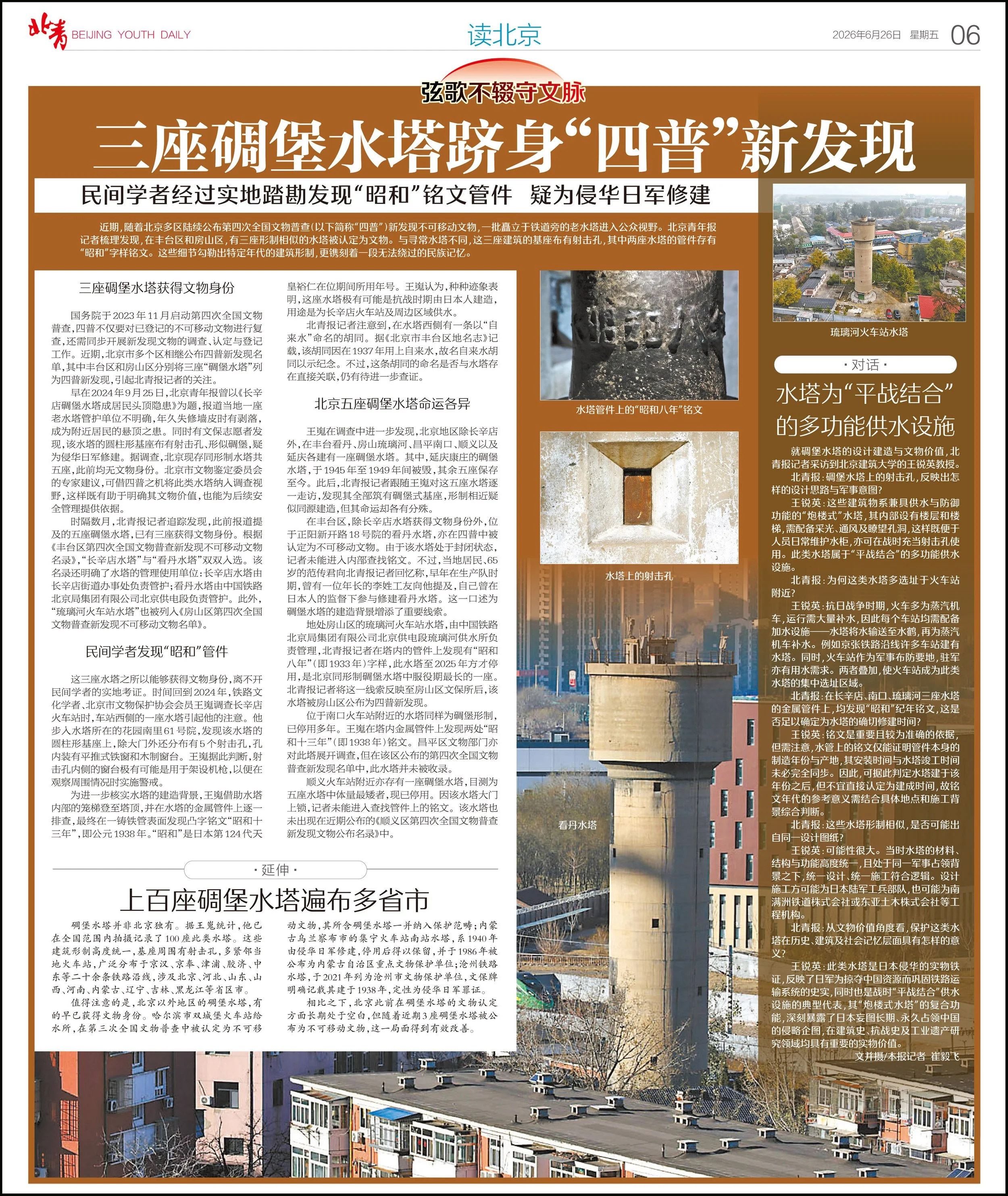
Recently, as multiple districts in Beijing successively announced newly discovered immovable cultural relics from the Fourth National Cultural Relic Census (hereinafter referred to as the "Fourth Census"), a batch of old water towers standing alongside railways has entered the public eye. A reporter from Beijing Youth Daily found through research that three water towers with similar shapes and systems in Fengtai District and Fangshan District have been recognized as cultural relics. Unlike ordinary water towers, the bases of these three structures are dotted with shooting holes, and two of them bear inscriptions with the word "Showa" (昭和) on their pipe fittings. These details outline the architectural forms of a specific era and are deeply engraved with a national memory that cannot be bypassed.
Three Bunker Water Towers Granted Cultural Relic Status
The State Council initiated the Fourth National Cultural Relic Census in November 2023. The Fourth Census requires not only re-inspecting registered immovable cultural relics, but also simultaneously carrying out the investigation, recognition, and registration of newly discovered cultural relics. Recently, multiple districts in Beijing successively announced lists of new discoveries from the Fourth Census, among which Fengtai District and Fangshan District each listed three "bunker water towers" as new discoveries of the Fourth Census, attracting the attention of the Beijing Youth Daily reporter.
As early as September 25, 2024, Beijing Youth Daily reported under the title "Changxidian Bunker Water Tower Becomes a Hidden Hazard Hovering Over Residents' Heads" that the management and maintenance unit of an old local water tower was unclear, disrepair caused peeling wall surfaces from time to time, and it had become a hanging sword over the heads of nearby residents. Meanwhile, cultural relic preservation volunteers discovered that the cylindrical base of the water tower was dotted with shooting holes and resembled a bunker, suspected to have been built by the invading Japanese forces. According to investigations, there are a total of five surviving water towers of the same form and system in Beijing, none of which previously possessed cultural relic status. Experts from the Beijing Cultural Relic Authentication Committee suggested at the time that the opportunity of the Fourth Census could be utilized to bring such water towers into the scope of investigation, which would not only help clarify their cultural relic value, but also provide a basis for subsequent safety management.
Months later, tracking by the Beijing Youth Daily reporter revealed that among the five bunker water towers mentioned in the previous report, three have already obtained cultural relic status. According to the List of Newly Discovered Immovable Cultural Relics in Fengtai District's Fourth National Cultural Relic Census, both the "Changxidian Water Tower" and the "Kandian Water Tower" were selected. The list also clarified the management and use units of the water towers: the Changxidian Water Tower is maintained and managed by the Changxidian Subdistrict Office; the Kandian Water Tower is maintained and managed by the Beijing Power Supply Section of the China Railway Beijing Group Co., Ltd. In addition, the "Liulihe Railway Station Water Tower" was also included in the List of Newly Discovered Immovable Cultural Relics in Fangshan District's Fourth National Cultural Relic Census.
Civilian Scholars Discover "Showa" Pipe Fittings
The fact that these three water towers were able to obtain cultural relic status is inseparable from the on-site textual research conducted by civilian scholars. Returning to 2024, when Wang Wei, a railway cultural scholar and member of the Beijing Cultural Relics Protection Association, was investigating the Changxidian Railway Station, a water tower on the west side of the station caught his attention. He stepped into Courtyard No. 61, Huayuan South Lane, where the water tower is located, and discovered that on the cylindrical base of the water tower, besides the gate, there were 5 shooting holes distributed around it, equipped with push-type iron windows and wooden windowsills inside the holes. Wang Wei judged from this that the windowsills on the inner side of the shooting holes were most likely used to mount machine guns, so as to maintain vigilance while observing the surrounding situation.
To further verify the construction background of the water tower, Wang Wei climbed to the top of the tower using the cage ladder inside the water tower, and checked the metal pipe fittings of the water tower one by one. Finally, he discovered a convex inscription reading "Showa 13th Year" (昭和十三年)—namely 1938 AD—on the surface of a cast-iron pipe. "Showa" was the reign name used by Hirohito, the 124th Emperor of Japan, during his reign. Wang Wei believes that various signs indicate that this water tower was most likely built by the Japanese during the War of Resistance Against Japanese Aggression, and its purpose was to supply water to Changxidian Railway Station and its surrounding areas.
The Beijing Youth Daily reporter noticed that on the west side of the water tower there is a lane named "Zilaihui" (Tap Water). According to the Monograph on Place Names in Fengtai District, Beijing, the lane was named Tap Water Lane to commemorate the fact that it obtained tap water in 1937. However, whether the naming of this lane has a direct connection with the water tower still remains to be further investigated.
Fates of Beijing's Five Bunker Water Towers Vary
Wang Wei further discovered during his investigation that apart from Changxidian, Beijing has built a bunker water tower each in Kandian (Fengtai), Liulihe (Fangshan), Nankou (Changping), Shunyi, and Yanqing. Among them, the bunker water tower in Kangguzhuang, Yanqing, was destroyed between 1945 and 1949, while the remaining five have survived to this day. Afterward, the Beijing Youth Daily reporter followed Wang Wei to visit these five water towers one by one, and found that all of them were built with bunker-style bases, sharing similar shapes and systems, suspected to have originated from the same source of construction, yet their fates varied respectively.
In Fengtai District, besides the Changxidian Water Tower obtaining cultural relic status, the Kandian Water Tower located at Courtyard No. 18, Zhengyang Xinkai Road, was also recognized as an immovable cultural relic in the Fourth Census. Because the water tower is in a closed state, the reporter was unable to enter the interior to search for inscriptions. However, a local resident, 65-year-old Fan Chuanjun, recalled to the Beijing Youth Daily reporter that in the early years during the production team period, an older fellow worker named Li once mentioned to him that he had participated in the construction of the Kandian Water Tower under Japanese supervision. This oral account added an important clue to the construction background of the bunker water tower.
The Liulihe Railway Station Water Tower, situated in Fangshan District, is managed by the Liulihe Water Supply Section of the Beijing Power Supply Section, China Railway Beijing Group Co., Ltd. The Beijing Youth Daily reporter discovered characters reading "Showa 8th Year" (namely 1933) on the pipe fittings inside the tower. This water tower remained in service until 2025, making it the longest-serving bunker water tower of the same form in Beijing. After the Beijing Youth Daily reporter reported this clue to the Fangshan District Cultural Relic Protection Office, the water tower was announced by Fangshan District as a new discovery of the Fourth Census.
The water tower near Nankou Railway Station is also of bunker design and has been out of service for many years. Wang Wei discovered two inscriptions of "Showa 13th Year" (namely 1938) on the metal pipe fittings inside the tower. The Changping District cultural relics department also launched an investigation into this tower, but in the list of new discoveries from the Fourth National Cultural Relic Census announced by the district, this water tower was not included.
A bunker water tower also exists near Shunyi Railway Station, visually estimated to be the shortest in volume among the five water towers, and is now out of service. Because the water tower gate is locked, the reporter was unable to enter to search for inscriptions on the pipe fittings. In 2024, the Beijing Youth Daily reporter reported related clues to the local cultural relics department, but the water tower ultimately failed to appear in the recently published Announcement List of Newly Discovered Cultural Relics in Shunyi District's Fourth National Cultural Relic Census.
Over One Hundred Bunker Water Towers Spread Across Multiple Provinces
Bunker water towers are not unique to Beijing. According to Wang Wei's statistics, he has photographed and recorded 100 such water towers nationwide. These architectural forms are highly unified, with shooting holes around their bases, mostly adjacent to local railway stations, and widely distributed along more than 20 railway lines including the Jinghan, Jingfeng, Jinpu, Jiaoji, and Chinese Eastern Railways, involving provinces, autonomous regions, and municipalities such as Beijing, Hebei, Shandong, Shanxi, Henan, Inner Mongolia, Liaoning, Jilin, and Heilongjiang. However, among the 100 bunker water towers recorded by Wang Wei, seven have already been demolished.
It is worth noting that some bunker water towers outside Beijing have long obtained cultural relic status. The water supply station of Shuangchengbu Railway Station in Harbin was recognized as an immovable cultural relic in the Third National Cultural Relic Census, and the bunker water tower contained within it was included in the scope of protection; the South Station water tower of Jining Railway Station in Ulanqab, Inner Mongolia, was built by the invading Japanese forces in 1940, retained after being decommissioned, and announced as a key cultural relic protection unit of the Inner Mongolia Autonomous Region in 1986; the Cangzhou Railway Water Tower was listed as a Cangzhou Municipal Cultural Relic Protection Unit in 2021, and its cultural relic protection plaque explicitly records that it was built in 1938, categorized as criminal evidence of the Japanese invasion of China.
In contrast, Beijing had long been a blank slate in the cultural relic recognition of bunker water towers, but with three bunker water towers recently announced as immovable cultural relics, this situation has been effectively improved.
Multi-functional Water Supply Facilities Combining "Peace and Wartime"
Regarding the design, construction, and cultural relic value of bunker water towers, the reporter interviewed Professor Wang Ruiying from Beijing University of Civil Engineering and Architecture.
Beijing Youth Daily: What kind of design thinking and military intent do the shooting holes on the bunker water towers reflect?
Wang Ruiying: These buildings are "blockhouse-style" water towers that integrate both water supply and defense functions. Their interiors are equipped with floors and staircases, requiring lighting, ventilation, and lookout holes, which not only facilitate daily maintenance of the water tank by personnel, but can also serve as shooting holes in wartime. Such water towers belong to multi-functional water supply facilities combining "peace and wartime."
Beijing Youth Daily: Why were these water towers mostly sited near railway stations?
Wang Ruiying: During the War of Resistance Against Japanese Aggression, trains were mostly steam locomotives, and their operation required a large amount of water replenishment. Therefore, every station needed to be equipped with water addition facilities—the water tower transported water to the water crane, which then replenished water for the steam locomotives. For example, many stations along the Beijing-Zhangjiakou Railway built water towers. At the same time, as military defense hubs, railway stations also had water consumption demands from garrison troops. The combination of these two factors made railway stations the concentrated site selection areas for such water towers.
Beijing Youth Daily: On the metal pipe fittings of the three water towers in Changxidian, Nankou, and Liulihe, "Showa" era inscriptions were all discovered. Is this sufficient to determine the exact construction time of the water towers?
Wang Ruiying: Inscriptions are an important and relatively accurate basis, but it should be noted that the inscriptions on water pipes can only prove the manufacturing year and place of origin of the pipe fittings themselves, and their installation time may not completely synchronize with the completion time of the water tower. Therefore, it can be determined from this that the water tower was built after that year, but it should not be directly identified as the completion time. Thus, the reference significance of the inscription era needs to be comprehensively judged in combination with specific locations and construction backgrounds.
Beijing Youth Daily: Since these water towers share similar shapes and systems, is it possible that they came from the same design blueprint?
Wang Ruiying: The possibility is very high. At that time, the materials, structures, and functions of the water towers were highly unified, and under the same military occupation background, unified design and construction were logical. The design and construction party might have been the Japanese Army Engineer Corps, or engineering institutions such as the South Manchuria Railway Company or the East Asia Civil Engineering Company.
Beijing Youth Daily: From the perspective of cultural relic value, what significance does protecting this type of water tower hold in the dimensions of history, architecture, and social memory?
Wang Ruiying: Such water towers are physical ironclad proof of the Japanese invasion of China, reflecting the historical fact that the Japanese army plundered China's resources to consolidate the railway transportation system. At the same time, they are also typical representatives of wartime "peace and wartime" combined water supply facilities. Their compound function as "blockhouse-style water towers" deeply exposes the aggressive attempt of Japan attempting a long-term and permanent occupation of China, and they hold important physical value in the fields of architectural history, the history of the War of Resistance, and industrial heritage research.
By: Cui Yifei (Beijing Youth Daily)
Photography: Cui Yifei (Beijing Youth Daily)
Editor: Wang Peng
Executive Editor: Ma Xiaoqing
June 26, 2026 Beijing Youth Daily
