
Peking-Mukden Railway Inscribed Bricks" Discovered in a Relocation Area in Fengtai District, Beijing
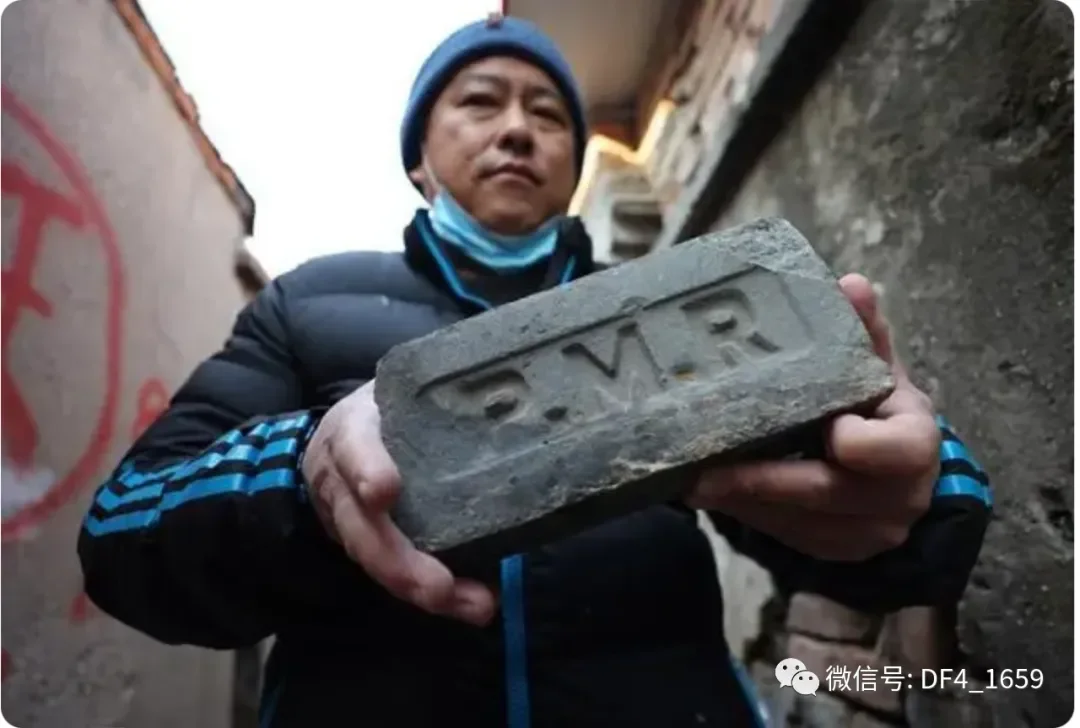
P.M.R inscribed brick
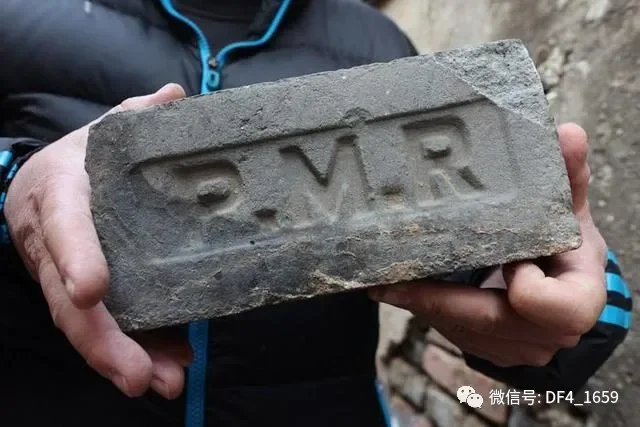
Peking-Mukden Railway Abbreviation: P.M.R
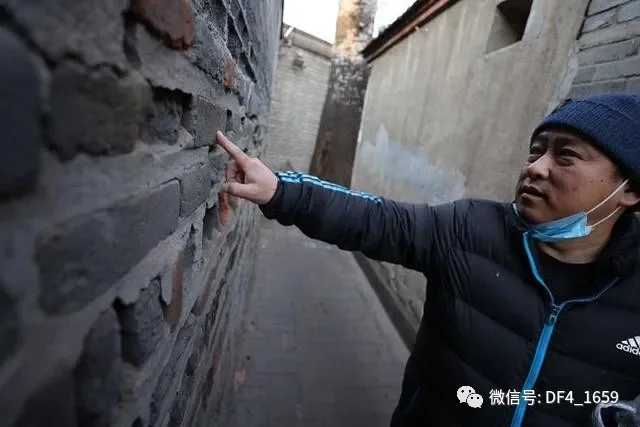
Chen Xinhui, the brick hunter
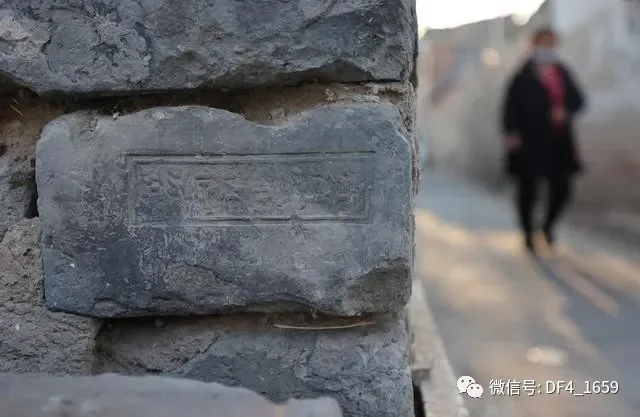
Large city wall bricks from Beijing's ancient city walls. These are bricks that were reused after Beijing's ancient city walls were dismantled between the 1950s and 1970s.
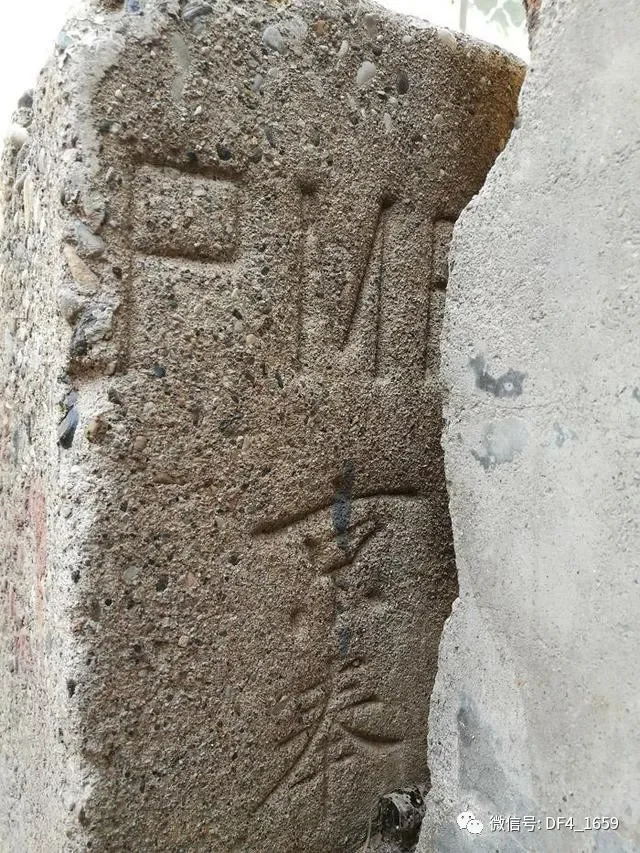
Peking-Mukden Railway boundary posts discovered by Wang Wei
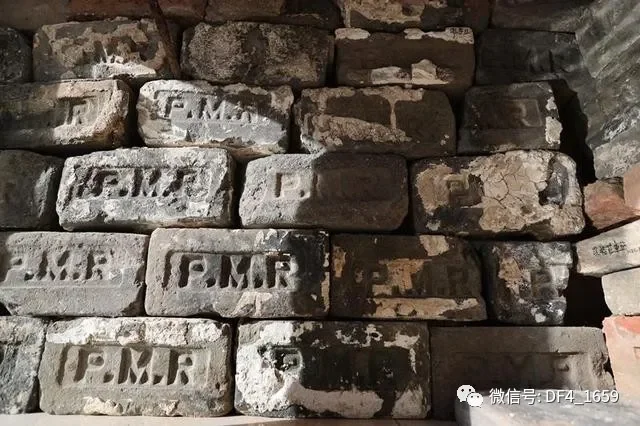
Inscribed bricks collected by Wang Wei
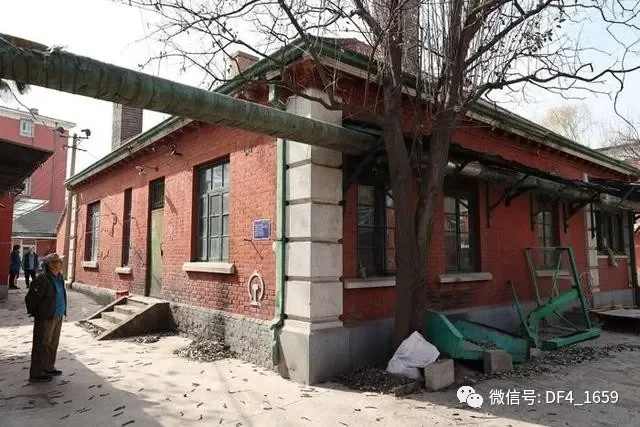
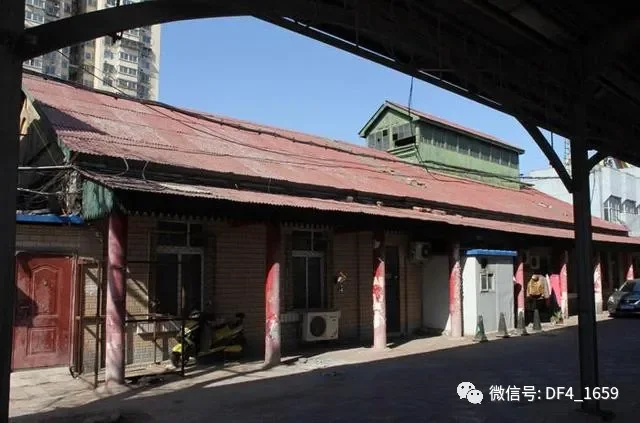
Subsidiary buildings of the Peking-Mukden Railway near Xihouwan
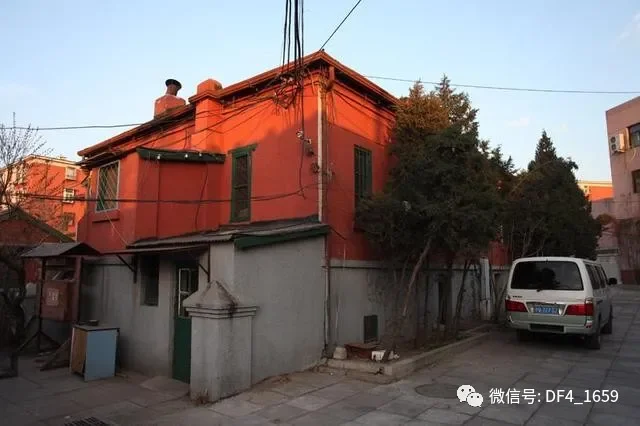
Subsidiary buildings of the Peking-Mukden Railway near Xihouwan
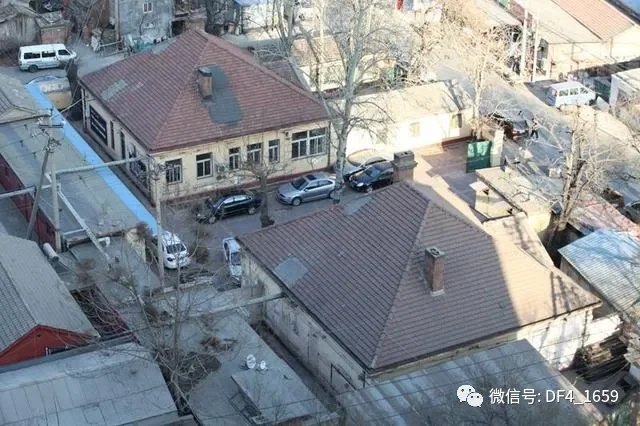
Subsidiary buildings of the Peking-Mukden Railway's Fengtai Station
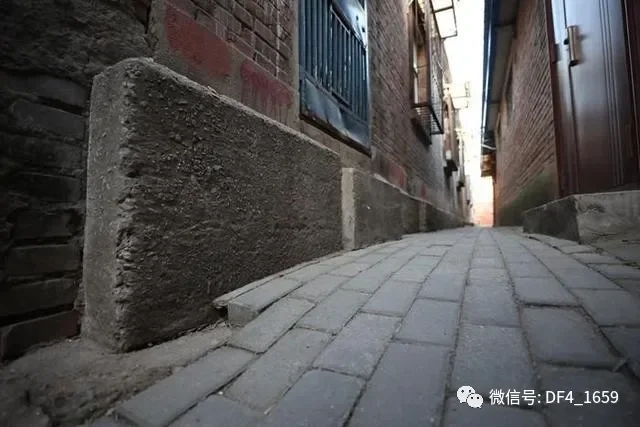
Site of Majiapu Station
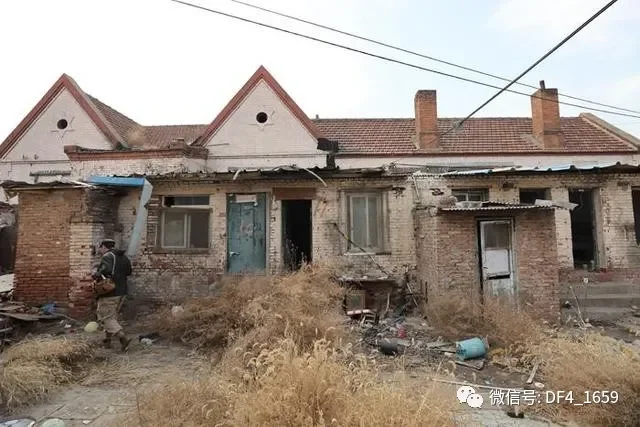
Abandoned Huangtupo Station, located in Daxing District
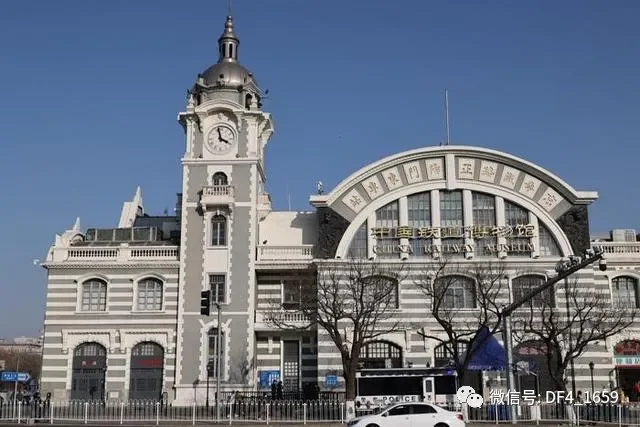
Former site of the Peking-Mukden Railway Zhengyangmen East Station
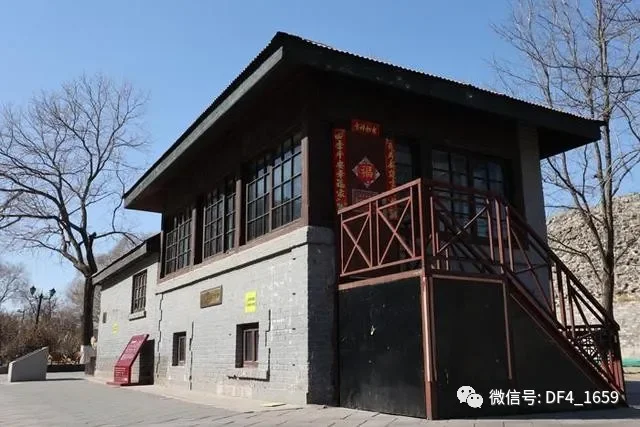
Former site of the Peking-Mukden Railway Zhengyangmen East Station Signal Office
Old station building of Fengtai Railway Station
March 19, 2023, Beijing Youth Daily
A weathered inscribed brick brings the century-old history of the Peking-Mukden Railway within arm's reach. Recently, Mr. Chen, who lives near Fengtai Railway Station, discovered a rare inscribed brick, which is a historical relic of the Peking-Mukden Railway. As the local area is facing relocation, more inscribed bricks may come to light. Reporters from the Beijing Youth Daily have reported this situation to the Cultural Relics Management Section of the Fengtai District Culture and Tourism Bureau. Meanwhile, Beiqing reporters conducted one-by-one visits to the architectural relics of the Beijing section of the Peking-Mukden Railway, among which three have been announced as immovable cultural relics, while another six lack statutory cultural relic status, and private scholars have applied to the cultural relics departments for cultural relic recognition.
Inscribed Bricks Appear in the Relocation Area, Weighing 2.8 Kilograms Each
Xihouwan, Kandian Street, Fengtai District, is a flat-roofed residential area intertwined with alleys and streets. Recently, local resident Chen Xinhui discovered a gray brick in Xihouwan, with the English letters "P.M.R" displayed on one side. The corners of the gray brick were slightly damaged, but the handwriting was clear. Relying on his relevant knowledge reserves, Chen Xinhui deduced that this was a brick used by the Peking-Mukden Railway, which might be over a hundred years old, so he moved it back home for preservation. Beijing Youth Daily reporters measured that the brick is 22 centimeters long, 10.3 centimeters wide, and 6.8 centimeters thick, and its weight is heavier and more solid in the hand than common wall bricks. Chen Xinhui washed away the mud on the gray brick and weighed it on an electronic scale, finding that the brick weighed 2.8 kilograms.
Why did the English brick appear in Xihouwan? According to Chen Xinhui, several railway units are located near Xihouwan, including many old buildings with a century-old history. As the city changes, some buildings are demolished, and the eliminated brick and stone materials are sometimes reused by local residents when building houses. Today, Xihouwan has been listed as a relocation area, and these old bricks are basically neglected—some are built into wall bodies, and a very small number are scattered in the alleys and streets. A "Relocation Announcement" from October 2022 showed that due to the construction of the environmental remediation project around Fengtai Railway Station, the non-complete rental public housing within the red-line range—east to the auxiliary road of the South 4th Ring Road West, south to the Nankaixili Residential Community, west to Zhengyang Xinkailu, and north to Zhengyang Xinkailu—was included in the relocation scope. It is worth mentioning that in the Xihouwan area, Chen Xinhui also found scattered city wall bricks, one of which displayed the traditional Chinese character stamp "寶祥窰细泥停城磚" (Baoxiang Kiln Fine Mud Ting City Brick). "Whether it is large city bricks or English bricks, they are visible and touchable history. I hope government departments can cherish them and collect and protect them as much as possible during demolition," Chen Xinhui said.
Inscribed Bricks Can Be Up to a Century Old; "P.M.R" Is the Abbreviation for Peking-Mukden Railway
How should the "P.M.R" on the gray brick be interpreted? According to railway culture scholar Wang Wei, in the old translation method, Beijing was translated as Peking, and the letter P represents Peking; M stands for Mukden, which is the Manchu pronunciation for Fengtian (now Shenyang); R stands for Railway. The combination of these three letters, P.M.R, represents the Peking-Mukden Railway. The Peking-Mukden Railway was officially named in 1907, and the history of this brick is likely more than a hundred years old.
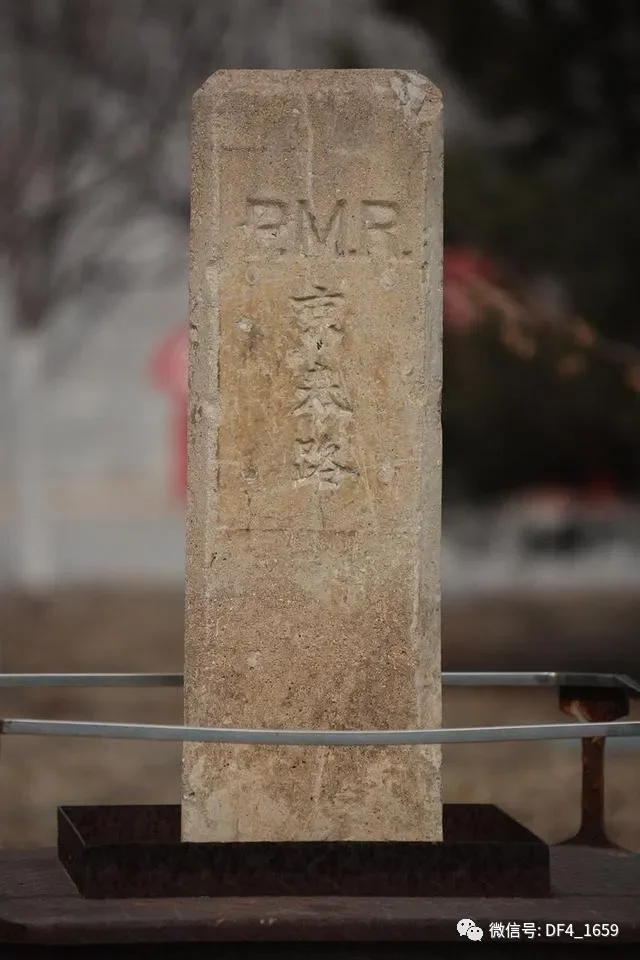
As a trunk railway, why did the Peking-Mukden Line use English bricks? Wang Wei explained that the Peking-Mukden Railway was built in the late Qing Dynasty. At that time, the chief engineer, financial director, and various major professional positions of the railway were mainly held by British people. Therefore, the official correspondence of the Peking-Mukden Railway Administration formed a combination of Chinese and English, and the building bricks and railway boundary posts of the Peking-Mukden Line were no exception. Wang Wei said that near the location where the English brick was discovered, the old station building of Fengtai Railway Station is located, which is a main line station of the Peking-Mukden Railway. On September 12, 2017, he discovered two scattered Peking-Mukden Railway boundary posts near Fengtai Station, which also displayed the letters "P.M.R". They were later moved to the China Academy of Railway Sciences and the Railway Museum in Jingtie Jiayuan Community for preservation and display respectively. Therefore, it stands to reason that Peking-Mukden Railway bricks were discovered near Fengtai Station. "When I conducted investigations along the entire line of the Peking-Mukden Railway, I also found similar inscribed bricks, which were mostly used in buildings such as station buildings, signal towers, and locomotive houses," Wang Wei said.
Beijing Youth Daily reporters noticed that the China Railway Museum (Dongjiao Branch) exhibits a Peking-Mukden Railway concrete boundary post, with one side of the boundary post displaying the words "P.M.R, 京奉路" (Peking-Mukden Railway).
Subsidiary Buildings of the Peking-Mukden Railway Still Exist Near the Location Where Inscribed Bricks Were Found
According to Wang Wei's investigation, near the location where Mr. Chen discovered the inscribed bricks, in addition to the old station building of Fengtai Railway Station, there are four surviving subsidiary buildings of the Peking-Mukden Railway. Recently, Beijing Youth Daily reporters visited these old houses one by one, most of which are still in use: two old buildings on the east side of the Fengtai Railway Single Staff Apartment were originally housing for railway trainees and are now office buildings for the Fengtai Locomotive Section; the engineer's housing on the south side of Xinkailu is located in the yard of the Fengtai Engineering Section of the Beijing Railway Bureau and is now out of use; an old building in Courtyard No. 16, Xinkailu, was once used as a hospital and is now occupied by railway workers; the engineering section housing for engineers on the west side of Courtyard No. 16, Xinkailu, is now an office building for China Railway Sixth Group.
To better protect the historical relics of the Peking-Mukden Railway, in 2018, Wang Wei submitted five Application Forms for the Recognition of Immovable Cultural Relics to the Cultural Relics Management Section of the Fengtai District Culture and Tourism Bureau regarding the aforementioned buildings as well as the Majiapu Railway Station site; in the same year, Wang Wei also applied for cultural relic recognition to the staff of the Daxing District Cultural Relics Management Office regarding the old station building of the Huangtupao Station on the Peking-Mukden Railway. However, none of these six architectural relics have gained cultural relic status to date.
According to the understanding of Beijing Youth Daily reporters, three existing subsidiary buildings of the Peking-Mukden Railway in the city have been officially recognized as cultural relics: the former site of the Zhengyangmen East Station of the Peking-Mukden Railway, announced as a municipal-level cultural relic protection unit in 2001; the former site of the signal office of the Zhengyangmen East Station of the Peking-Mukden Railway, announced as a Dongcheng District census-registered cultural relic in 2012; and the old station building of Fengtai Railway Station, announced as an immovable cultural relic in 2017.
Peking-Mukden Railway Is One of the "Protagonists" in Modern Chinese Railway Development History
The Peking-Mukden Railway had a profound impact on the social development of modern China. Beijing Youth Daily reporters consulted the 2022 publication “Trunk” and “Artery”: The Peking-Mukden Railway and Social-Economic Changes Along Its Route (1907–1937), briefly outlining the historical evolution of the Peking-Mukden Railway.
In 1881, the Tangshan-Xugezhuang (Tangxu) Railway, which emerged under the leadership of Li Hongzhang, became the beginning of China's self-built railways. The Peking-Mukden Railway also originated from the Tangxu Railway, was officially named the Peking-Mukden Railway in 1907, was renamed the Pingfeng Railway in 1928, and was renamed the Beining Railway in 1929. After the "July 7th" Incident in 1937, the entire Beining Railway line was occupied by the Japanese army.
The Peking-Mukden Railway starts from Beijing in the west, passes through Tianjin, Tangshan, Shanhaiguan, Jinxian, and Xinmin, and reaches Fengtian directly. It is an important channel connecting North China and Northeast China, with the total trunk and branch lines stretching over 1,372 kilometers and a total of 126 large and small stations along the way—among which the Beiping Zhengyangmen East Station, Tianjin East Station and Main Station, Tangshan Station, and Fengtian Station were major stations. Spanning more than half a century from the construction of the Tangxu Railway in 1881 to the outbreak of the full-scale War of Resistance Against Japanese Aggression in 1937, the Peking-Mukden Railway played an important role in areas such as cargo trade, population flow, and urbanization processes in the hinterlands along the route.
Related report in the Beijing Youth Daily, March 19, 2023
Text / Beijing Youth Daily Reporter Cui Yifei
Photography / Beijing Youth Daily Reporter Cui Yifei
Editor / Cui Yifei
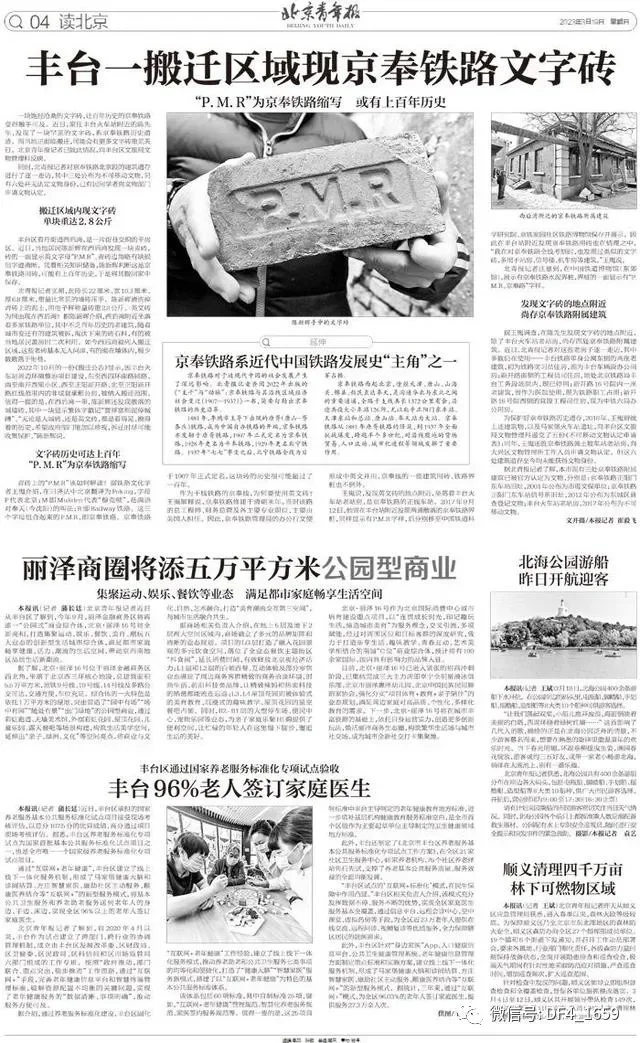
March 19, 2023, Beijing Youth Daily
