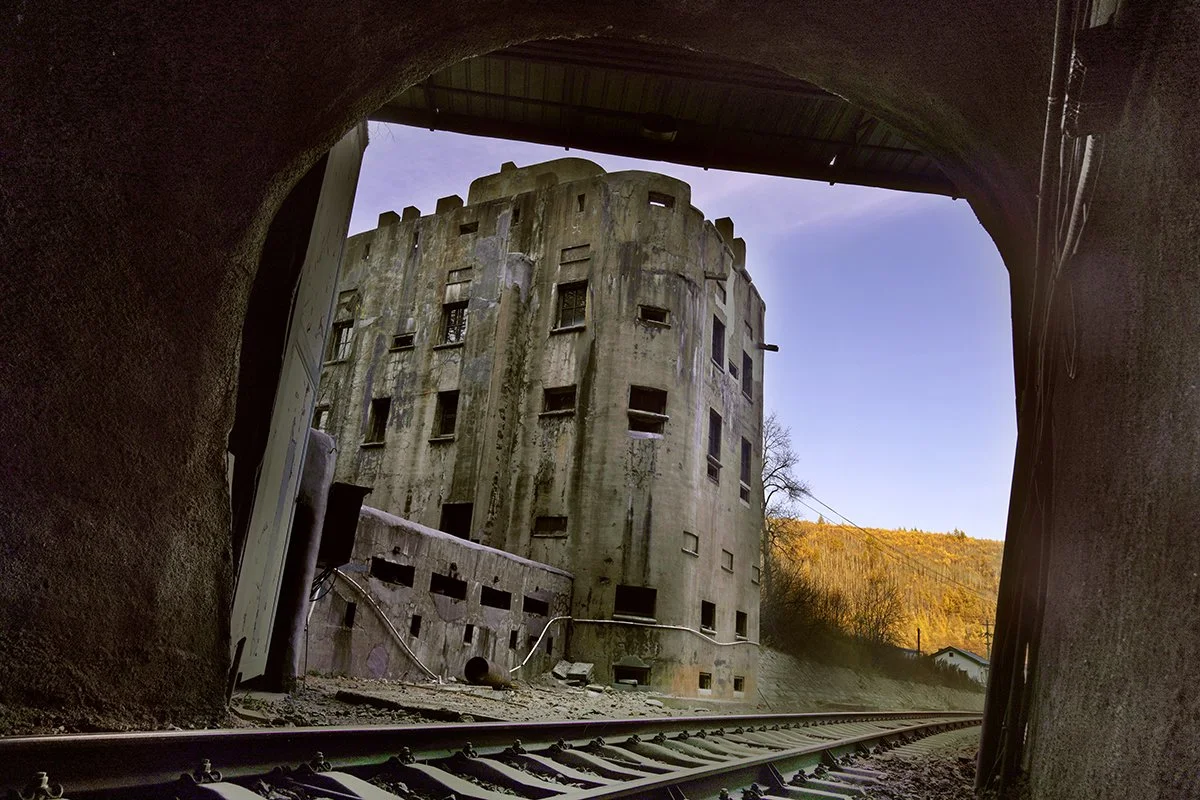
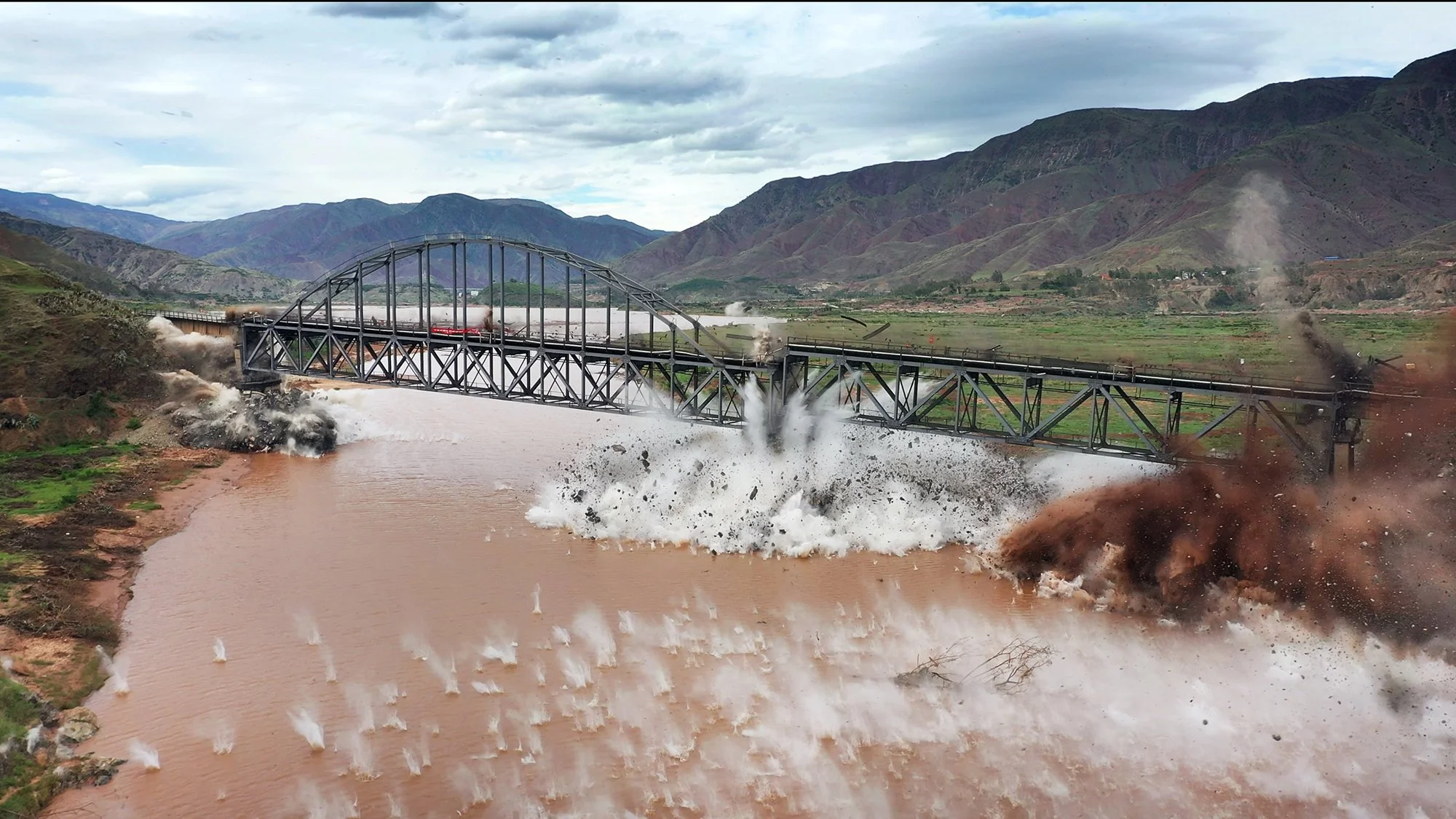
China Railway Heritage Survey Illustrated Guide
From 1865 onward, railways gradually began to take root in China. By the late Qing dynasty and Republican era, railway networks were expanding in multiple directions with the involvement of various foreign powers. This was followed by periods of destruction and construction during years of war, and eventually by postwar network expansion and technological modernization. Over the course of these four distinct eras, China’s railways developed their own defining characteristics: from early railway technologies, to a highly diverse mixture of railway systems often described as a “museum of railways from many nations,” to military and function-oriented railway equipment shaped by wartime needs, and finally to a more standardized modern railway system emphasizing efficiency and practicality.
We classify the railway heritage we have surveyed according to historical period, country of involvement, and geographic location. We also compare selected sites and artifacts in China with related railway heritage in their countries of origin, in an effort to trace their sources and reconstruct, as fully as possible, their original historical appearance.
Research approach
This section combines archival research, historical photographs, engineering records and Wang Wei’s long-term field surveys of surviving railway heritage in China. Historical structures and equipment are compared with present-day remains to identify locations, architectural types, manufacturers and technological influences.
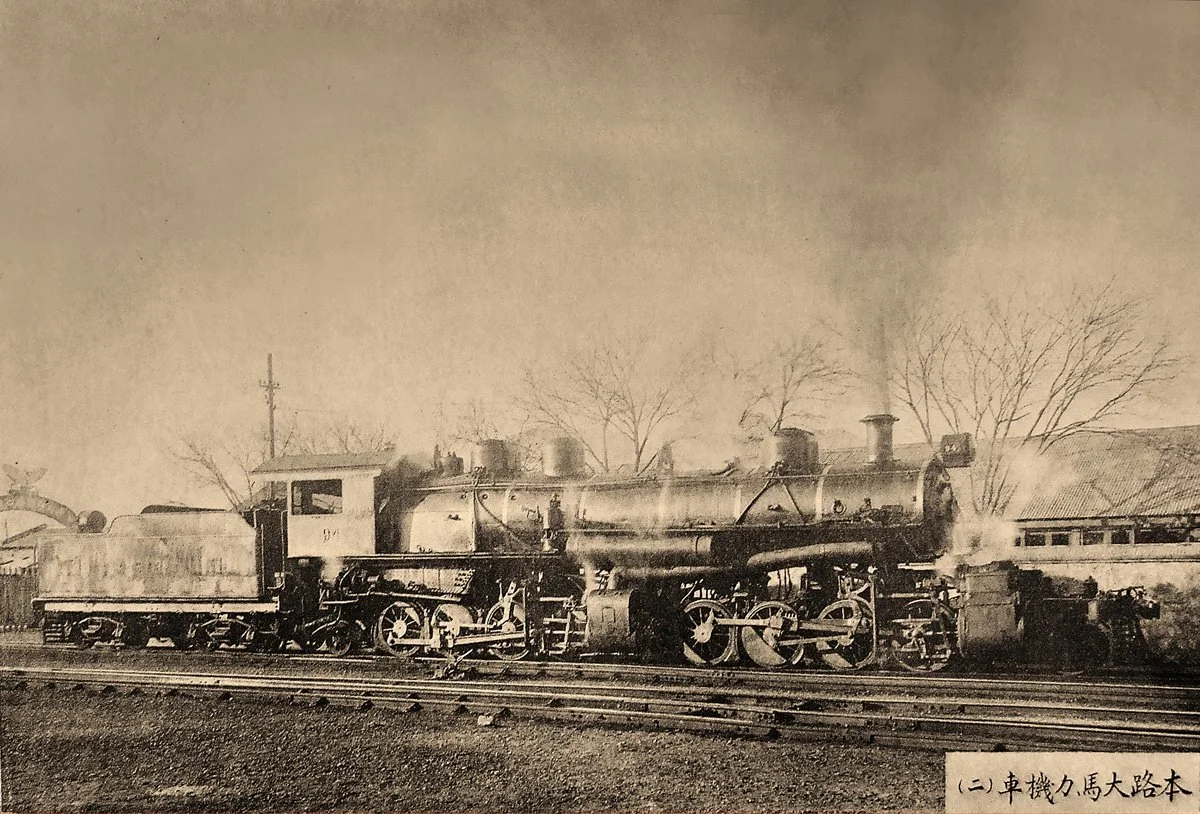
1865–1895
The Introduction of Railways to China

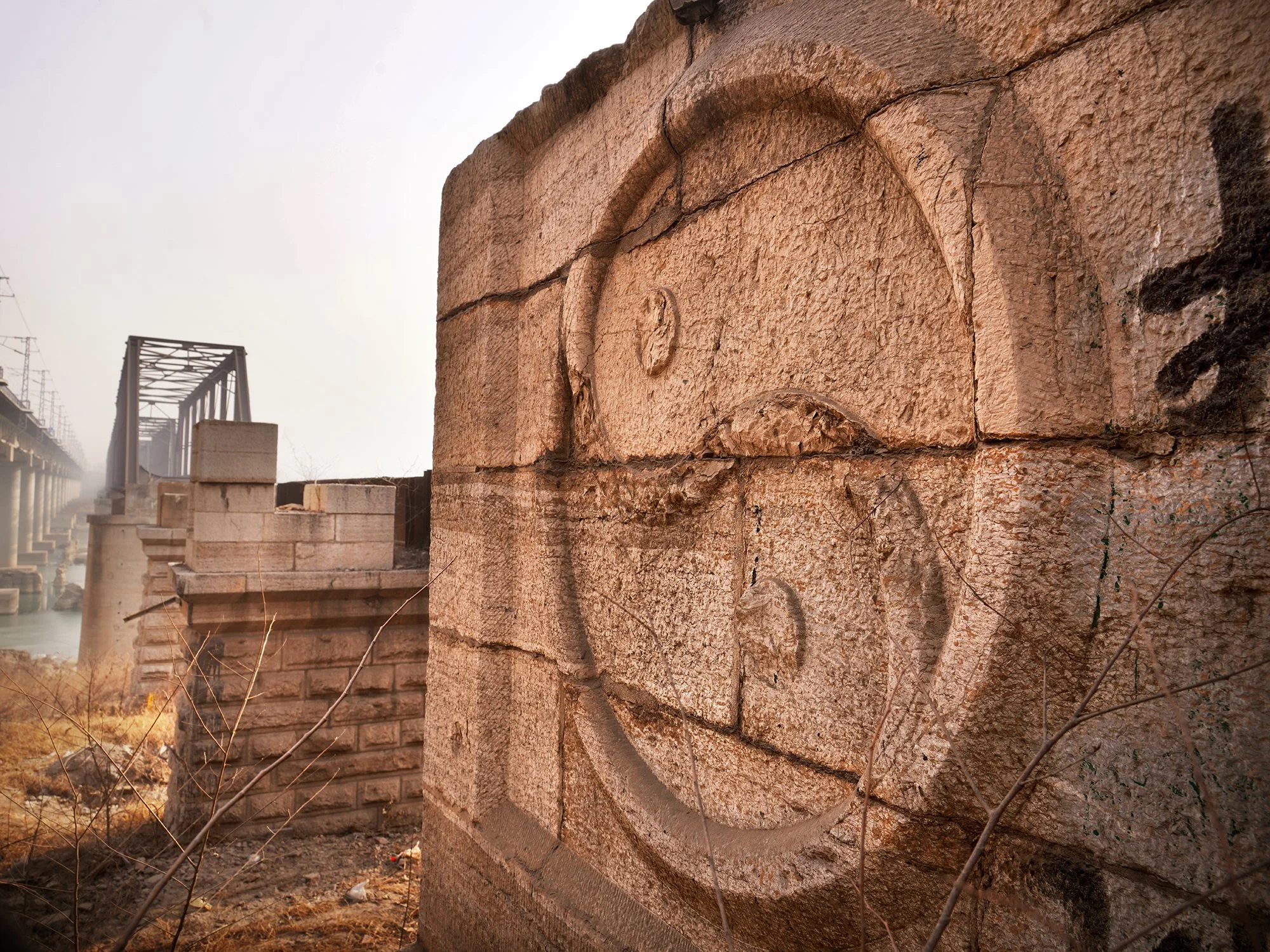
1895–1928
The Era of Railway Imperialism